Mashiko
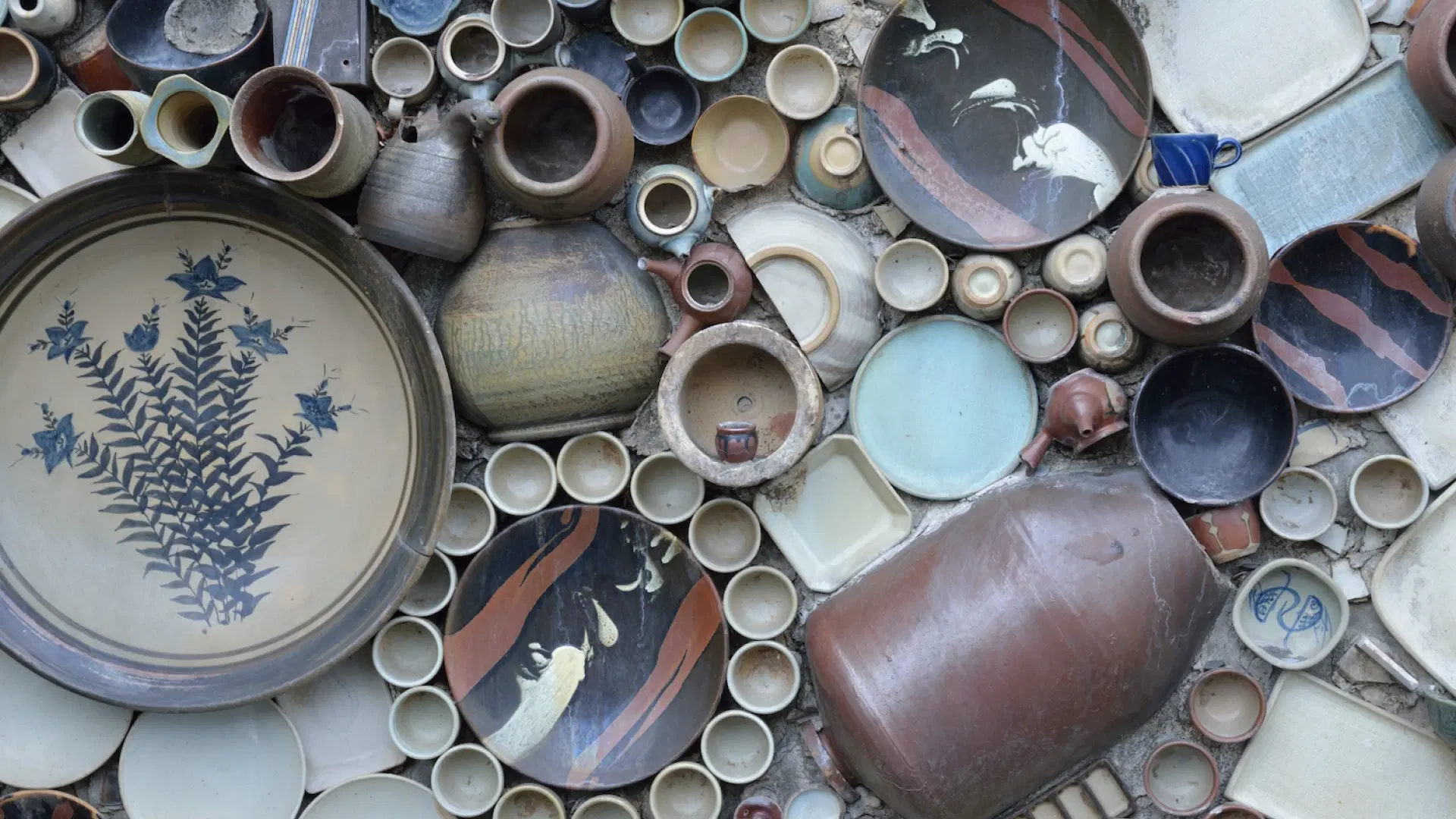
益子Mashiko is a town that has been shaped by clay. For over 150 years, potters have worked the local earth into ceramics that balance rustic warmth with artistic ambition, a tradition elevated to international significance by Hamada Shoji, who settled here in 1930 and spent the next half-century producing work that would earn him designation as a Living National Treasure. Hamada chose Mashiko not for its fame, which was then negligible, but for the quality of its raw materials and the unpretentious character of its existing folk pottery tradition. His presence transformed the town into a pilgrimage destination for ceramicists worldwide.
Today, over 300 pottery studios and galleries operate in and around Mashiko, their kilns producing work that ranges from faithful reproductions of traditional forms to avant-garde sculpture that pushes the medium into new territory. The town's atmosphere is unhurried, its streets lined with pottery shops, wood-fired kilns visible behind garden walls, and cafes that serve coffee in cups you'll want to take home. The biannual Mashiko Pottery Fair, held in spring and autumn, draws over 500 potters and hundreds of thousands of visitors, transforming the main road into an open-air gallery of Japanese ceramic culture.
What makes Mashiko exceptional is not merely the quantity of its pottery but the seriousness with which the craft is pursued. Young potters continue to arrive, drawn by the same qualities that attracted Hamada: good clay, clean water, abundant firewood, and a community that regards making things with one's hands as the most dignified form of work.
Mashiko is a town that has been shaped by clay.
Highlights
The Hamada Shoji Reference Collection, housed in the potter's former residence and workshop, is the essential starting point. The collection includes Hamada's own work alongside pieces by Bernard Leach, Kawai Kanjiro, and other members of the mingei folk art movement, displayed in the original buildings where Hamada lived and fired his kilns. The adjacent climbing kiln, a massive noborigama built into the hillside, remains intact and conveys the scale of production that Hamada maintained.
Walking the town's main pottery road provides an education in the range of contemporary Mashiko ware. Some studios specialize in the heavy, earth-toned glazes associated with the traditional style; others experiment with porcelain, colored slips, and forms that owe more to Scandinavia than to folk craft. Several studios welcome visitors to observe the throwing, glazing, and firing processes, and pottery-making workshops offer hands-on experiences for those who want to engage with the clay directly.
The Mashiko Museum of Ceramic Art, set in a forested park, provides historical context with rotating exhibitions that trace the evolution of the town's ceramic tradition from its utilitarian origins to its current artistic diversity.
Culinary Scene
Mashiko's food culture is intimate and craft-oriented, mirroring the town's ceramic ethos. Several cafes and restaurants serve meals on locally made pottery, an experience that connects the food, the vessel, and the place in a way that feels distinctly Mashiko. Local buckwheat soba, served on handmade ceramic plates, and farm-fresh vegetable dishes prepared with seasonal simplicity are typical offerings. The town's bakeries, several of which use wood-fired ovens, produce bread with a character that reflects the artisanal spirit of the community.
During the pottery fair, food stalls line the main road, offering everything from grilled mochi to local craft beer, the casual eating adding to the festival atmosphere.
Ryokans in Tochigi
There are no ryokans in our guide listed in Mashiko. See our selection across Tochigi.
View ryokans in Tochigi