Tochigi
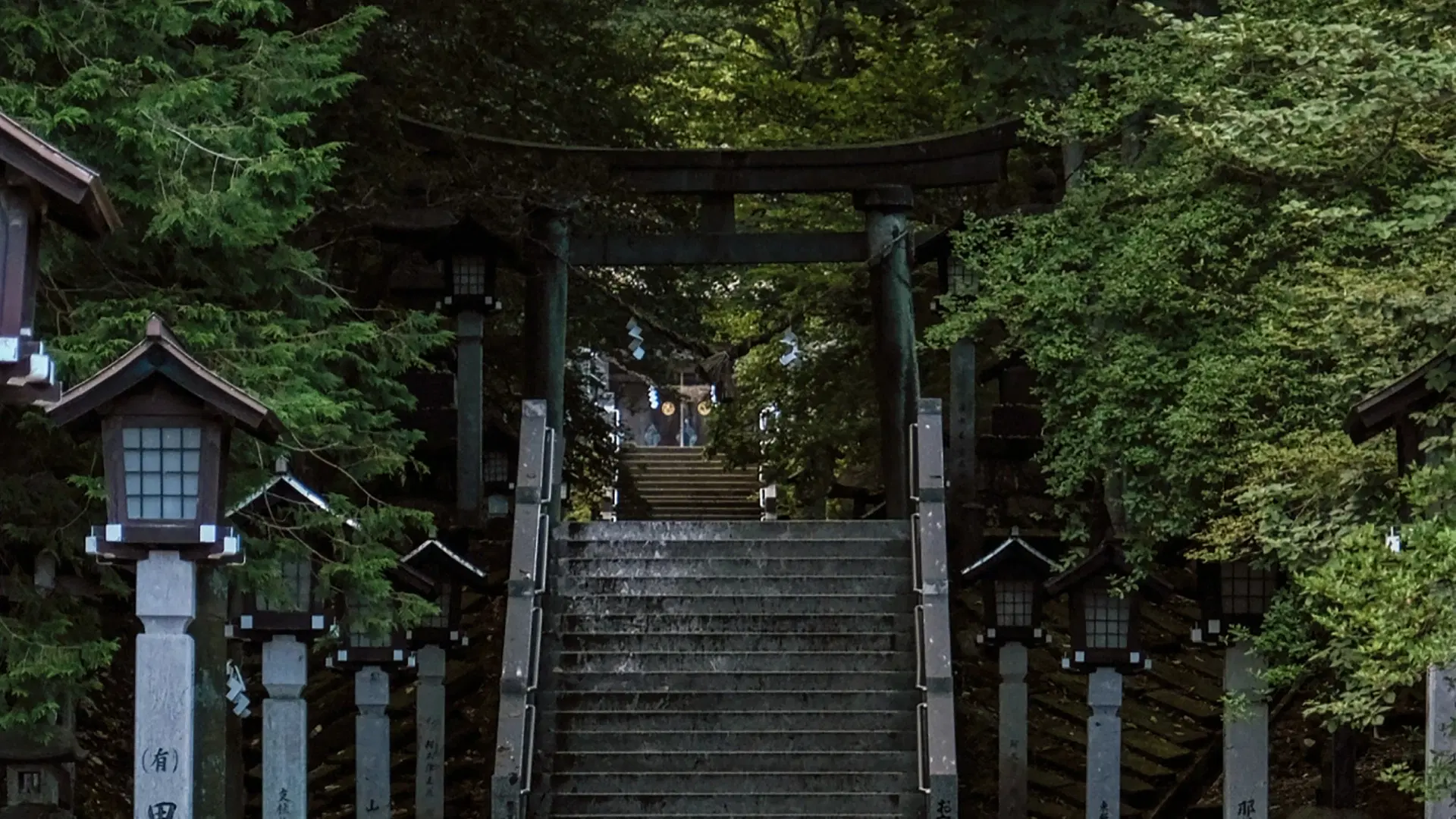
栃木県Tochigi is where the Kanto plain surrenders to the mountains, and the sacred and the spectacular converge. Nikko alone would justify the prefecture's place in any traveler's itinerary: the Toshogu shrine complex, a UNESCO World Heritage Site of staggering ornamental intensity, sits beneath cryptomeria cedars that have stood for four centuries. But to see only Nikko would be to miss the quieter revelations that define Tochigi.
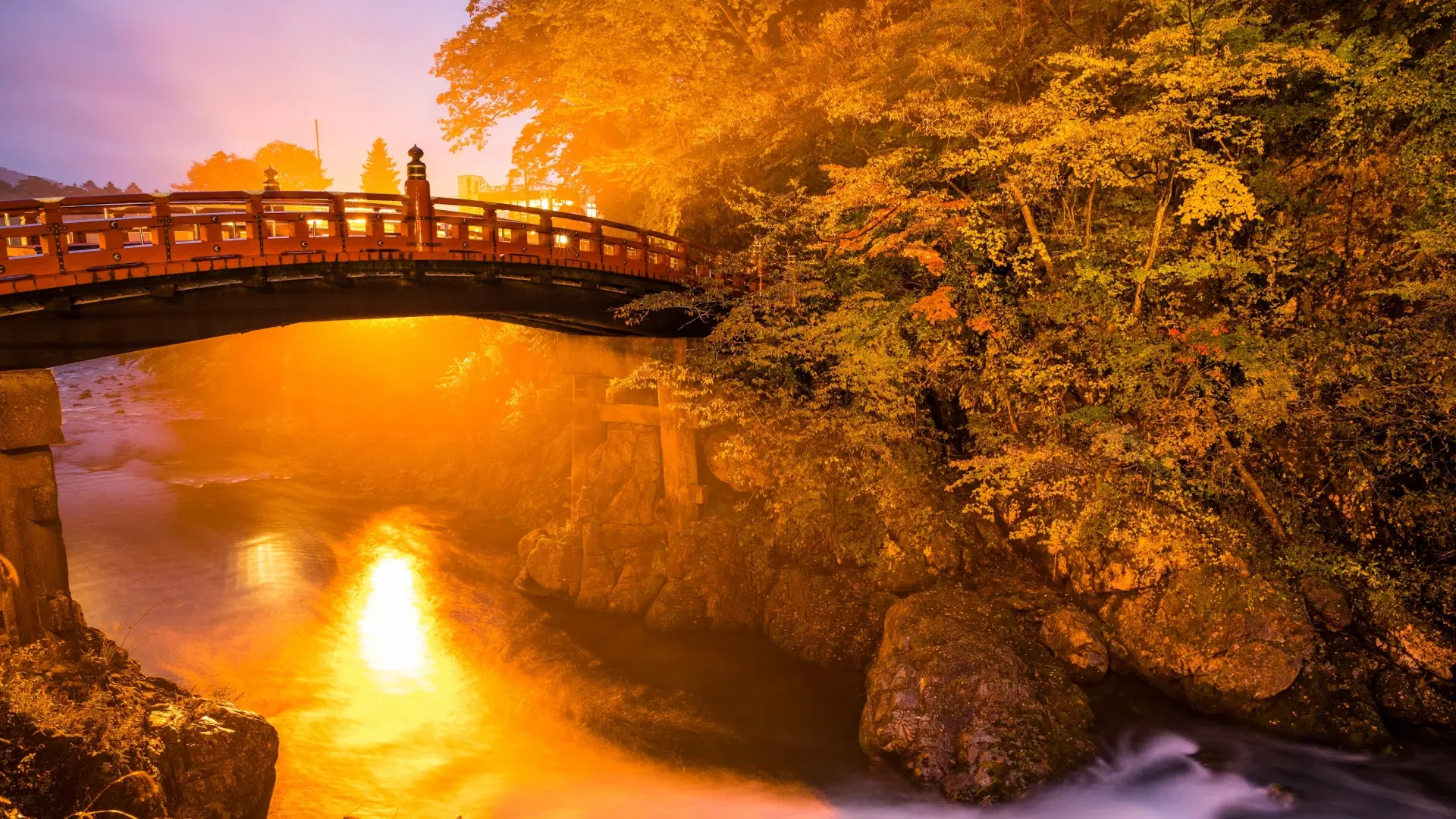
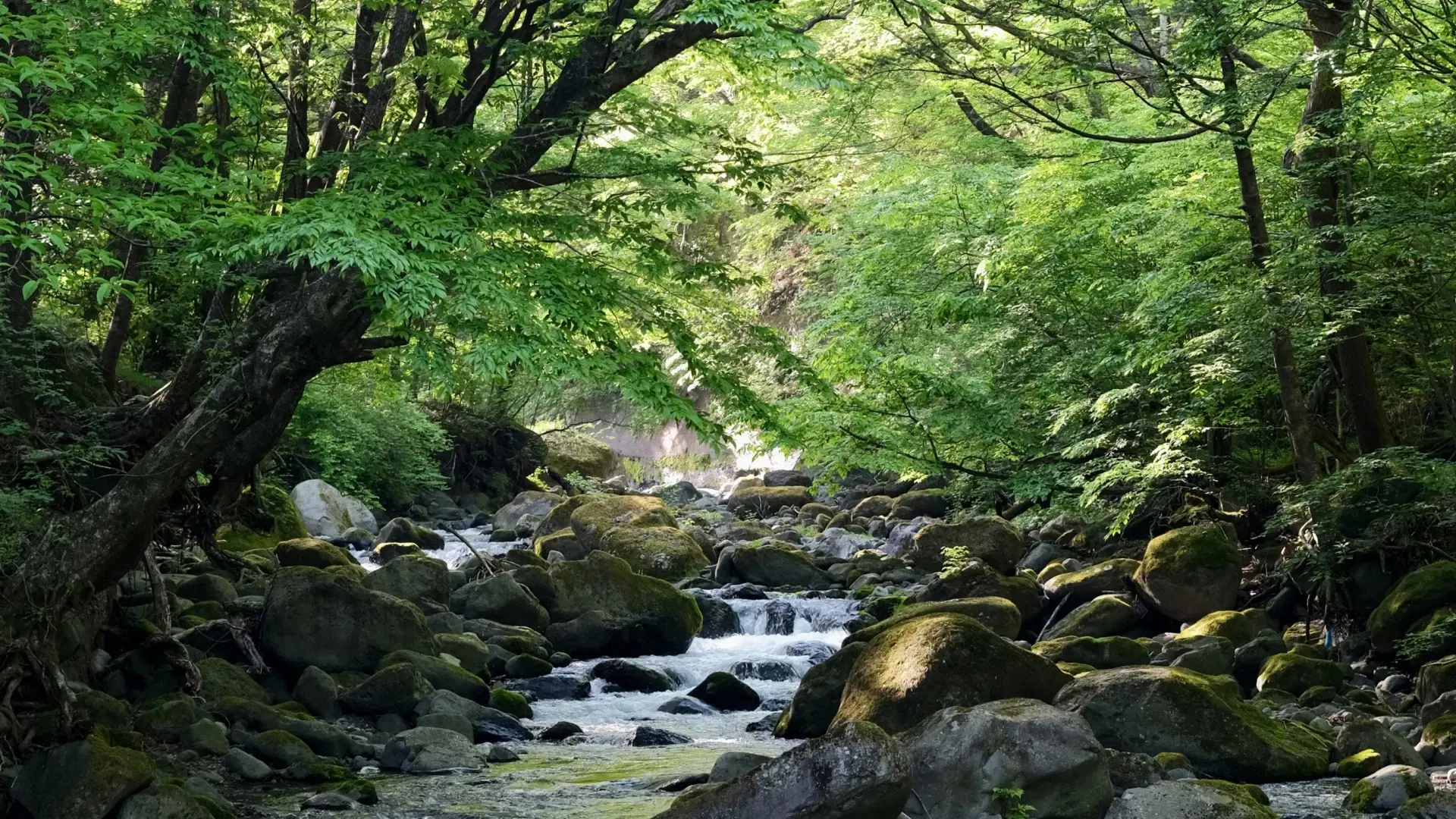
The Kinugawa River carves through forested gorges before pooling into onsen towns where the steam rises year-round. Nasu Highland spreads across the northern reaches, an elevated plateau of dairy farms, art museums, and imperial villa grounds where the air tastes different. In autumn, the slopes of Mount Nasu and the shores of Lake Chuzenji ignite with color so vivid it seems painted rather than grown. Kegon Falls, plunging 97 meters beside that lake, adds a percussive grandeur to the scene.
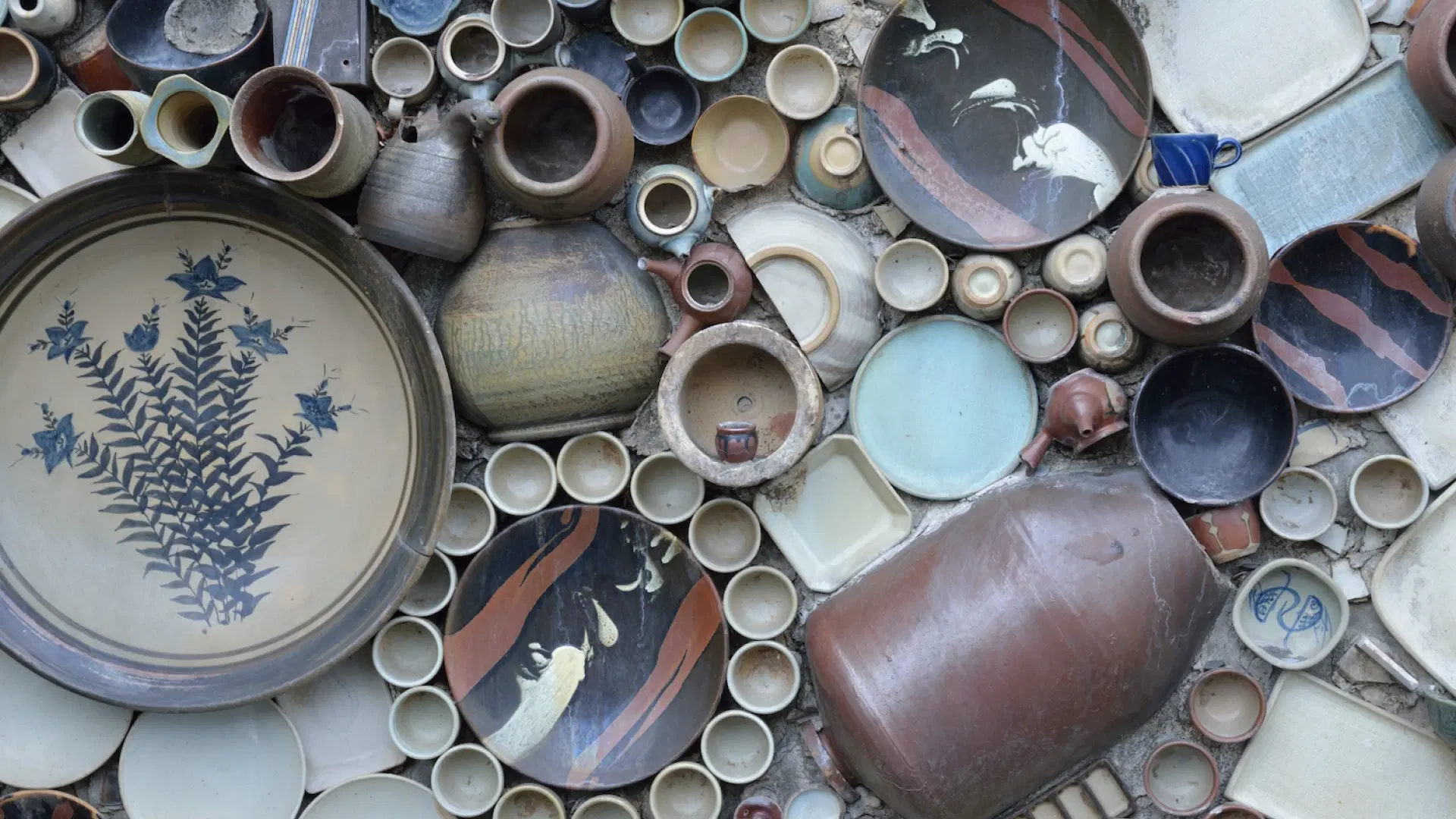
Further south, Ashikaga preserves one of Japan's oldest schools, the Ashikaga Gakko, founded in the ninth century. Its neighboring flower park has become a modern pilgrimage site in its own right, where a 150-year-old great wisteria tree drapes the night sky in purple cascades each spring. Tochigi is a prefecture of layers: Edo-period opulence, volcanic hot springs, alpine meadows, and artisan traditions that continue without fanfare in towns like Mashiko, where potters have shaped the earth for generations.
Tochigi is where the Kanto plain surrenders to the mountains, and the sacred and the spectacular converge.
Cultural Identity
Nikko's Toshogu shrine defines Tochigi's cultural silhouette. Completed in 1636 as the mausoleum of Tokugawa Ieyasu, its 5,173 carvings, gold leaf, and lacquerwork represent the pinnacle of Edo-period decorative arts. The famous "see no evil, speak no evil, hear no evil" carving resides here, along with the sleeping cat attributed to master sculptor Hidari Jingoro. Beyond Nikko, the town of Mashiko sustains one of Japan's most respected pottery traditions, elevated to international fame by Hamada Shoji, a Living National Treasure. The Ashikaga Gakko, recognized as Japan's oldest academic institution, once educated samurai in Confucian classics and has been carefully restored to its original form.
Culinary Traditions
Yuba, the delicate skin that forms atop heated soymilk, is Tochigi's most refined offering. In Nikko, yuba has been prepared for centuries to serve the vegetarian needs of Buddhist temples, and today it appears in every form: fresh, dried, wrapped, and layered into kaiseki courses of extraordinary subtlety. Sano ramen, with its clear soy-based broth and hand-kneaded bamboo-textured noodles, has earned a devoted following. Utsunomiya stakes a serious claim as Japan's gyoza capital, with over 200 shops serving pan-fried dumplings stuffed with local vegetables and pork. Tochigi strawberries, especially the Tochiotome and newer Tochiaika varieties, are considered among the finest in the country, their sweetness a product of cold nights and careful cultivation.
Waters & Onsen
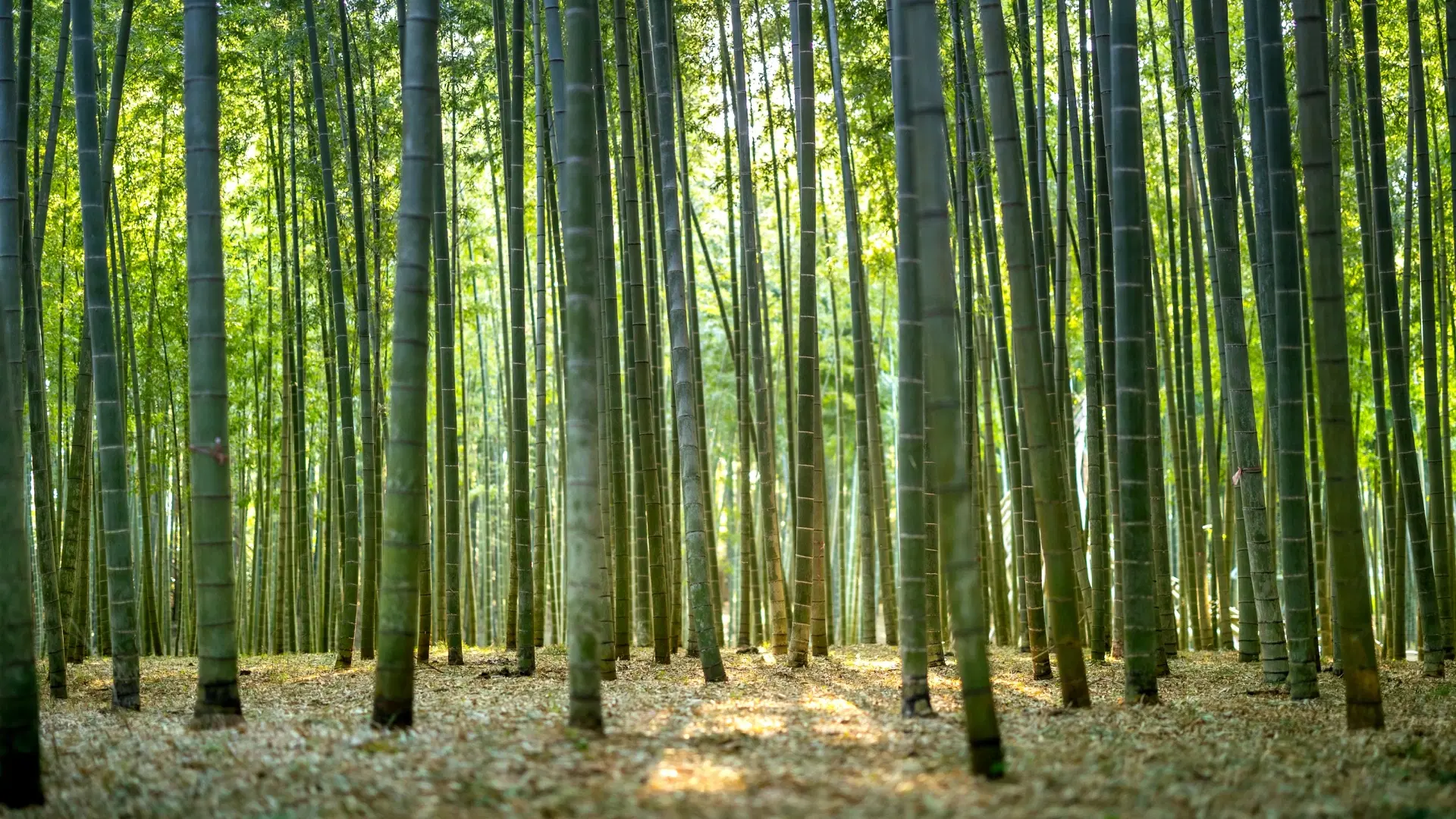
Kinugawa Onsen, set along the river gorge northwest of Nikko, has been a major hot spring resort since the Edo period, its alkaline waters drawing visitors who combine shrine pilgrimages with soaking. Nasu Onsen, scattered across the highland at the foot of the active Mount Chausu, offers sulfuric waters in a landscape of volcanic steam vents and rustling bamboo grass. Shiobara Onsen, hidden in a narrow valley, features eleven distinct spring sources with temperatures and mineral compositions that vary from bath to bath. The deer's bath at Shika no Yu, a free riverside rotenburo, captures the rustic intimacy that defines Tochigi's relationship with its thermal waters.