Saitama
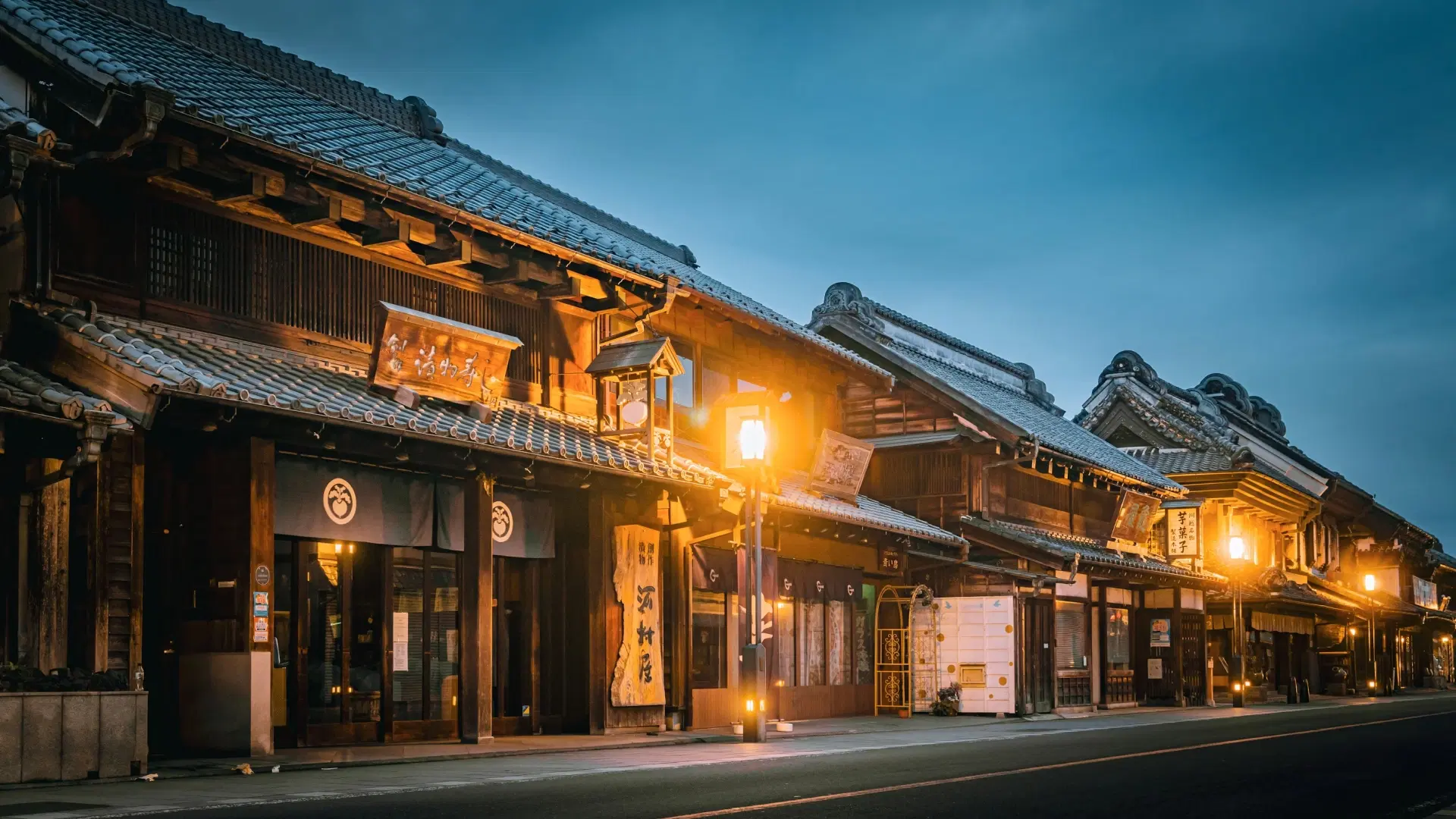
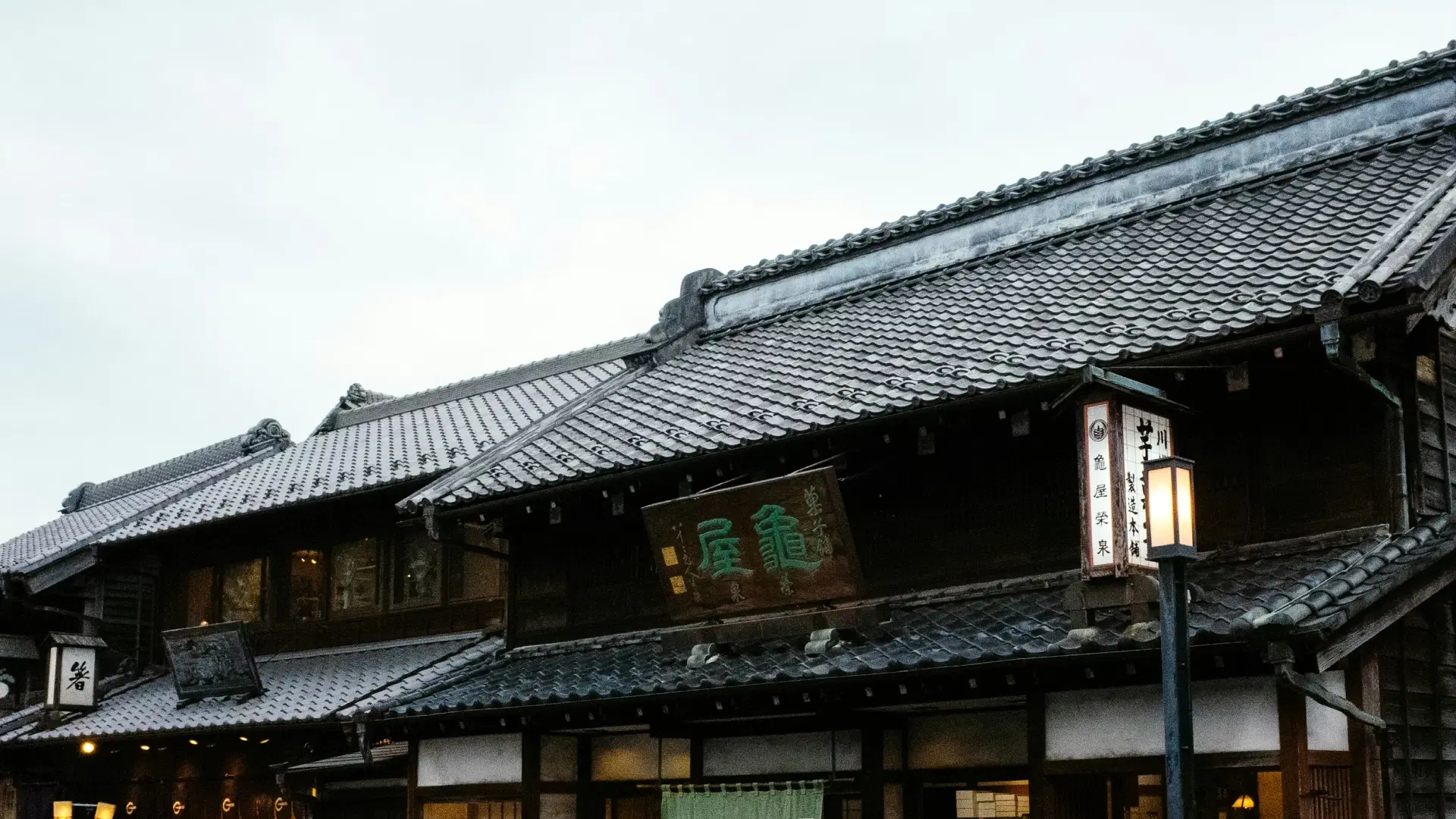
埼玉県Saitama occupies the quiet space between Tokyo's northern edge and the mountain wall that divides the Kanto plain from central Honshu. It is a prefecture that many travelers pass through without stopping, which is precisely why those who do stop are rewarded with discoveries that feel private, almost secret. Kawagoe, known as Little Edo, preserves a streetscape of kurazukuri merchant warehouses that survived the fires and earthquakes that leveled much of old Tokyo. Walking its main avenue on a weekday morning, when the light catches the dark clay walls, you understand why this town was once considered the commercial equal of the capital itself.
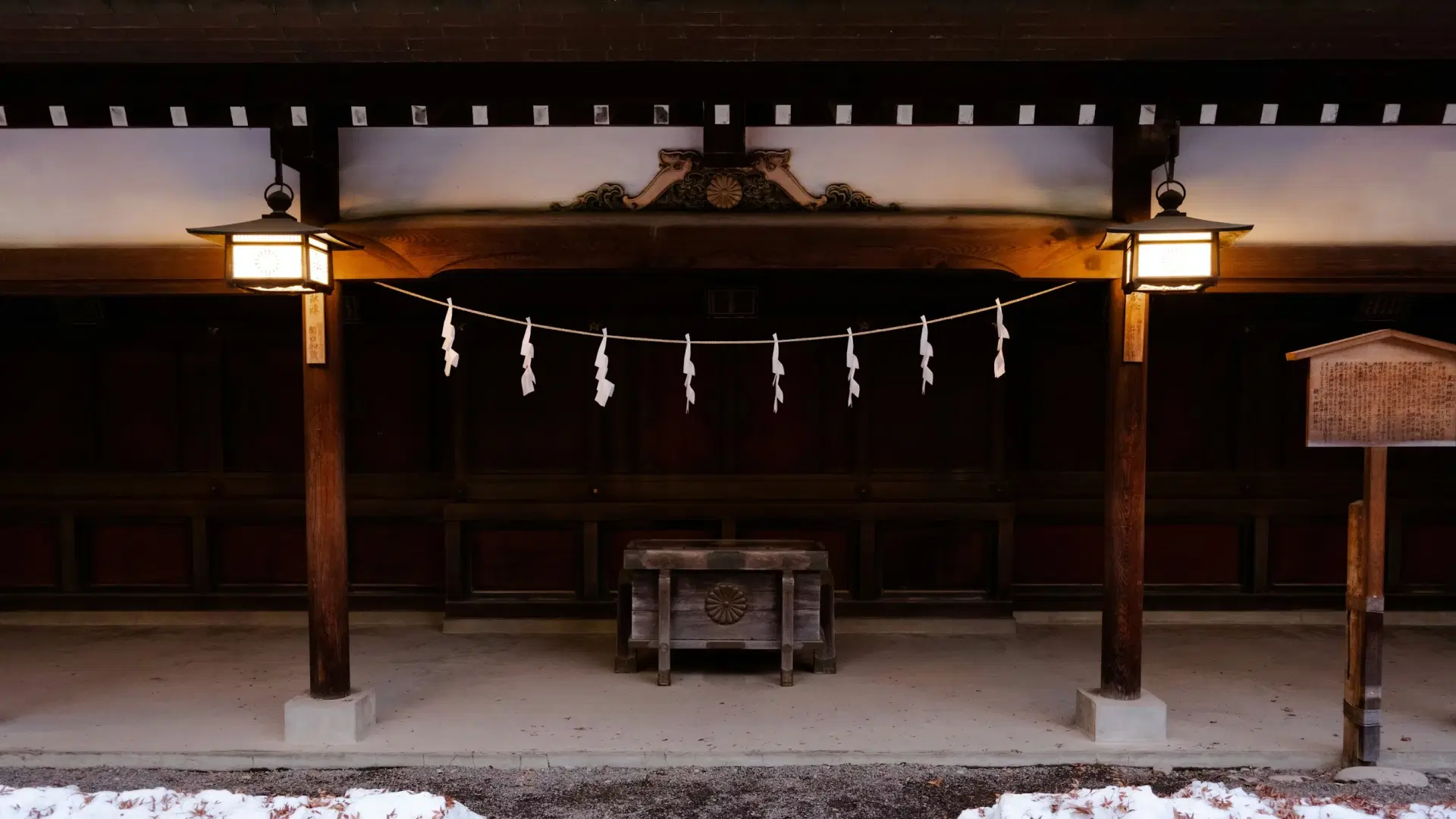
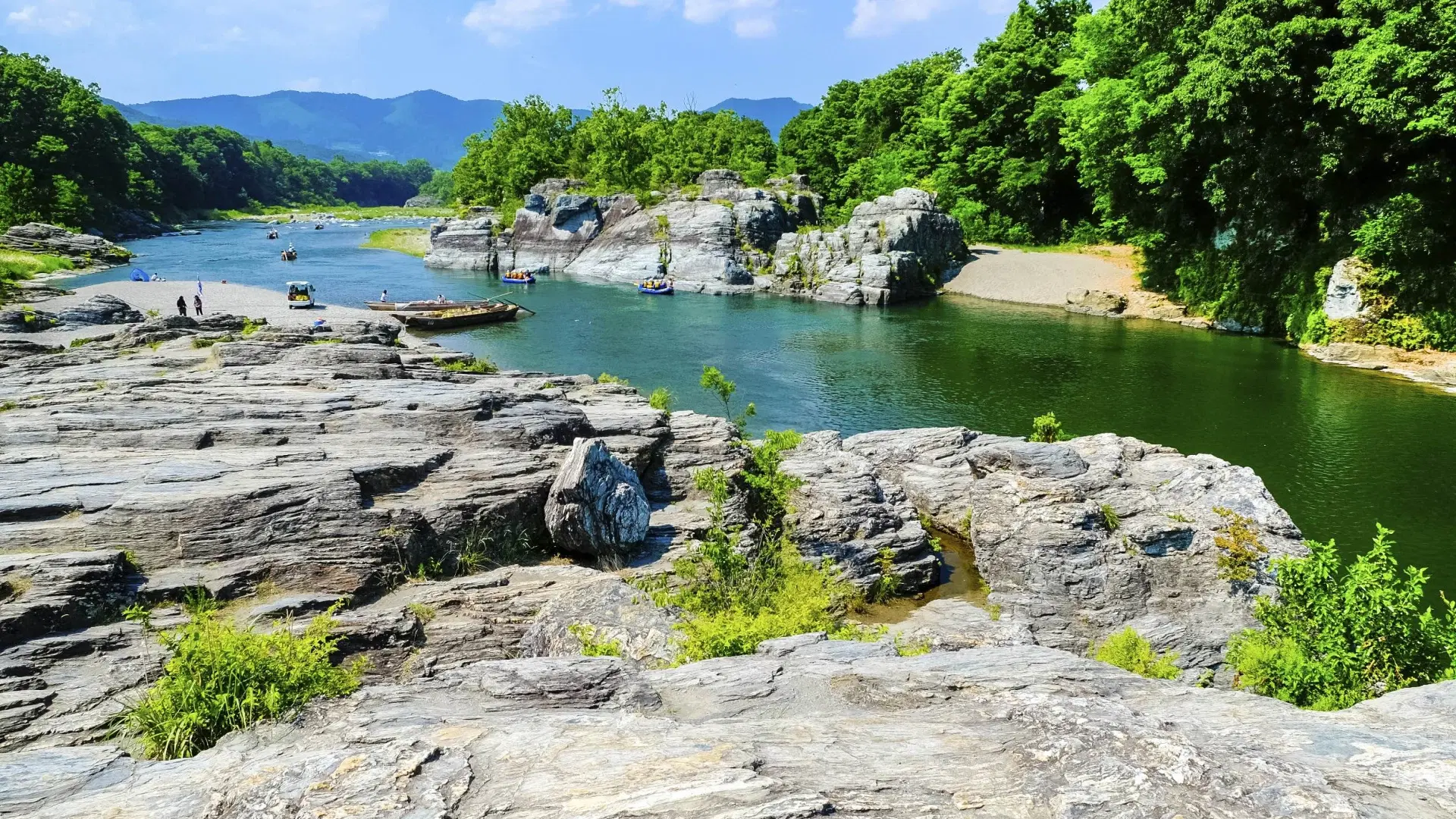
To the northwest, the Chichibu region unfolds into a landscape of forested valleys, limestone gorges, and Shinto shrines of genuine antiquity. The Chichibu Night Festival, one of Japan's three great float festivals, fills the December air with the sound of taiko drums and the glow of lantern-lit yatai floats. Nagatoro Gorge, where the Arakawa River has carved through layers of crystalline schist over millennia, offers boat rides between walls of stone that geologists regard as an open textbook of the earth's history.
In winter, the ice pillars of Ashigakubo glitter in artificial illumination, a spectacle born of the same cold air that once froze the region's rivers solid. Saitama's silk heritage, part of a broader Kanto sericulture corridor, is preserved in the Chichibu Meisen textile tradition, where bold geometric patterns woven on backstrap looms continue to find admirers among contemporary designers.
Saitama occupies the quiet space between Tokyo's northern edge and the mountain wall that divides the Kanto plain from central Honshu.
Cultural Identity
Kawagoe's kurazukuri district, with its two-story clay-walled warehouses dating to the Meiji era, is the most complete surviving example of Edo-period merchant architecture in the Kanto region. The Toki no Kane bell tower, rebuilt after fires but structurally faithful to its seventeenth-century predecessor, still rings four times daily over the tiled rooftops. Chichibu's 34-temple pilgrimage circuit, established in the Muromachi period, winds through mountain valleys where stone Buddhist statues stand weathered by centuries of rain. The Chichibu Meisen silk tradition, once one of Japan's most prolific textile industries, produced bold, ikat-dyed fabrics that were considered the everyday luxury of Taisho and early Showa-era Japan. Several workshops still operate, offering visitors the rare chance to see this nearly vanished craft in practice.
Culinary Traditions
Saitama's culinary identity is subtle but distinct. Kawagoe is known as the sweet potato capital of Japan, and its imo confections, from silky imo yokan to crispy imo chips and soft imo ice cream, have been a draw since the Edo period when boats carried the harvest down to the capital. Chichibu buckwheat, grown in the mineral-rich mountain soil, produces soba of a particularly nutty, robust character, best eaten cold with a simple dipping sauce. Fukaya, in the northern plains, is Japan's largest producer of negi (long green onions), and the local variety, known for its exceptional sweetness when grilled, has earned a reputation that extends well beyond the prefecture. Nagatoro's river fish, especially sweetfish grilled over charcoal on bamboo skewers, epitomize the mountain river cuisine of inland Kanto.
Waters & Onsen
Saitama's onsen offerings are concentrated in the Chichibu mountains, where the geological complexity of the region produces springs of varied mineral character. Chichibu Onsen draws sodium chloride waters that warm the body deeply, ideal after a day of hiking the surrounding trails. Yokoze and Ogano offer smaller, family-run onsen inns where the pace slows to something approaching rural Tohoku. Nagurizawa Onsen, in the Hanno hills closer to Tokyo, provides an accessible retreat with alkaline springs set in dense forest. While Saitama will never rival its western neighbors in thermal abundance, its springs carry the advantage of proximity to the capital, offering a genuine onsen experience within an hour of Ikebukuro station.