Kawagoe Festival
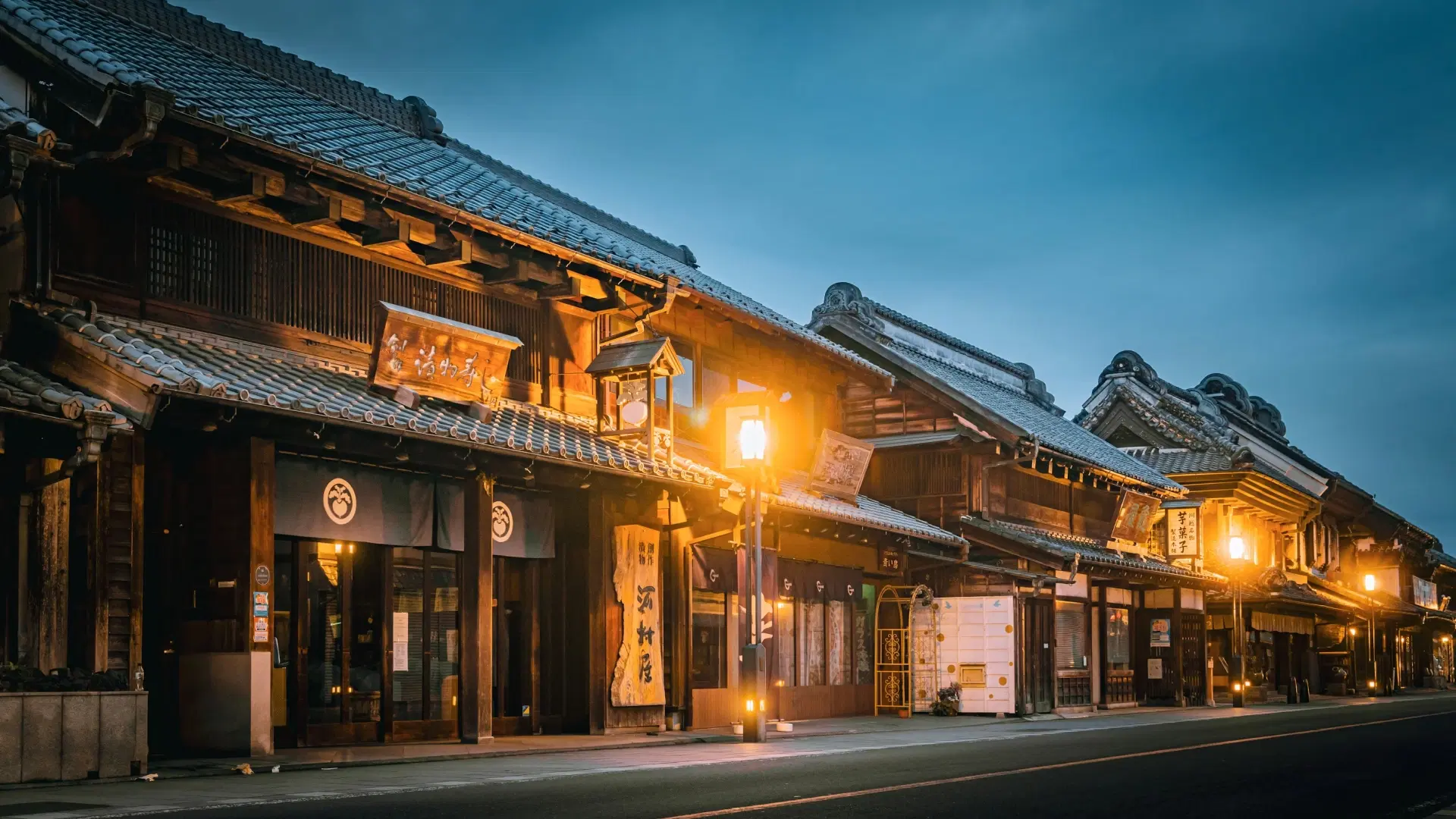
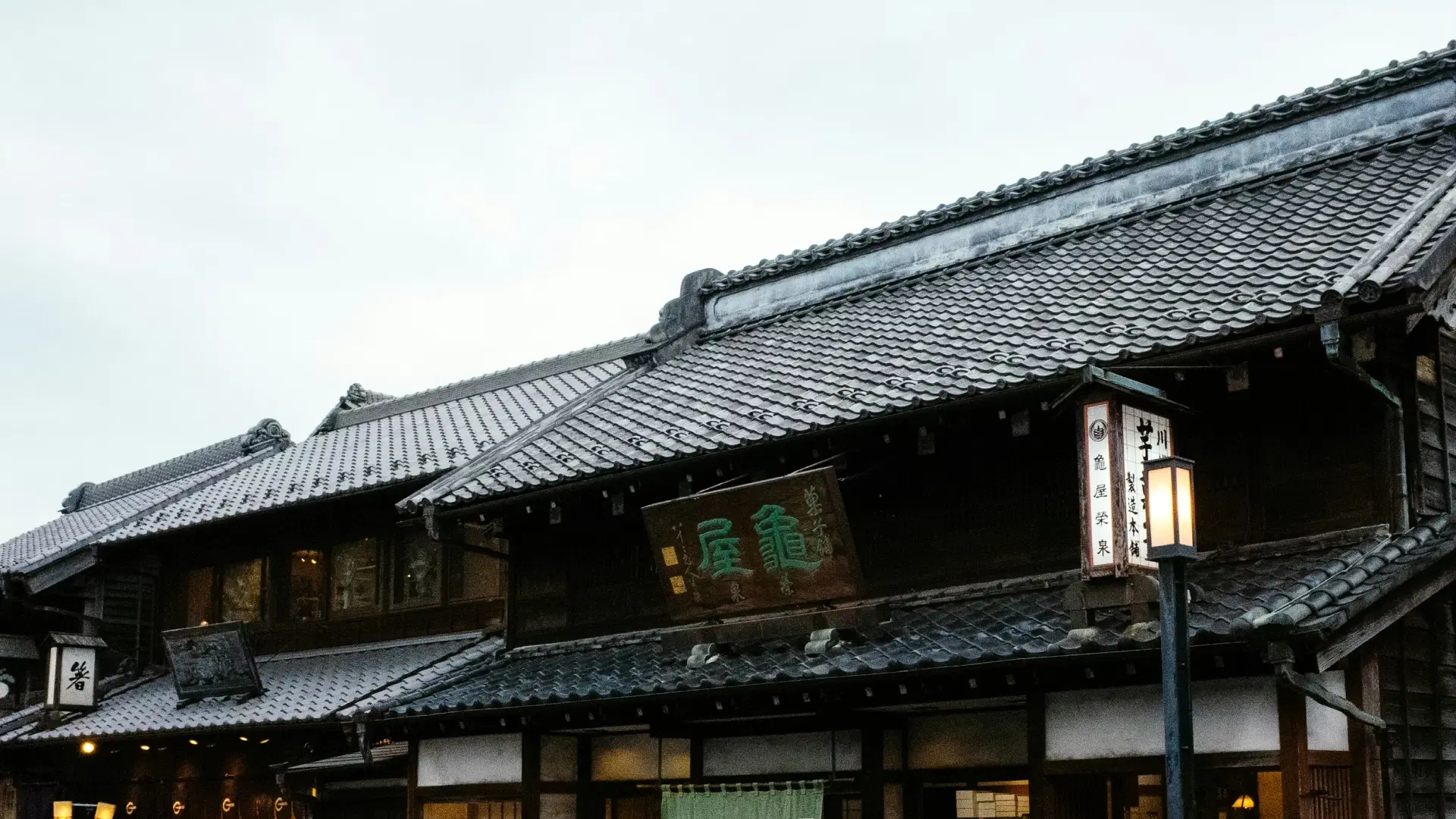
川越まつりThe Kawagoe Festival is a spectacle of Edo-period urban culture preserved in a city whose historic warehouse district has earned it the nickname "Little Edo," a two-day celebration in which elaborately decorated floats carrying towering mechanical dolls are paraded through streets lined with the dark, fireproof kurazukuri merchant warehouses that give Kawagoe its distinctive historical character. The festival's visual power derives from the dialogue between the floats' ornate, colorful surfaces and the severe, monochromatic architecture that forms their backdrop, the exuberance of festival decoration set against the discipline of merchant prosperity.
Each of Kawagoe's participating neighborhoods fields a float topped by a ningyo, a large mechanical doll representing a historical or mythological figure. These dolls, some dating to the nineteenth century, can extend to heights of eight meters above street level, their detailed costumes and articulated movements creating the impression of giant figures processing through the town. The floats themselves are decorated with carved panels, lacquered surfaces, and textile hangings that represent the commissioning neighborhood's wealth and artistic taste.
The festival's most celebrated element is the hikkawase, the confrontation between floats that occurs when two meet at an intersection. Rather than yielding the right of way, the floats face each other while their accompanying musicians and dancers perform with intensifying energy, each group trying to overwhelm the other with the fervor and skill of their performance. These musical battles, which can last twenty minutes or more, are the moments when the festival's competitive spirit fully ignites, the spectators surrounding the confrontation adding their voices to the escalating volume.
History & Significance
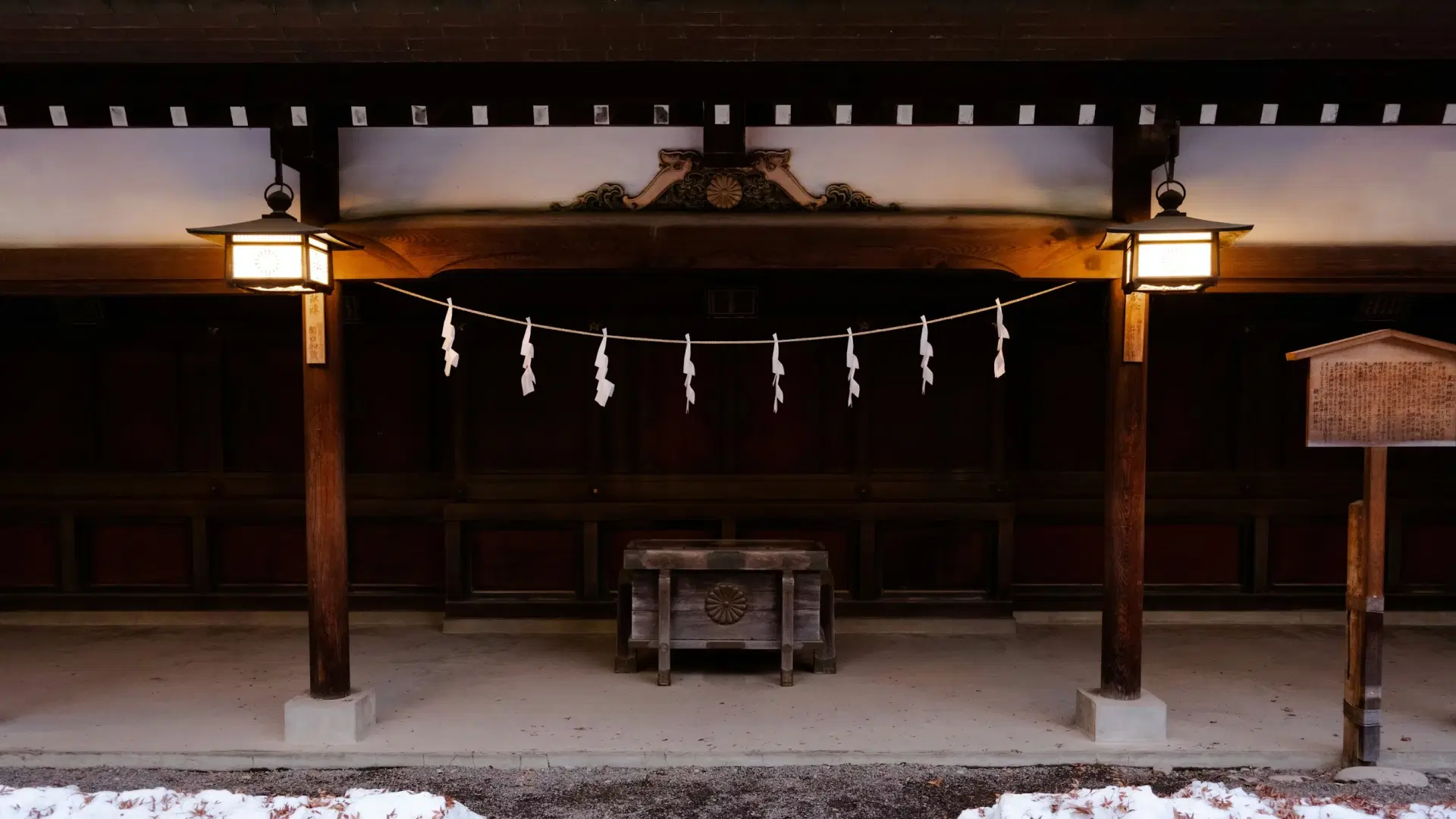
The Kawagoe Festival originated in 1648, when the lord of Kawagoe Castle, Matsudaira Nobutsuna, donated a mikoshi and festival instruments to the local Hikawa Shrine, establishing a procession that would evolve over the following centuries into the float festival known today. Kawagoe's prosperity as a commercial center supplying Edo with goods via the Shingashi River provided the wealth necessary to construct and maintain the elaborate floats, each one representing a substantial community investment sustained across generations.
The festival's float tradition drew directly from the Edo Tenka Matsuri, the great procession of the Tokugawa capital, and Kawagoe's version preserves elements of that metropolitan tradition that Tokyo's own festivals lost during the modernization and destruction of the twentieth century. This historical irony, that "Little Edo" now preserves aspects of Edo festival culture that Edo itself no longer maintains, gives the Kawagoe Festival a significance that extends beyond local celebration into the realm of cultural conservation. The festival was designated a UNESCO Intangible Cultural Heritage in 2016, recognition of its role in maintaining float festival traditions that represent a broader Japanese cultural achievement.
What to Expect
The daytime procession allows detailed appreciation of the floats' construction and decoration. The mechanical dolls, operated by hidden mechanisms and the skill of their attendants, move with surprising grace, their heads turning, their arms rising, their elaborate costumes catching the October sunlight. The procession passes through the kurazukuri warehouse district, where the dark-walled merchant buildings provide a severe but handsome backdrop that heightens the floats' decorative impact. The sound environment is rich: festival music performed on fue flutes, taiko drums, and kane bells accompanies each float, the different neighborhoods' musical traditions creating a shifting acoustic landscape as the procession moves.
The evening transformation mirrors the Chichibu Night Festival's shift from daylight to darkness, though Kawagoe's character is more urbane than visceral. Lanterns illuminate the floats with warm light, and the kurazukuri buildings' dark walls recede into the night, leaving the glowing floats as floating islands of color and light in the darkened streets. The hikkawase confrontations reach their peak intensity after dark, the competing musical groups performing by lantern light with an energy amplified by the crowd's enthusiasm and the atmospheric electricity that darkness and firelight generate.
The festival's food culture draws on Kawagoe's culinary identity. The city is famous for its sweet potatoes, and imo-related treats including sweet potato chips, candied imo, and soft-serve ice cream appear alongside traditional festival fare. The sweet potato beer brewed by local craft breweries provides an unexpected but fitting accompaniment to the evening's spectacle.