Saitama City
さいたま市Saitama City is the prefectural capital, a sprawling urban center of 1.3 million that occupies the heart of the northern Kanto plain. Its formation in 2001 from the merger of Urawa, Omiya, Yono, and Iwatsuki created a city that is administratively unified but culturally diverse, each former city contributing its own character to the whole. For the traveler, Saitama City's primary draw is concentrated in Omiya, where the Bonsai Village has been cultivating miniature trees with a devotion that borders on the monastic since the 1920s.
The Omiya Bonsai Village was established after the 1923 Great Kanto Earthquake, when Tokyo's bonsai masters, displaced from their nurseries, sought the cleaner air and open space of what was then rural Omiya. They brought their trees, some already centuries old, and created a community dedicated to the art that now includes several master nurseries, a world-class museum, and a tranquility that feels improbable given the city's size and proximity to Tokyo. Walking the village's lanes, past gardens where black pines shaped over generations stand in ceramic pots against gravel courtyards, is to enter a microclimate of patience.
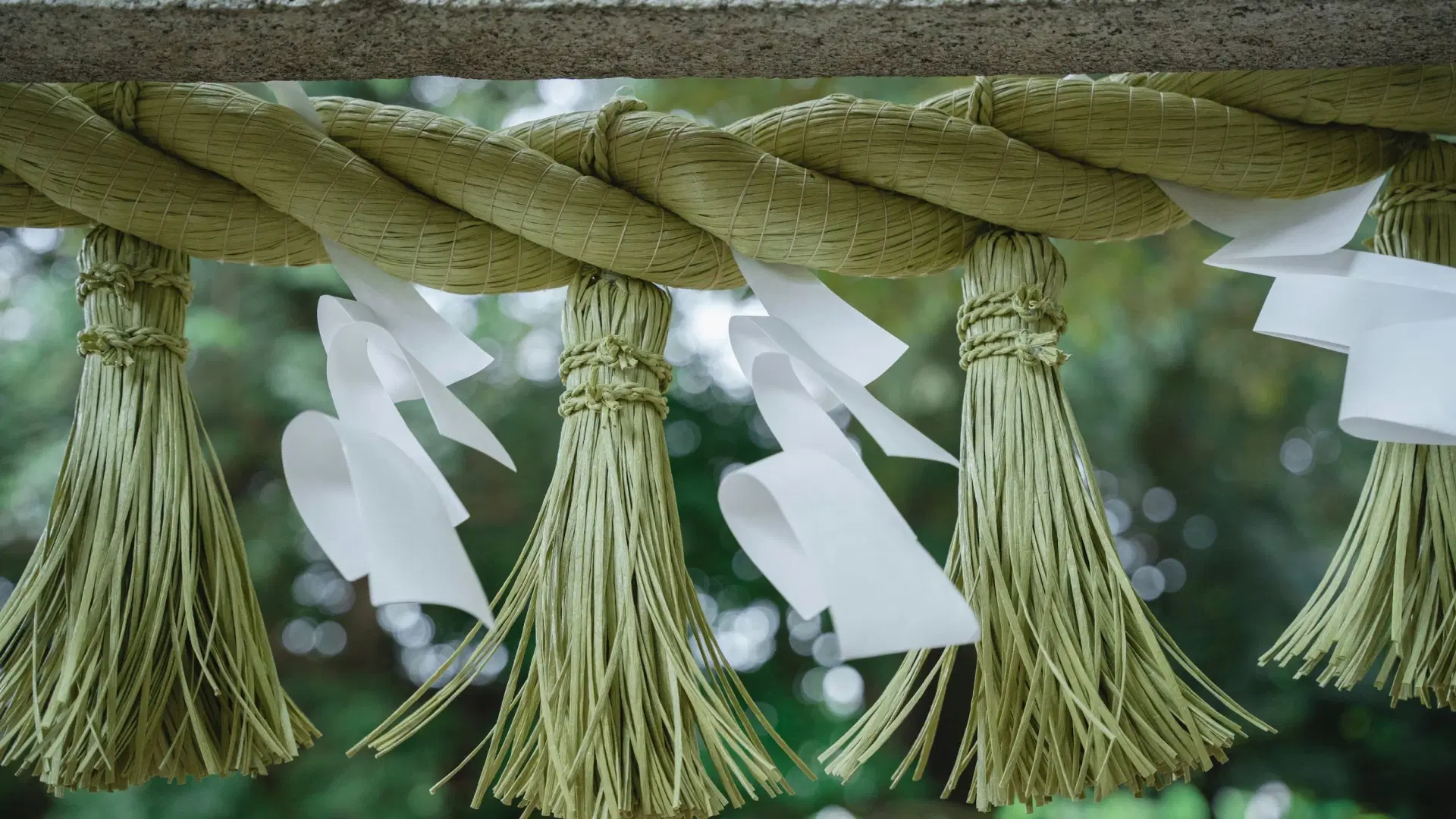
Omiya also anchors its identity in the Hikawa Shrine, one of the oldest and most significant Shinto shrines in the Kanto region, whose two-kilometer tree-lined approach from the station creates a ceremonial axis through the modern city.
Saitama City is the prefectural capital, a sprawling urban center of 1.3 million that occupies the heart of the northern Kanto plain.
Highlights
The Omiya Bonsai Art Museum, opened in 2010, is the world's first public museum dedicated exclusively to bonsai. Its collection includes specimens designated as national treasures, some over five hundred years old, displayed in a setting that allows visitors to appreciate the trees from optimal viewing angles and in appropriate seasonal context. The museum rotates its displays to reflect the seasons, so a spring visit reveals different trees than an autumn one.
The surrounding Bonsai Village contains several private nurseries that welcome visitors. Each garden has its own character and specializations, from the classical formality of Mansei-en to the broader collection at Seiko-en. The experience of viewing trees that have been shaped by human hands over centuries, each one a collaboration between artist and organism that spans multiple generations, offers a meditation on time that few other art forms can match.
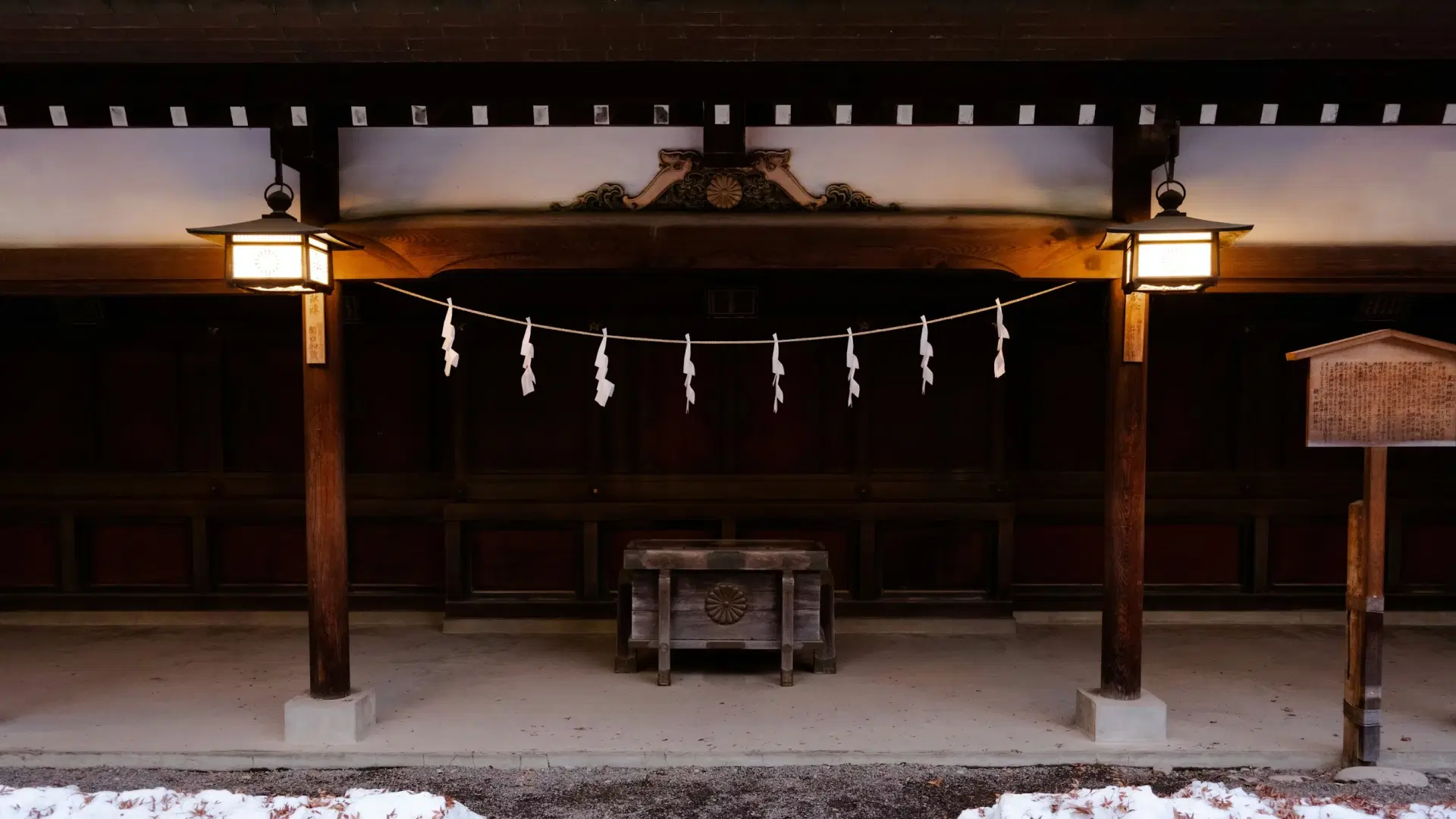
Hikawa Shrine, reached via Japan's longest tree-lined shrine approach at 2 kilometers, is dedicated to the deity Susanoo and has been a center of worship since the prehistoric Kofun period. The shrine's grounds include a sacred pond and a tranquil inner precinct that provides refuge from the surrounding city.
Culinary Scene
Saitama City's dining scene reflects its urban scale and its proximity to Tokyo. The area around Omiya Station offers a wide range of Japanese and international cuisine, from upscale sushi to casual izakaya. The local specialty is Urawa unagi, grilled eel prepared in the Kanto style, which draws on a tradition dating to the Edo period when the marshy lowlands around Urawa provided abundant wild eel. Several long-established unagi restaurants continue to operate in the former Urawa district.
The Bonsai Village area offers more modest fare, with tea houses and small restaurants serving wagashi, matcha, and light meals suited to a contemplative visit. Omiya's station district, particularly the eastern exit area, has developed a thriving ramen scene with several shops of regional reputation.
Ryokans in Saitama
There are no ryokans in our guide listed in Saitama City. See our selection across Saitama.
View ryokans in Saitama