Chiba
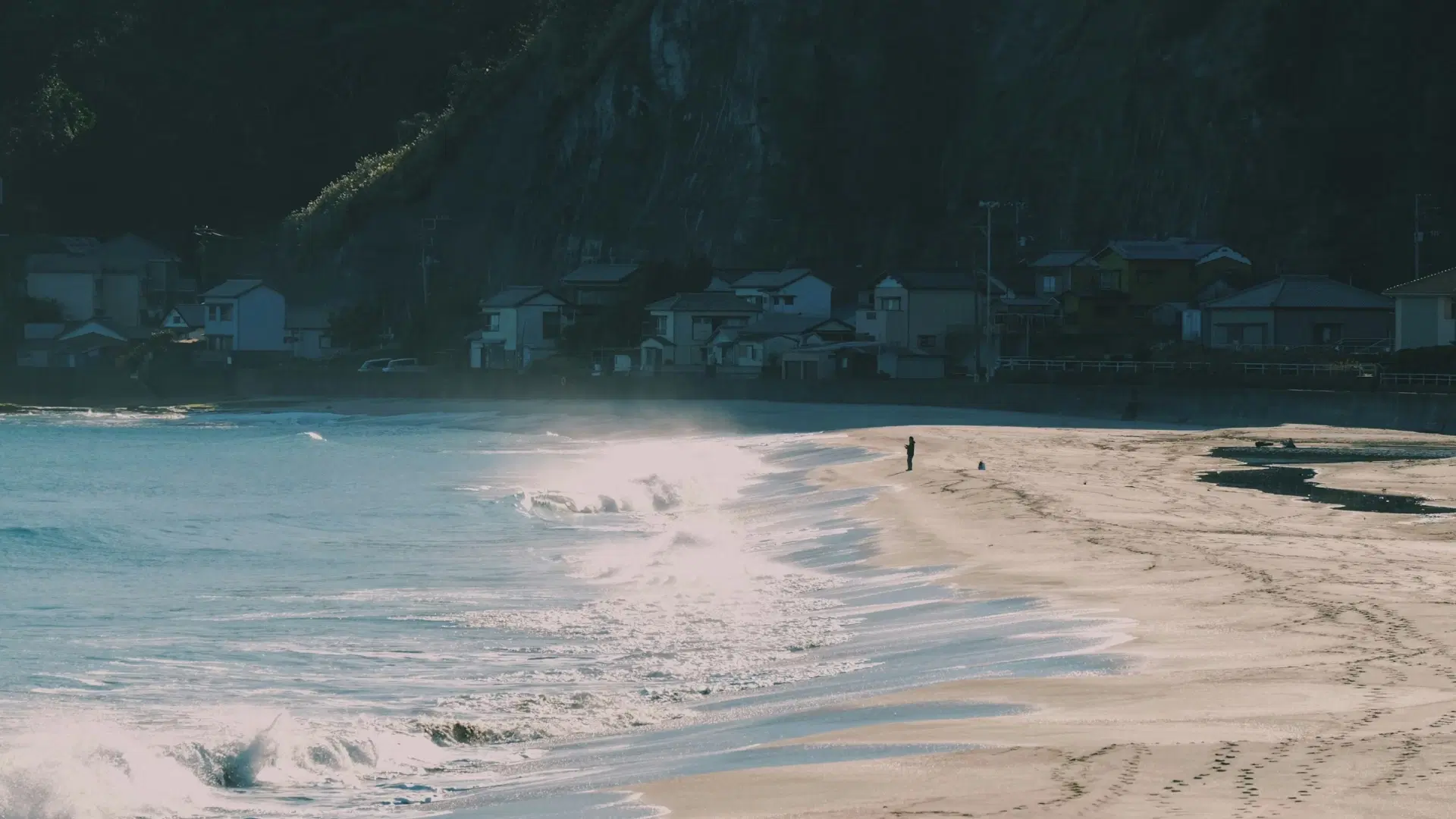
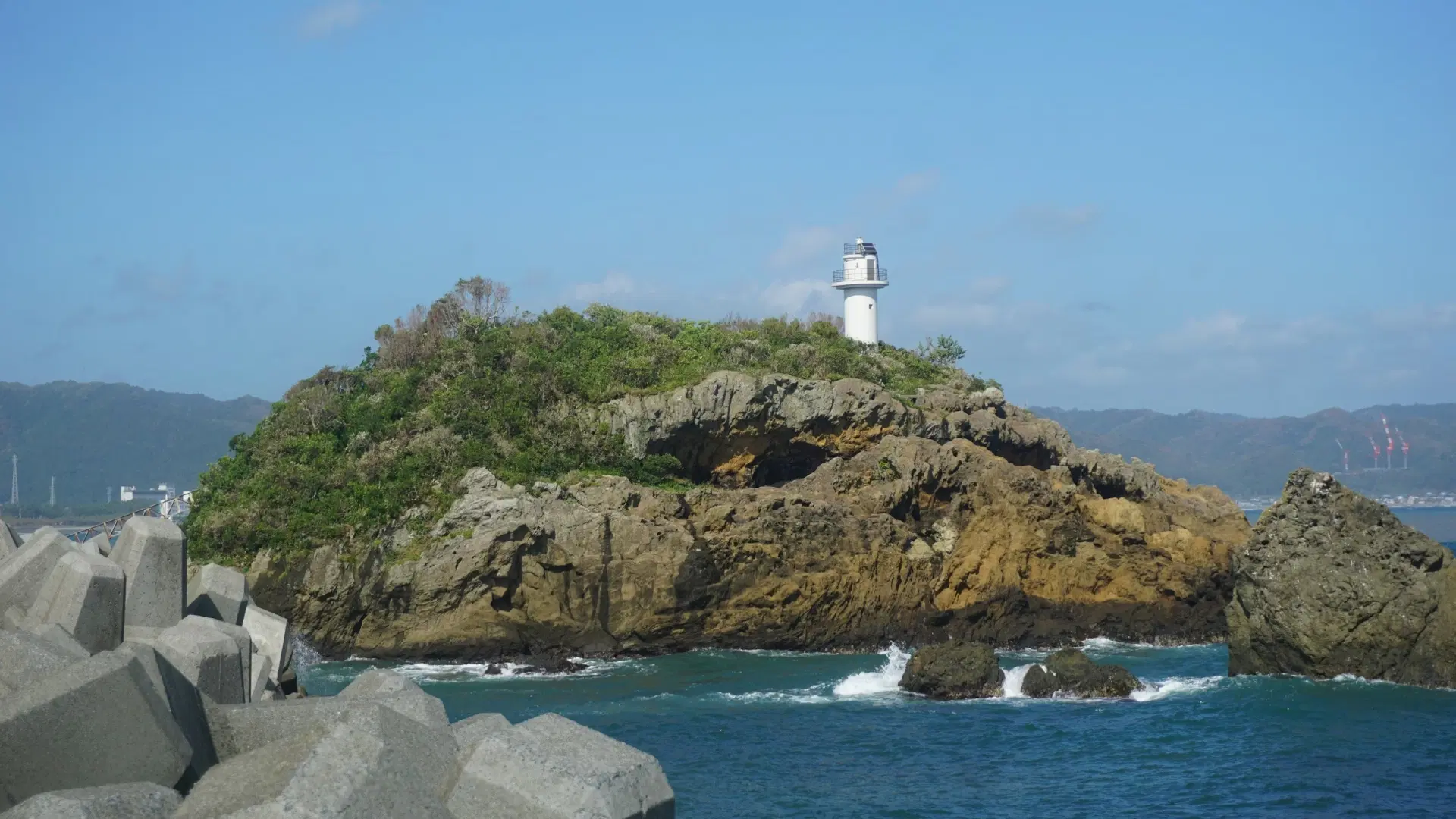
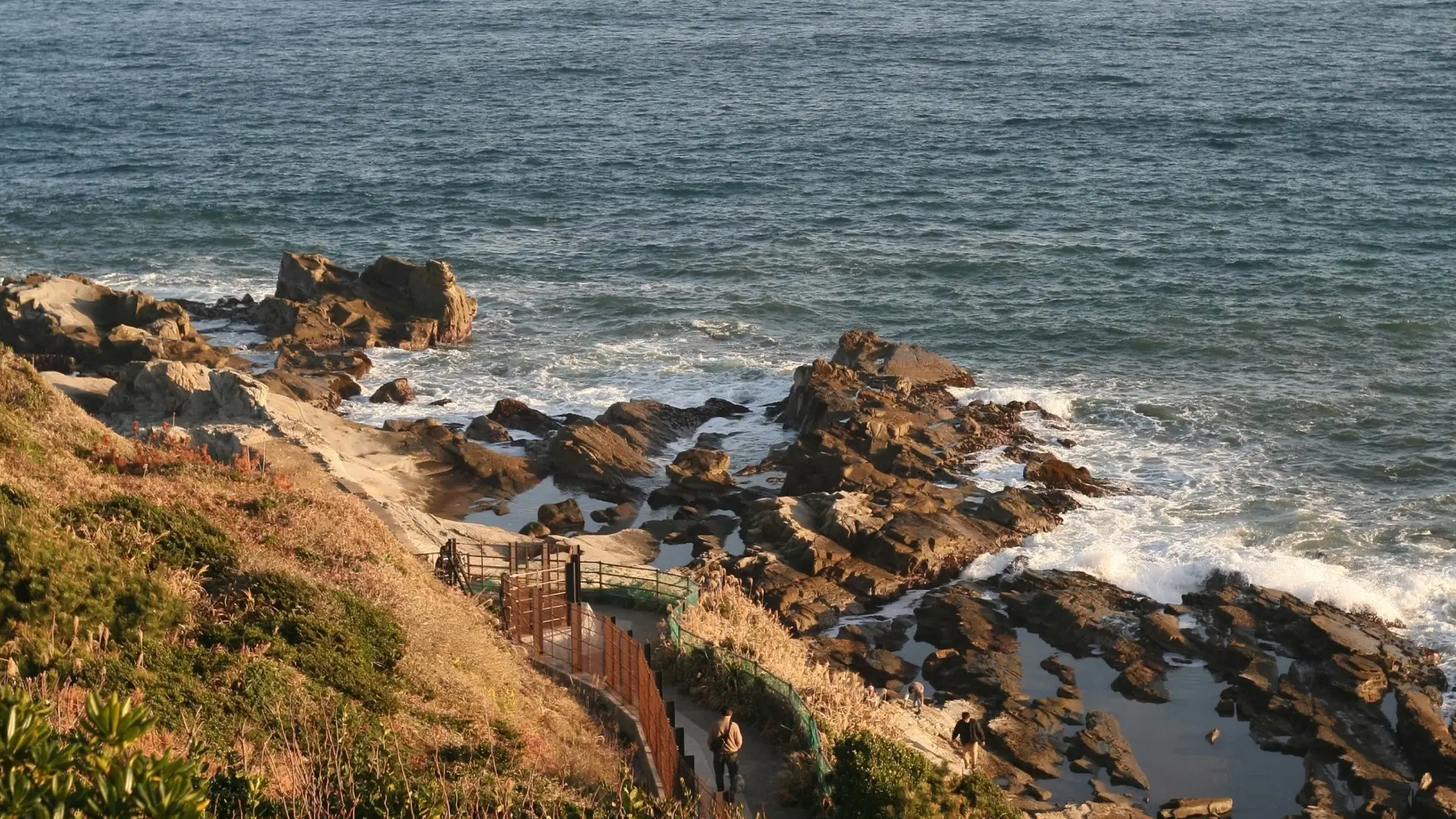
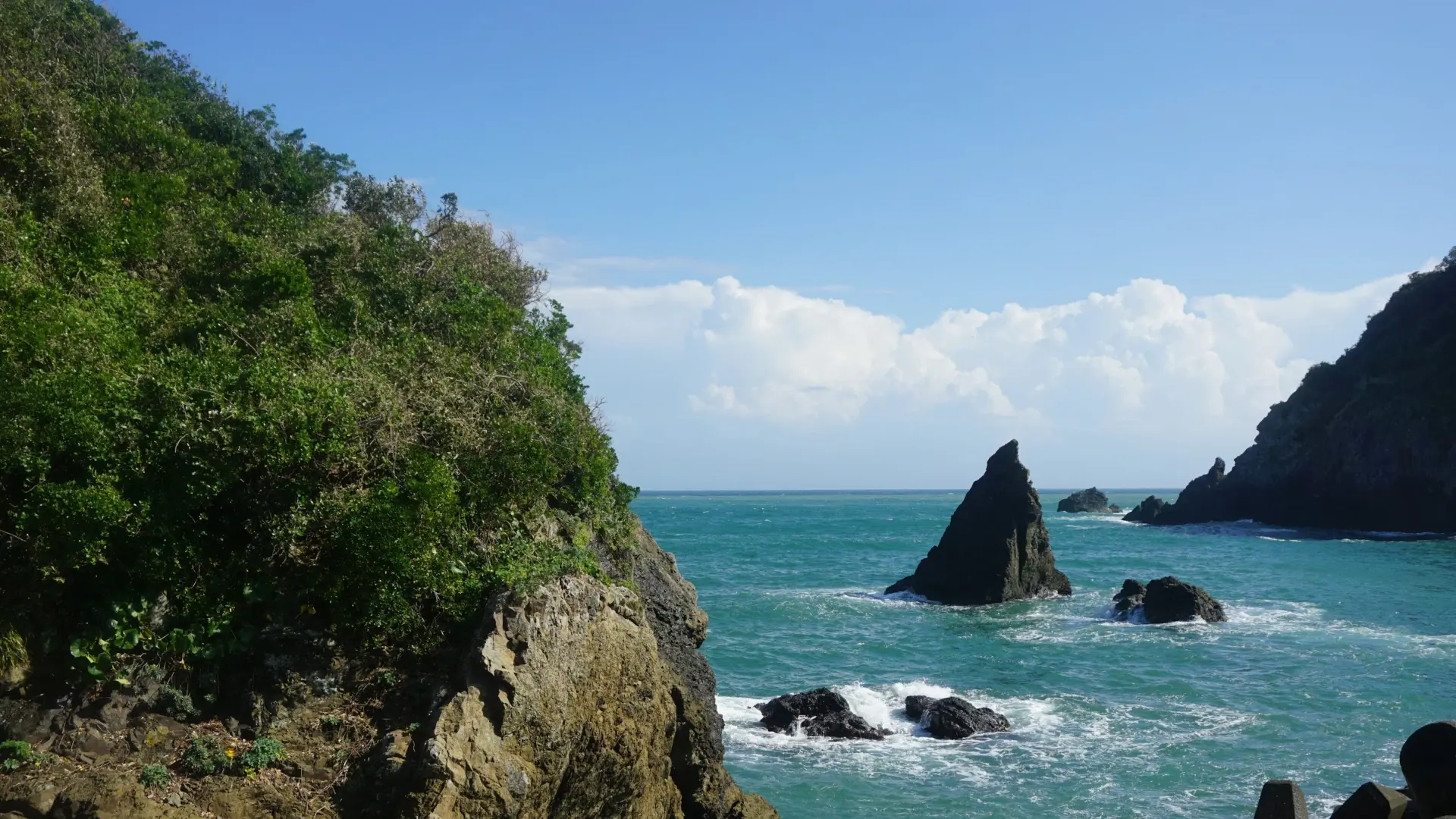
千葉県Chiba wraps around Tokyo Bay like a curved arm, its Boso Peninsula reaching south into the Pacific where the Black Current warms the coastline and the air carries a faint salinity even in winter. This is a prefecture defined by water. The Pacific coast from Katsuura to Kamogawa faces open ocean, drawing surfers, fishermen, and travelers who prefer the sound of waves to the hum of the Yamanote Line. The interior, by contrast, is a rolling landscape of rice paddies and bamboo groves that feels incongruously rural given its proximity to the capital.
Choshi, at the peninsula's eastern tip, has been Japan's soy sauce capital since the Edo period, when the Choshi and Noda breweries supplied the seasonings that defined Edo cuisine. The town's soy sauce heritage remains a living industry, not a museum piece, and the aroma of fermenting soybeans still drifts through the streets near the old breweries. Nokogiriyama, the "sawtooth mountain" quarried for its distinctive sandstone, offers carved cliff faces and the enormous Nihon-ji Great Buddha, at over 31 meters the largest stone-carved Buddha in Japan.
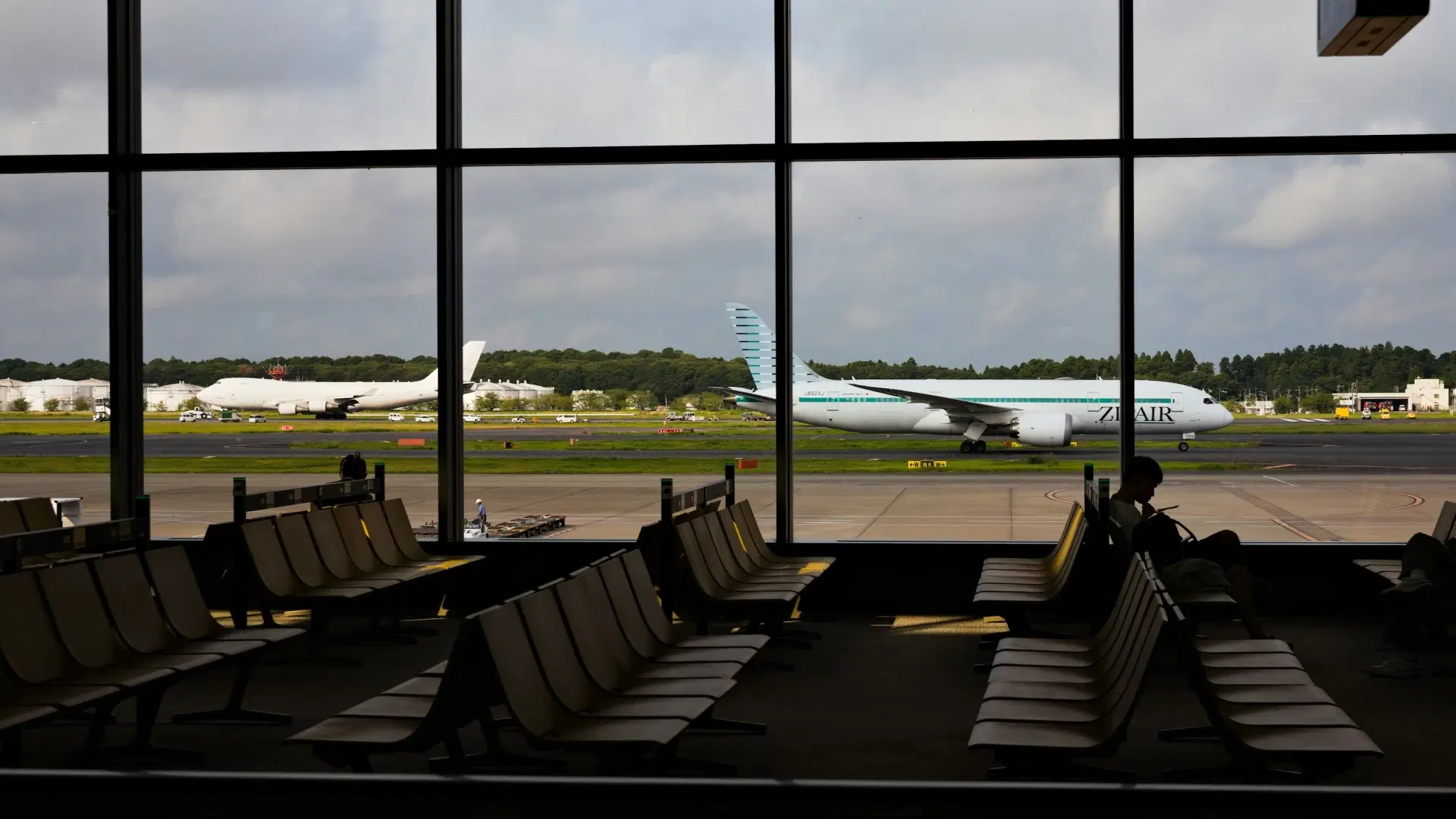
Narita, gateway to the world for most international travelers, conceals within its temple town the magnificent Shinsho-ji, a Shingon Buddhist temple founded over a thousand years ago whose main hall still conducts daily fire rituals. Most visitors hurry past to catch their flights. Those who linger discover a town that has been welcoming pilgrims far longer than it has been welcoming passengers.
Chiba wraps around Tokyo Bay like a curved arm, its Boso Peninsula reaching south into the Pacific where the Black Current warms the coastline and the air carries a faint salinity even in winter.
Cultural Identity
Naritasan Shinsho-ji temple, founded in 940 AD, is one of the great Shingon Buddhist complexes of eastern Japan. Its goma fire rituals, performed multiple times daily, draw devotees who believe in the power of Fudo Myoo, the fierce protective deity enshrined here. The temple's three-story pagoda and extensive gardens reveal layers of architecture spanning the Edo, Meiji, and modern eras. Chiba's maritime culture runs equally deep: the Awa Shrine on the southern peninsula preserves rituals connected to the sea that predate written records. The Boso region's fishing villages maintain bon dance traditions and matsuri that vary from cove to cove, each reflecting the particular relationship between a community and its stretch of ocean. Katori Shrine, one of the oldest in the Kanto region, enshrines the deity of martial arts and attracts practitioners from across Japan.
Culinary Traditions
The Pacific provides Chiba's table with extraordinary abundance. Katsuura's kinmedai (golden-eye snapper), hauled from deep waters offshore, is a fish of remarkable sweetness, served as sashimi, simmered in soy, or grilled with salt. Choshi's soy sauce, produced by historic breweries including Yamasa and Higeta, remains the foundation of much of Tokyo's culinary tradition. The Boso coast yields superb shellfish, from hamaguri clams to turban shells grilled in their own juices at roadside stands. Peanuts from Chiba account for roughly eighty percent of Japan's domestic production, and the local boiled peanuts, soft and saline, bear no resemblance to the roasted variety. Tateyama and Minamiboso produce early-season loquats and edible flowers that supply Tokyo's finest restaurants.
Waters & Onsen
Chiba's onsen culture is oceanic in character. Katsuura Onsen and Kamogawa Onsen offer sodium chloride springs within walking distance of the Pacific, where the bathing experience includes the distant sound of surf and the scent of sea air. Tateyama's coastal springs, warmed by the proximity of the Black Current, provide a distinctly southern atmosphere rare in the Kanto region. Yokoji Onsen, near the center of the peninsula, draws dark brown, iodine-rich water that locals prize for its warming properties. Inubo Onsen at Choshi sits at the peninsula's easternmost point, where bathers can watch the sunrise over the Pacific from outdoor tubs. These are not mountain springs; they are baths shaped by the ocean, carrying its minerals and its mood.