Choshi
銚子Choshi occupies the easternmost point of the Kanto region, a promontory where the Tone River empties into the Pacific and the Inubosaki lighthouse marks the spot where the first rays of the mainland's sunrise touch Japan. This geographic extremity has shaped Choshi's character in every dimension: its fishing fleet, one of the largest in the country, harvests the rich confluence of cold Oyashio and warm Kuroshio currents; its soy sauce industry, established in the Edo period, grew from the practical advantage of river transport to the capital and the humidity that favors fermentation.
The town's soy sauce heritage is not historical curiosity but living industry. Yamasa and Higeta, two of Japan's most important soy sauce producers, continue to operate breweries in Choshi that have been in production for centuries. The aroma of fermenting soybeans that drifts through the older neighborhoods is as characteristic of Choshi as the salt air from the Pacific. Factory tours reveal the patience of traditional brewing, where soy sauce ages in wooden casks for a year or more, developing the depth and complexity that industrial speed-brewing cannot achieve.
The Choshi Electric Railway, a charming single-car train that connects the fishing port to the lighthouse via a route through residential neighborhoods and rice fields, has become an attraction in its own right. The railway's creative survival strategies, including selling its own brand of senbei rice crackers to supplement fare revenue, have earned it a devoted following.
Choshi occupies the easternmost point of the Kanto region, a promontory where the Tone River empties into the Pacific and the Inubosaki lighthouse marks the spot where the first rays of the mainland's sunrise touch Japan.
Highlights
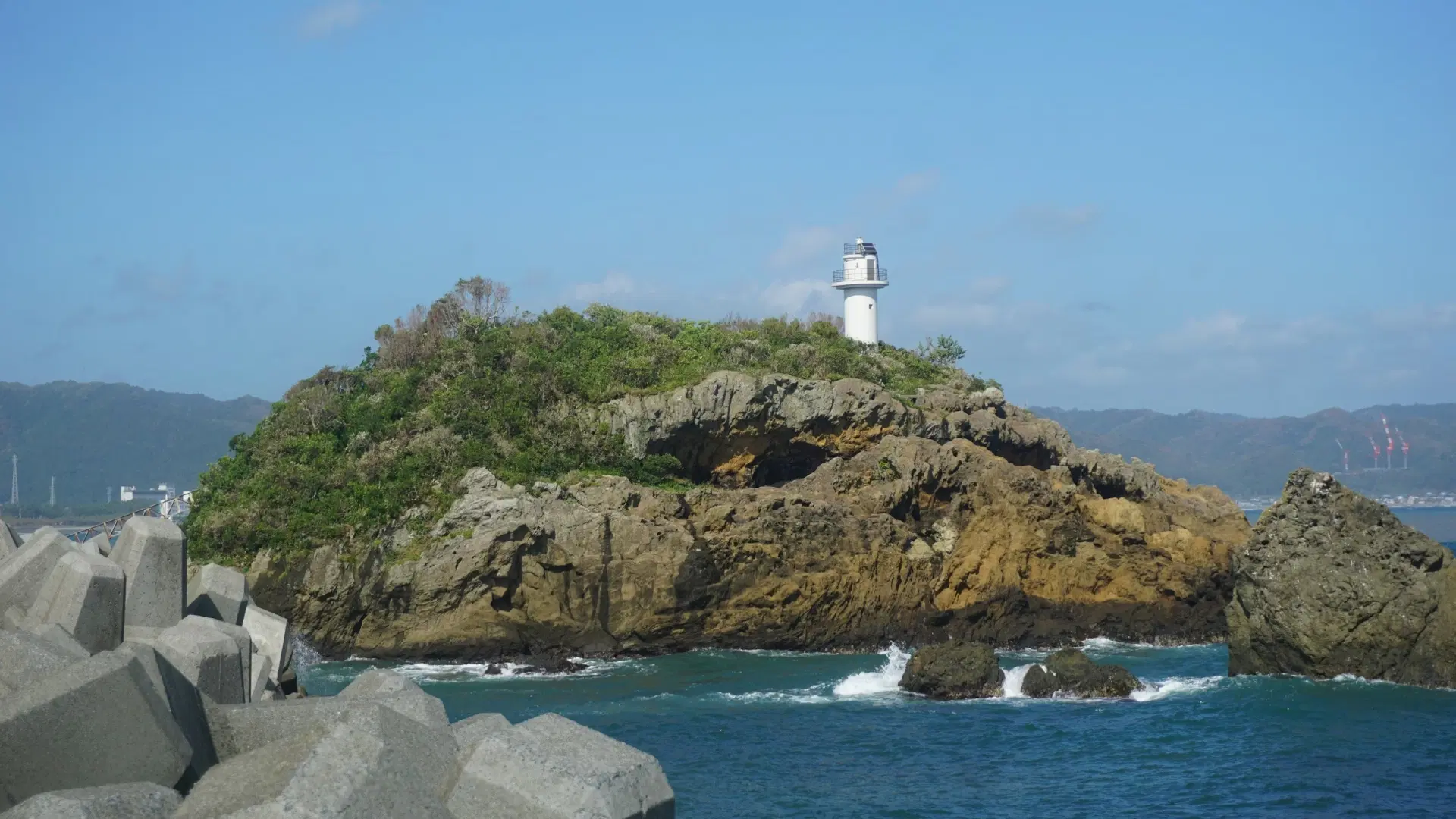
The Inubosaki lighthouse, standing at the peninsula's eastern tip, offers panoramic views of the Pacific that are particularly dramatic at dawn, when the sun rises directly from the ocean horizon. On New Year's morning, thousands gather here to witness the first sunrise of the year, a tradition that connects the geographic fact of being Japan's easternmost mainland point to the spiritual significance of hatsuhinode.
The Yamasa soy sauce factory tour provides insight into a production process that has changed less than you might expect. The wooden casks, the koji culture rooms, and the pressing facilities reveal a craft that requires time and biological complexity to achieve its results. The factory shop sells varieties not available in supermarkets, including limited-production aged soy sauces of remarkable depth.
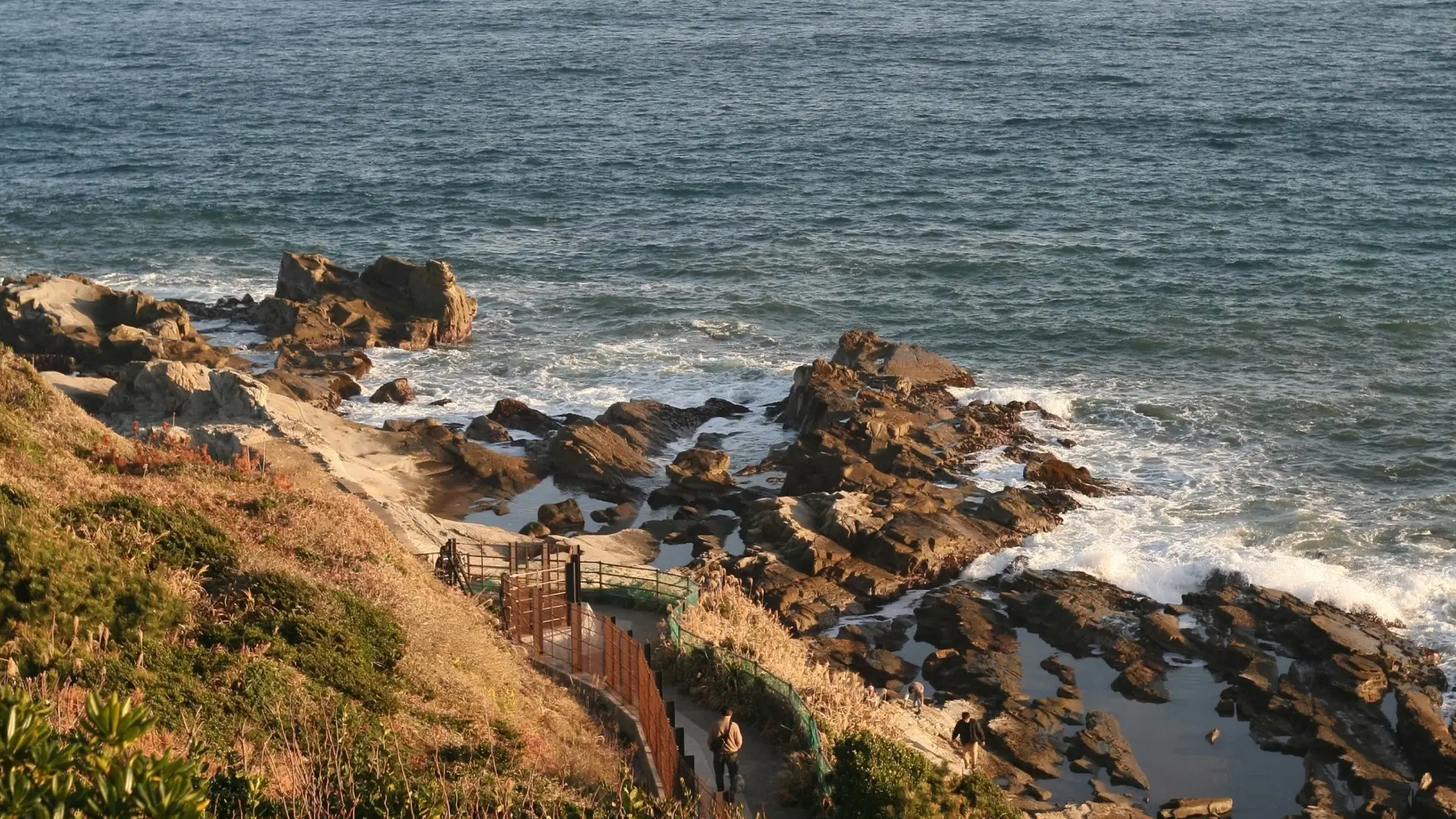
The Choshi Electric Railway ride from Choshi Station to Tokawa Station is brief but charming, the single car rattling through a landscape that shifts from urban to rural to coastal in twenty minutes. The terminus at Tokawa is walking distance from the lighthouse and the dramatic coastal rock formations at Byobugaura, eroded sandstone cliffs that stretch for ten kilometers along the coast.
Culinary Scene
Soy sauce and seafood define Choshi's table, often in combination. The local sashimi, served with house-made soy sauce that has aged in wooden casks, achieves a flavor integration that commercial soy sauce cannot match. Iwashi, sardines from the prolific local catch, are served in every preparation: as sashimi, grilled, simmered in soy, pressed into sushi, and dried as himono. The quality of Choshi sardines, fattened by the nutrient-rich currents, sets them apart from fish caught in less productive waters.
Nure senbei, the "wet rice crackers" produced by the Choshi Electric Railway, are a local quirk that has become a phenomenon. Unlike conventional crispy senbei, these crackers are dipped in soy sauce while still warm and soft, producing a chewy, intensely savory snack that divides opinion much as natto does.
Ryokans in Chiba
There are no ryokans in our guide listed in Choshi. See our selection across Chiba.
View ryokans in Chiba