Kamogawa
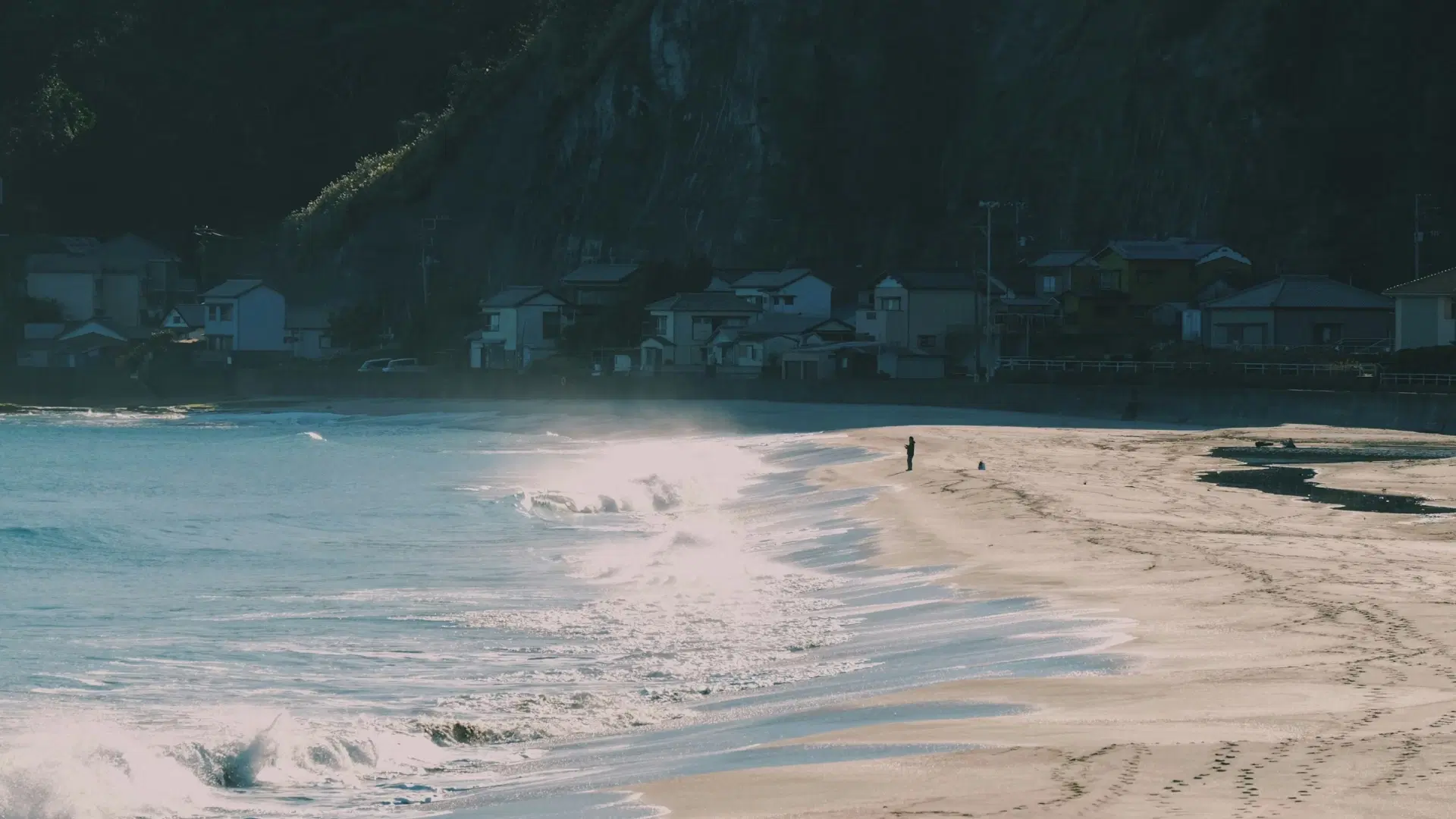
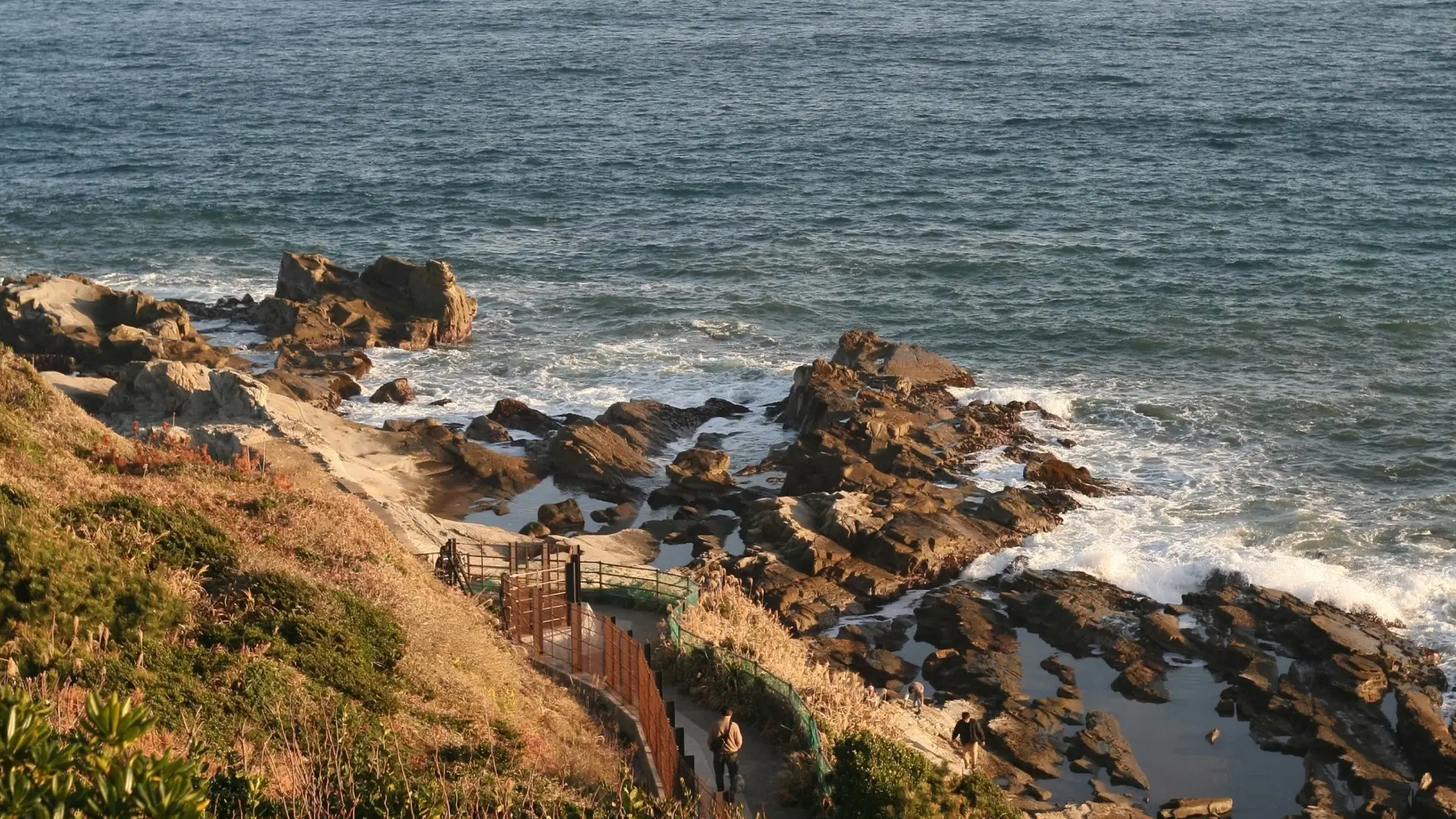
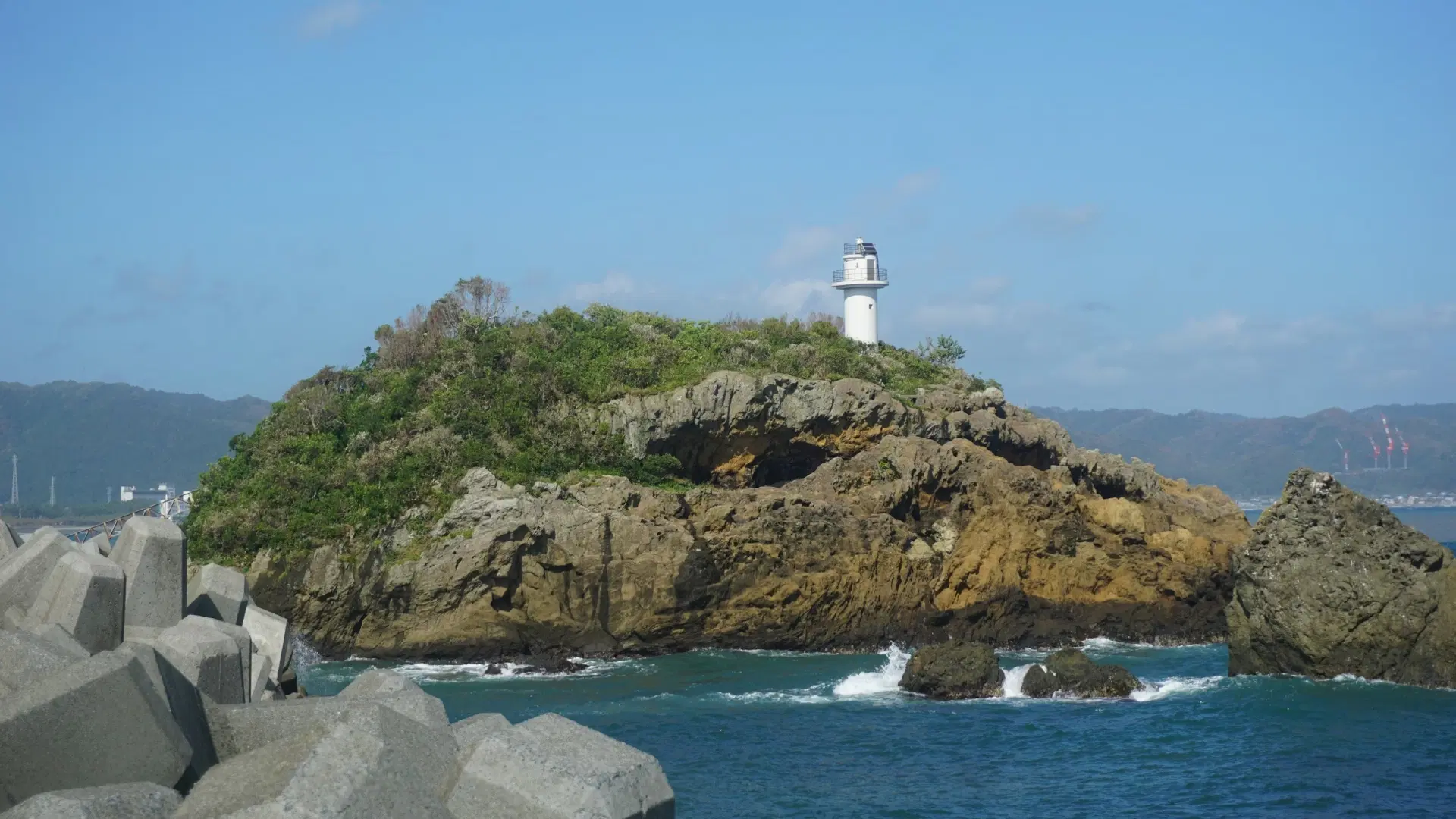
鴨川Kamogawa faces the open Pacific on the outer arc of the Boso Peninsula, a town where the mountains descend almost to the waterline and the fishing boats share the horizon with surfers riding the swells that the Black Current sends ashore. The town's relationship with the ocean is multilayered: centuries of fishing heritage coexist with a more recent surfing culture, and the surrounding waters, rich with marine life carried by the warm current, support whale-watching excursions that bring visitors face to face with sperm whales and dolphins in the deep channels offshore.
Inland, the landscape shifts dramatically. The Oyama Senmaida, a cascade of 375 terraced rice paddies carved into a steep mountain slope, is one of the most photographed agricultural landscapes in Japan. These terraces, maintained by a community of farmers and volunteers, represent a relationship between human labor and topography that has been sustained for centuries. In early June, when the flooded paddies reflect the sky, the terraces become mirrors arranged on the mountainside, each one catching the light from a slightly different angle.
Kamogawa's dual nature, oceanic and agricultural, coastal and mountainous, gives it a richness that purely resort-oriented beach towns cannot match. The town's accommodation ranges from surf lodges to traditional minshuku where the evening meal is built around the day's catch, and the atmosphere retains the unpretentious warmth of a community that has not yet been fully reshaped by tourism.
Kamogawa faces the open Pacific on the outer arc of the Boso Peninsula, a town where the mountains descend almost to the waterline and the fishing boats share the horizon with surfers riding the swells that the Black Current sends ashore.
Highlights
The Oyama Senmaida rice terraces are the signature landscape. The terraces are accessible by car or a 20-minute walk from the nearest bus stop, and the best viewing points are along the road above the paddies. The reflection season in early June and the harvest gold of September are the most photogenic periods, but the terraces carry beauty in every season: snow-dusted in winter, brilliantly green in summer, and amber in autumn.
Surfing at Maebara Beach and the surrounding breaks draws riders from Tokyo and beyond, particularly from September through November when typhoon swells produce the best waves. The beach culture here is relaxed and local, a contrast to the more developed Shonan coast.
Whale-watching excursions depart from the harbor between March and September, with sperm whales, Bryde's whales, and several dolphin species regularly sighted in the deep waters of the Boso Channel. The proximity of deep water to the coast makes these encounters achievable in relatively short boat rides.
Culinary Scene
Kamogawa's table draws from both ocean and mountain. The morning catch yields excellent bonito, squid, and seasonal fish served as sashimi at the harbor-side restaurants. Aburi kinmedai, lightly torched golden-eye snapper, is a local preparation that adds a smoky dimension to the fish's natural sweetness. The terraced rice paddies produce small quantities of rice prized for its mineral character, and local restaurants serve it as the foundation of simple but carefully prepared teishoku set meals.
The surrounding hillsides support dairy farming, and local milk and ice cream have a richness attributed to the mild coastal climate and the quality of the pasture. Kamogawa's craft beer scene, though small, reflects the town's independent spirit.