Choshi Fireworks Festival
銚子花火大会The Choshi Fireworks Festival launches its pyrotechnic display over the Tone River at the point where Japan's longest river meets the Pacific Ocean, a geographical setting that provides the fireworks with a natural stage of extraordinary breadth. The river's wide estuary, the open ocean beyond, and the low-lying coastline of the Choshi headland create an unobstructed viewing field where the explosions of color are reflected simultaneously in freshwater and saltwater surfaces, the double display of aerial burst and aquatic reflection producing a visual symmetry that inland fireworks venues cannot replicate.
Choshi's identity as a fishing port gives the festival a working-class authenticity that distinguishes it from the polished productions of larger cities. The pyrotechnics are excellent, approximately ten thousand shells launched over the course of an evening, but the atmosphere is one of community celebration rather than tourist spectacle. Families from the surrounding towns spread blankets along the riverbank, the smell of grilled seafood from temporary stalls mingles with the sulfurous trace of spent fireworks, and the crowd's reactions to particularly spectacular bursts carry the unguarded enthusiasm of people watching something they genuinely love rather than dutifully consuming a cultural attraction.
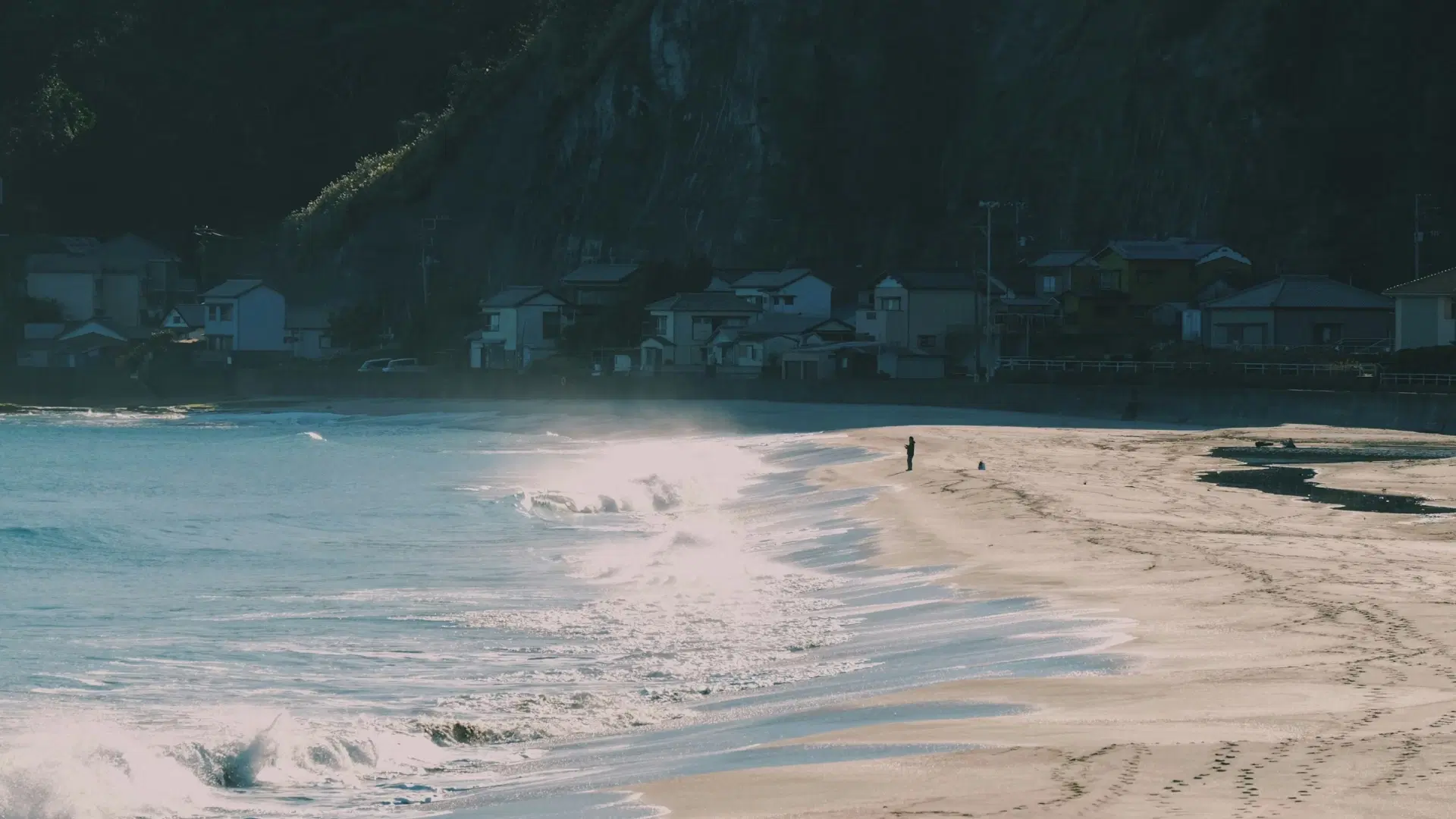
The festival's coastal setting introduces environmental elements that shape the viewing experience in ways unique to this location. The sea breeze carries the smoke from spent shells inland rather than allowing it to accumulate and obscure the display, a practical advantage that keeps the explosions crisp against the darkening sky throughout the evening. The sound of the ocean, audible between the firework detonations, provides a bass note that grounds the aerial spectacle in the physical reality of the coast.
The Choshi Fireworks Festival launches its pyrotechnic display over the Tone River at the point where Japan's longest river meets the Pacific Ocean, a geographical setting that provides the fireworks with a natural stage of extraordinary breadth.
History & Significance
The Choshi Fireworks Festival has been held annually since the postwar period, its establishment reflecting the broader Japanese tradition of summer fireworks festivals as communal celebrations that mark the peak of the season and provide collective entertainment during the Obon holiday period. Choshi's version developed its distinctive coastal character naturally, the town's geography placing the Tone River estuary as the obvious venue for a display that could be viewed from multiple vantage points along both banks.
The festival's evolution has tracked the development of Japanese fireworks artistry, which is regarded internationally as among the finest in the world. Japanese hanabi, the word combining characters for flower and fire, are distinguished by their spherical symmetry, their layered construction that produces sequential bursts of different colors within a single shell, and their use of chromatic gradients that create the impression of blossoming rather than exploding. Choshi's festival has incorporated these advancing techniques while maintaining the intimate, community-centered atmosphere that larger, more commercialized fireworks festivals have sometimes sacrificed in pursuit of scale.
What to Expect
The viewing experience begins well before the first shell is launched. The riverbank fills gradually through the late afternoon as families and groups claim positions, the preparation itself a social ritual of blanket-spreading, food-arranging, and the establishment of temporary outdoor living rooms along the water's edge. The twilight period, when the sky transitions from blue through deepening shades of amber and violet, provides a natural prologue whose beauty is enhanced by the anticipation of what is to come.
The display typically opens with a sequence of single shells that establish the evening's visual vocabulary before building to the massed launches and coordinated sequences that constitute the program's highlights. The star shells, which burst into spherical patterns of extraordinary regularity, demonstrate the pyrotechnicians' mastery of the art form at its most technically demanding. The willow shells, whose long-burning stars cascade downward in golden curtains that seem to touch the water's surface, produce moments of sustained beauty that transcend the fireworks' inherent brevity.
The finale, a rapid-fire sequence of massed launches that fills the sky with overlapping bursts and illuminates the river's surface in shifting colors, creates a sensory crescendo that leaves the crowd in a state of delighted exhaustion. The silence that follows the final shell, before the applause begins, is a moment of collective breath-holding that acknowledges the display's power to temporarily suspend the audience's ordinary relationship with the night sky.