Katsuura
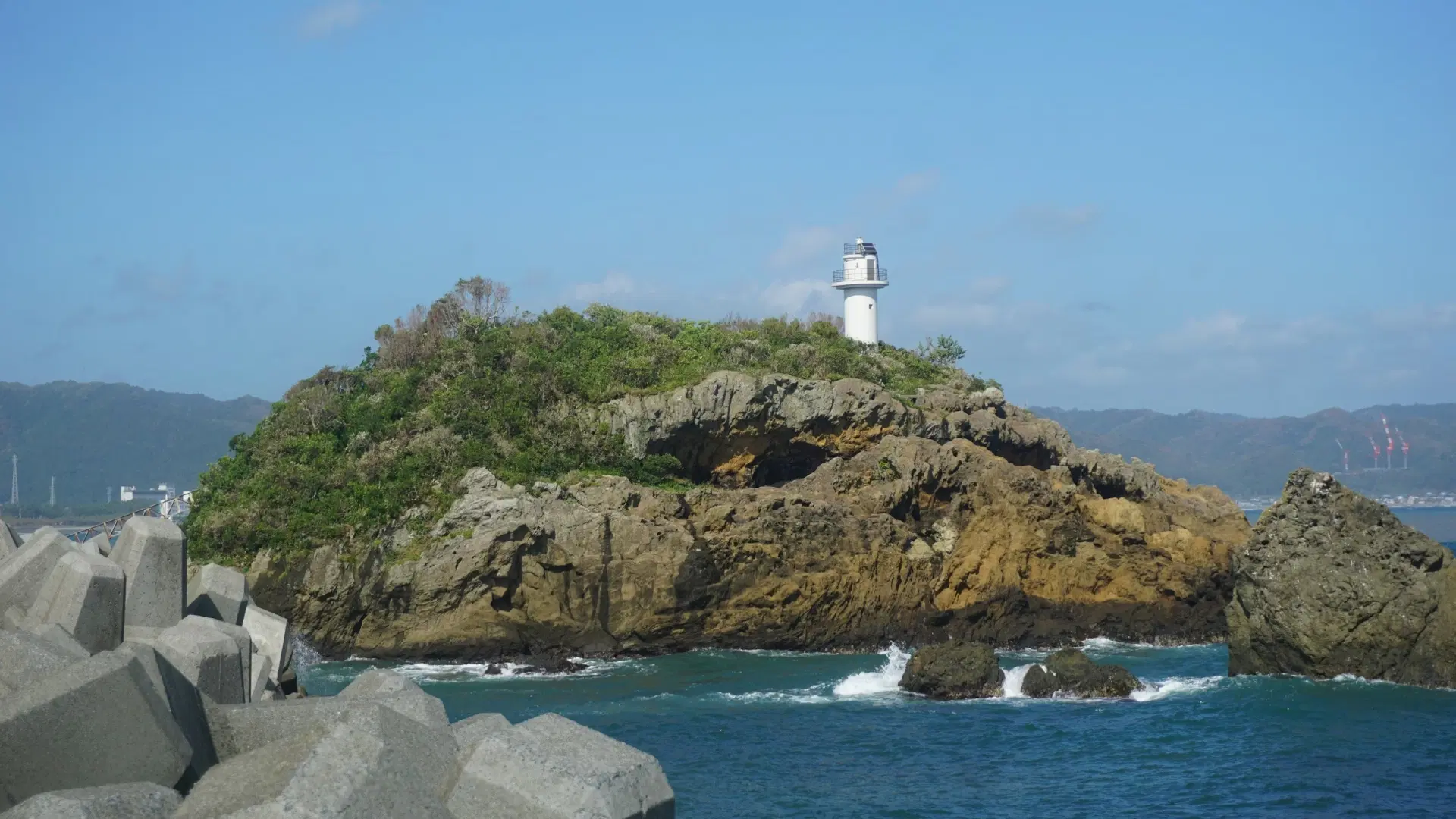
勝浦Katsuura is a fishing town on Chiba's outer Pacific coast where the Black Current sweeps close to shore, warming the waters and enriching the marine life with a bounty that has sustained the community for centuries. The town's harbor, sheltered by rocky headlands, lands one of the finest catches on the Boso Peninsula, with kinmedai, golden-eye snapper from the deep offshore waters, as its crown jewel. This fish, its scales shimmering with a crimson-gold iridescence, is the culinary emblem of Katsuura and the reason that serious seafood travelers make the journey south from Tokyo.
But Katsuura is more than its harbor. The town's morning market, one of the oldest in Japan with a lineage stretching back over 400 years, operates along the waterfront three mornings a week, its stalls offering fresh-caught fish, local vegetables, flowers, and homemade pickles in an atmosphere of unaffected commerce. In late February, the stone steps of Tomisaki Shrine are covered with approximately 1,800 hina dolls for the Big Hina Matsuri, creating one of the most visually arresting festival displays in Japan.
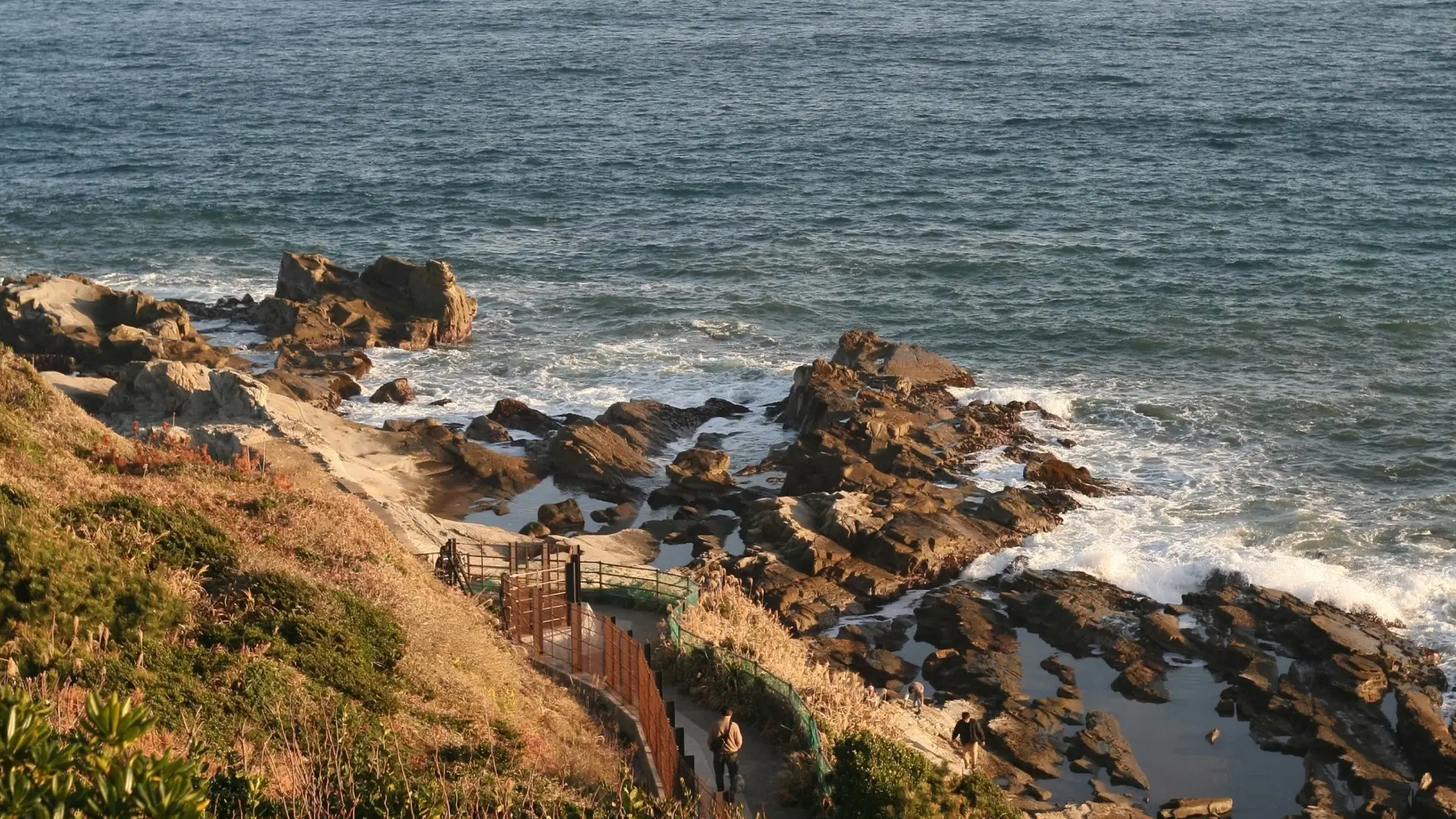
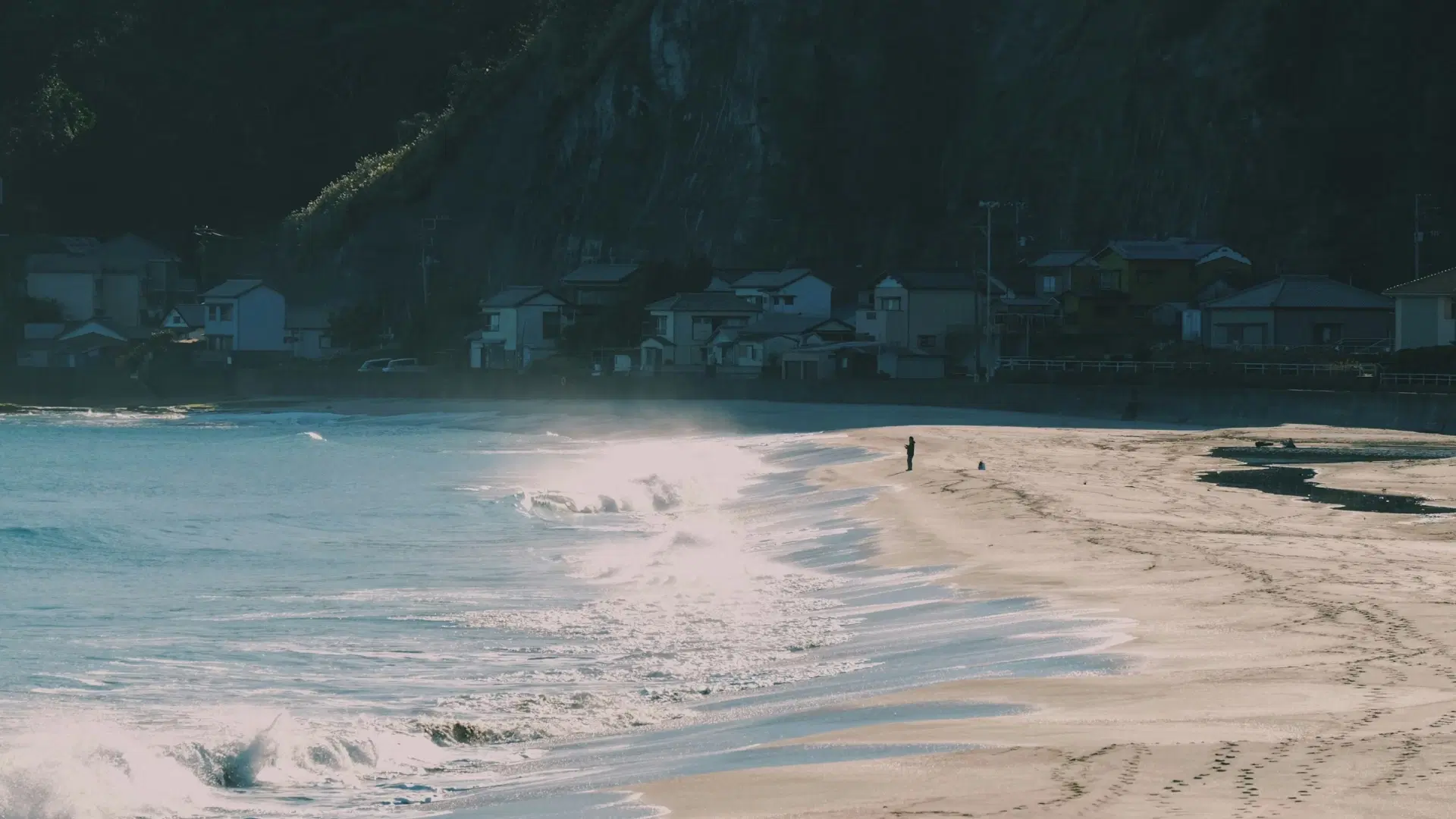
The coastline around Katsuura alternates between swimming beaches and rugged headlands, and the warm influence of the Kuroshio current produces a microclimate where tropical plants grow in gardens and early-season flowers bloom weeks ahead of Tokyo. The Pacific-facing orientation gives the town a quality of openness, a sense of looking outward toward the ocean's vastness, that the more sheltered bay-side communities of Chiba cannot match.
Katsuura is a fishing town on Chiba's outer Pacific coast where the Black Current sweeps close to shore, warming the waters and enriching the marine life with a bounty that has sustained the community for centuries.
Highlights
The Katsuura morning market, held on Wednesday, Friday, and Sunday mornings, is the authentic heart of the town. The market stretches along the waterfront road, with vendors selling directly from the day's catch: whole fish, sashimi platters, dried squid, seaweed, and seasonal shellfish. The prices are fair, the quality is exceptional, and the absence of tourist infrastructure makes the experience feel genuinely local.
The Big Hina Matsuri in late February transforms Tomisaki Shrine into a cascade of pink and red as nearly 1,800 hina dolls are arranged on the shrine's 60 stone steps, flanked by plum blossoms and framed by the Pacific. The display is one of the most photographed festival scenes in Chiba and draws visitors from across the Kanto region.
Katsuura's coastal walks, particularly the path around Yasaka Shrine headland and the views from Cape Katsura, offer dramatic Pacific panoramas. The Katsuura Undersea Observatory, a tower extending into the ocean, allows visitors to observe marine life through windows below the waterline.
Culinary Scene
Kinmedai is the star. In Katsuura, golden-eye snapper is served as sashimi of extraordinary delicacy, its flesh white and sweet with a fat content that melts on the tongue. Simmered kinmedai in soy and mirin, the classic nitsuke preparation, is equally revered, the sauce enriched by the fish's natural oils. Several restaurants along the harbor specialize in kinmedai courses that present the fish in multiple preparations.
Katsuura tantan-men, a local adaptation of the Sichuan dan dan noodle, has become the town's adopted comfort food. Unlike the sesame-based versions found elsewhere, Katsuura's style uses chili oil and soy in a broth that is sharp, hot, and fortifying, developed by local fishermen as a warming meal after cold mornings at sea. The annual tantan-men festival in September celebrates this distinctive local creation.