Minami Boso Flower Picking Season
南房総花摘みシーズンThe Minami Boso Flower Picking Season is one of the most remarkable demonstrations of microclimate in Japan, a period during which the southern tip of the Boso Peninsula bursts into bloom while the rest of the Kanto region remains locked in winter's grip. The Kuroshio Current, flowing northward along the Pacific coast, bathes the peninsula's southern shore in warmth that keeps temperatures mild enough for flowers to bloom from late December onward, creating a landscape of nanohana rapeseed, poppies, sweet peas, and stock that belongs to spring while the calendar still reads deepest winter. The cognitive dissonance of walking through fields of blooming flowers in January, the Tokyo skyline visible across the bay in the cold haze, is part of the season's particular pleasure.
The tradition of flower picking, in which visitors walk through commercial flower fields and cut their own bouquets to take home, gives the experience a participatory quality that distinguishes it from passive flower viewing. The act of choosing, cutting, and arranging flowers engages the hands as well as the eyes, creating a tactile connection with the season's bounty that photography alone cannot achieve. The flowers, sold by weight or by bunch at prices that reflect the region's agricultural economy rather than Tokyo's florist markups, become souvenirs that continue to give pleasure for days after the visit.
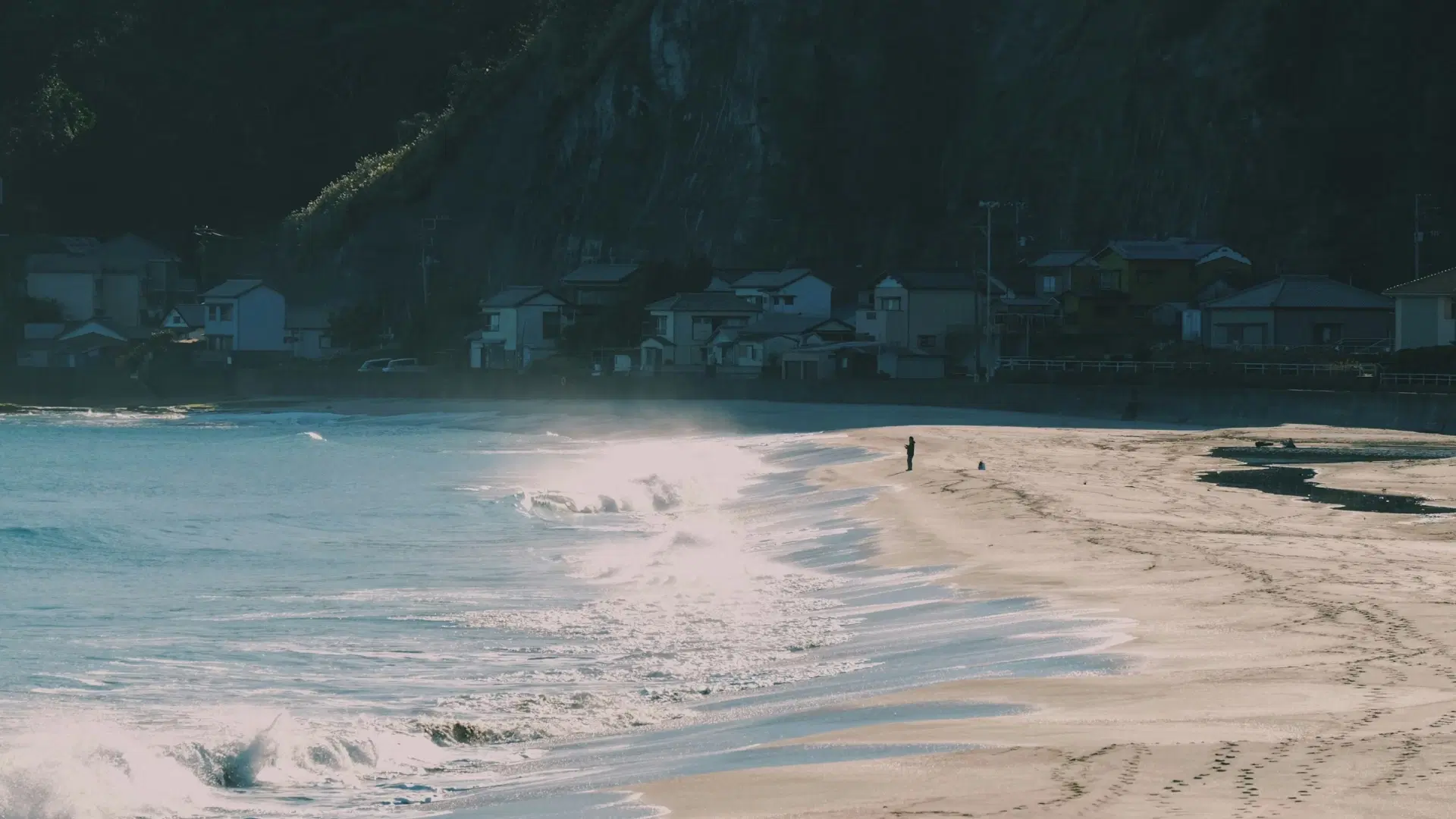
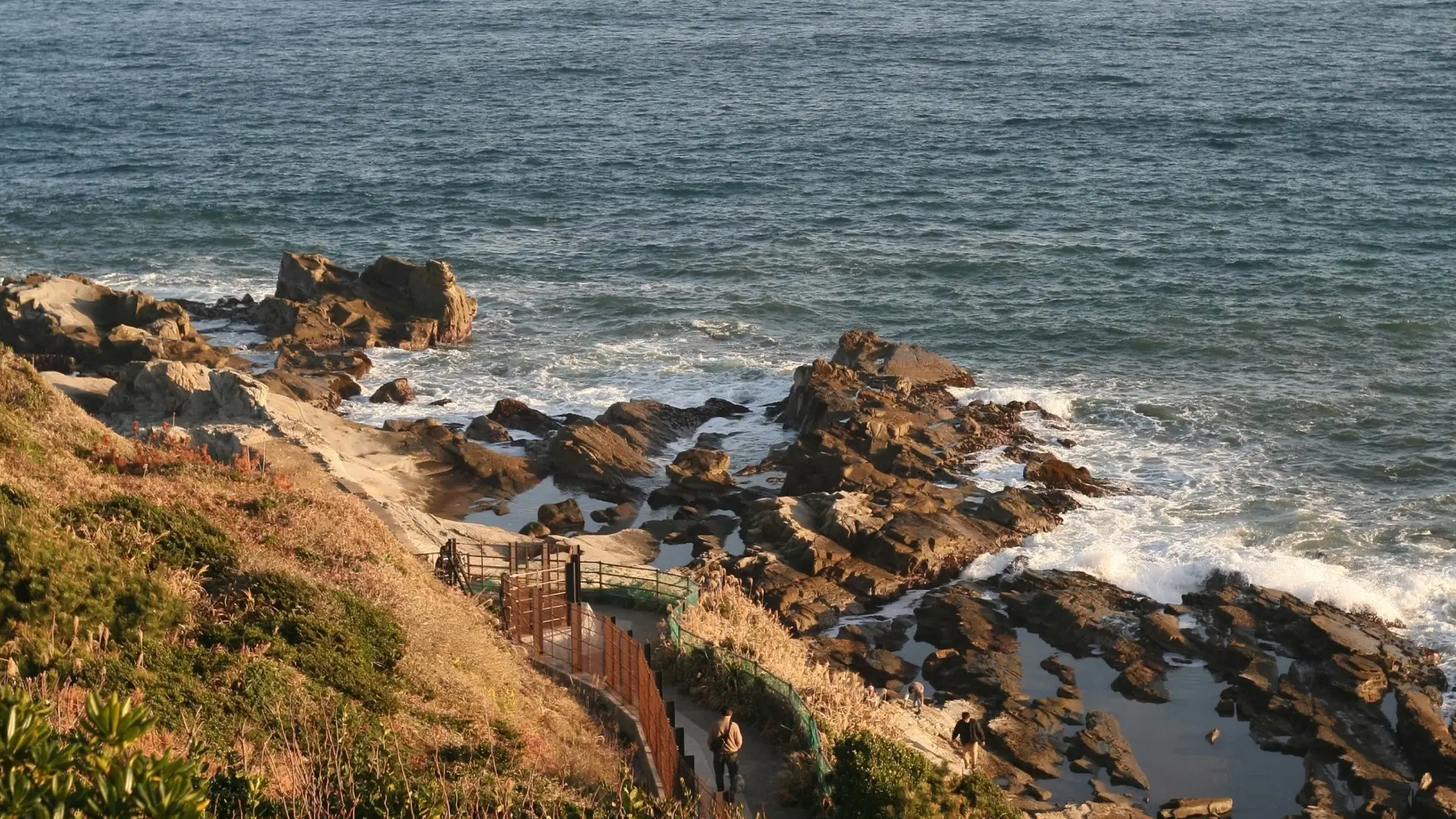
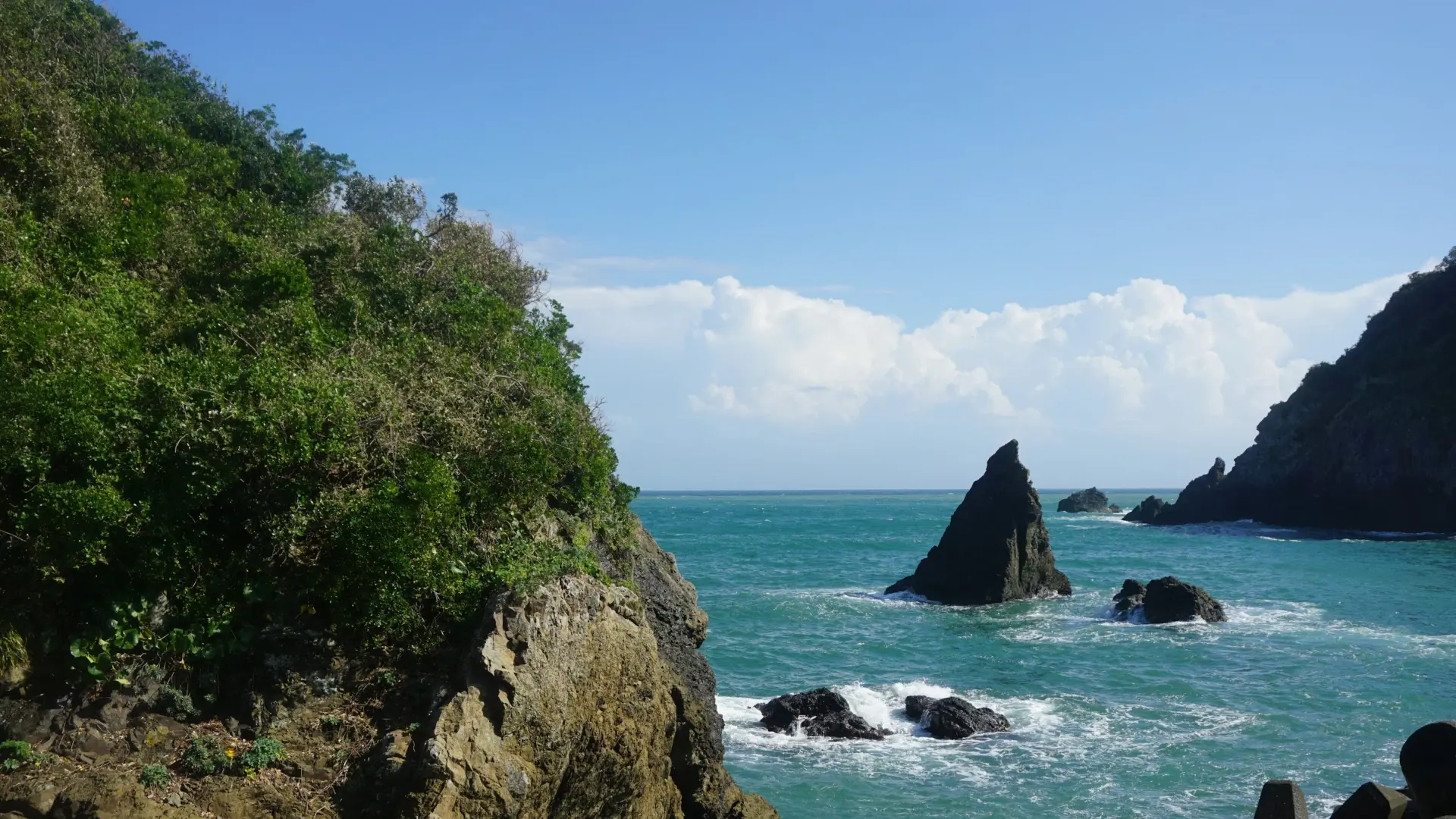
The landscape of the southern Boso Peninsula amplifies the floral spectacle with a coastline of dramatic beauty. Rocky headlands, sheltered coves, and views across Sagami Bay to the distant form of Mount Fuji provide a geographical setting that elevates flower viewing from horticultural tourism to landscape experience. The combination of warm microclimate, ocean scenery, and the simple pleasure of cutting flowers in an open field on a winter day constitutes a sensory therapy whose effectiveness requires no scientific validation.
The Minami Boso Flower Picking Season is one of the most remarkable demonstrations of microclimate in Japan, a period during which the southern tip of the Boso Peninsula bursts into bloom while the rest of the Kanto region remains locked in winter's grip.
History & Significance
Commercial flower cultivation on the southern Boso Peninsula dates to the Taisho era, when local farmers recognized that the mild coastal climate could support winter flower production that would command premium prices in Tokyo's markets. The industry expanded through the twentieth century, with successive generations of farming families developing varieties and cultivation techniques optimized for the peninsula's particular conditions. The flower picking tourism tradition evolved naturally from the agricultural base, as farmers recognized that urban visitors would pay for the experience of harvesting flowers themselves, adding a tourism revenue stream to the wholesale flower business.
The season's development as a recognized regional event accelerated in the postwar period, when improved rail and road connections made the southern Boso Peninsula accessible for day trips from Tokyo. The marketing of the region as a winter escape, emphasizing the contrast between the peninsula's blooming fields and the capital's bare, cold landscape, proved highly effective in attracting visitors seeking relief from the extended Tokyo winter. Today, the flower season is the economic backbone of southern Boso's tourism industry, its contribution to the regional economy rivaling that of the summer beach season.
What to Expect
The flower fields are distributed along the southern coast of the peninsula, concentrated in the areas around Chikura, Shirahama, and Tateyama. Each farm offers a slightly different selection of flowers, and the blooming schedule varies by species and season, with nanohana rapeseed dominating in January, poppies and stock in February, and sweet peas and carnations extending through March. Most farms provide cutting implements and wrapping materials, and the experience of walking through the rows, selecting flowers at their peak, and cutting stems to build a personal bouquet takes approximately thirty to sixty minutes.
The landscape surrounding the flower fields provides context and contrast that enhance the floral experience. The Pacific Ocean is visible from most elevated fields, its winter blue providing a chromatic complement to the flowers' warm yellows, reds, and pinks. The fishing villages that dot the coast, their harbors filled with working boats and their streets quiet with off-season calm, offer a glimpse of the coastal life that predates and underlies the tourism economy. Fresh seafood, particularly the abalone and lobster for which the Boso coast is famous, provides a culinary dimension that deepens the day trip into a full sensory excursion.
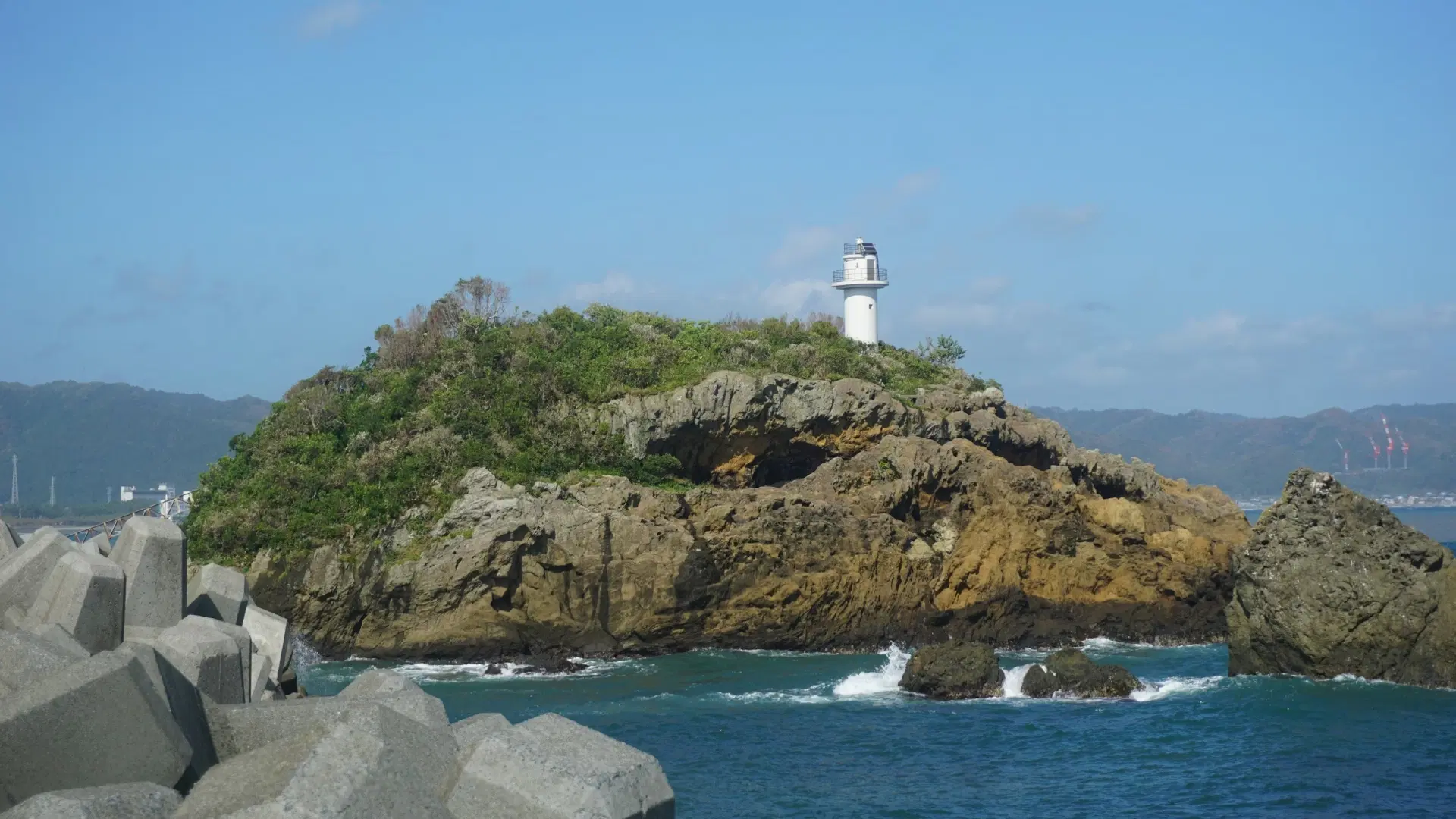
The Tateyama area offers additional attractions that complement the flower picking experience. The Nojimazaki lighthouse, standing at the Boso Peninsula's southernmost point, provides panoramic views that on clear days extend to Mount Fuji and the Izu Peninsula. The warm microclimate supports not only cultivated flowers but a natural vegetation of subtropical character, with palm trees and winter-blooming wild plants creating a landscape that feels displaced several hundred kilometers south of its actual latitude.