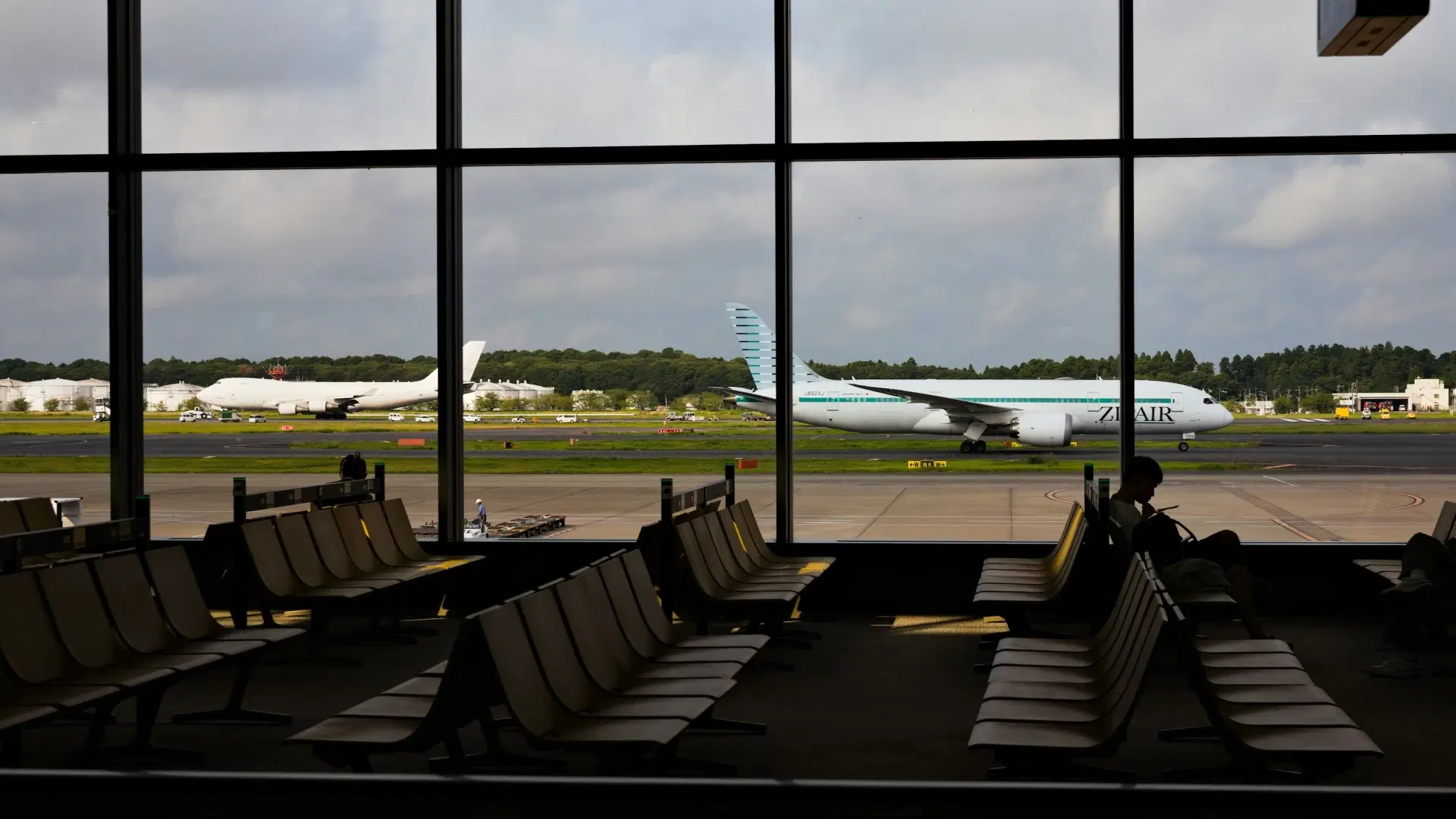
Narita
成田Narita is the place that millions of travelers pass through without seeing. The international airport that bears the city's name processes over forty million passengers annually, nearly all of whom board connecting trains or buses without discovering that the town itself contains one of the great Buddhist temple complexes of eastern Japan. Naritasan Shinsho-ji, founded in 940 AD and dedicated to Fudo Myoo, the fierce protective deity of Shingon Buddhism, has been a pilgrimage destination for over a thousand years. The temple's main hall conducts goma fire rituals multiple times daily, ceremonies of striking intensity in which prayers written on wooden tablets are consigned to flames before the deity's image.
The omotesando approach to the temple, a gently sloping street lined with traditional inns, rice cracker shops, and unagi restaurants, preserves an atmosphere that has evolved organically over centuries of serving pilgrims. Unlike reconstructed historical streets elsewhere, Narita's omotesando is a living commercial district where the shops have simply never had reason to change. The unagi restaurants, in particular, maintain traditions that date to the Edo period, grilling freshwater eel over charcoal in front of their establishments, the aroma an enticement that has not changed in three centuries.
The temple complex itself unfolds across a hillside, with structures spanning the Edo, Meiji, Taisho, and modern periods, each addition reflecting the architectural tastes and religious priorities of its era. The Great Pagoda of Peace, completed in 1984, rises above the oldest buildings with a confidence that suggests the temple's story is far from over.
Narita is the place that millions of travelers pass through without seeing.
Highlights
The goma fire ritual at the main hall is the defining experience. The ceremony, conducted by Shingon priests in elaborate vestments before a towering fire, combines chanting, drumming, and the physical intensity of the flames into a sensory experience that is both sacred and theatrical. The daily schedule allows visitors to attend without special arrangement, and the ritual's power is undiminished by repetition.
The omotesando approach deserves a leisurely walk. The rice cracker shops grill senbei to order, stamping them with the temple's seal. The traditional inns display their architecture openly, their wooden facades and noren curtains creating a visual rhythm along the street. The unagi restaurants, some operating for over a century, serve freshwater eel prepared in the Kanto style, and watching the grilling process through the open kitchen windows is itself an attraction.
The temple's Naritasan Park, extending behind the main complex, surprises with its scale and beauty. The park includes a calligraphy museum, a waterfall, plum groves, and a formal garden that transitions through cherry blossoms, irises, and autumn foliage across the seasons. Most transit-focused visitors never discover this green expanse.
Culinary Scene
Unagi is Narita's culinary soul. The omotesando's eel restaurants have been perfecting their craft since the Edo period, when the swampy lowlands around Narita provided abundant wild eel and the pilgrimage trade provided constant demand. The preparation follows the Kanto method: the eel is split along the back, steamed to soften the flesh, then grilled over charcoal with a sweet soy tare sauce built up over decades of continuous use. The result is eel of extraordinary tenderness, its surface lacquered and slightly caramelized, served over rice in a lacquered box.
The omotesando also offers excellent senbei, grilled on the spot and sold warm, and local sake that reflects Chiba's rice-growing heritage. For those with time before a flight, a meal of unagi and a walk through the temple grounds transforms what would otherwise be dead transit time into a genuine cultural experience.

Ryokans in Chiba
There are no ryokans in our guide listed in Narita. See our selection across Chiba.
View ryokans in Chiba