Ibaraki
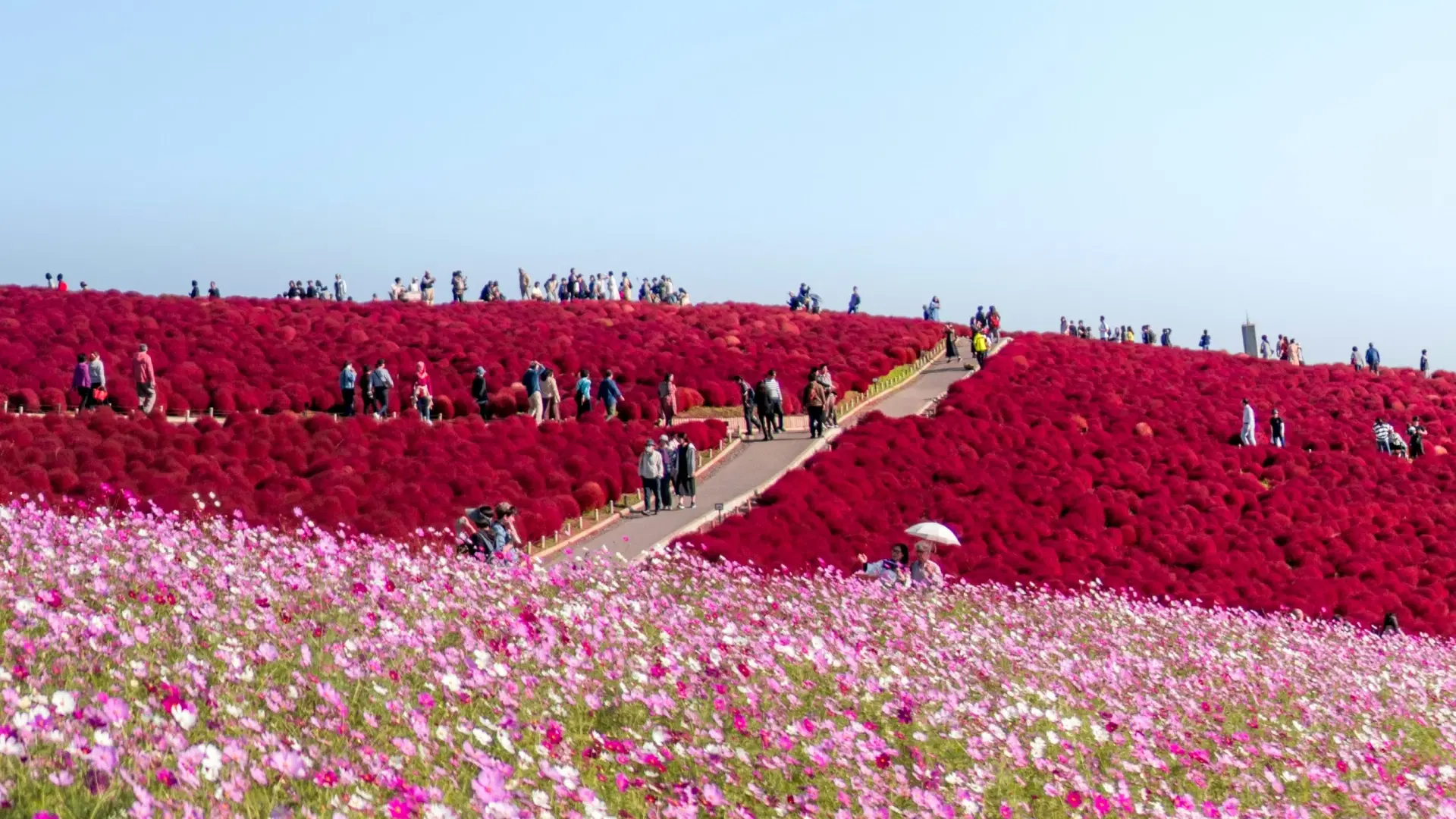
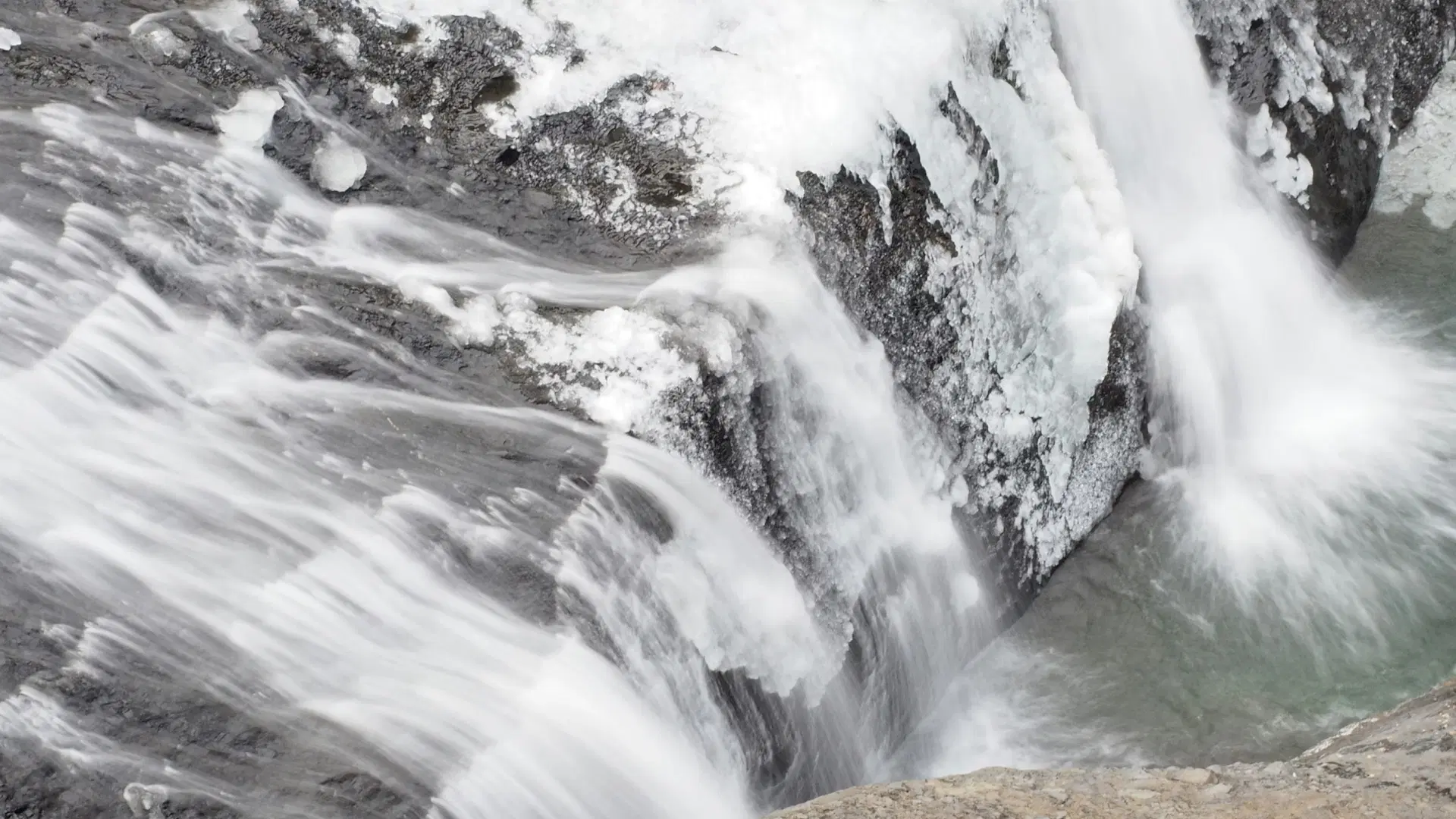
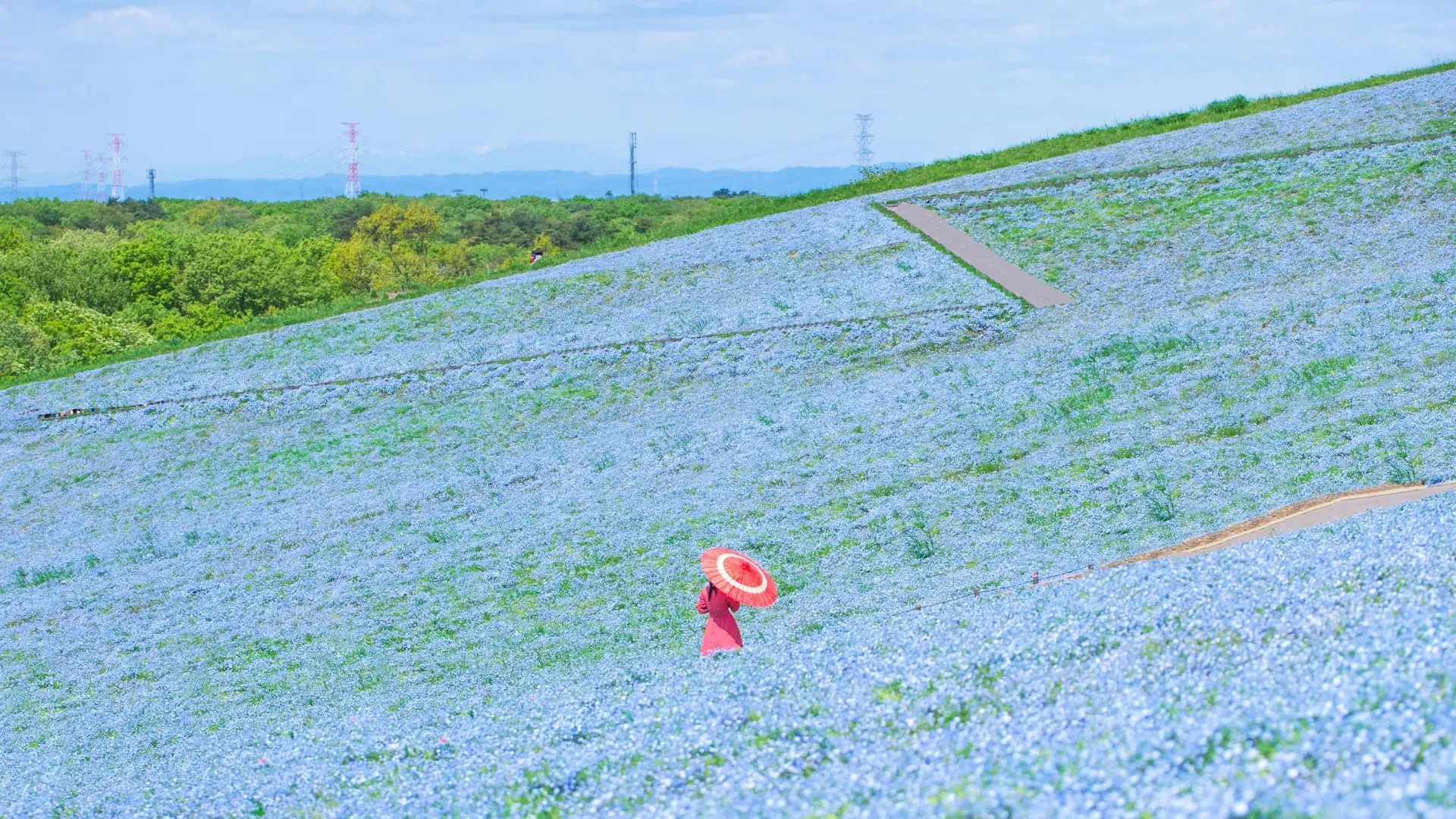
茨城県Ibaraki is a prefecture that rewards the unhurried traveler, a place where the Pacific Ocean meets fertile plains and the old Mito domain still shapes the character of its people. The rolling coastline at Oarai, the thundering cascade of Fukuroda Falls, the vast blue carpets of nemophila blooming across Hitachi Seaside Park in spring: these are landscapes that resist easy comparison. They belong to Ibaraki alone.
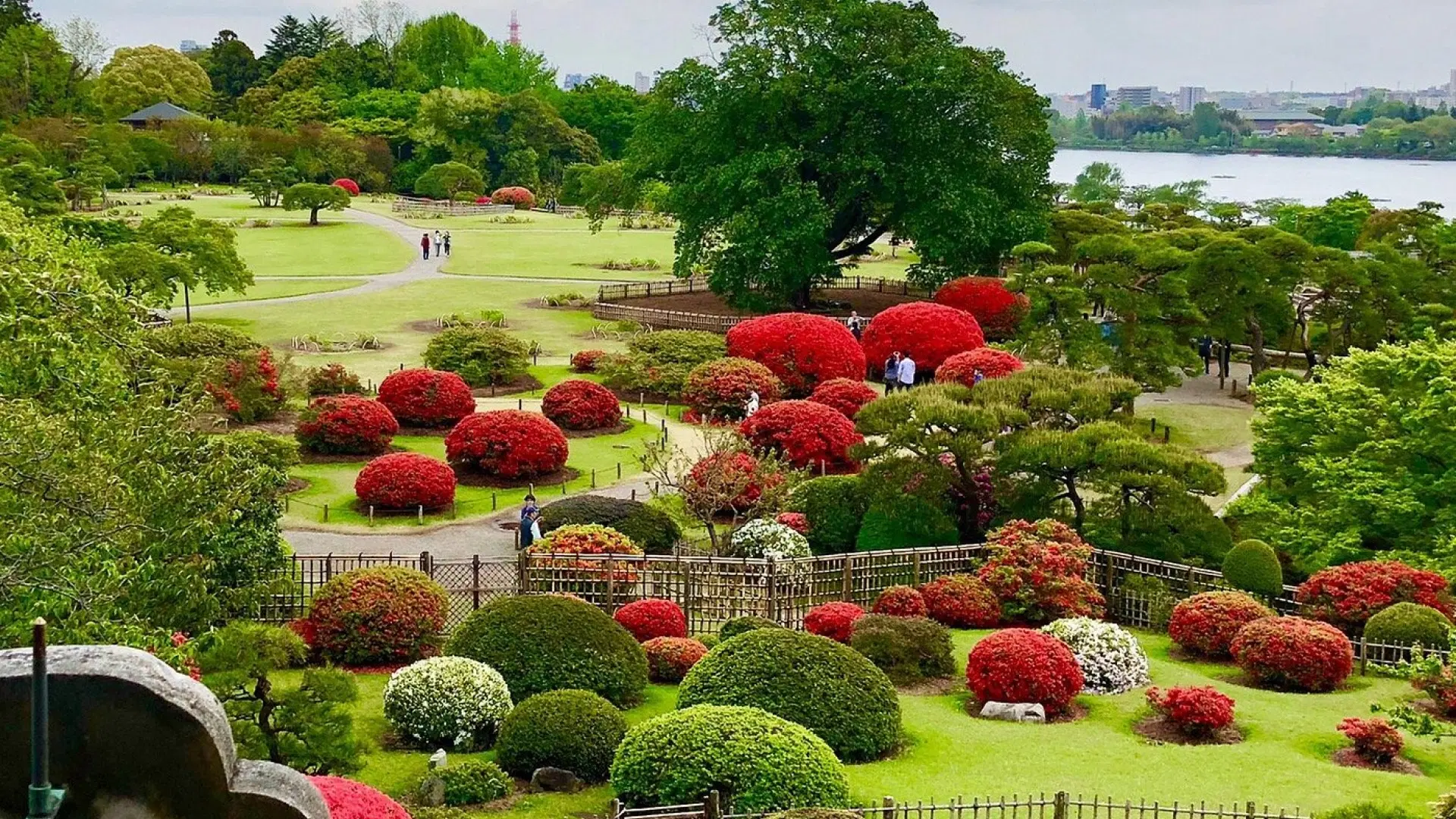
The city of Mito, once the seat of one of the three great Tokugawa branch families, anchors the prefecture with a quiet authority. Kairakuen, the plum garden commissioned by Lord Nariaki in 1842, was designed not for aristocrats alone but for all people, a democratic impulse unusual in feudal Japan. When three thousand plum trees blossom in late February, the garden becomes a fragrant declaration that winter is ending. Nearby, Lake Senba reflects the seasons with a painter's faithfulness.
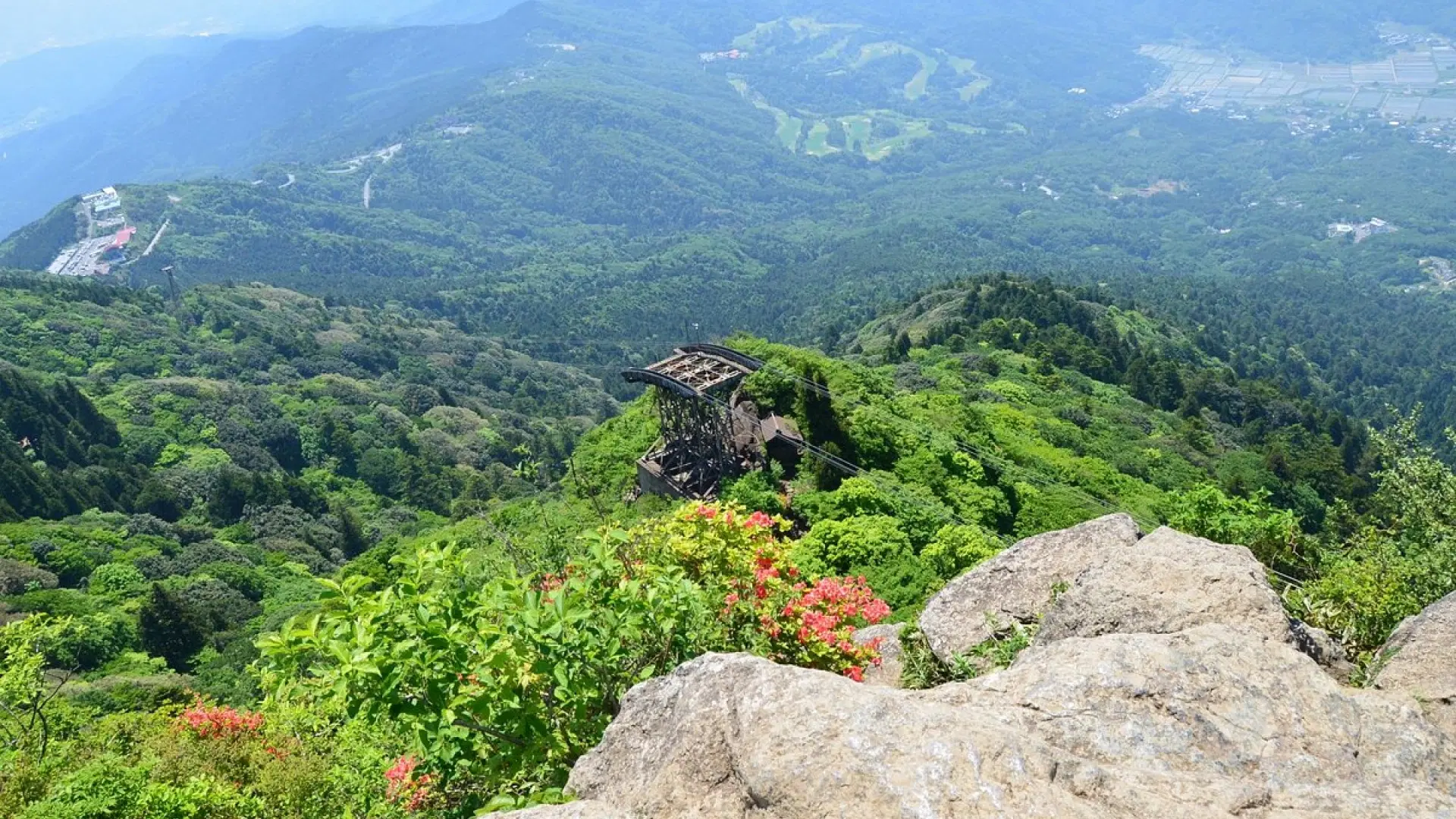
To the north, Tsukuba, Japan's city of science, rises around its sacred twin-peaked mountain. The contrast is purely Ibaraki: cutting-edge research laboratories at the foot of a peak where Shinto deities have been venerated for millennia. This tension between modernity and deep tradition gives the prefecture its distinctive texture, a quality that reveals itself slowly and stays with you long after departure.
Ibaraki is a prefecture that rewards the unhurried traveler, a place where the Pacific Ocean meets fertile plains and the old Mito domain still shapes the character of its people.
Cultural Identity
Ibaraki's cultural identity was forged in the Mito domain, where the samurai scholar Tokugawa Nariaki promoted both martial arts and classical learning. The Kodokan, his academy founded in 1841, still stands as a monument to that ambition. Kasama is renowned for its Inari shrine, one of the three great Inari sanctuaries in Japan, and for a pottery tradition that has drawn ceramists since the Kamakura period. The annual Kasama Pottery Fair draws hundreds of artisans from across the country. Along the coast, Oarai Isosaki Shrine perches above the waves, its torii gate rising from the sea rocks, a scene that crystallizes the spiritual bond between Ibaraki's people and the Pacific.
Culinary Traditions
No food is more synonymous with Ibaraki than natto, the fermented soybeans that divide opinion with almost theological intensity. Mito has perfected natto production for centuries, and local shops offer varieties from small-grain to straw-wrapped that convert even skeptics. The Hitachinaka coast yields exceptional shirasu (whitebait) and anko (monkfish), the latter served in a rich hotpot called anko nabe that sustains fishermen through winter. Hoshiimo, dried sweet potato strips with a natural crystalline sweetness, are produced here in greater volume than anywhere else in Japan. Ibaraki melon, particularly the sweet Ibarakiss variety, rivals Yubari for fragrance and depth.
Waters & Onsen
Ibaraki's onsen culture is modest but genuine, centered on mineral springs that emerge along the volcanic fringes of the northern highlands. Okukuji Onsen, tucked into the mountains near Daigo, offers sodium sulfate waters prized for smoothing the skin. Isohara Onsen along the northern coast provides salt-rich springs steps from the Pacific, where the sound of waves accompanies the bath. Gozenyama Onsen and Nakadoso Onsen serve as retreats for those exploring the Kuji River valley. These are not the grand resort towns of neighboring Gunma or Tochigi; they are quieter, more personal, better suited to the traveler seeking solitude over spectacle.