Tsukuba
つくばTsukuba exists in two registers simultaneously. At ground level, it is Japan's preeminent science city, a planned research community established in the 1960s that now houses over 150 national and private research institutions, including JAXA's Space Center and the National Institute for Materials Science. The wide boulevards, modernist campus architecture, and international population give it an atmosphere unlike anywhere else in Ibaraki, or indeed in much of Japan.
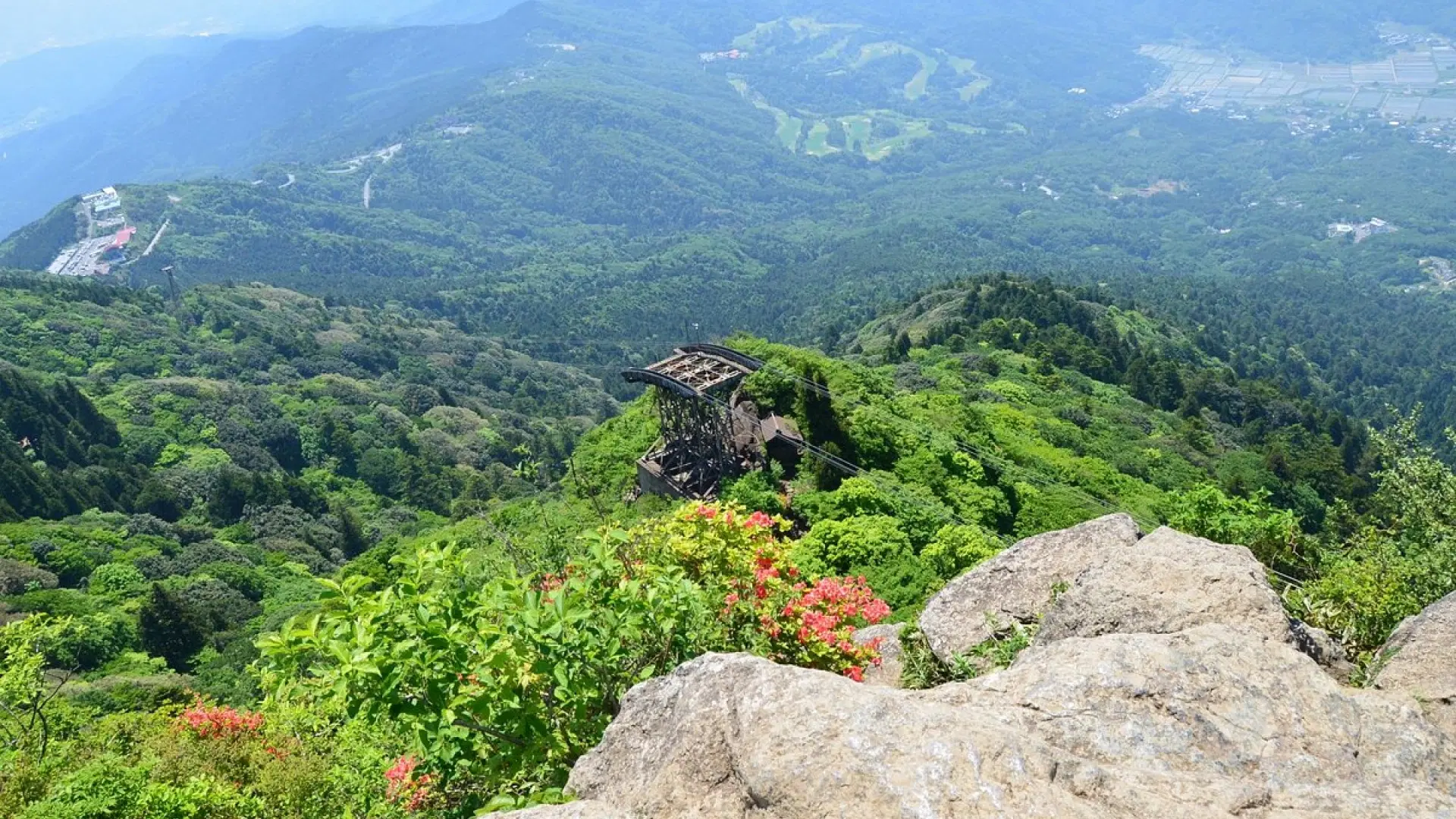
But lift your gaze and the ancient world asserts itself. Mount Tsukuba, the sacred twin-peaked mountain that dominates the western horizon, has been a site of Shinto worship since long before recorded history. The Manyoshu, Japan's oldest poetry anthology compiled in the eighth century, references Tsukuba more than any other mountain, a testament to its spiritual centrality in the culture of the eastern provinces. The two peaks, Nantai (male, 871 meters) and Nyotai (female, 877 meters), are separated by a saddle where Tsukuba-san Shrine has stood for over three thousand years.
This juxtaposition of cutting-edge science and primordial spirituality is not a contradiction but a conversation. The researchers who work in the laboratories below the mountain hike its trails on weekends. The shrine priests who tend the summit altars live in a city shaped by the scientific method. Tsukuba holds both truths without strain, and the visitor who engages with both dimensions will find a place of unusual depth.
Tsukuba exists in two registers simultaneously.
Highlights
Mount Tsukuba is the essential experience. The mountain can be ascended by cable car from the Miyawaki station or by ropeway from Tsutsujigaoka, but the hiking trails offer far richer engagement. The Shirakumobashi course, winding through ancient cedar and beech forest, takes approximately ninety minutes to reach the summit ridge. Between the peaks, massive granite boulders with names drawn from mythology create a landscape garden shaped entirely by geology and faith. The Gama Rock, shaped like a toad's mouth, and the Mother's Womb Rock, a narrow passage through which pilgrims squeeze for spiritual rebirth, are highlights of this natural shrine.
In the city below, the JAXA Tsukuba Space Center offers tours of mission control and rocket displays that appeal to the scientifically curious. The Tsukuba Botanical Garden, maintained by the National Museum of Nature and Science, preserves over seven thousand plant species in meticulously curated greenhouses and outdoor beds. For a more contemplative experience, the Tsukuba-san Shrine's lower precinct at the mountain's base provides a serene introduction to the sacred geography of the region.
The area around Tsukuba Station has developed into a surprisingly pleasant urban center, with independent coffee roasters, farm-to-table restaurants drawing on the surrounding agricultural plain, and the Tsukuba Express providing a 45-minute direct connection to Akihabara.
Culinary Scene
Tsukuba benefits from its position at the edge of the Kanto plain, where some of Ibaraki's most fertile agricultural land produces exceptional rice, lotus root, and blueberries. The city's international research community has fostered a dining scene more diverse than its size would suggest, with authentic Southeast Asian, Indian, and European restaurants interspersed among traditional Japanese establishments. Local soba, made from buckwheat grown in the volcanic soil of the Tsukuba foothills, is particularly fine, with a mineral sweetness that reflects the terroir.
Fukuregashi, traditional steamed rice cakes sold at shops along the old pilgrimage route to Mount Tsukuba, are a modest but satisfying local specialty. The area is also known for its craft beer, with several microbreweries drawing on the region's excellent water.