Daigo
大子Daigo is the gateway to Ibaraki's mountain interior, a small town in the Kuji River valley where the landscape shifts from the Kanto plain's flatness to something altogether more vertical. Forested ridges close in on either side, the river narrows between mossy boulders, and the air carries a coolness that the lowland cities never achieve, even in summer. This is Okukuji, the deep Kuji region, and its centerpiece is Fukuroda Falls.
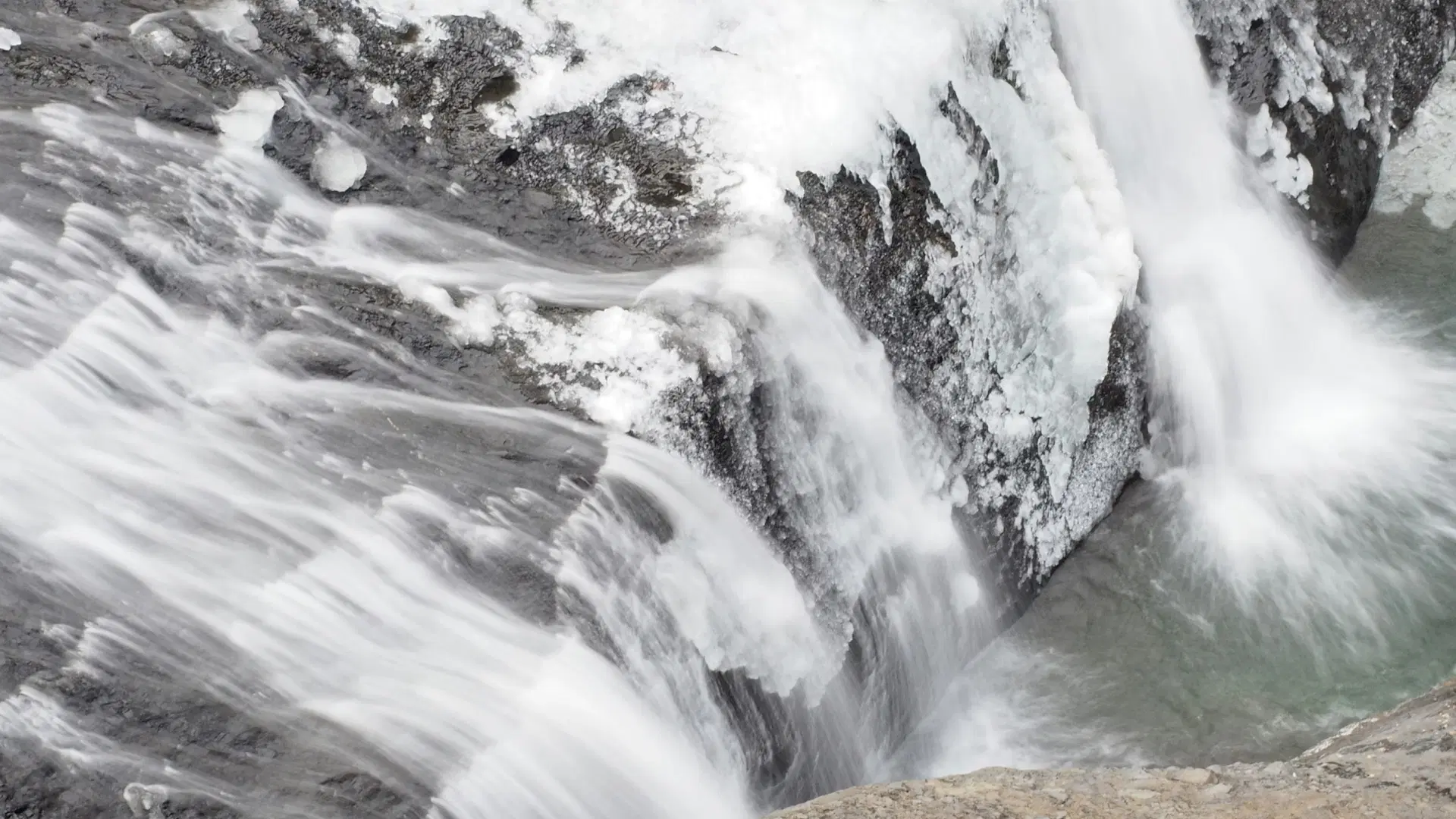
Fukuroda Falls is ranked among Japan's three great waterfalls alongside Kegon in Nikko and Nachi in Wakayama, and while such rankings are inherently subjective, the cascade's four-tiered descent over 120 meters of striated rock makes a compelling case. The falls are unusual in that they can be viewed from two observation platforms, one at the base and one at mid-height via a tunnel carved into the cliff face, offering perspectives that reveal different qualities of the water's movement. The Edo-period scholar Tokugawa Mitsukuni reportedly declared that the falls could not be appreciated in a single visit, a judgment that holds.
Daigo itself is a town of perhaps ten thousand residents, its rhythm governed by the seasons and the river. Apple orchards line the valley, the Kuji River yields sweetfish in summer, and the surrounding forests produce shiitake mushrooms of remarkable depth. In autumn, the mountain slopes ignite with color, and the falls, framed by crimson maple and golden beech, achieve their most dramatic expression.
Daigo is the gateway to Ibaraki's mountain interior, a small town in the Kuji River valley where the landscape shifts from the Kanto plain's flatness to something altogether more vertical.
Highlights
Fukuroda Falls is the anchor, and the approach matters. The path from the parking area winds through a short tunnel before emerging at the lower observation deck, where the full height of the cascade reveals itself with sudden impact. The tunnel to the upper platform offers a more intimate perspective, the water rushing past at eye level with enough force to generate a fine mist that settles on your skin. In winter, the falls partially freeze, creating intricate ice formations that attract photographers and ice climbers. The full freeze, when it occurs in the coldest years, transforms the cascade into a silent column of blue-white ice.
Beyond the falls, the Okukuji area rewards exploration by car or bicycle. The Tsukiore Falls, a smaller but graceful cascade upstream, can be reached via a forested trail. Eiryo-ji temple, set in a steep valley, is one of the most atmospheric autumn foliage sites in northern Ibaraki. The Daigo town center preserves a cluster of traditional shops and a local museum that documents the region's charcoal-making heritage.
The Okukuji Onsen district, scattered through the surrounding valleys, provides hot spring accommodation of a genuinely rural character, the sort of places where the innkeeper cooks dinner from ingredients gathered that day.
Culinary Scene
Daigo's cuisine is mountain food in its purest form. Sweetfish from the Kuji River, grilled slowly over charcoal on bamboo skewers, is the summer delicacy. Shamo chicken, a local breed raised on the mountain farms, has a depth of flavor that industrial poultry cannot approach. The area's shiitake mushrooms, dried on wooden racks in the autumn sun, are prized throughout Ibaraki for their concentrated umami. Daigo apples, harvested from October through November, include several heirloom varieties not found in commercial orchards, their flavor more complex and less uniformly sweet than the supermarket standards.
Local soba, made from buckwheat grown in the mountain fields, is served at small restaurants throughout the town, often accompanied by seasonal tempura of wild vegetables gathered from the forest understory.
Ryokans in Ibaraki
There are no ryokans in our guide listed in Daigo. See our selection across Ibaraki.
View ryokans in Ibaraki