Enoshima Illumination
江の島イルミネーションThe Enoshima Illumination, known as Shonan no Hoseki (Jewels of Shonan), transforms the small tidal island of Enoshima into a luminous fantasia that draws visitors through the winter months with a display of light that takes advantage of the island's unique topography. The illumination follows the island's ascending paths from the base to the summit, where the Enoshima Sea Candle observation tower rises above the gardens of Samuel Cocking Park, its slender form wrapped in light that makes it visible from across Sagami Bay. The effect is of a jeweled mountain rising from dark winter waters, its terraced slopes glowing with color that shifts and pulses through programmed sequences.
The island's compact scale and varied terrain create an illumination experience that is simultaneously intimate and panoramic. The narrow paths, winding through gardens and past shrines, are lined with light installations whose forms respond to the immediate environment: tunnel-like passages wrapped in crystalline LED curtains, garden beds filled with light flowers that mimic and extend the botanical displays of the warmer months, and architectural surfaces highlighted to reveal details invisible in daylight. The progression upward through the island's levels creates a narrative arc, each terrace offering a different visual chapter that builds toward the summit's panoramic revelation.
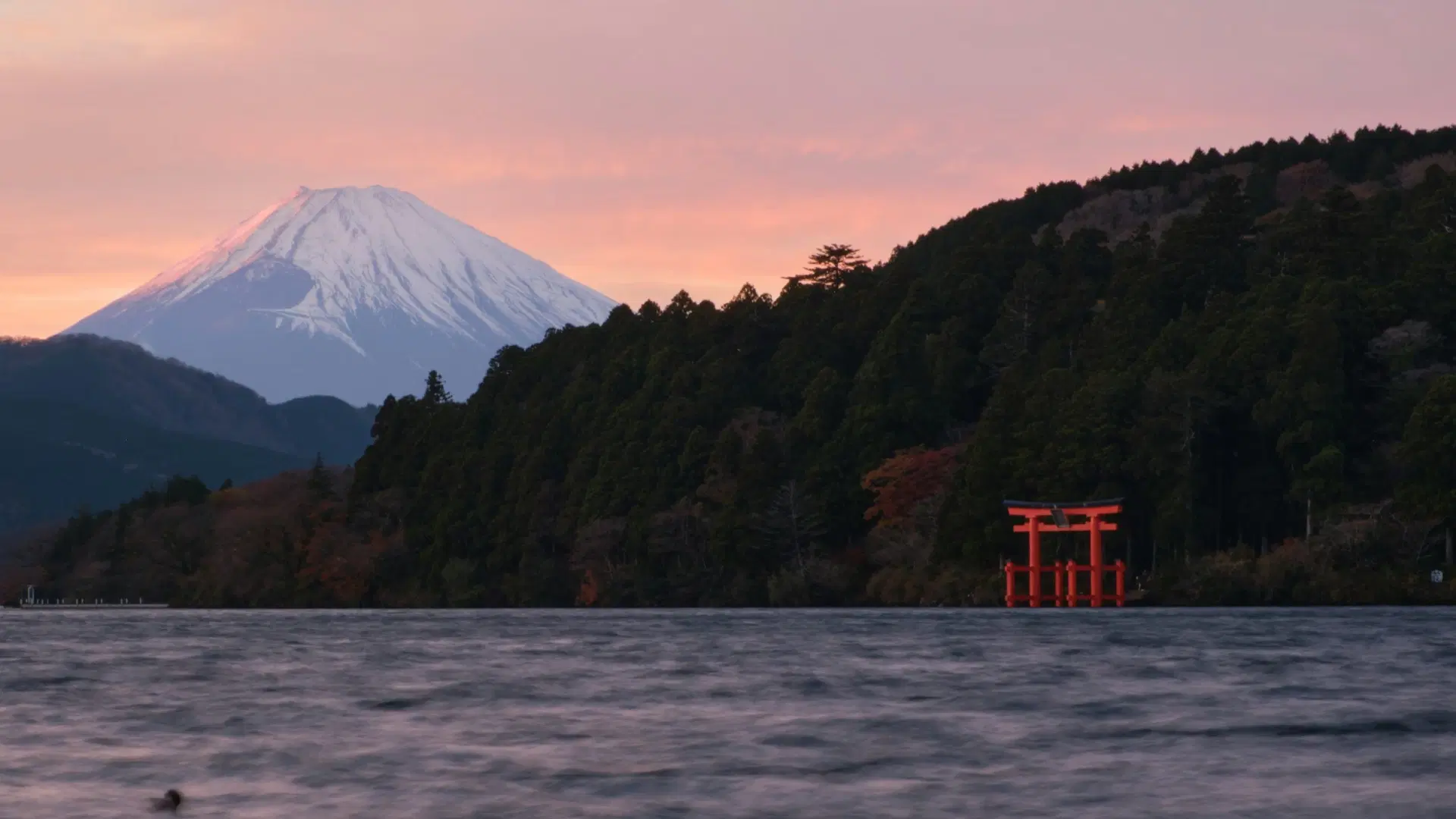
The view from the Sea Candle and the surrounding observation platforms places the island's illumination within its geographical context. The lights of the Shonan coast stretch in a glittering arc along the mainland shore, the dark water of Sagami Bay separates island from coast, and on clear winter evenings, the silhouette of Mount Fuji is visible against the western sky, its form occasionally catching the last light of sunset in a natural illumination that no human technology can rival.
The Enoshima Illumination, known as Shonan no Hoseki (Jewels of Shonan), transforms the small tidal island of Enoshima into a luminous fantasia that draws visitors through the winter months with a display of light that takes advantage of the island's unique topography.
History & Significance
Enoshima's identity as a place of beauty and pilgrimage extends back over a millennium. The island's shrines, dedicated to the goddess Benzaiten, have drawn visitors since the Kamakura period, and the island's dramatic geology, its sea caves, rocky shoreline, and clifftop views, have made it a subject for artists from Hokusai to contemporary photographers. The winter illumination tradition, established in the early 2000s, represents the latest chapter in this long history of aesthetic appreciation, adapting the island's natural beauty to the medium of electric light and extending its appeal into a season when the beach tourism that dominates summer has receded.
The illumination's development has been marked by increasing artistic ambition and technical sophistication. Early installations relied on simple string lighting; current displays employ programmable LED systems capable of complex color transitions and synchronized patterns that respond to music and environmental conditions. Samuel Cocking Park, the botanical garden at the island's summit named for a Victorian-era English merchant who established a garden and greenhouse on the site, provides a curated landscape whose permanent plantings interact with the temporary light installations in compositions that change annually, ensuring that repeat visits encounter fresh visual experiences.
What to Expect
The illumination begins at the island's base, where the approach from the mainland bridge leads to the first shrine gate and the beginning of the ascending path. The initial installations are relatively restrained, creating a visual appetizer that hints at the intensity to come without overwhelming the eye before the main displays are reached. The path climbs through a series of terraces, each hosting a distinct light installation whose theme and color palette differ from its neighbors, creating variety within the larger composition.
Samuel Cocking Park, at the summit, is the illumination's epicenter. The botanical garden's paths are transformed into tunnels and corridors of light whose crystalline surfaces catch and refract the LED illumination into millions of individual points, creating an effect of walking through a landscape of scattered gems. The Sea Candle tower, ascending from the garden's center, is wrapped in light that shifts through a color cycle visible from across the bay, its slender form functioning as both landmark and artwork. The tower's observation deck provides a 360-degree view that encompasses the illuminated island below, the coastal towns' lights along the shore, and the vast darkness of the open ocean to the south.
The descent through the island's western side offers a different perspective on the illumination, the lights viewed from above and at oblique angles that reveal the three-dimensional depth of installations that appeared flat when approached from below. The sea caves at the island's base, accessible by a path that descends to the waterline, provide a natural conclusion to the visit, their geological drama offering a reminder that Enoshima's beauty is fundamentally geological, the human illumination a temporary embellishment on a landscape shaped by forces that operate on timescales far exceeding human imagination.