Kamakura
鎌倉Kamakura was the capital of Japan for a century and a half, and it has not forgotten. From 1185 to 1333, the Kamakura shogunate ruled from this small coastal valley, establishing the warrior government that would define Japanese political life for the next seven centuries. The temples and shrines built during that era, along with those added in subsequent centuries, give Kamakura a concentration of religious architecture that rivals Kyoto in quality if not in quantity. The difference is atmosphere: where Kyoto sprawls across a broad basin, Kamakura is compressed between forested hills and the Pacific Ocean, creating an intimacy that makes its monuments feel personal rather than monumental.
The Great Buddha of Kotoku-in, a 13.35-meter bronze Amida Buddha cast in 1252, sits in the open air after a tsunami destroyed its enclosing hall in the fifteenth century. This exposure, far from diminishing the statue, has given it a quality of endurance that enclosed Buddhas cannot possess. Rain falls on its shoulders, sun warms its bronze skin, birds perch on its serene head. The Great Buddha has weathered the same storms as the people who come to contemplate it, and this shared vulnerability is part of what makes the encounter so affecting.
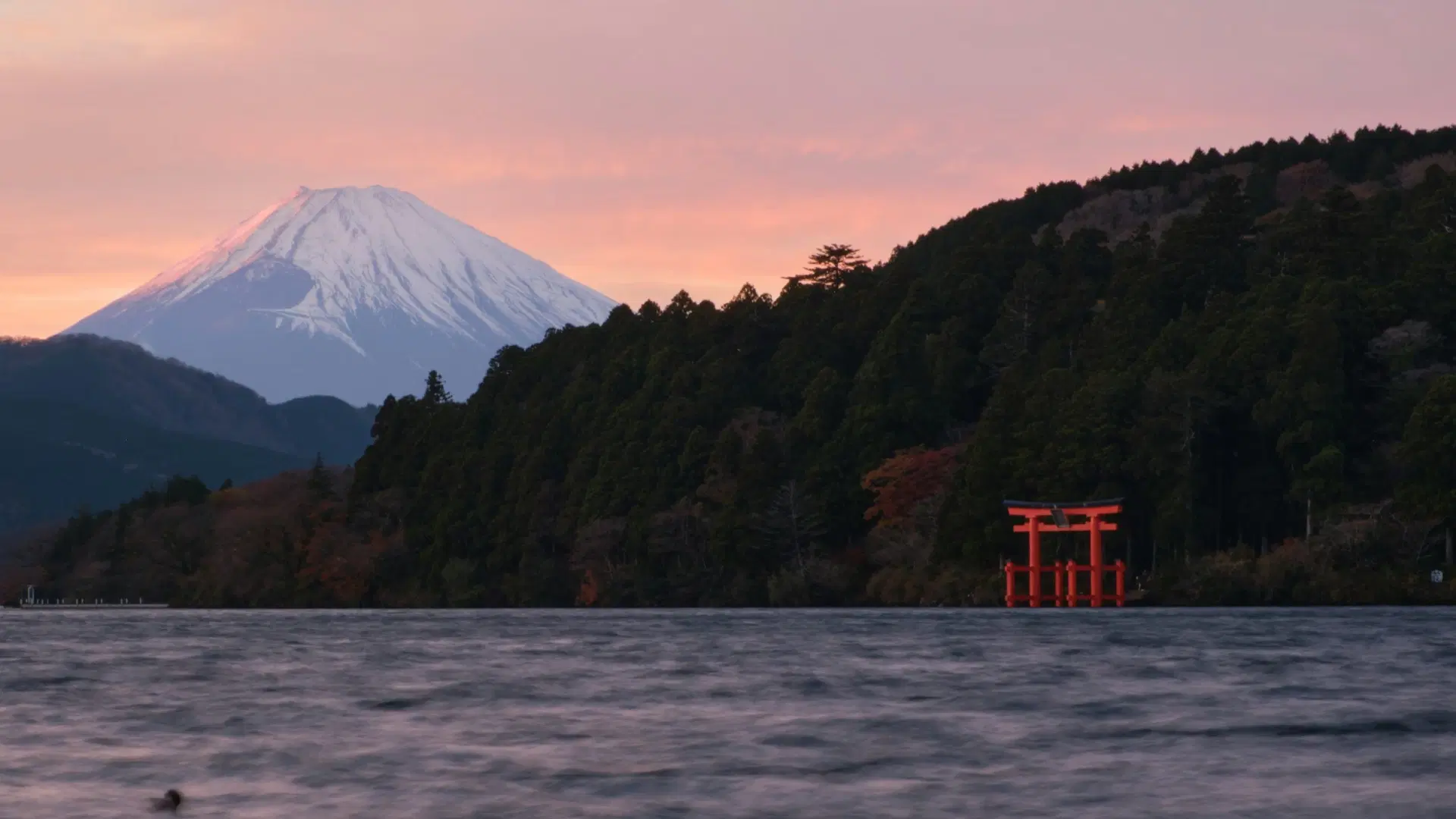
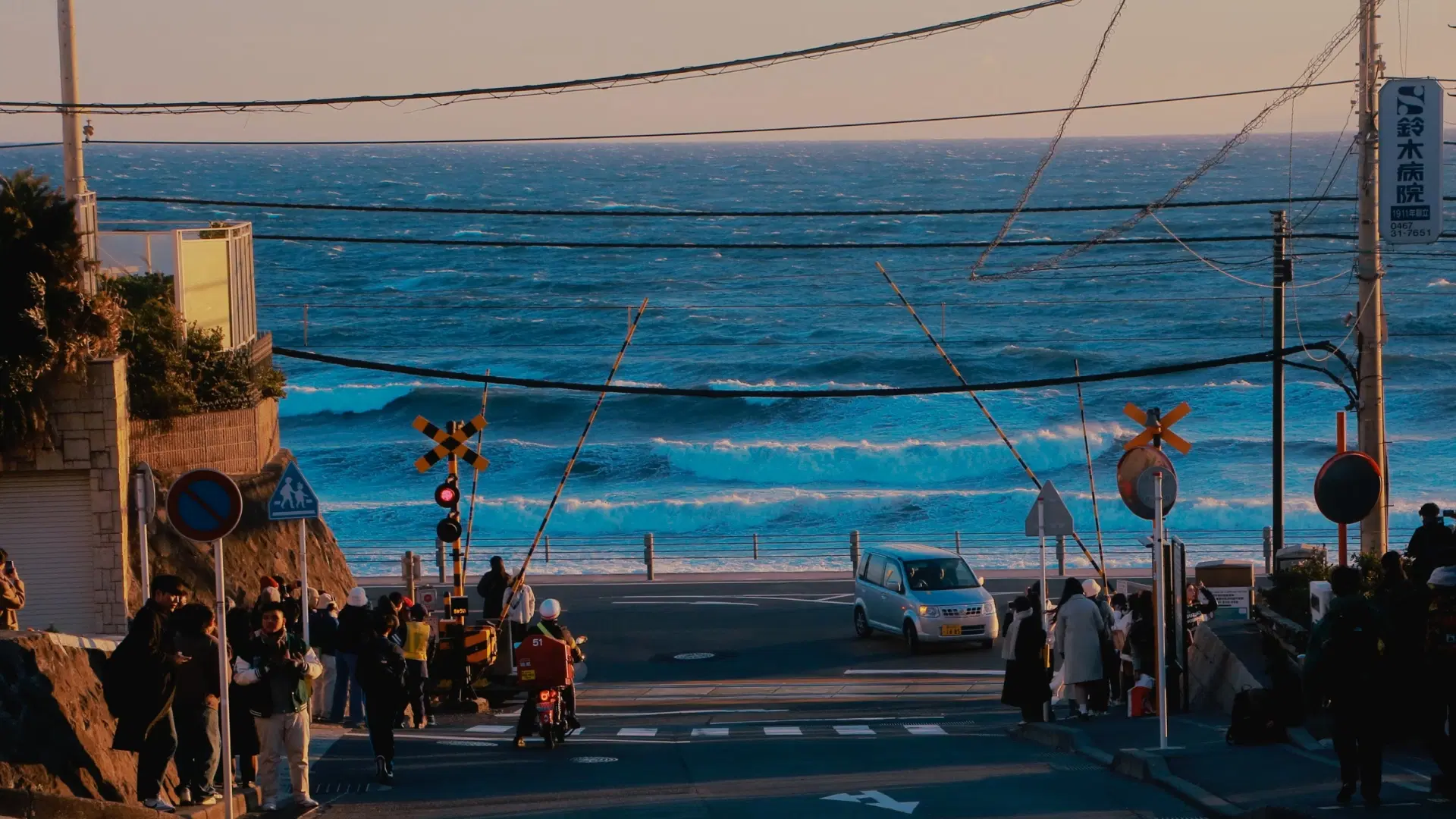
Kamakura's beach culture adds a dimension entirely absent from Kyoto. The town's southern edge is a crescent of sand facing Sagami Bay, where surfers ride the swells, families spread blankets in summer, and the winter sunsets silhouette Enoshima and, beyond it, Mount Fuji. This compression of the sacred and the recreational, monks chanting in hillside temples above teenagers waxing surfboards, gives Kamakura its distinctive and irreplicable character.
Kamakura was the capital of Japan for a century and a half, and it has not forgotten.
Highlights
The Great Buddha is the mandatory starting point, and the experience is best early or late in the day, when the angle of light on the bronze surface shifts from cool gray to warm gold. For a small fee, visitors can enter the hollow interior and see the casting marks that document the statue's thirteenth-century creation. The approach through the residential streets of Hase, passing beneath ancient trees, builds anticipation without the commercial gauntlet that precedes many famous sites.
Engaku-ji and Kencho-ji, the two great Rinzai Zen temples founded during the shogunate, remain active training monasteries. Engaku-ji's Shariden, housing a relic of the Buddha, is a National Treasure of restrained beauty. Kencho-ji's Sanmon gate and juniper-lined approach create an atmosphere of disciplined grandeur. Both temples offer seasonal zazen meditation sessions to the public.
The Daibutsu Hiking Course, connecting the Great Buddha area to Kita-Kamakura through forested ridges, provides a perspective on the town's geography that the valley streets cannot. The trail passes through quiet residential neighborhoods, crosses temple precincts, and offers occasional views of the ocean through breaks in the canopy. In June, the hydrangeas at Meigetsu-in and Hasedera temple create the most celebrated flower display in the Kanto region, the blue and purple blooms lining hillside paths with an abundance that transforms the temples into living gardens.
Culinary Scene
Kamakura's shojin ryori, Zen vegetarian cuisine, is the culinary tradition most deeply connected to the town's identity. Several temples offer these meals by reservation, multi-course presentations where each dish is prepared with the same discipline applied to meditation. The flavors are subtle, the portions modest, and the attention to seasonal ingredients absolute.
Shirasu, the tiny whitebait harvested from Sagami Bay, defines Kamakura's seafood culture. Served raw on rice within hours of landing, nama shirasu is available only when the catch is fresh and the weather permits fishing, a conditionality that makes the dish a genuine seasonal luxury. When the raw version is unavailable, the boiled and dried alternatives offer their own pleasures.
The streets around Kamakura Station and the approach to Hasedera harbor a thriving cafe culture, with independent roasters, matcha specialists, and bakeries that reflect the town's appeal to creative professionals who have chosen Kamakura's quieter pace over Tokyo's intensity.