Yokohama
横浜Yokohama is Japan's second-largest city, a status that it wears with the confidence of a place that helped invent modern Japan. When Commodore Perry's Black Ships forced Japan's ports open in the 1850s, it was Yokohama, then a fishing village, that became the country's first treaty port in 1859. Foreign merchants, diplomats, and their cultures poured through this gateway, and Yokohama absorbed them all. The city's DNA is cosmopolitan in a way that even Tokyo, for all its international surface, cannot quite match. This is where Western brewing, bread-making, and journalism entered Japan. This is where the first railway terminus was built, the first gas lamps were lit, and the first international rugby match was played.
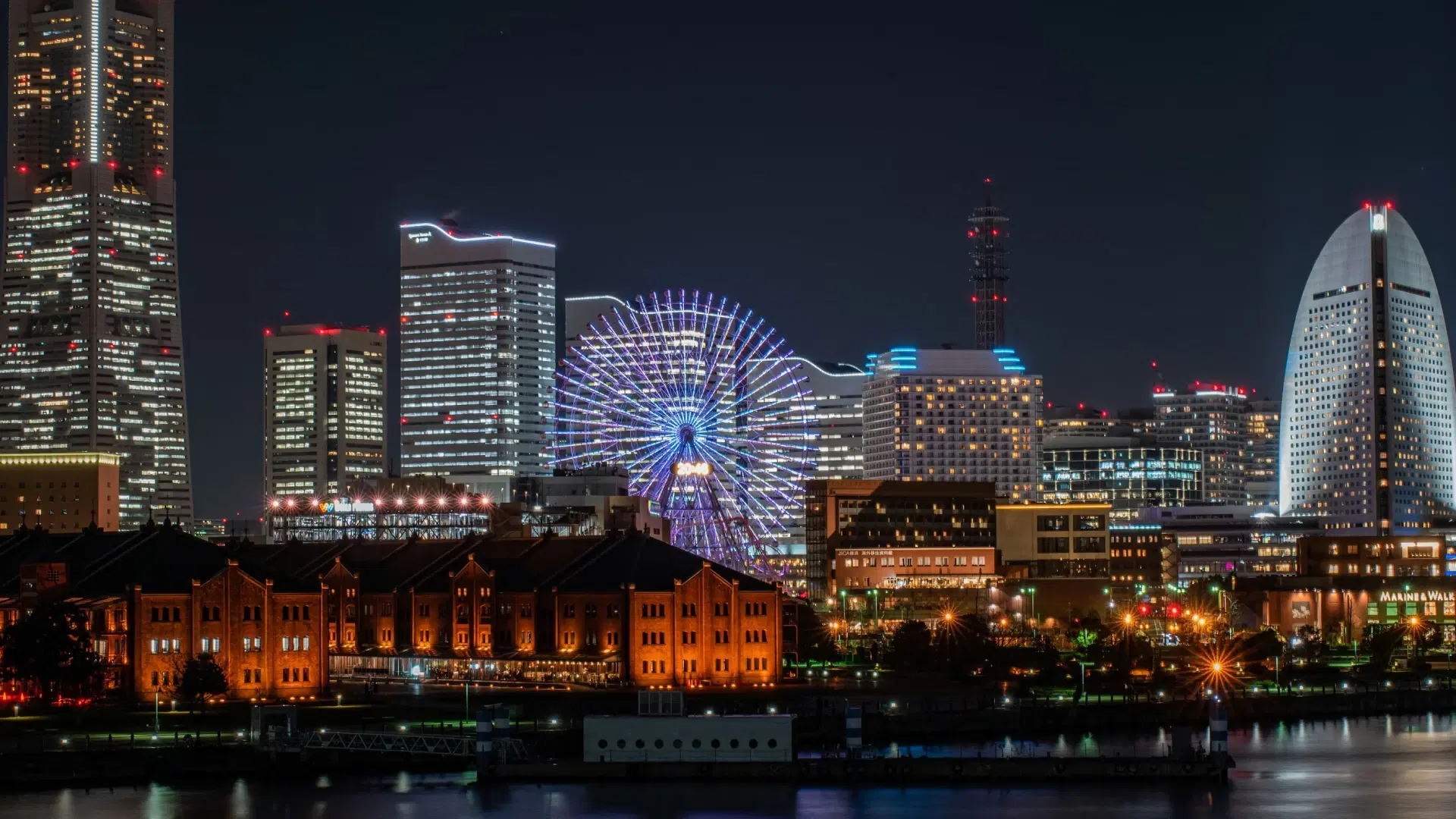
The waterfront tells this story architecturally. The red-brick warehouses of Aka Renga Soko, built during the Meiji era, have been converted into shops and event spaces that honor their industrial heritage. The Yamashita Park promenade extends along the harbor past the art deco facade of the Hotel New Grand, where MacArthur stayed during the occupation. The recently developed Minato Mirai district, with its Landmark Tower and ferris wheel, adds a contemporary chapter to the waterfront narrative.
Yokohama Chinatown, the largest in Japan at over 500 shops and restaurants packed into a few dense blocks, is not a museum piece but a living commercial district where four generations of Chinese-Japanese families maintain culinary traditions that span Cantonese, Shanghainese, Sichuan, and Beijing cuisines. The sensory density of its narrow streets, layered with the smells of steaming baozi, the sounds of Mandarin and Cantonese, and the visual intensity of red lanterns and gilded gates, is unmatched outside China itself.
Yokohama is Japan's second-largest city, a status that it wears with the confidence of a place that helped invent modern Japan.
Highlights
Sankeien Garden is Yokohama's most refined attraction and one of the great gardens of eastern Japan. Built by the silk magnate Hara Tomitaro in 1906, it gathers seventeen historic structures from across Japan, including a three-story pagoda from Kyoto and tea houses from Kamakura, into a landscape of ponds, streams, and meticulously maintained plantings. The garden's spring cherry blossoms, summer lotus, autumn foliage, and winter plum blossoms provide year-round seasonal beauty. The integration of nationally significant architecture into a single, cohesive landscape reflects Hara's vision of preserving Japan's cultural heritage through creative recontextualization.
Yokohama Chinatown rewards the appetite and the curious. The main street's larger restaurants serve elaborate banquets, but the real discoveries are in the side alleys: hand-pulled noodle shops, Shanghainese soup dumpling specialists, and bakeries producing Chinese-style pastries that have adapted to Japanese tastes over generations. The Kanteibyo temple, a Guan Yu shrine of extraordinary ornamental density, anchors the district spiritually.
The Cup Noodles Museum, an interactive experience tracing the invention of instant ramen by Ando Momofuku in 1958, is more thoughtful than its name suggests, exploring the relationship between creativity, necessity, and industrial food production with genuine wit.
Culinary Scene
Yokohama's culinary identity is defined by plurality. Chinatown alone could sustain weeks of eating without repetition, from the elaborate Cantonese dim sum at Heichinrou, Japan's oldest Chinese restaurant, to the casual nikuman steamed buns sold from street-front windows. The city claims parentage of several Japanese food innovations: the Naporitan spaghetti, a ketchup-based pasta dish invented at the Hotel New Grand, and sanma-men ramen, a sesame-soy noodle soup particular to Yokohama.
The waterfront district has developed a sophisticated dining scene that draws on the city's international heritage. Craft beer has flourished, with several breweries continuing the tradition begun by the first Western brewers in the treaty port era. The Noge district, a slightly worn entertainment quarter beneath the elevated highway, preserves an old-school izakaya culture that offers authentic atmosphere at accessible prices.
Ryokans in Kanagawa
There are no ryokans in our guide listed in Yokohama. See our selection across Kanagawa.
View ryokans in Kanagawa