Hakone Ekiden
箱根駅伝The Hakone Ekiden is not merely a road race but a national ritual, a two-day relay marathon between Tokyo and Hakone that captivates Japan each New Year with a drama whose emotional intensity rivals that of any sporting event on earth. Twenty university teams, each fielding ten runners across ten legs that cover a total distance of 217.1 kilometers, battle from the Otemachi district of central Tokyo to the shores of Lake Ashi in Hakone and back again, their effort broadcast live on national television to audiences that routinely exceed twenty-five percent of the population. For two days at the start of each year, the roads of Kanagawa Prefecture become a stage on which young men push themselves to the boundaries of human endurance, and the nation watches with an attention that transforms a collegiate athletic competition into something closer to a communal meditation on perseverance, sacrifice, and the passage of time.
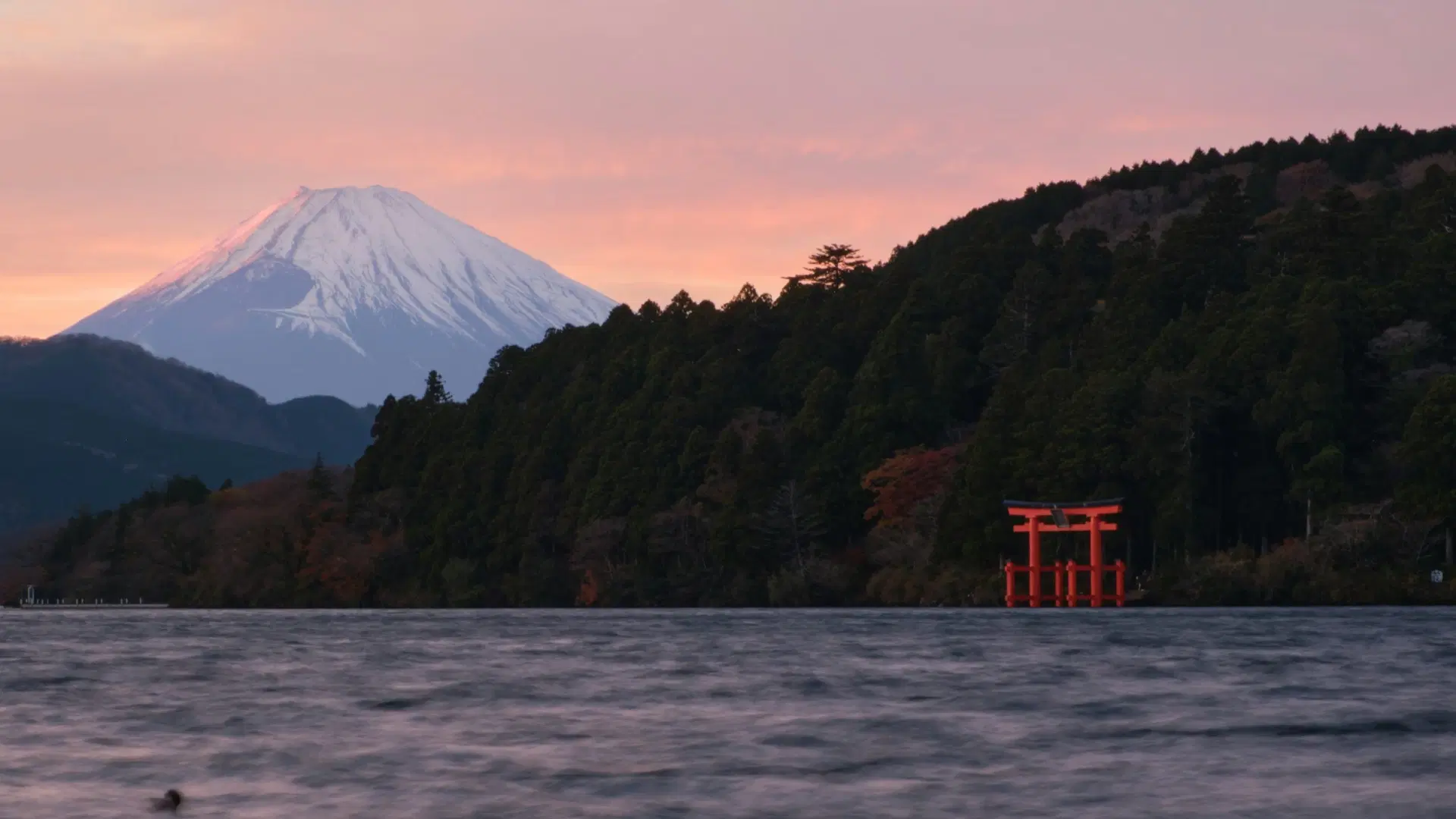
The race's course through Kanagawa is its most dramatic. The outbound fifth leg, which climbs from Odawara through the Hakone mountains to the finish at Lake Ashi, gaining over 800 meters of elevation in 20.8 kilometers, is the most punishing and celebrated section of any road race in Japan. The mountain leg, as it is known, has broken runners and made legends, its steep gradients and cold winter air demanding a combination of physical strength and psychological resilience that separates the extraordinary from the merely excellent. The runners who conquer this leg become, in the Japanese sporting imagination, figures of almost mythic stature.
The return journey on January 3 reverses the narrative, sending runners down the mountain in a descent that demands a different kind of courage, the controlled surrender to gravity requiring joints, tendons, and judgment to absorb forces that the uphill effort merely generated. The drama of the return is the drama of the chase: teams that lost ground on the mountain attempt to recover on the flat coastal sections, and the final legs through Yokohama and into Tokyo produce finishes whose margins, measured in seconds after hours of racing, deliver a theatrical tension that no scriptwriter could improve.
The Hakone Ekiden is not merely a road race but a national ritual, a two-day relay marathon between Tokyo and Hakone that captivates Japan each New Year with a drama whose emotional intensity rivals that of any sporting event on earth.
History & Significance
The first Hakone Ekiden was run on February 14, 1920, organized by Shizo Kanakuri, the father of Japanese marathon running and a participant in the 1912 Stockholm Olympics. Kanakuri conceived the relay as a training ground for developing marathon runners capable of competing at the international level, and the Hakone course, with its combination of flat coastal roads and severe mountain terrain, was chosen specifically to test every dimension of distance running ability. The race was moved to its current January 2-3 date in 1956, embedding it permanently in the New Year holiday period and ensuring its place in the national consciousness.
Over more than a century, the Hakone Ekiden has accumulated a mythology that enriches each running. Stories of runners collapsing on the mountain, of miraculous comebacks on the return leg, of sash handoffs completed with seconds to spare, form a narrative tradition that Japanese sports fans inherit and augment each year. The race has also served as a proving ground for Japan's greatest distance runners, many of whom went on to represent the nation in Olympic and World Championship marathons. The emotional power of the event lies in its fusion of individual suffering with collective purpose: each runner carries not only the sash of his team but the weight of his university's history and the expectations of alumni whose memories of their own racing days inform their passionate spectatorship.
What to Expect
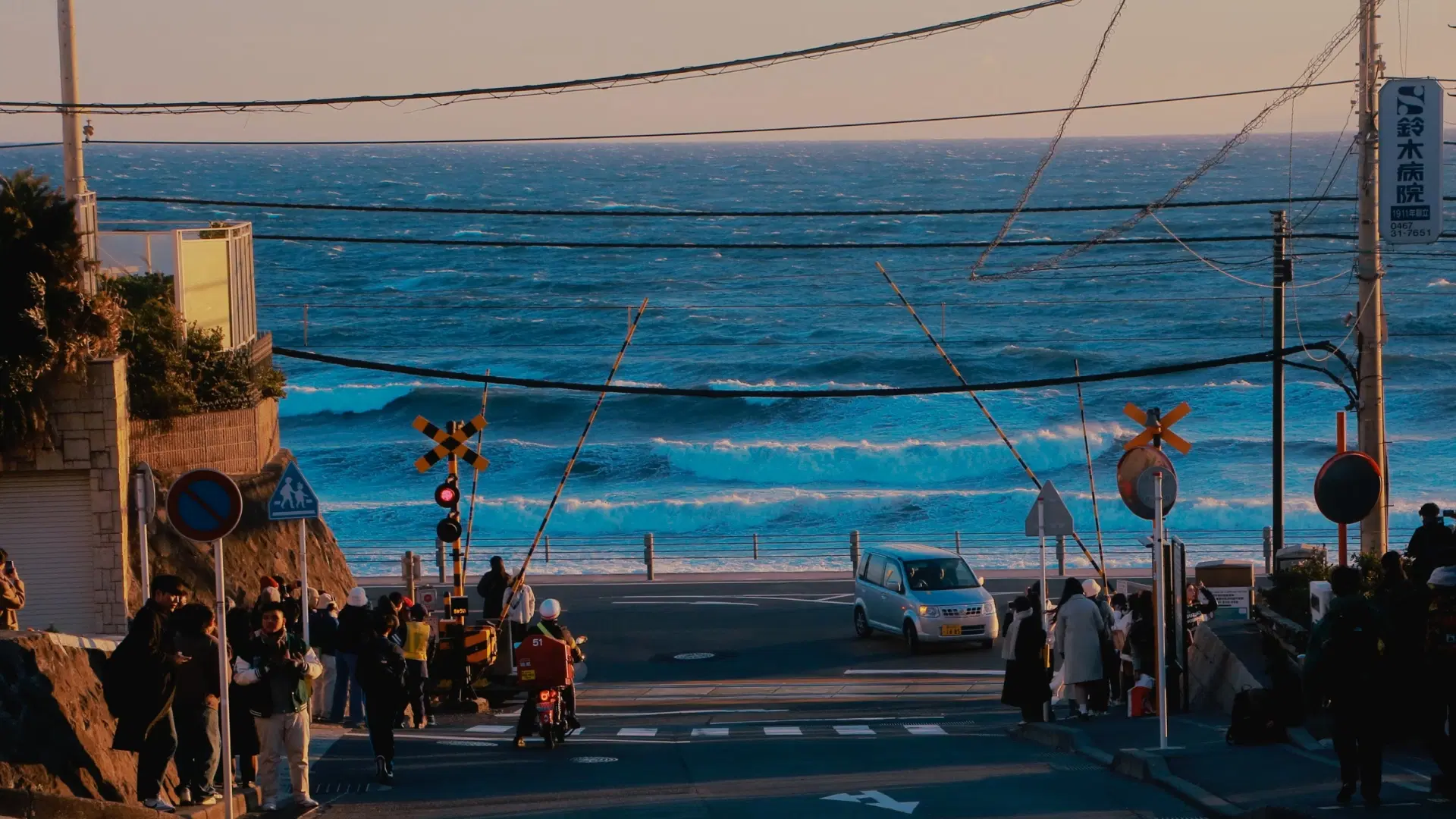
The outbound race on January 2 begins in central Tokyo, but it is in Kanagawa that the drama deepens. The early legs through Yokohama and along the Shonan coast establish the tactical positions that will be tested on the mountain, and knowledgeable spectators read the gaps between teams with the practiced eye of chess players assessing a middlegame position. The coastal sections offer accessible viewing from roadsides where the runners pass close enough to hear their breathing and see the concentration in their faces.
The fifth leg into the Hakone mountains is the race's crucible. Spectators who position themselves along the climbing sections witness an athletic struggle of raw, unadorned intensity. The runners' pace, already punishing on the flat, barely slows as the road tilts upward, and the physical cost becomes visible in their faces, their form, their breathing. The mountain roads are lined with supporters whose encouragement, shouted through megaphones and carried on the cold January air, provides the only warmth available to athletes racing in near-freezing temperatures. The finish at Lake Ashi, where the mountain runners hand off to their teams for the return journey the following day, is charged with the emotion of completed ordeal.
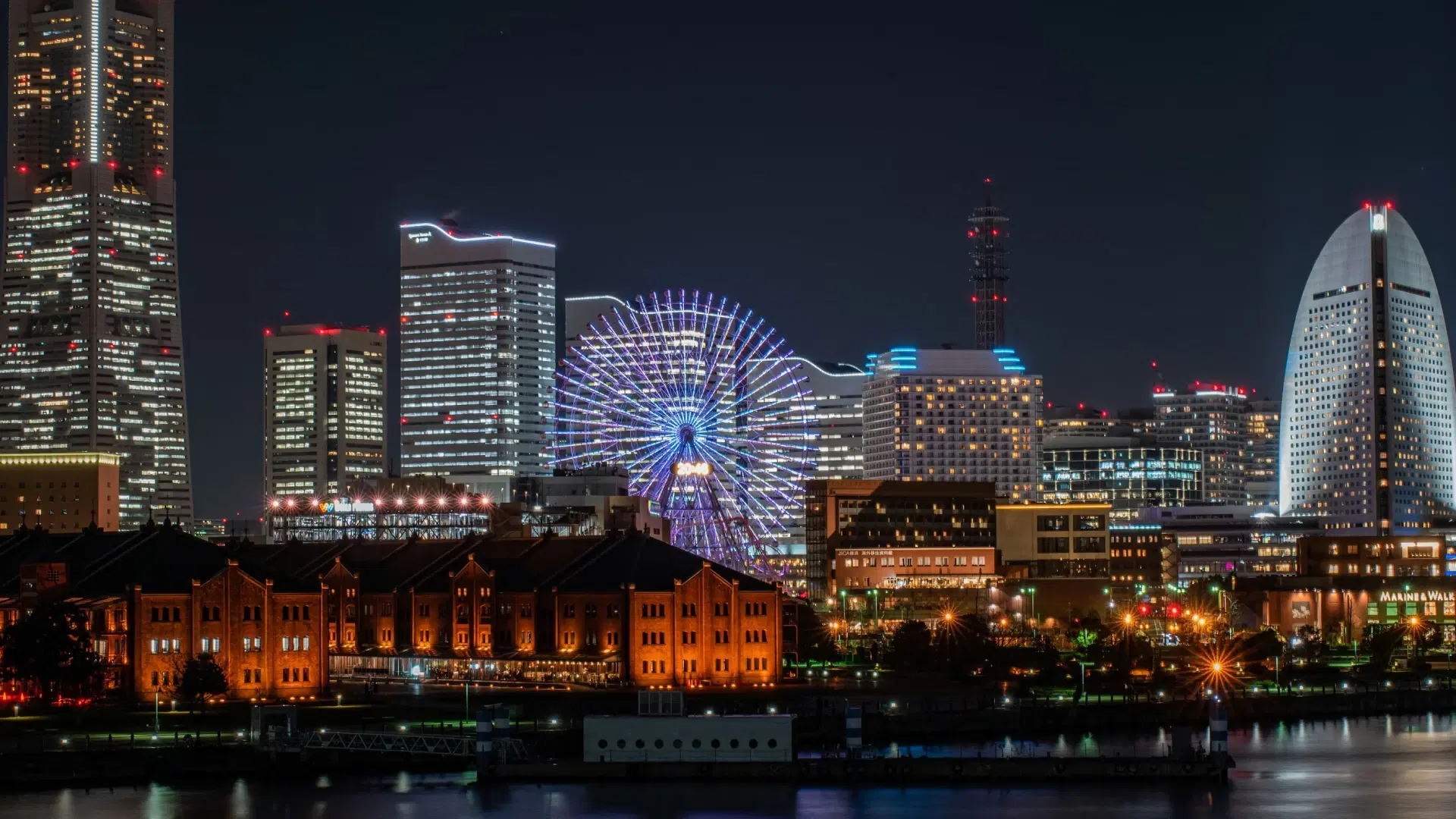
The return on January 3 brings its own theater. The sixth-leg descent of the mountain demands technical skill and physical courage, and the flat legs through Kanagawa into Tokyo produce the overtaking battles and dramatic lead changes that define the race's second-day narrative. Spectators along the route in Yokohama and Kawasaki witness the race's resolution, the final ordering of teams that determines a year's worth of pride and regret for the universities involved.