Yugawara
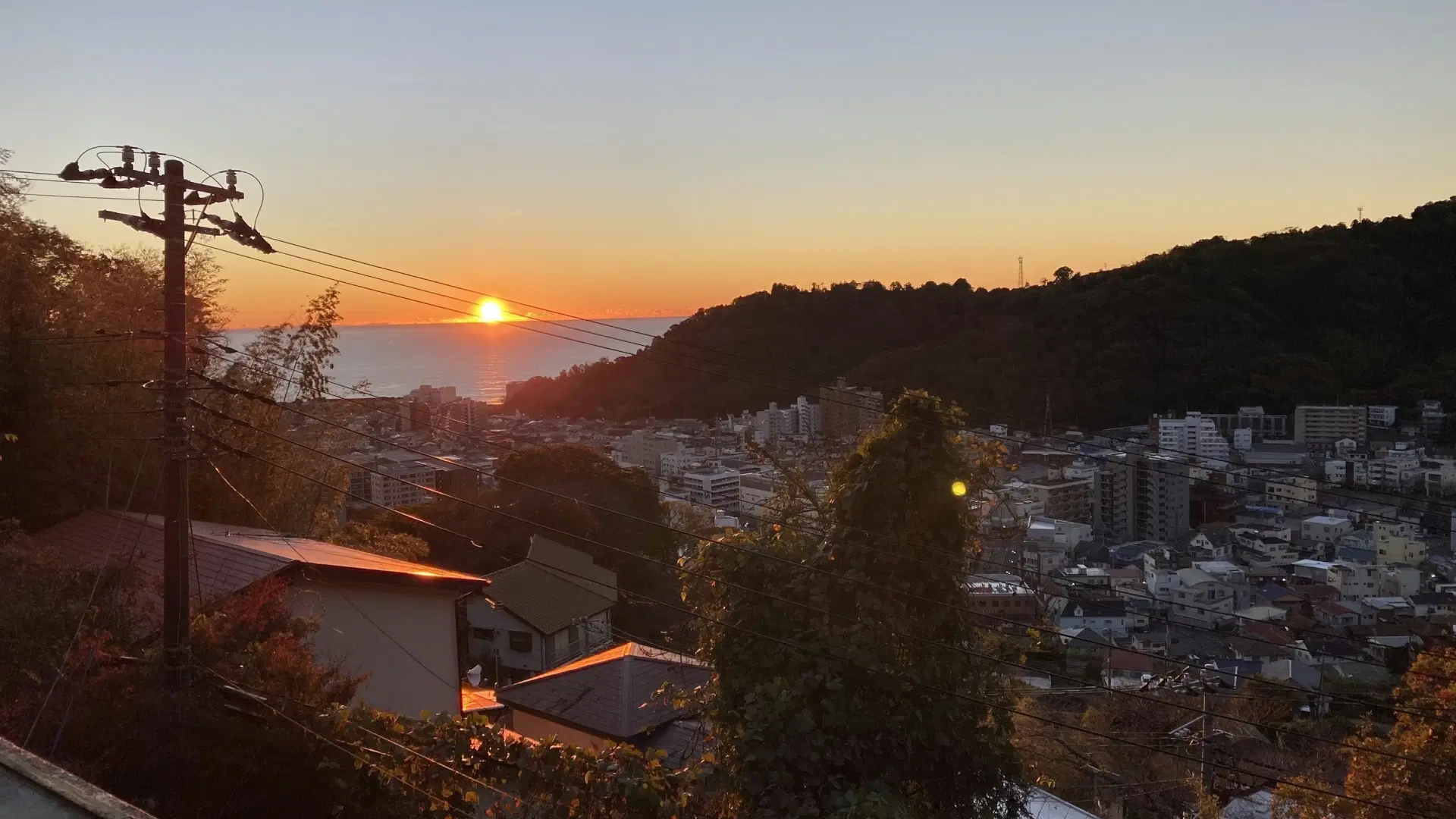
湯河原Yugawara occupies a narrow valley where the mountains of western Kanagawa descend to the Sagami coast, its hot springs emerging at the geological seam between volcanic upland and ocean. The town's waters are among the oldest documented in Japan: they appear in the Manyoshu, the eighth-century poetry anthology, where a verse praises "the hot springs of Yugawara, which even the gods cannot keep secret." This literary pedigree has shaped Yugawara's character across the centuries, attracting writers, painters, and intellectuals who found in the combination of healing waters, mountain solitude, and coastal proximity an environment conducive to creative work.
Natsume Soseki, Tanizaki Junichiro, and numerous other luminaries of Japanese literature stayed and worked in Yugawara, and the town's association with the literary arts persists in its quiet, slightly bookish atmosphere. Unlike the larger resort towns of Hakone or Atami, Yugawara has not pursued aggressive development. Its ryokans line the Chitose River as it descends to the sea, their gardens receiving the spray of the current, their rooms oriented toward the mountain or the water depending on the guest's preference. The scale is intimate, the pace deliberately slow.
The waters themselves are calcium sulfate springs, classified as slightly alkaline, with a smoothness on the skin that is immediately apparent. The Japanese describe the sensation as bijin no yu, waters that beautify, and while the claim is ancient, the experience does leave the skin notably soft. Yugawara's onsen have historically attracted those recovering from illness or fatigue, and the town retains something of the sanatorium's quietude, a place where rest is taken seriously.
Yugawara occupies a narrow valley where the mountains of western Kanagawa descend to the Sagami coast, its hot springs emerging at the geological seam between volcanic upland and ocean.
Highlights
The Manyoshu Park, set along the Chitose River, marks the literary and spiritual origin of Yugawara's onsen tradition with stone inscriptions of the ancient poems that reference the town's springs. The park's autumn foliage, reflected in the clear mountain stream, provides one of the most serene landscapes on the Sagami coast.
The Yugawara Plum Grove, blooming from late January through March, covers a hillside with approximately four thousand red and white plum trees, the earliest significant blossom event in the Kanto region. The grove's elevation provides views over the Sagami Bay, and the combination of fragrant plum blossoms, warm winter sunshine, and distant ocean creates an atmosphere of temperate refinement.
For those seeking a deeper onsen experience, Okuyugawara, further up the valley, offers quieter ryokans in a more secluded mountain setting, where the forest closes in and the sound of the river becomes the dominant presence. Several establishments here maintain rotenburo outdoor baths cantilevered over the stream, an integration of bathing and natural landscape that exemplifies the Japanese onsen ideal.
Culinary Scene
Yugawara's cuisine reflects its position at the intersection of mountain and ocean. The morning fish market at nearby Manazuru provides the town's restaurants with daily-caught seafood, particularly aji horse mackerel and kinmedai golden-eye snapper. The mountain side contributes wild vegetables, wasabi from the valley streams, and citrus from the lower slopes, where the warm coastal microclimate supports mikan cultivation.
The ryokan kaiseki in Yugawara tends toward elegance without ostentation, the courses smaller and more refined than the abundant mountain fare of inland onsen towns. Several establishments serve meals that integrate the local onsen water into the cooking, using it to prepare tofu or steam vegetables, a practice that connects the table to the springs with literal directness.