Toji Temple Flea Market
東寺弘法市The Kobo-san flea market at Toji Temple is the oldest and most atmospheric open-air market in Kyoto, a monthly gathering of more than a thousand vendors that transforms the grounds of this ancient Shingon Buddhist temple into a bazaar of antiques, ceramics, textiles, food, and the accumulated material culture of a city that has been producing beautiful objects for more than twelve centuries. Held on the twenty-first of every month, the date of Kobo Daishi's death and the most auspicious day in the Shingon calendar, the market draws vendors from across the Kansai region who spread their wares on blankets and folding tables beneath the temple's towering five-story pagoda, the tallest wooden structure in Japan, creating a scene that collapses the boundary between sacred space and commercial exchange in a manner that is quintessentially Japanese.
The market's inventory spans the entire range of Japanese material culture, from Meiji-era ceramics and hand-stitched kimono fabrics to vintage woodblock prints, lacquerware, Buddhist implements, and the ordinary domestic objects of previous generations whose beauty is only apparent when they are removed from the kitchens and workshops where they spent their working lives and displayed on a cloth in the open air. The pleasure of the Kobo-san market is the pleasure of the hunt, the slow, attentive scanning of a vendor's table that suddenly yields an object of unexpected beauty or historical interest, a teacup whose glaze carries the fingerprint of its maker, a woodworker's plane whose blade has been sharpened by generations of use into a form of involuntary sculpture.
The atmosphere is unhurried and sociable, the conversations between vendors and buyers conducted with the mutual respect of people who share an appreciation for objects that carry the patina of time and use. The temple setting gives the market a spiritual undertone, the awareness that one is buying and selling in the shadow of a pagoda that has stood since the ninth century, and the smoke of incense from the temple's main hall mingles with the steam from the food stalls to create an olfactory environment that is as layered and complex as the visual one.
History & Significance
The Kobo-san market has its origins in the gatherings of pilgrims and merchants that formed around Toji Temple on the memorial days of Kobo Daishi, the ninth-century monk who founded the Shingon sect of Buddhism and who is one of the most beloved figures in Japanese religious history. Kobo Daishi, also known as Kukai, was granted stewardship of Toji by Emperor Saga in 823, and the temple became the headquarters of Shingon Buddhism, a role it has maintained for twelve centuries. The monthly memorial observances on the twenty-first attracted worshippers from across the region, and where worshippers gathered, merchants followed, establishing the market tradition that has continued without interruption for centuries.
The market expanded significantly during the Edo period, when the growth of Kyoto's population and the development of its commercial culture created demand for the kind of secondhand and artisanal goods that the Kobo-san market specialized in. The tradition of selling used kimono, antique ceramics, and Buddhist implements at the market established it as the primary venue for the circulation of Kyoto's material culture, a place where the possessions of one generation became the treasures of the next. The market's survival through the upheavals of the modern era, including wartime austerity and the postwar transformation of Japanese consumer culture, testifies to the depth of its roots in the city's commercial and spiritual life.
What to Expect
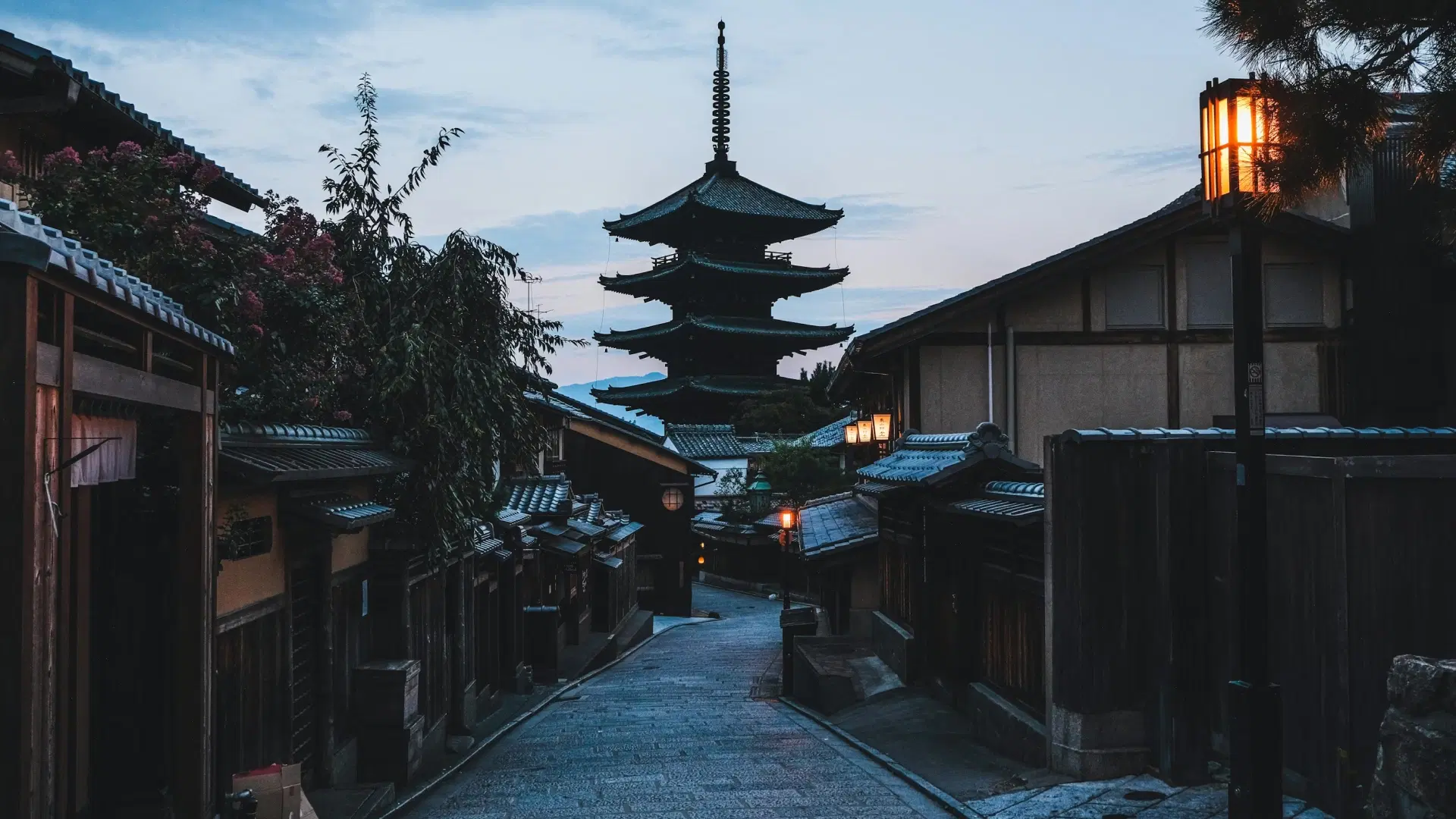
The market opens at dawn and runs until approximately 4:00 PM, with the most dedicated buyers arriving in the early morning hours when the selection is freshest and the atmosphere most contemplative. The grounds of Toji are extensive, and walking the full circuit of vendors requires at least two hours of unhurried browsing. The pagoda, visible from virtually every point in the market, serves as both landmark and aesthetic backdrop, its wooden tiers rising above the canvas canopies and tarps of the vendor stalls in a juxtaposition of the monumental and the improvised that captures the market's essential character.
The food stalls are one of the market's great pleasures, offering freshly grilled mochi, seasonal vegetables, pickles, roasted chestnuts, and the kind of simple, well-made snacks that sustain the browsing stamina. The vendors themselves are a community of specialists, many of whom have been selling at the market for decades, and their knowledge of the objects they sell, whether Meiji ceramics, vintage textiles, or hand-forged kitchen knives, adds a dimension of education to the shopping experience. Negotiation is conducted with gentle indirection, and prices are generally fair, reflecting the vendors' long-term investment in their reputations.
The December market, known as Shimai Kobo, is the largest and most festive of the year, with additional vendors and extended hours. The January market, Hatsu Kobo, carries the fresh energy of the new year and is considered an auspicious time to acquire objects that will bring good fortune. Both of these special markets draw significantly larger crowds than the regular monthly sessions.