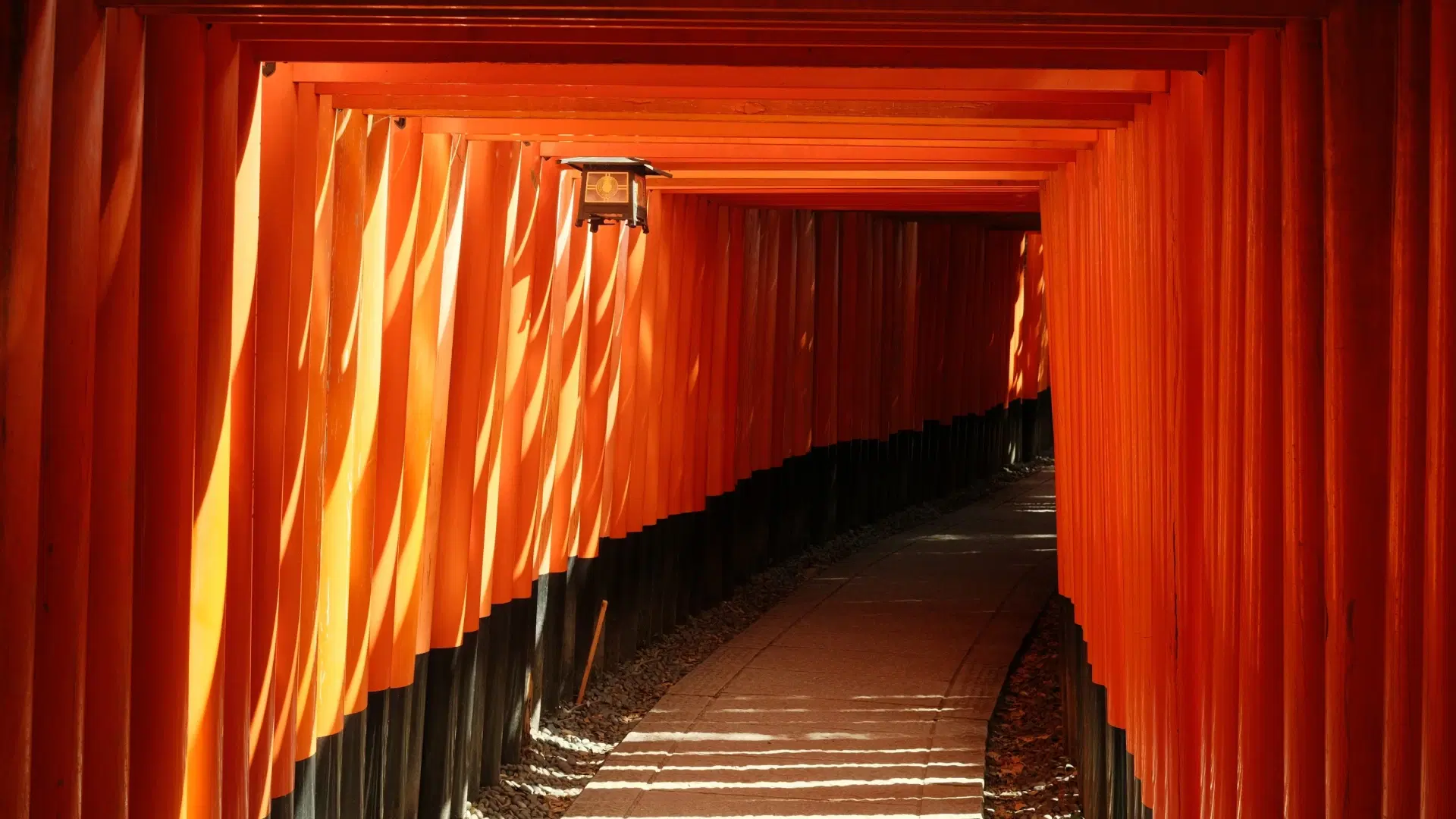
Setsubun at Yoshida Shrine
吉田神社節分祭The Setsubun Festival at Yoshida Shrine is the largest and most atmospheric celebration of the seasonal turning in Kyoto, a three-day event that draws hundreds of thousands of visitors to the wooded hillside of Mount Yoshida to participate in rituals of purification, demon expulsion, and the welcoming of spring. Setsubun marks the eve of the first day of spring in the traditional Japanese calendar, the liminal moment when winter yields to the new season and the boundaries between the human and spirit worlds are believed to thin. At Yoshida Shrine, this transition is observed with a combination of solemnity and theatrical exuberance that makes the festival both a genuine religious observance and one of the most entertaining evenings in the Kyoto year.
The shrine's hillside location, surrounded by the dense forest that covers Mount Yoshida on the eastern edge of the city, gives the festival an atmosphere of wildness and antiquity that distinguishes it from celebrations held at more urban shrines. The paths that wind up the mountain are lined with hundreds of food stalls and vendor tents, their lanterns creating a tunnel of warm light through the February darkness, while above them the shrine buildings glow with the light of bonfires and ritual flames. The combination of forest, fire, and festive commerce produces a sensory environment that feels older than the city itself, a midwinter gathering whose roots reach back to the deepest layers of Japanese folk religion.
The festival's central ritual is the Tsuina, a demon-expulsion ceremony in which performers wearing the masks of oni, the horned demons of Japanese folklore, are driven from the shrine precincts by figures representing the forces of good. The ceremony, performed on the evening of February 2, is a theatrical rendering of the fundamental Setsubun act: the casting out of misfortune and the invitation of good fortune at the turning of the season. The audience's participation in the ritual, shouting and cheering as the demons are vanquished, transforms the ceremony from a performance into a collective act of spiritual housecleaning.
History & Significance
Yoshida Shrine was established in 859 by Fujiwara no Yamakage, who invited the deities of the Kasuga Grand Shrine in Nara to take up residence on Mount Yoshida, creating a branch shrine that would serve the spiritual needs of the capital's powerful Fujiwara clan. The shrine's Setsubun observances grew in prominence during the medieval period, when the Yoshida school of Shinto, founded by the shrine's priestly family, became one of the most influential theological movements in Japan. The Setsubun festival became the shrine's signature event, attracting devotees from across the city who came to participate in the demon-expulsion rituals and to receive the spiritual protections associated with the seasonal turning.
The festival's scale expanded dramatically during the Edo period, when the combination of religious observance and commercial entertainment that characterizes the modern festival took its present form. The food stalls, the vendor tents, and the carnival atmosphere that surround the shrine during Setsubun reflect the Edo-period understanding that spiritual and commercial life were not opposed but complementary, that the gods were pleased rather than offended by the energy of human commerce and festivity. The Daigoma bonfire ritual, in which old amulets, talismans, and New Year decorations collected from across the city are burned in a massive pyre on the shrine grounds, was established as a means of ritually disposing of the previous year's spiritual protections, clearing the way for the new protections that the coming spring would bring.
What to Expect
The festival spans three days, with the most dramatic events concentrated on the evenings of February 2 and 3. The Tsuina demon-expulsion ceremony on the evening of February 2 is the theatrical highlight, with masked performers enacting the battle between demons and divine protectors in the firelit courtyard of the main shrine. The ceremony draws dense crowds, and arriving early to secure a viewing position is essential. The atmosphere is festive and participatory, with the audience cheering, laughing, and calling out encouragement as the demons are driven away.
The Daigoma bonfire on the evening of February 3 is a spectacle of a different order, a vast conflagration in which the accumulated amulets and decorations of the previous year are consumed in flames that can reach several meters in height. The fire is believed to carry prayers and purification upward to the heavens, and the sight of the flames against the dark trees of Mount Yoshida, with sparks spiraling into the winter sky, creates an image of extraordinary power. Visitors write their wishes on wooden tablets and cast them into the fire, an act of personal petition that connects the individual to the communal ritual of renewal.
The food stalls that line the approach to the shrine are one of the festival's great pleasures, offering grilled skewers, hot sake, steaming bowls of noodles, and the seasonal delicacy of ehomaki, the thick sushi rolls that are eaten in silence while facing the auspicious direction of the year. The combination of cold air, warm food, firelight, and communal energy creates a winter festival experience that is deeply satisfying on both sensory and spiritual levels.