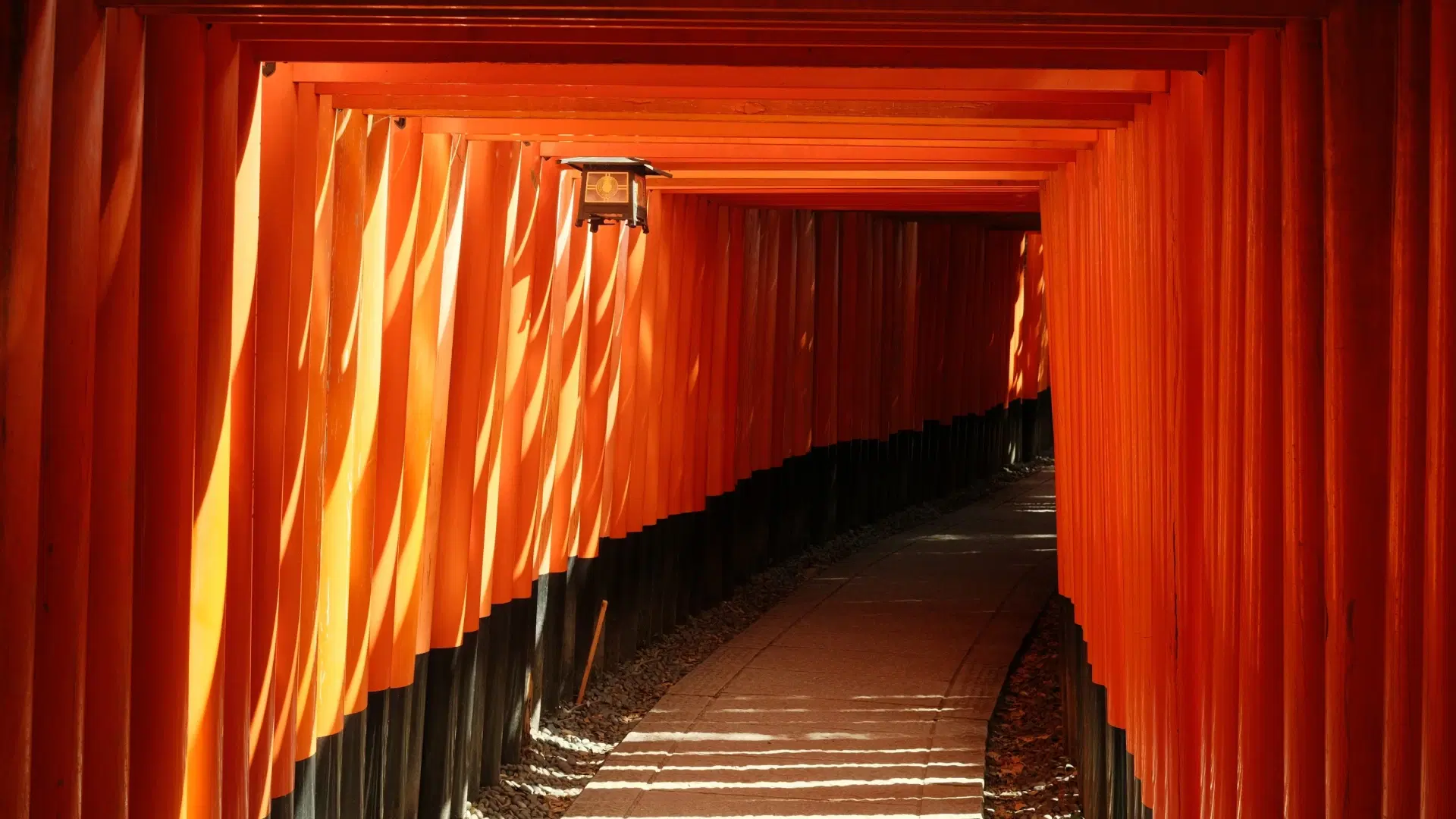
Hanatoro Illumination
花灯路The Hanatoro Illumination transforms the historic streets and temple precincts of Kyoto into corridors of warm light, an annual event that uses thousands of lanterns to reveal the beauty of the city's most celebrated landscapes in a register that daylight cannot access. Held twice each year, in the Higashiyama district in March and in the Arashiyama district in December, Hanatoro lines the streets, paths, and waterways of these neighborhoods with handmade lanterns whose soft, amber glow creates an atmosphere of intimate beauty that is entirely distinct from the commercial illuminations that characterize winter light festivals elsewhere. The effect is not of spectacle but of revelation, as though the lantern light were not adding something to the landscape but uncovering something that was always present but invisible in the brightness of day.
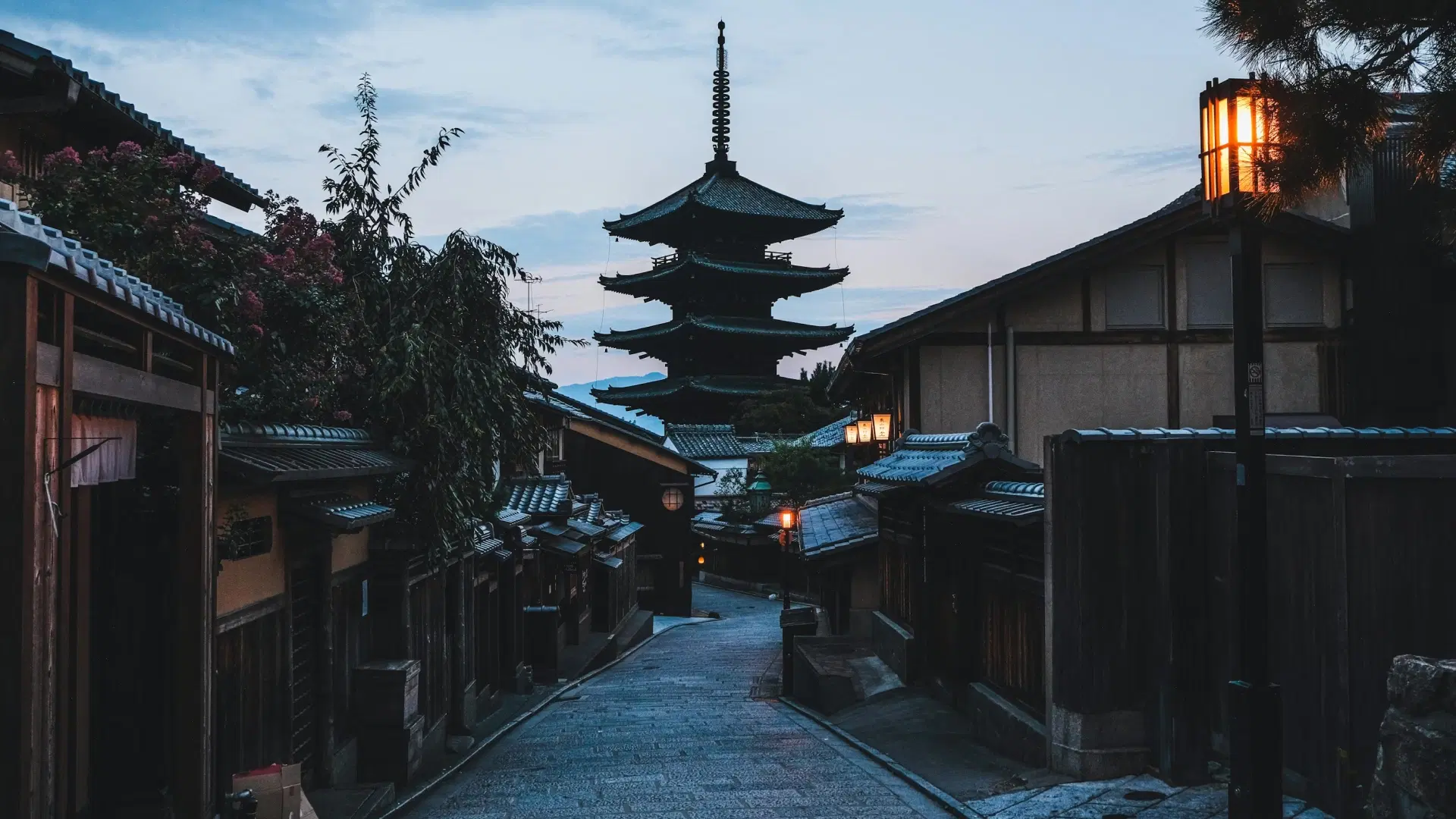
The Higashiyama Hanatoro, held in early March, illuminates the path from Shogun-zuka through Maruyama Park and along the stone-paved lanes of the Higashiyama district, past Kodai-ji, Yasaka Shrine, and the approach to Kiyomizu-dera. The route traces one of the most historically and aesthetically significant walking paths in the city, and the lantern light, casting gentle shadows on the stone walls, wooden fences, and temple gates that line the way, produces a version of Higashiyama that feels like a recovered memory, the Kyoto of woodblock prints and poetry made tangible in the cold March air.
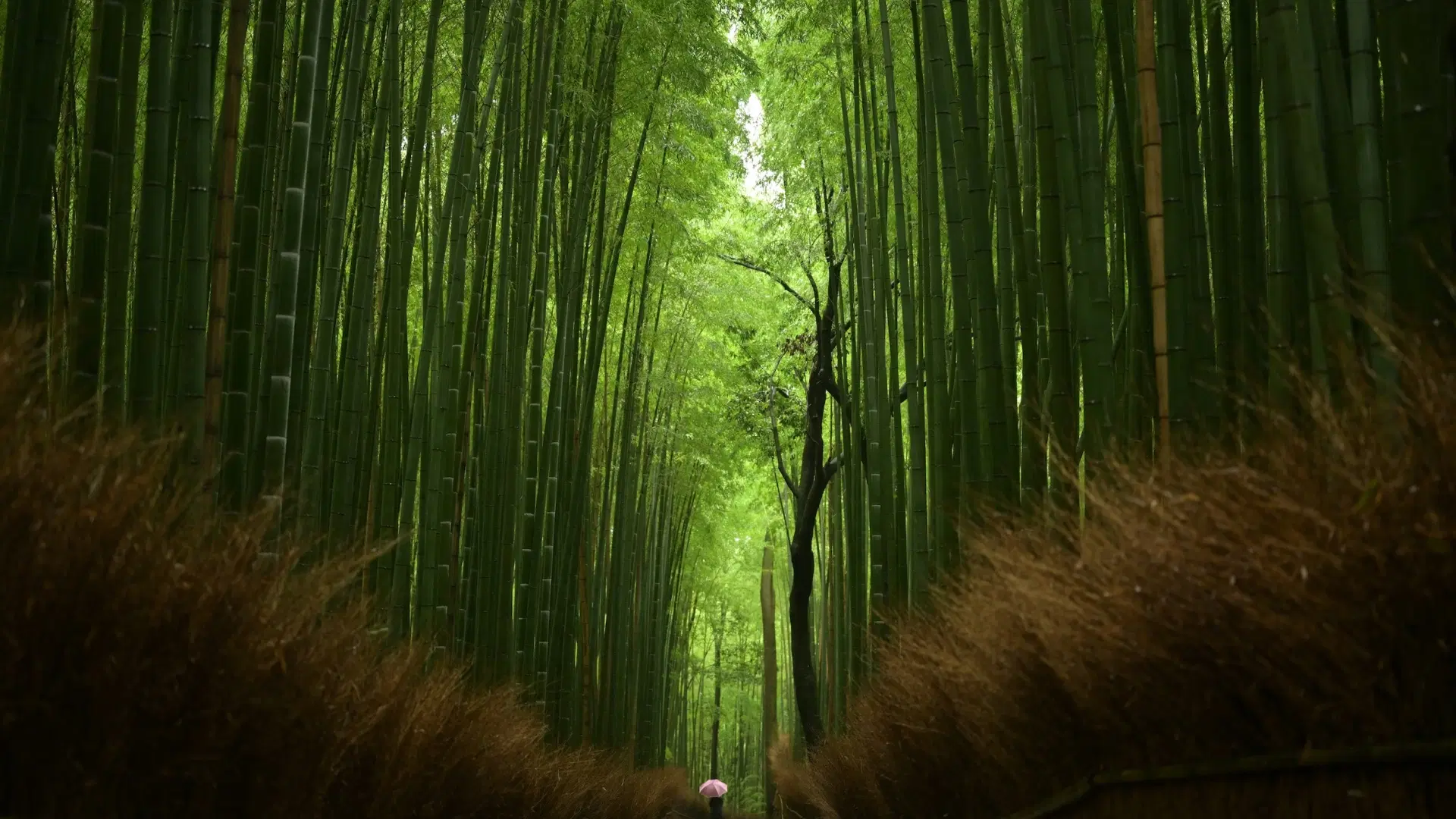
The Arashiyama Hanatoro in December extends the illumination to the bamboo grove, the Togetsukyo Bridge, and the surrounding temple precincts, creating a winter landscape of green bamboo, dark water, and warm light that is among the most beautiful nighttime scenes in the Kansai region. The bamboo grove, already one of Kyoto's most atmospheric environments in daylight, becomes almost unbearably beautiful under the Hanatoro lanterns, the light catching the smooth surfaces of the culms and throwing long, shifting shadows across the path in patterns that seem to breathe with the movement of the air.
The Hanatoro Illumination transforms the historic streets and temple precincts of Kyoto into corridors of warm light, an annual event that uses thousands of lanterns to reveal the beauty of the city's most celebrated landscapes in a register that daylight cannot access.
History & Significance
The Hanatoro Illumination was established in 2003 as a collaboration between the city of Kyoto, local temple and shrine communities, and the artisan workshops that produce traditional Kyoto crafts. The event was conceived as a way to draw visitors to the city's historic districts during the quieter months of early spring and early winter, using the medium of light to reveal the beauty of landscapes that the peak-season crowds of spring cherry blossom and autumn foliage seasons experience under very different conditions. The choice of handmade lanterns, rather than electric lights, reflected the organizers' intention to create an illumination that was consistent with the aesthetic character of the historic districts, an addition to the landscape rather than a transformation of it.
The event grew steadily in scale and reputation during its first two decades, becoming one of the most anticipated seasonal events in Kyoto's cultural calendar. The lantern designs evolved to include contributions from Kyoto's art universities and traditional craft studios, and the illumination expanded to include special nighttime openings of temples and shrines along the routes, offering views of gardens and architectural spaces that are not normally accessible after dark. The Hanatoro has become a model for heritage-sensitive illumination events elsewhere in Japan, demonstrating that light can enhance rather than overwhelm historic environments when it is applied with the restraint and intentionality that Kyoto's aesthetic traditions demand.
What to Expect
The illumination begins at dusk, typically around 6:00 PM, and continues until 8:30 PM, creating a window of approximately two and a half hours during which the lantern-lit paths can be walked at a pace that allows the full impact of the light to register. The Higashiyama route in March leads the visitor through a landscape that transitions from the open space of Maruyama Park, where the weeping cherry tree, the most famous single tree in Kyoto, may be in early bloom, through the narrow lanes of the temple district, past the illuminated facades of Kodai-ji and the stone torii of Yasaka Shrine, to the approach streets below Kiyomizu-dera. Several temples along the route offer special nighttime admissions during Hanatoro, allowing visitors to experience gardens and interiors that are normally closed after dark.
The Arashiyama route in December centers on the bamboo grove, whose illumination is the signature image of the winter Hanatoro. Walking through the grove at night, with the lanterns casting their glow upward along the bamboo culms and the dark sky visible between the swaying tops, produces a sensation of enclosure within a living, breathing structure of light and shadow that is unique to this event. The path continues to the Togetsukyo Bridge, where the lantern light on the water and the dark silhouette of the mountains beyond create a composition of such beauty that it seems to justify the entire concept of nighttime illumination.
The crowds during Hanatoro are considerable but manageable, and the linear nature of the routes means that the flow of visitors is generally steady rather than static. The cold, particularly during the December Arashiyama event, is significant, and warm clothing is essential. The intimacy of the lantern light, which operates at a lower intensity than electric illumination and rewards close viewing rather than distant panorama, encourages a contemplative pace that is itself one of the event's greatest pleasures.