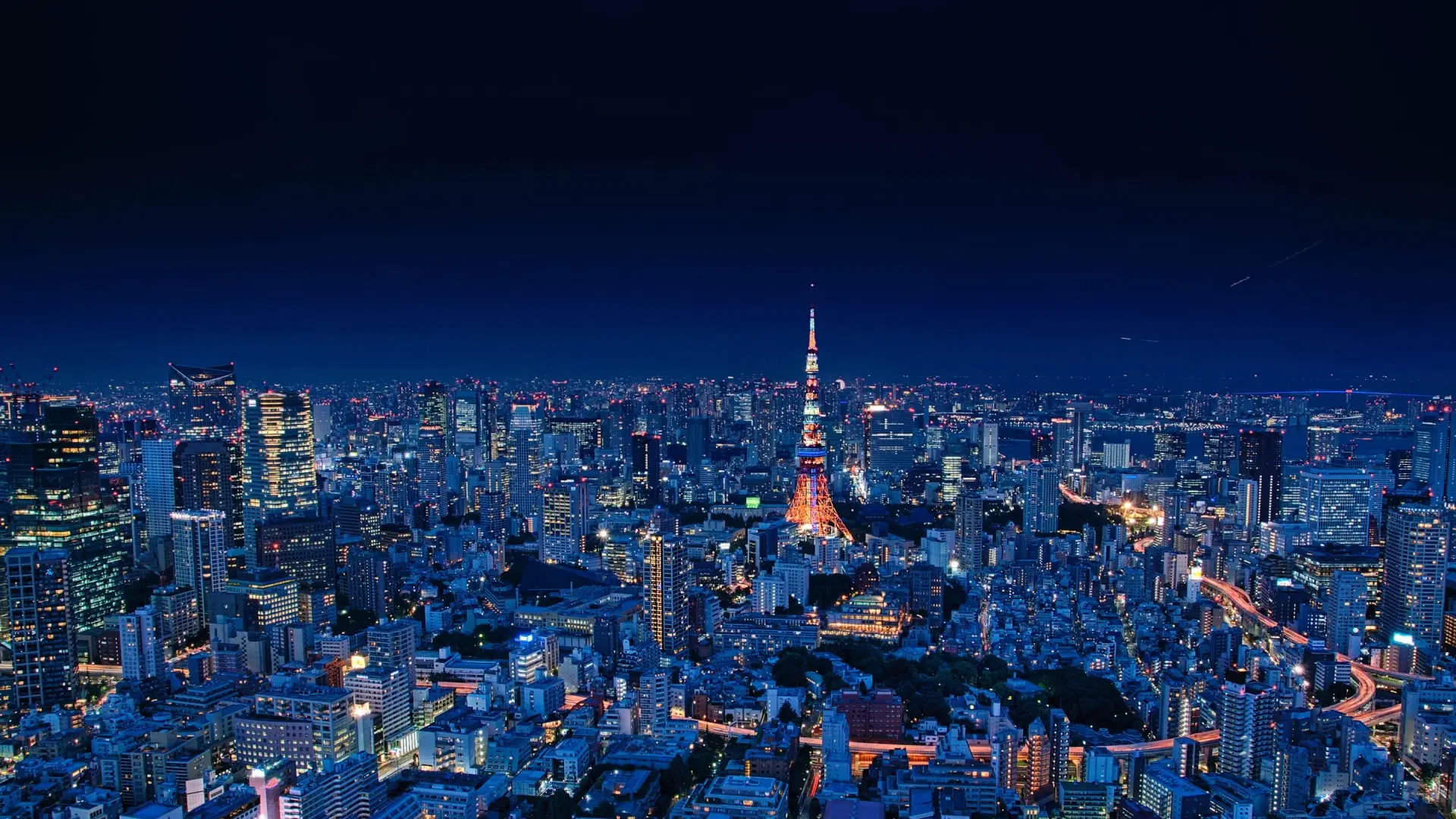
Sumida River Fireworks
隅田川花火大会The Sumida River Fireworks is Tokyo's oldest and most prestigious fireworks display, a summer night spectacle that launches approximately twenty thousand shells from two sites along the river that flows through the city's historical heart. The display draws nearly one million spectators to the riverbanks, bridges, and surrounding streets, making it one of the largest single-evening gatherings in Japan and a defining event of the Tokyo summer. The fireworks explode above a landscape that includes both the traditional low-rise neighborhoods of Asakusa and the soaring form of Tokyo Skytree, the juxtaposition of old and new Tokyo providing a backdrop that no other fireworks venue in the city can match.
The display is divided between two launch sites, each presenting a distinct program. The upstream site hosts a competition among Japan's leading fireworks artisans, whose experimental shells push the boundaries of pyrotechnic art with forms, colors, and timing sequences that break from traditional patterns. The downstream site presents a larger-scale program of coordinated massed launches whose cumulative visual impact overwhelms through scale and rhythm. Together, the two sites create a display that operates simultaneously as artistic competition and public spectacle, the innovative and the monumental complementing each other across the summer sky.
The cultural significance of the Sumida River Fireworks extends beyond the display itself. The evening is one of Tokyo's great social occasions, a night when the formality and reserve that characterize much of Japanese urban life relax into a collective warmth expressed through yukata-wearing, riverside picnicking, and the shared delight of watching the sky explode with color. The event functions as a communal assertion that summer, with all its heat and humidity, is also a season of beauty and joy.
The Sumida River Fireworks is Tokyo's oldest and most prestigious fireworks display, a summer night spectacle that launches approximately twenty thousand shells from two sites along the river that flows through the city's historical heart.
History & Significance
The Sumida River Fireworks trace their origins to 1733, when the eighth Tokugawa shogun, Yoshimune, ordered a fireworks display as part of a ceremony to appease the spirits of those who had died in a famine and subsequent epidemic the previous year. This origin in mourning and spiritual consolation gives the festival a depth that its contemporary festive atmosphere might obscure: the fireworks were conceived not as entertainment but as a ritual act of memorial and purification, the fire in the sky intended to honor the dead and protect the living.
The festival continued through the Edo period as an annual event closely associated with the culture of the shitamachi, the riverside low city whose merchants and artisans patronized the fireworks as an expression of civic pride and aesthetic sophistication. The competition format, in which rival fireworks houses displayed their art in alternating volleys, drove technical innovation that established Japanese pyrotechnics as a globally distinctive art form. The festival was suspended during World War II and again from 1962 to 1977 due to concerns about river pollution and urban density, but its revival reflected the city's recognition that the fireworks represented an irreplaceable element of Tokyo's cultural identity.
What to Expect
The evening begins hours before the first shell is launched, as spectators claim positions along the riverbanks, on bridges, and in the surrounding parks. The preparation is itself a cultural experience: friends and families spread blue tarps on available ground, unpack elaborate bento boxes and coolers of beer, and settle into the convivial atmosphere of a city temporarily transformed into an open-air living room. Many women wear yukata, the casual summer kimono whose patterns and colors add a mobile display of textile art to the pre-fireworks scenery.
The display opens at the upstream competition site, where individual shells launched at intervals allow the audience to appreciate each artisan's innovation. The competition shells frequently provoke gasps and applause, their designs incorporating unusual colors, asymmetric patterns, and timed sequences that produce effects unlike anything in the standard pyrotechnic repertoire. The downstream site's massed launches provide contrast, their programs choreographed to music broadcast on a dedicated radio frequency and building to crescendos that fill the sky with overlapping bursts of color.
The finale brings both sites into simultaneous action, the combined output of forty thousand shells creating a continuous canopy of light and color over the river. The explosions are reflected in the dark water below and in the glass surfaces of the riverside buildings, multiplying the visual effect in surfaces that extend the display from the sky to the cityscape itself. The concussion of the larger shells, felt in the chest from close viewing positions, adds a physical dimension that reminds spectators that they are witnessing controlled explosions of considerable force.