Kagurazaka Awa Odori and Matsuri
神楽坂まつりThe Kagurazaka Matsuri is an intimate summer festival held in Tokyo's last surviving geisha quarter, a neighborhood whose cobblestone alleys, hidden restaurants, and enduring tradition of the pleasure quarters give the celebration a character of refined conviviality found nowhere else in the capital. The festival unfolds over several days in late July, its programming divided between the Hotaru (firefly) Festival on the opening nights, when the steep slope of Kagurazaka's main street is lined with candle-lit paper lanterns, and the Awa Odori dance performances that close the festival with an energy that transforms the neighborhood's usual discretion into uninhibited movement and song.
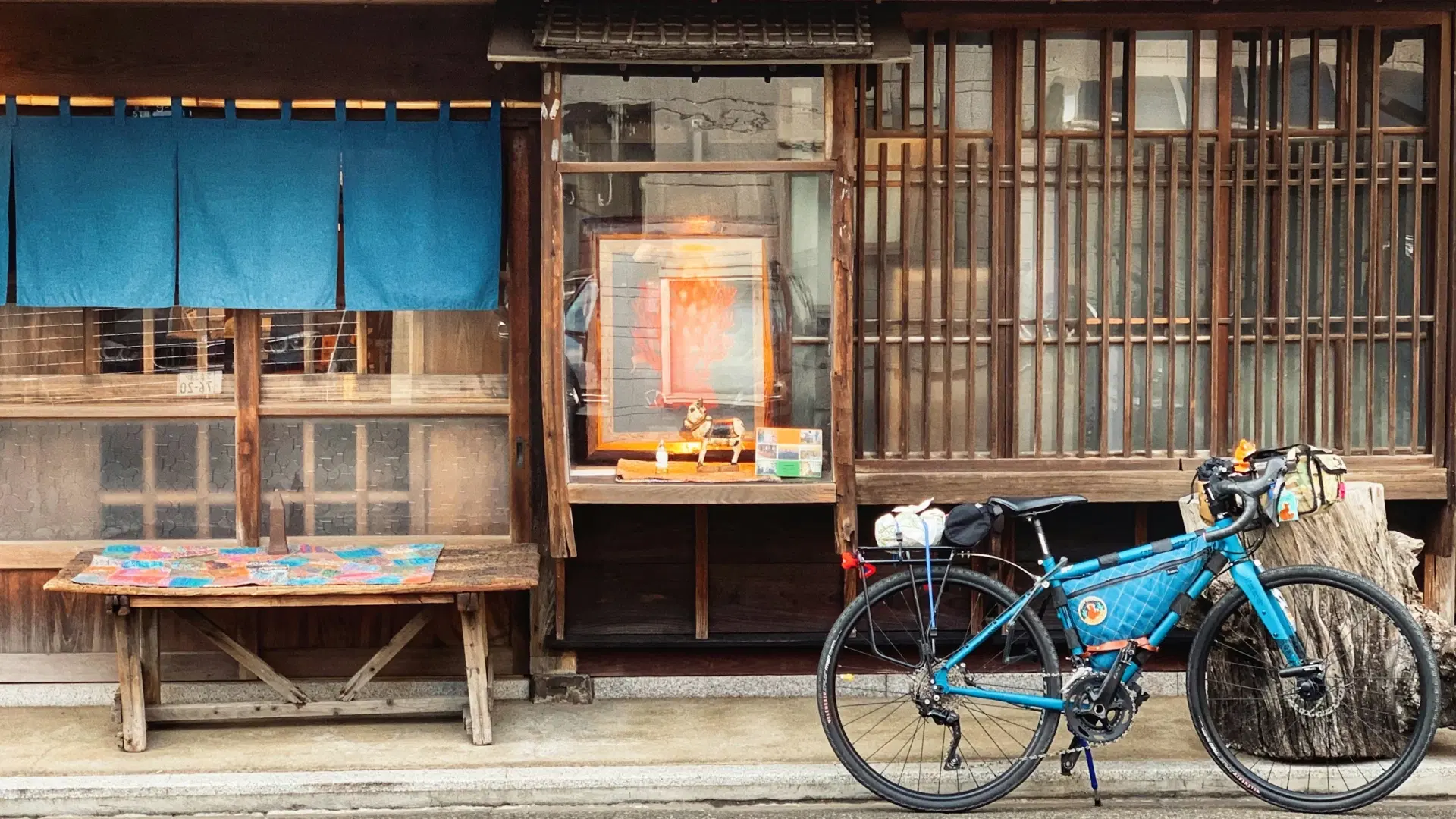
Kagurazaka occupies a unique position in Tokyo's cultural geography. Situated on the western slope descending from the Yamanote plateau toward the Kanda River, the neighborhood developed during the Edo period as a hanamachi, a geisha district whose establishments served the samurai residents of the surrounding estates. Unlike Tokyo's other historic geisha quarters, which have largely disappeared into the fabric of the modern city, Kagurazaka has preserved much of its physical character: narrow lanes too tight for automobiles wind between traditional wooden buildings, leading to doorways whose noren curtains conceal restaurants, bars, and the occasional active geisha house whose existence is known primarily by the sound of shamisen practice drifting through open windows on summer evenings.
The festival's Awa Odori component brings the dance tradition of Tokushima to these narrow lanes with an effect quite different from the Koenji iteration. Where Koenji's Awa Odori fills broad commercial streets with massive troupes, Kagurazaka's version channels the dance through intimate alleys where the performers are close enough to touch, their music reverberating off the wooden facades in an acoustic intimacy that amplifies the rhythm into something felt in the body rather than merely heard by the ear.
The Kagurazaka Matsuri is an intimate summer festival held in Tokyo's last surviving geisha quarter, a neighborhood whose cobblestone alleys, hidden restaurants, and enduring tradition of the pleasure quarters give the celebration a character of refined conviviality found nowhere else in the capital.
History & Significance
Kagurazaka's history as a festival venue is inseparable from its identity as a hanamachi. The neighborhood's geisha houses, at their peak numbering in the hundreds, maintained a calendar of seasonal celebrations that punctuated the year with occasions for entertainment, sociality, and the display of traditional arts. The modern Kagurazaka Matsuri draws on this legacy of curated celebration, its programming reflecting the neighborhood's dual identity as both a preserver of traditional culture and a contemporary dining and entertainment destination whose French bistros and Italian wine bars coexist comfortably with the surviving geisha establishments.
The Awa Odori component was introduced in the 1970s, part of a broader wave of Awa Odori adoption by Tokyo neighborhoods seeking distinctive summer festivals. In Kagurazaka, the dance found an environment that enhanced its traditional character: the narrow lanes and wooden architecture created a visual and acoustic setting closer to the festival's Tokushima origins than the wide commercial streets of other Tokyo venues. The festival's continued vitality reflects the neighborhood's success in maintaining a distinct cultural identity within a city that relentlessly homogenizes, Kagurazaka's combination of old and new providing a model for urban preservation that values living tradition over museum-piece stasis.
What to Expect
The festival's opening nights feature the Hotaru Festival, in which Kagurazaka's main slope is lined with hundreds of candle-lit lanterns that cast a warm, flickering light across the stone pavement. The effect is of stepping backward in time, the electric signage of the modern shops temporarily dimmed in deference to the softer illumination. Visitors stroll the slope at a contemplative pace, the lanterns' gentle light encouraging the kind of quiet conversation and aesthetic appreciation that Kagurazaka's geisha culture has cultivated for centuries.
The Awa Odori performances on the festival's closing evenings transform the neighborhood's energy from contemplative to kinetic. Dance troupes perform along routes that include both the main slope and the side alleys, the latter providing the festival's most distinctive and memorable experiences. In these narrow passages, the dancers pass within arm's reach of the spectators, their movements and music experienced at a proximity that dissolves the boundary between performer and audience. The shamisen and drums echo between the close-set buildings, the sound acquiring a resonance and presence that open-air venues cannot reproduce.
The festival atmosphere encourages exploration of Kagurazaka's remarkable dining scene. The neighborhood's concentration of excellent restaurants, spanning Japanese, French, and Italian cuisines, provides options for every taste and occasion, from casual izakaya meals eaten at outdoor tables to refined kaiseki dinners in the traditional restaurants whose discreet entrances are found along the back alleys. The combination of festival energy and culinary excellence makes the Kagurazaka Matsuri one of Tokyo's most rewarding summer evenings.