Meiji Shrine Hatsumode
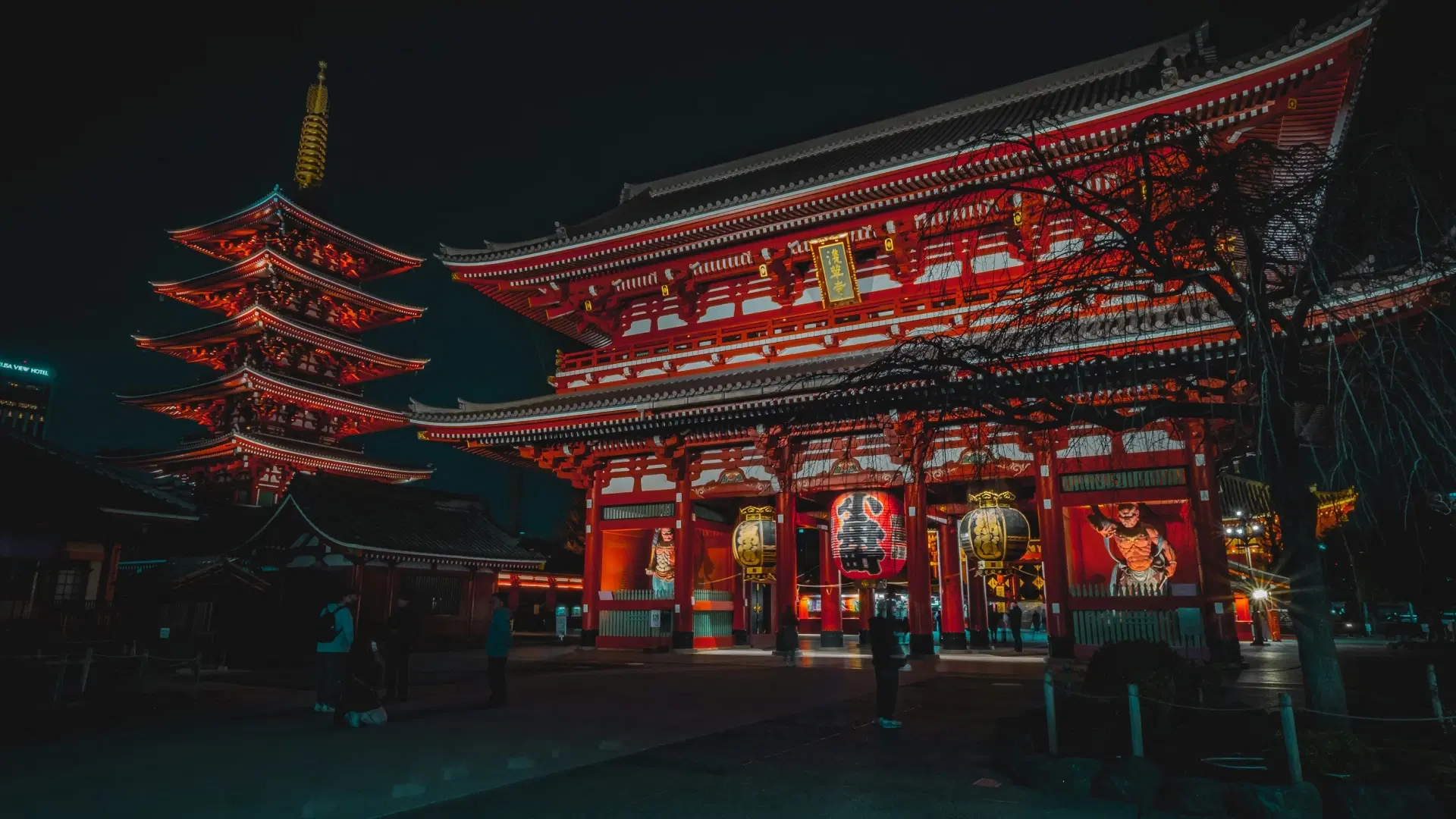
明治神宮初詣Meiji Shrine's hatsumode, the first shrine visit of the new year, is Japan's largest single gathering of worshippers, drawing approximately three million visitors over the first three days of January to the forested sanctuary in the heart of Tokyo. The experience of joining this vast flow of humanity as it moves through the shrine's towering torii gates and along the gravel paths shaded by a century-old forest is one of Tokyo's most profound encounters with living Japanese spirituality, a collective act of devotion and renewal whose scale transforms individual worship into communal ceremony.
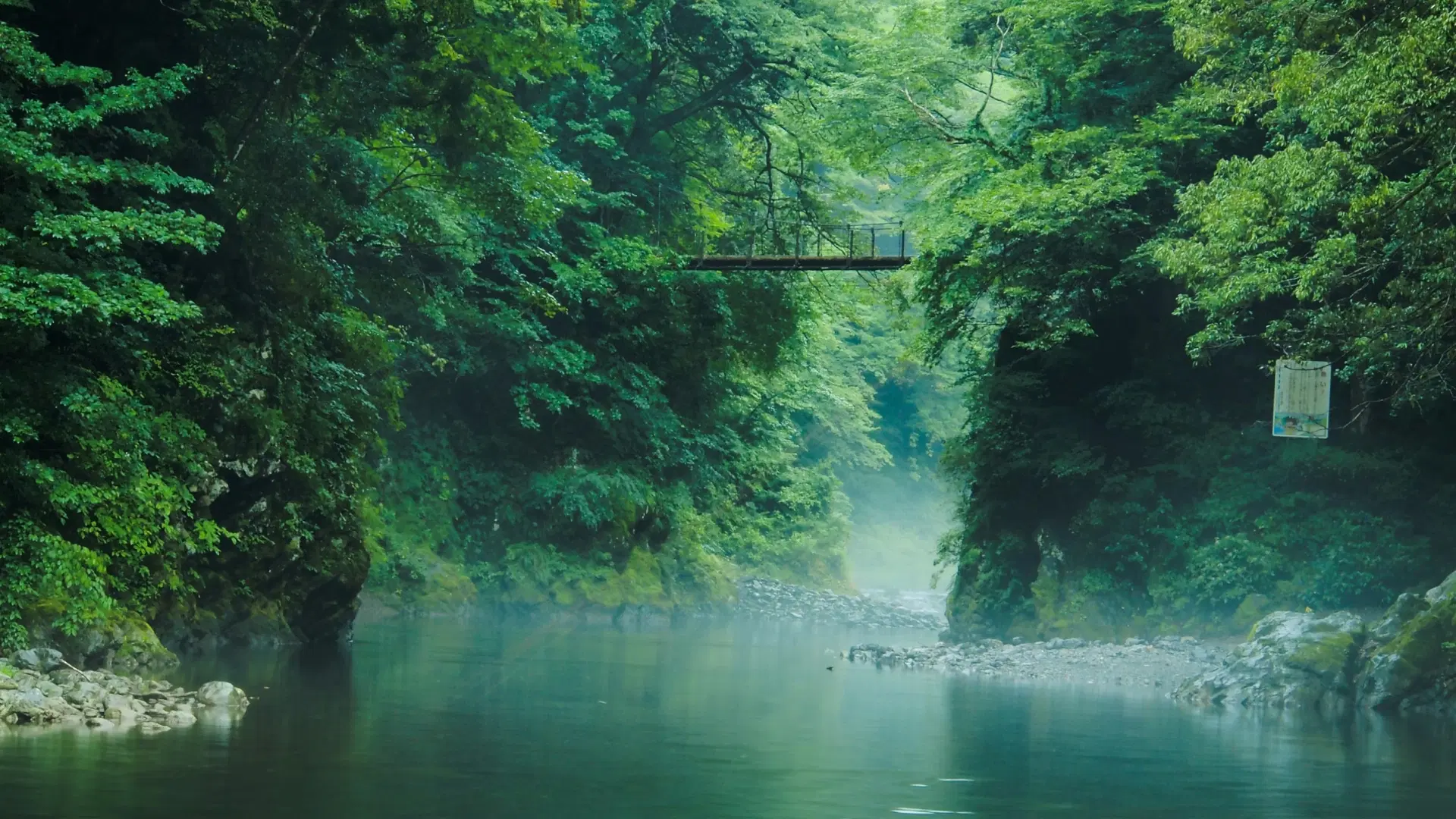
The approach to the shrine through the Meiji Jingu forest creates a transition from urban Tokyo to sacred space that is gradual, deliberate, and transformative. The forest, planted when the shrine was established in 1920 and now a mature woodland of over one hundred thousand trees, absorbs the city's sound and visual clutter, replacing them with the rustling of evergreen canopy and the crunch of gravel underfoot. Even amid the dense hatsumode crowds, the forest's presence is felt as a calming influence, its green permanence a counterpoint to the human flow beneath it.
The worship itself follows the simple Shinto pattern of approach, purification, offering, prayer, and departure, but the context of millions of others performing the same acts simultaneously and in the same space elevates the personal into the communal. The sound of coins tossed into the offering box, the clap of hands in prayer, and the murmur of individual wishes spoken silently create a collective acoustic environment whose components are intimate but whose sum is monumental.
Meiji Shrine's hatsumode, the first shrine visit of the new year, is Japan's largest single gathering of worshippers, drawing approximately three million visitors over the first three days of January to the forested sanctuary in the heart of Tokyo.
History & Significance
Meiji Shrine was established in 1920 to enshrine the spirits of Emperor Meiji and Empress Shoken, the sovereigns whose reign from 1868 to 1912 encompassed Japan's transformation from feudal isolation to modern nation-state. The shrine's creation was itself an act of unprecedented scale: the forest that surrounds it was planted by volunteers from across the country, over one hundred thousand trees of three hundred sixty-five species transported to Tokyo and arranged according to a design intended to create, within decades, the appearance of a primeval forest in the center of the expanding capital.
The forest's success has exceeded its designers' most optimistic projections. What was planted as a curated collection of saplings has evolved into a self-sustaining ecosystem that functions as both sacred grove and urban forest, its canopy supporting bird populations and its soil harboring mushroom species found nowhere else in Tokyo. The shrine itself, destroyed by firebombing in 1945 and rebuilt in 1958, occupies a clearing within this forest that communicates the Shinto principle that sacred architecture should exist within, not against, the natural world. The hatsumode tradition at Meiji Shrine has grown in parallel with Tokyo's own expansion, the shrine's forest providing an increasingly rare counterpoint to the city's relentless urbanization.
What to Expect
The hatsumode experience begins at the shrine's entrance, where the first torii gate, one of the largest wooden torii in Japan, frames the transition from the commercial streets of Harajuku and Omotesando to the forest path beyond. The crowd moves steadily but slowly, its pace governed by the path's width and the density of fellow worshippers, creating a meditative quality that transforms what might be frustrating slowness into appropriate solemnity. The gravel path, wide enough for dozens of people abreast, passes through the forest in gentle curves that prevent any view of the shrine until the final approach, building anticipation through concealment.
The main worship area, reached after approximately fifteen minutes of walking from the entrance, opens into a courtyard large enough to accommodate thousands of worshippers simultaneously. The crowd arranges itself in loose rows facing the main hall, each person or group finding a position from which to make their offering and prayer. The act of worship is brief: coins are tossed, two bows are made, two claps are sounded, a prayer is offered silently, and a final bow concludes the visit. The simplicity of the act, requiring no specialized knowledge or affiliation, makes the hatsumode accessible to everyone, its spiritual meaning defined by each individual's intention rather than by institutional prescription.
The peripheral activities of the hatsumode enhance the visit. Fortune slips, drawn from cylindrical containers and read for their predictions about the coming year's prospects, are a popular ritual whose results generate lively discussion. Omamori protective charms, beautifully designed and specific to Meiji Shrine, are purchased as talismans for health, success, and safe travel. The food stalls along the approach paths offer warm amazake and seasonal snacks that provide sustenance against the January cold.