Tokyo Marathon
東京マラソンThe Tokyo Marathon is one of the six World Marathon Majors, a race that sends nearly forty thousand runners through the streets of the Japanese capital on a course that passes some of Tokyo's most iconic landmarks and reveals the city's geography with a clarity that no other single experience can match. From the start at the Tokyo Metropolitan Government Building in Shinjuku to the finish near Tokyo Station, the route traces a narrative of the city itself: the skyscrapers of Shinjuku, the youth culture of Harajuku, the imperial gravitas of the Palace grounds, the traditional commerce of Nihonbashi, the riverside intimacy of Asakusa, and the modern ambition of the waterfront, all connected by a continuous ribbon of running humanity.
For spectators, the marathon transforms Tokyo into a street festival of extraordinary length and duration. The course, open for approximately seven hours, creates a temporary pedestrian corridor through some of the city's busiest districts, and the spectators who line it bring an enthusiasm that reflects the Japanese talent for organized celebration. Cheering groups with matching outfits and coordinated routines, taiko drum ensembles stationed at regular intervals, and individual supporters offering food, encouragement, and hand-painted signs create an atmosphere of sustained warmth that runners from around the world consistently cite as the marathon's defining quality.
The race's significance extends beyond athletics. The Tokyo Marathon, first run in its current form in 2007, catalyzed a running culture in Japan that has since become a national phenomenon. The event demonstrated that a world-class marathon could function simultaneously as elite athletic competition and mass participation celebration, its inclusive ethos welcoming first-time marathon runners alongside Olympic contenders on the same course, their shared experience of the city's streets creating a communion that transcends ability and nationality.
History & Significance
The Tokyo Marathon was established in 2007 through the merger of two existing races, the Tokyo International Marathon and the Tokyo-Aomori relay. The new event was conceived from its inception as a world-class city marathon on the model of London, New York, and Berlin, its organizers recognizing that Tokyo, despite being one of the world's great cities, lacked a marathon commensurate with its stature. The first running attracted enormous public interest and was considered an immediate success, its combination of a scenic urban course, impeccable organization, and enthusiastic crowd support establishing a template that subsequent editions have refined but never fundamentally altered.
The marathon's elevation to World Marathon Major status in 2013 confirmed its position among the sport's premier events and brought increased international participation that has enriched the race's character. The event's growth has been accompanied by a broader transformation of Japanese running culture, with the marathon's visibility inspiring millions of recreational runners whose weekend presence in parks and along riversides across the country represents one of the race's most significant cultural legacies. The course has undergone modifications over the years, with the current route to the Tokyo Station area providing a finish in the symbolic heart of the capital.
What to Expect
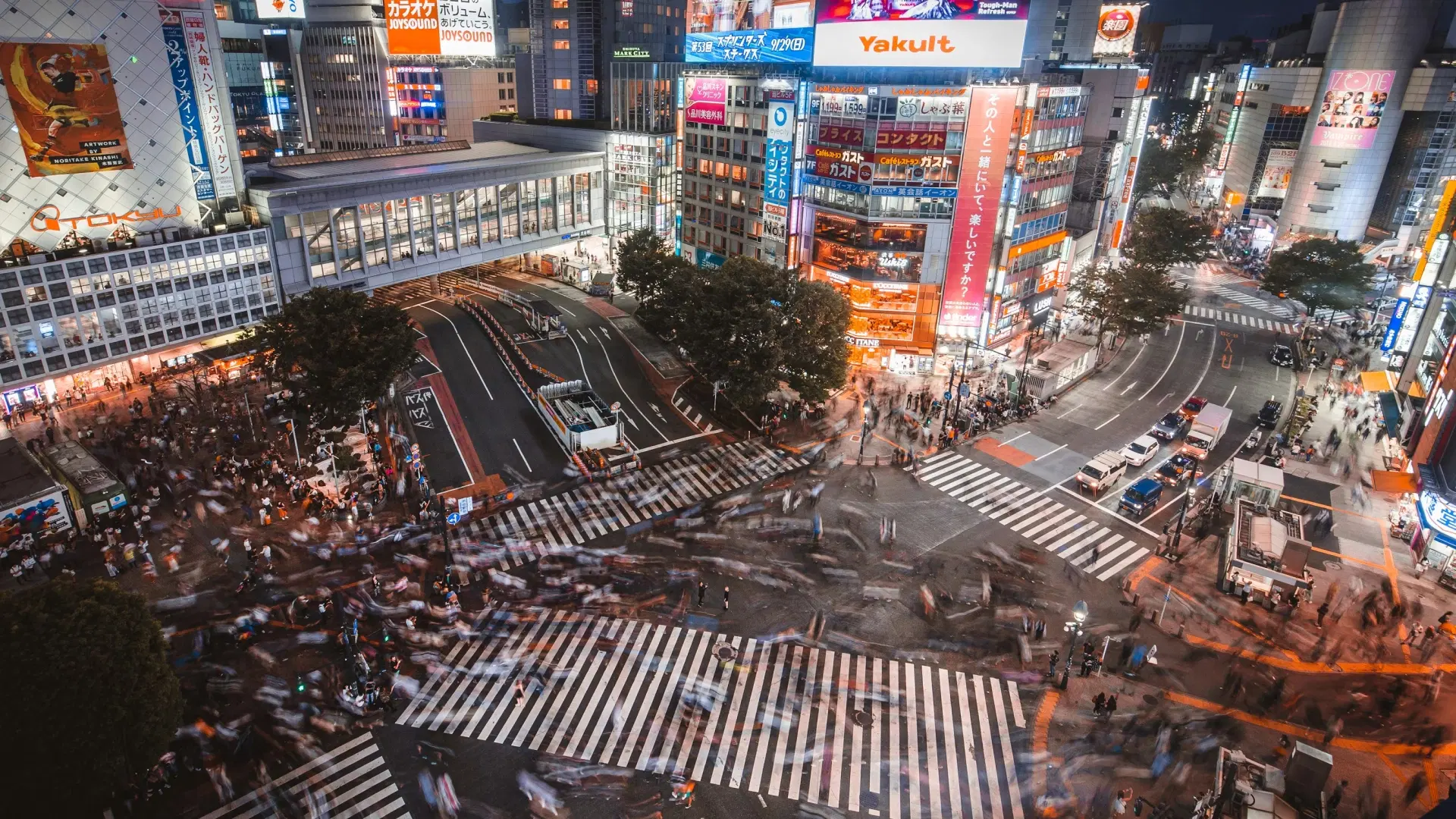
Race morning begins with the assembly of runners at the Shinjuku start, the towers of the Metropolitan Government Building providing a dramatic backdrop to the pre-race rituals of stretching, nervous conversation, and quiet personal preparation. The start, staggered across multiple waves, sends runners flowing down the broad avenues of Shinjuku in a human river that gradually disperses as the course narrows and the pack stretches out. For spectators, the start area offers the spectacle of massed humanity in motion; for runners, the first kilometers through Shinjuku provide the exhilaration of running through streets normally claimed by vehicles.
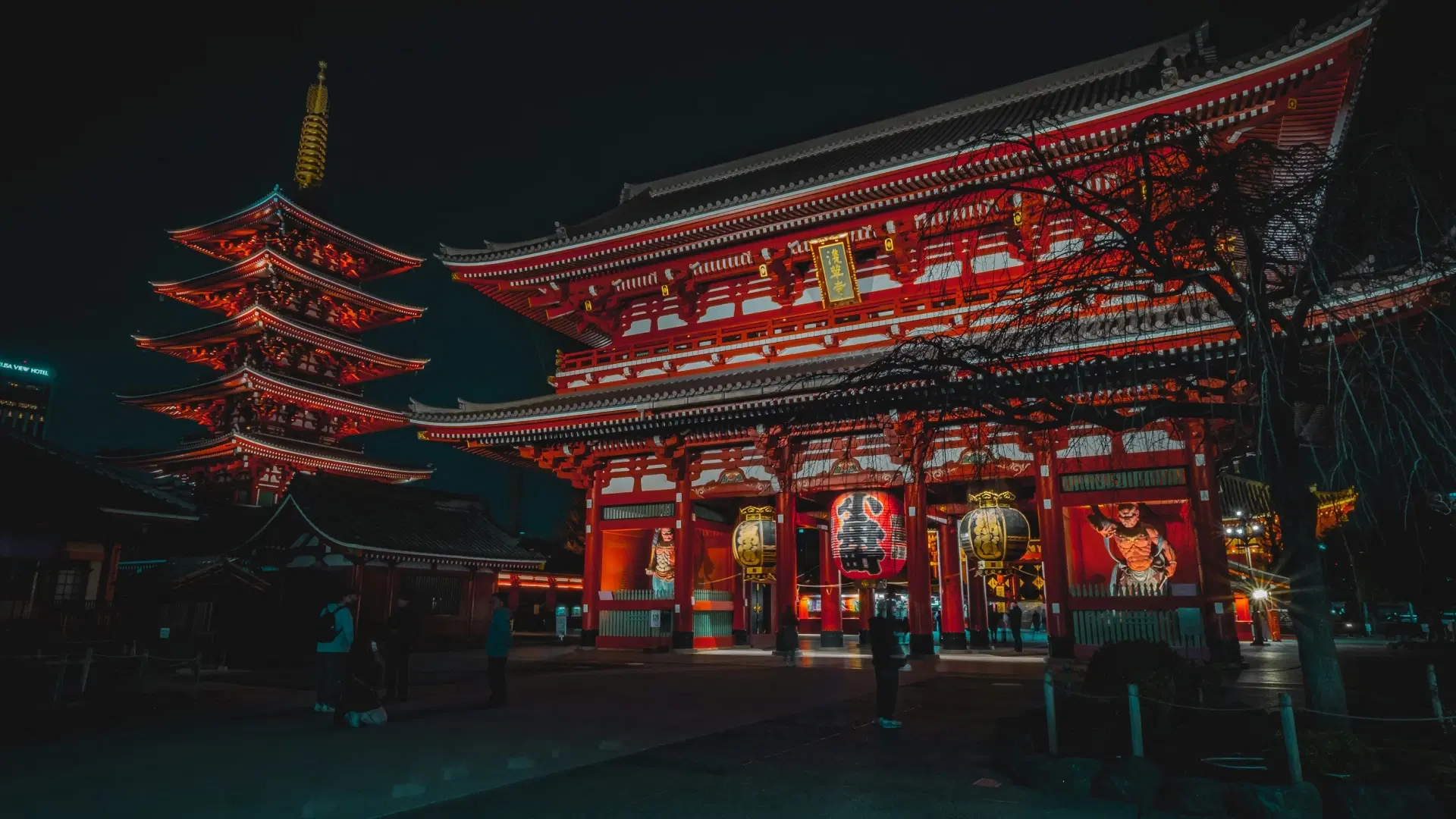
The course's middle sections pass through districts whose contrasting characters provide visual and psychological variety. The stretch past the Imperial Palace offers broad, tree-lined avenues and the serene backdrop of the palace moats and walls. The passage through Nihonbashi, the historical center of Edo commerce, carries runners across the famous bridge that once marked the starting point of the five great roads connecting the shogun's capital to the provinces. The route to Asakusa and back provides a riverside interlude, the Sensoji temple visible in the distance as runners navigate the course's turnaround point before heading toward the finish.
The final kilometers toward Tokyo Station compress the marathon's emotional arc into a concentrated crescendo. Runners who have covered nearly forty-two kilometers draw on reserves of determination as the finish line approaches, the crowd's encouragement intensifying in response to the visible effort. The finish area, surrounded by the red-brick elegance of Tokyo Station and the modern towers of Marunouchi, provides a setting of appropriate grandeur for the moment of completion, whether achieved in two hours by elite runners or in six by those for whom finishing itself is the victory.