Tori no Ichi
酉の市Tori no Ichi is Tokyo's annual market of fortune, a night festival held at Otori Shrine in Asakusa on the days of the Rooster in November, where vendors sell elaborately decorated kumade, ornamental bamboo rakes believed to "rake in" prosperity, and the air rings with the rhythmic clapping of merchants sealing each sale with a ritual cheer that transforms commerce into ceremony. The festival occupies a singular position in Tokyo's cultural calendar: neither purely religious nor purely commercial, it inhabits the productive space between devotion and desire, its participants seeking divine favor in the most tangible possible form.
The kumade themselves are objects of remarkable craftsmanship and exuberant symbolism. Ranging from modest palm-sized rakes to enormous constructions several meters tall, they are decorated with an abundance of lucky motifs: the smiling face of Okame, the goddess of mirth; the treasure ship of the Seven Lucky Gods; golden coins, cranes, turtles, and pine boughs, each element contributing to an iconographic argument for prosperity so comprehensive that it seems to leave fortune no room for refusal. The largest kumade, commissioned by businesses and restaurants, are displayed like trophies, their size and elaboration serving as public declarations of commercial ambition.
The atmosphere of Tori no Ichi is unlike any other Tokyo festival. The market opens at midnight and continues through the following night, its peak hours falling in the darkness before dawn when the crowd is densest and the vendors' calls most insistent. The experience of moving through the packed lanes of the shrine grounds, surrounded by the golden glow of the kumade displays and the continuous soundtrack of ritual clapping, creates a sense of immersion in a world where prosperity is not abstract but tangible, not hoped for but actively sought, purchased, and celebrated.
History & Significance
Tori no Ichi traces its origins to the Edo period, when farmers from the village of Hanabata, now part of Adachi Ward, brought offerings of roosters to a local shrine on the day of the Rooster in November, seeking blessings for the harvest. The agricultural origins of the festival gradually gave way to a commercial character as the market migrated to the denser neighborhoods of central Edo, where merchants adopted the kumade as a symbol of commercial rather than agricultural prosperity. The bamboo rake, whose tines could "gather" good fortune, proved an irresistible metaphor for the merchant class, and the Tori no Ichi evolved from a rural harvest festival into an urban celebration of business success.
Otori Shrine in Asakusa became the festival's most prominent venue, its location in the entertainment district ensuring large crowds and a festive atmosphere that reinforced the market's convivial character. The custom of tejime, the ritual hand-clapping performed by vendor and buyer to seal each kumade purchase, developed as a practice that elevated the commercial transaction into a shared moment of celebration, the clapping audible across the shrine grounds creating a continuous percussion of completed deals and expressed wishes. Years with three Rooster days in November are traditionally considered especially auspicious but also associated with an increased risk of fire, a superstition that adds a frisson of anticipation to the festival's already charged atmosphere.
What to Expect
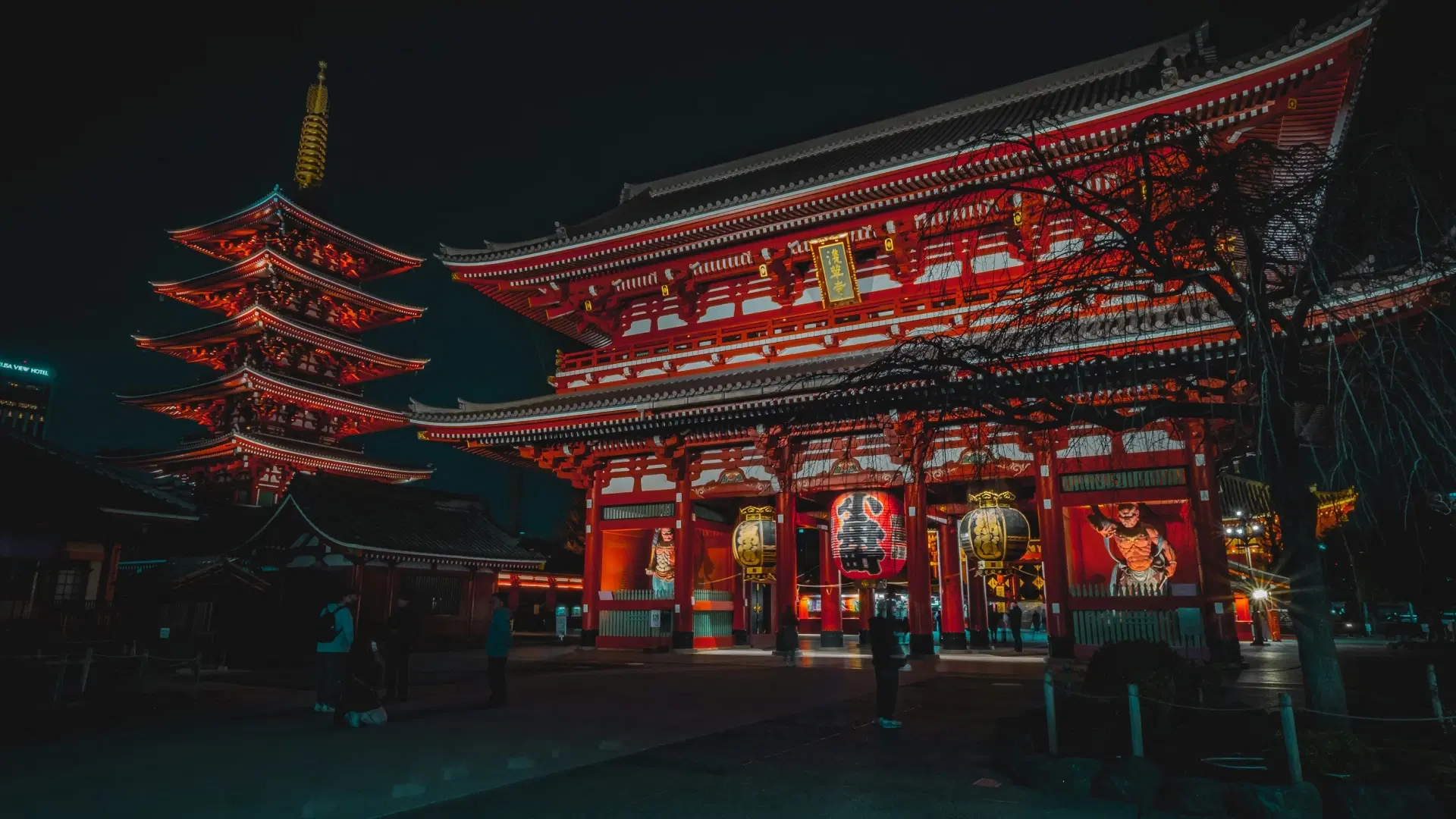
The approach to Otori Shrine on a Tori no Ichi night is an experience in itself. The narrow streets leading to the shrine are lined with food stalls offering festival classics: yakitori, oden, okonomiyaki, and warm sake that provide sustenance against the November chill. The crowd thickens as the shrine draws near, the density of humanity creating a slow, shuffling pace that builds anticipation. The shrine entrance, marked by a torii gate illuminated against the dark sky, opens onto a scene of concentrated visual intensity: rows of kumade vendors displaying their wares in stalls blazing with light, the golden rakes glittering in arrangements that fill every vertical surface.
Browsing the kumade stalls is a pleasure that rewards patience and attention. Each vendor's display represents a distinct aesthetic interpretation of the rake's traditional iconography, and the quality of craftsmanship varies from the charmingly simple to the breathtakingly elaborate. The purchasing ritual, in which the buyer selects a rake, negotiates the price, and then joins the vendor in a round of tejime clapping, is a participatory experience that makes each purchase a small ceremony. The convention of buying a slightly larger kumade each year, symbolizing growing prosperity, gives the tradition a narrative dimension that extends across decades of annual visits.
The shrine itself, modest in scale but charged with devotional energy on these nights, offers the spiritual dimension that grounds the market's commercial bustle. Worshippers queue to pray at the main hall, their offerings and prayers directed toward the same deities whose favor the kumade are designed to attract. The interweaving of prayer and purchase, devotion and desire, creates an atmosphere that is distinctly and authentically Japanese, a culture that has never drawn a rigid boundary between the spiritual and the material.