Yanaka & Nezu
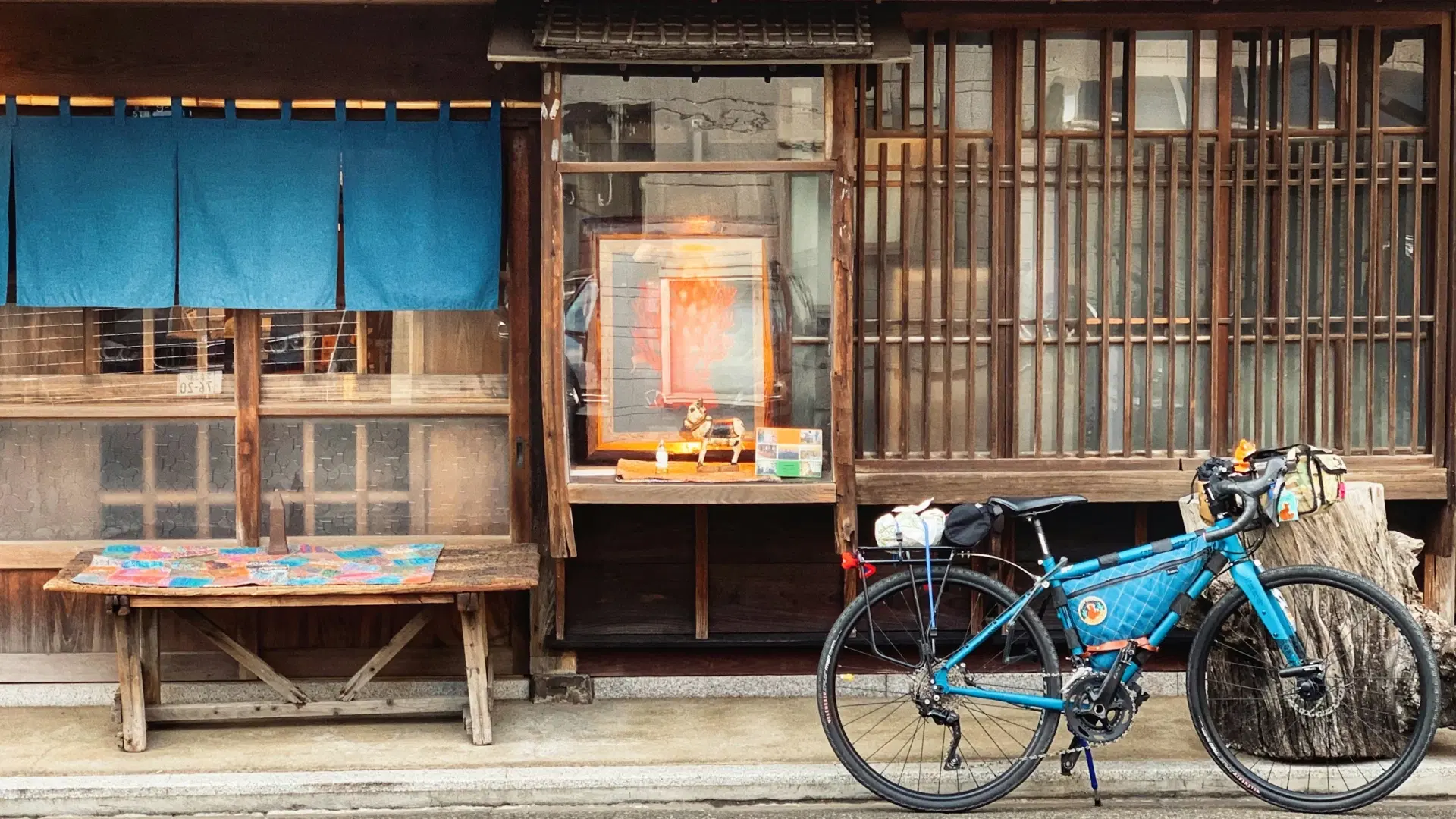
谷中・根津Yanaka and Nezu are Tokyo's survivors. These quiet, walkable neighborhoods in the hills between Ueno and Nishi-Nippori escaped both the 1923 Great Kanto Earthquake and the 1945 firebombing, a double fortune that left them with a streetscape of pre-war wooden houses, family temples, and artisan workshops that has vanished from nearly every other part of the city. Walking here is an act of time travel, not to any specific era but to a Tokyo that existed before concrete and glass became the dominant materials of urban life.
Yanaka's character is defined by its temples. Over seventy Buddhist temples occupy the neighborhood's narrow lanes, their wooden gates and stone walls creating a rhythm of enclosure and opening that gives every walk a meditative quality. Yanaka Cemetery, resting place of the last Tokugawa shogun and a sprawling necropolis of mossy tombstones beneath an avenue of cherry trees, is one of Tokyo's most atmospheric public spaces, a place where the living come to walk their dogs, photograph the cats, and contemplate the passage of generations.
Nezu, tucked into the valley below, adds its own distinction. Nezu Shrine, one of Tokyo's oldest, hosts an azalea festival in April that transforms its hillside garden into a cascade of pink, white, and crimson. The shrine's vermilion torii tunnel, modeled on the more famous passage at Kyoto's Fushimi Inari but on an intimate scale, draws visitors into a spiritual topography that feels improbably ancient for a city this dense.
Highlights
Yanaka Ginza, the neighborhood's main shopping street, descends a gentle slope lined with small shops that have served the local community for decades. The butcher, the pickle shop, the menchi-katsu stand, the cat-themed galleries: each establishment reflects a personal commitment to craft that corporate retail cannot replicate. The street's famous "Sunset Steps" at the western end provide an elevated vantage point from which to watch the sun set over the rooftops, a daily performance that draws a small, appreciative audience.
Yanaka Cemetery's cherry blossom tunnel in early April rivals any hanami spot in Tokyo for atmosphere, the flowers arching over the central path while elderly residents sit on benches beneath the trees. The cemetery is also one of Tokyo's best places to observe the community of semi-feral cats that have made the neighborhood famous.
Nezu Shrine's azalea garden, blooming from mid-April to early May, contains approximately three thousand bushes of over a hundred varieties, arranged on a hillside that creates layers of color visible from the shrine's main courtyard. The shrine itself, built in 1706, is one of the finest examples of Gongen-style architecture in Tokyo, with ornate carvings and lacquerwork that recall Nikko on a smaller, more personal scale.
Culinary Scene
Yanaka and Nezu's food culture is neighborhood-scaled and deeply personal. The shops along Yanaka Ginza serve the kind of everyday Japanese food that rarely appears in guidebooks but defines how people actually eat: freshly made onigiri, hand-shaped croquettes, grilled yakitori from the local butcher, and seasonal wagashi from confectioners who know their regular customers by name.
Nezu's side streets contain several excellent small restaurants, including soba shops that hand-cut their noodles daily and kissaten (coffee houses) that have been roasting beans since the Showa era. The area's proximity to the University of Tokyo campus in Hongo has fostered a cafe culture that balances academic seriousness with neighborhood warmth. Taiyaki, the fish-shaped cakes filled with sweet bean paste, are particularly good from the vendors near Nezu Station.
Ryokans in Tokyo
There are no ryokans in our guide listed in Yanaka & Nezu. See our selection across Tokyo.
View ryokans in Tokyo