Hyogo
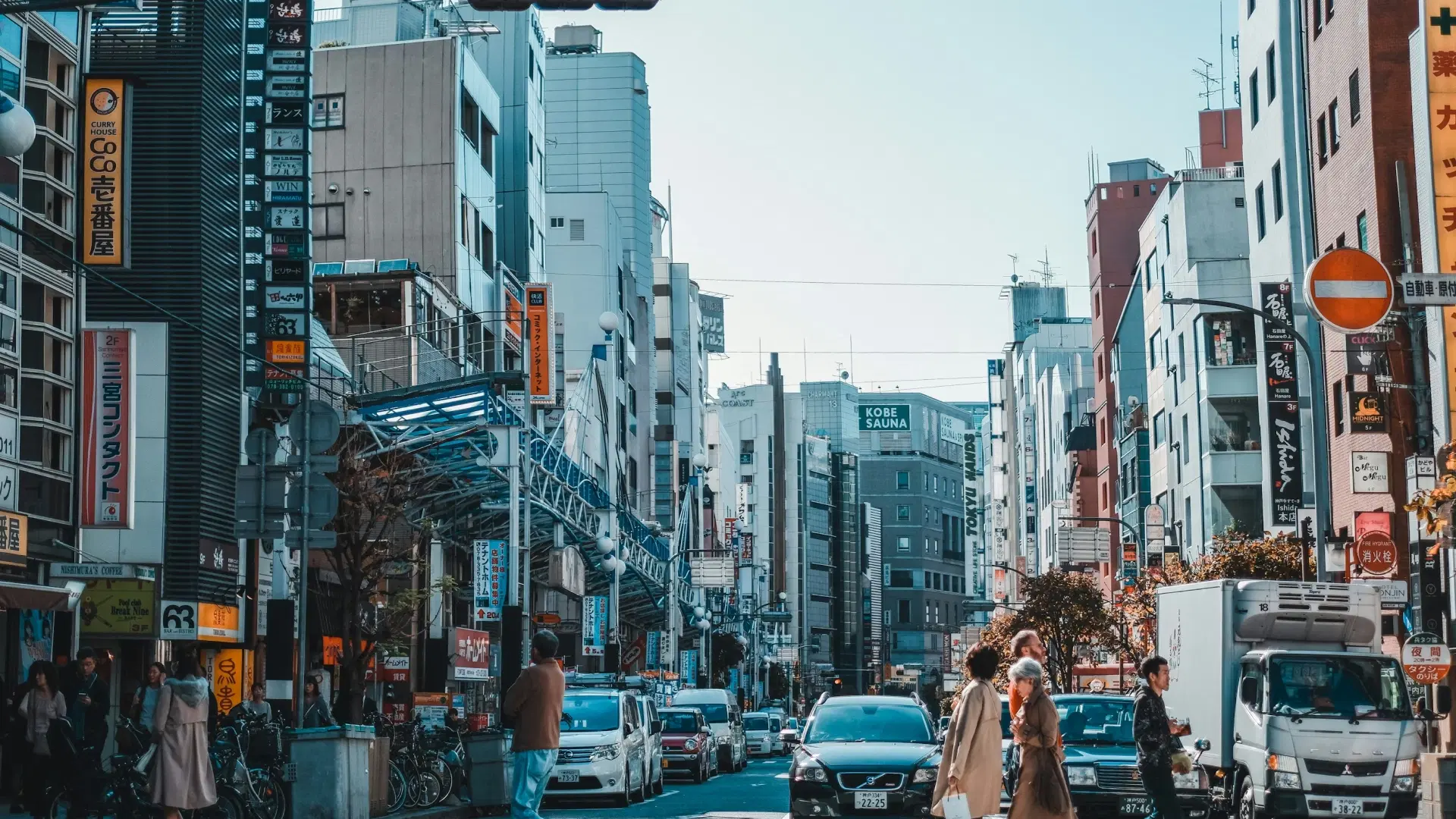
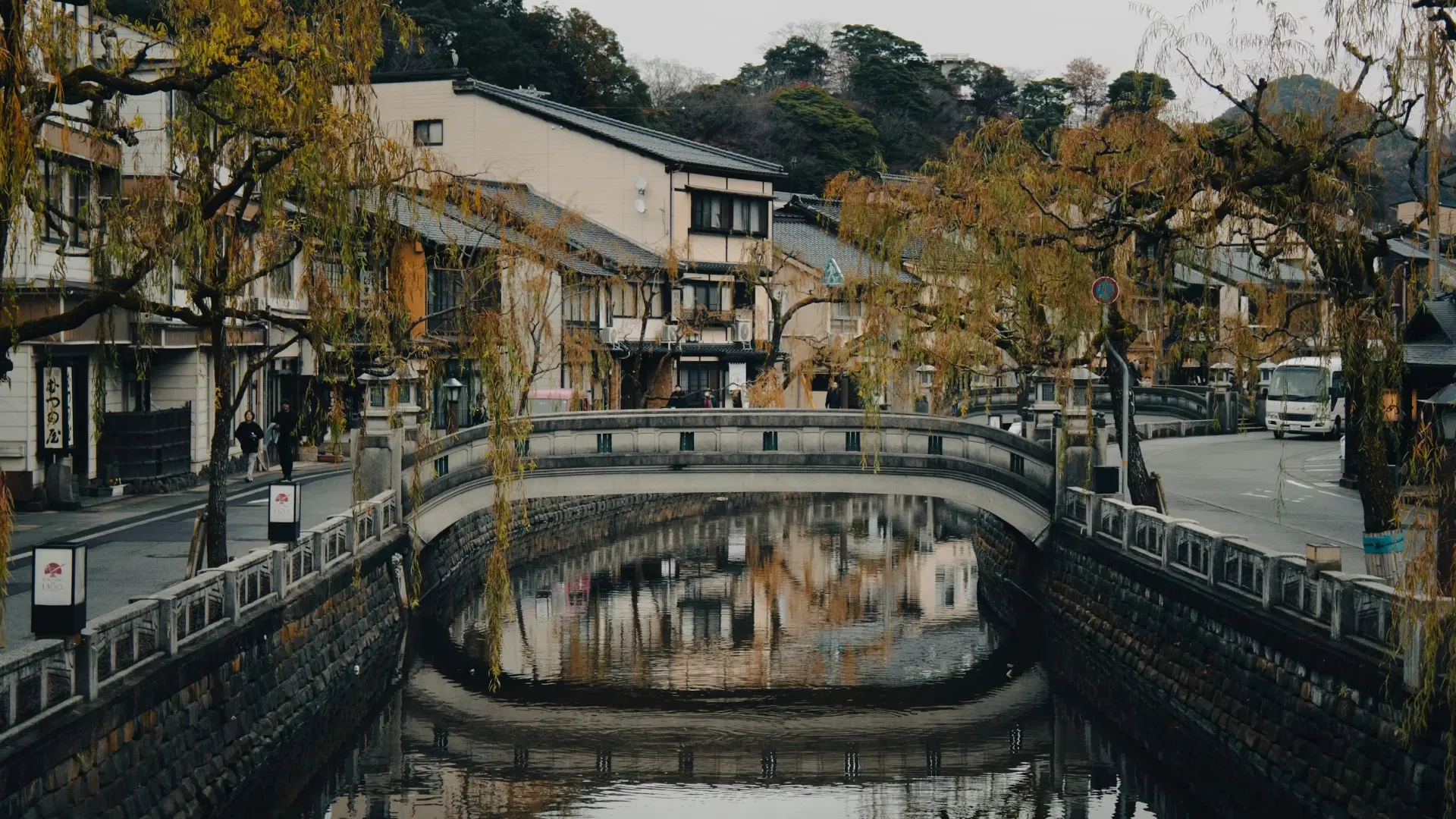
兵庫県Hyogo Prefecture stretches across the full width of Honshu, from the Seto Inland Sea in the south to the Sea of Japan in the north, and this geographic span gives it a range of character unmatched in Kansai. At its southern edge, Kobe is a port city of cosmopolitan elegance, where European architecture lines the hillside Kitano district and the beef that bears the city's name has become the most internationally recognized wagyu in the world. On the northern coast, the castle town of Kinosaki Onsen offers a completely different Japan: willow-lined canals, seven public bathhouses, and guests in yukata and geta clogs strolling from bath to bath beneath paper lanterns at dusk.
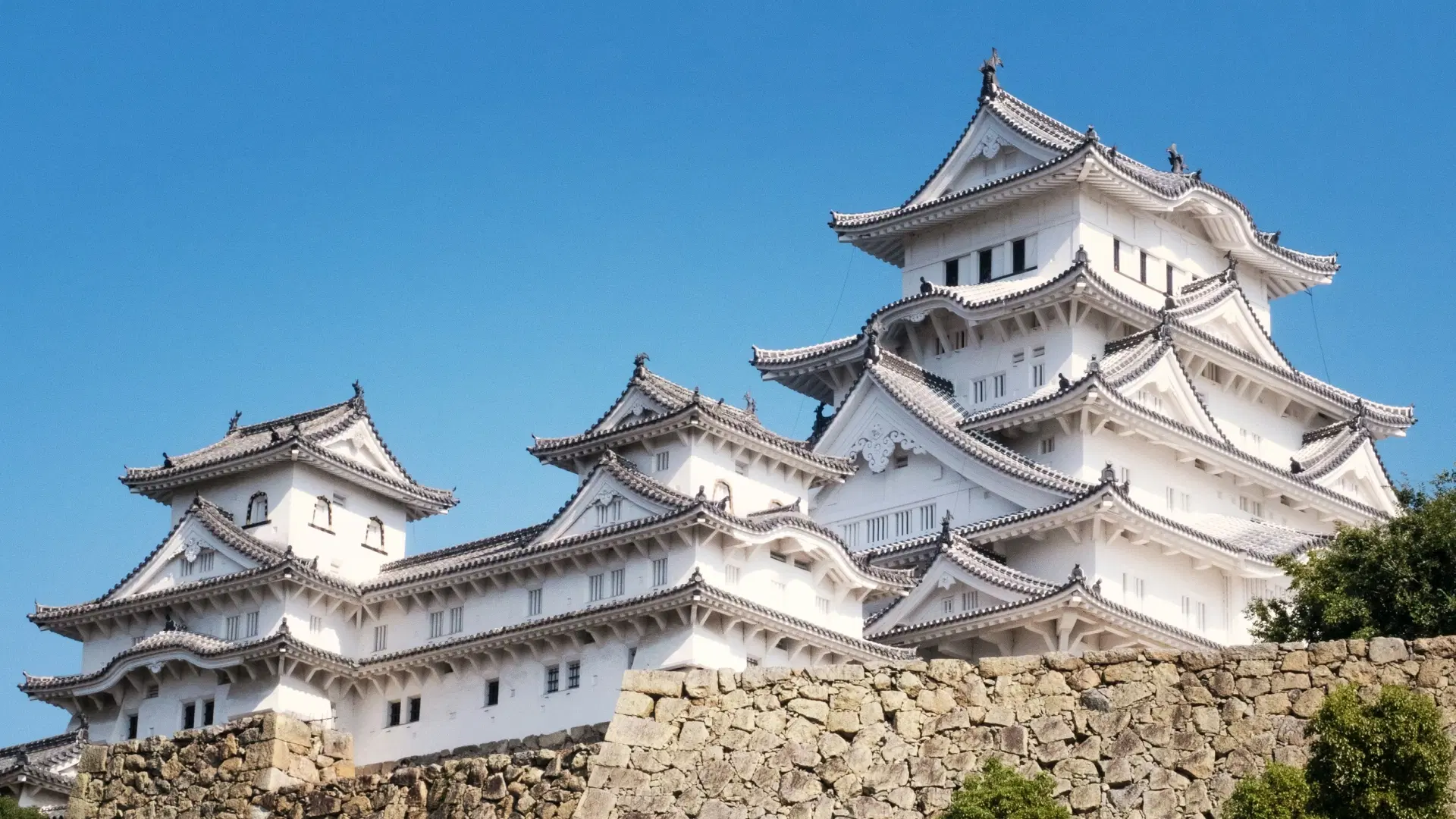
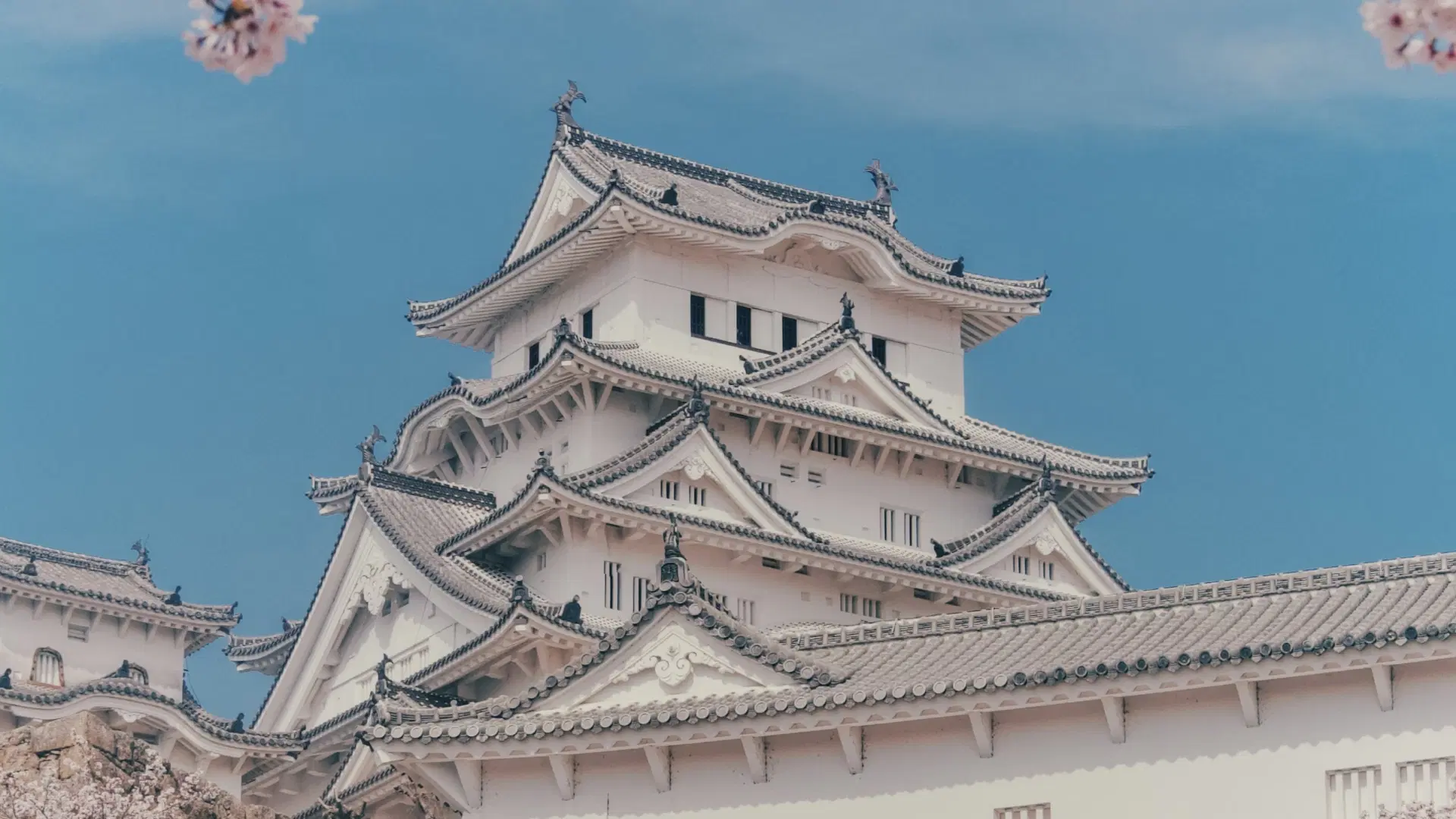
Between these two poles stands Himeji Castle, the most magnificent surviving feudal fortress in Japan, its brilliant white profile earning it the name Shirasagi, the White Heron. A UNESCO World Heritage Site and a national treasure, Himeji represents the pinnacle of Japanese castle architecture. Nearby, Arima Onsen, one of the three oldest hot spring towns in Japan, offers kinsen and ginsen, gold and silver waters whose mineral richness has drawn bathers since before written history.
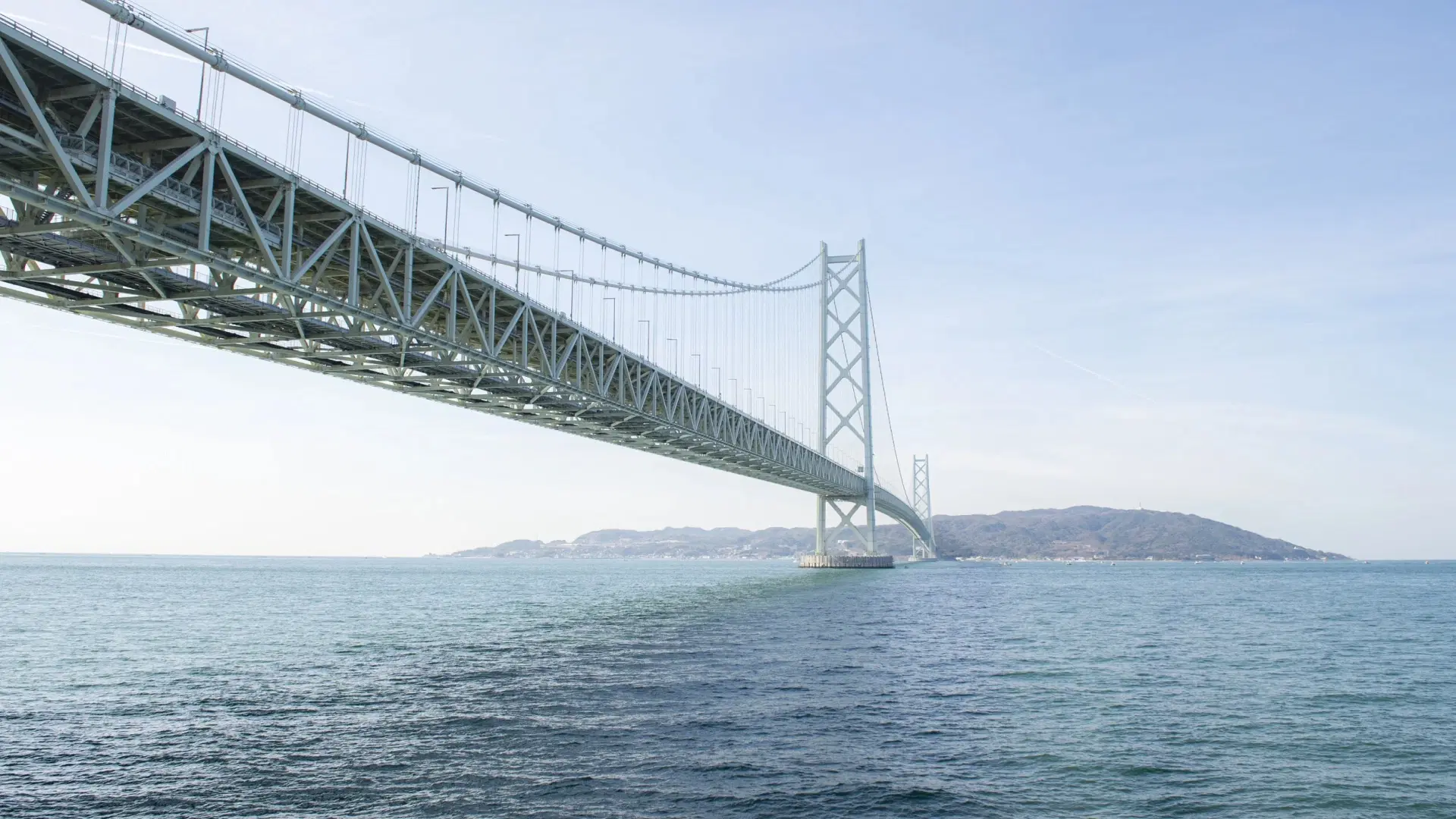
Hyogo also encompasses Awaji Island, the mythological birthplace of Japan according to the Kojiki, where puppet theater traditions persist and the Naruto whirlpools churn between the island and Shikoku. From Kobe's jazz bars to Kinosaki's silent snowfall, Hyogo contains multitudes.
Hyogo Prefecture stretches across the full width of Honshu, from the Seto Inland Sea in the south to the Sea of Japan in the north, and this geographic span gives it a range of character unmatched in Kansai.
Cultural Identity
Hyogo's culture reflects its geographic diversity. Kobe, opened to foreign trade in 1868, absorbed Western influences earlier than most Japanese cities, evident in the Victorian and colonial architecture of the Kitano Ijinkan district. This cosmopolitan heritage coexists with ancient traditions: Awaji Island's ningyo joruri puppet theater, a precursor to bunraku, has been performed in farming communities here for five centuries. Himeji Castle, with its labyrinthine defensive architecture and soaring main keep, represents the artistic and military zenith of Japan's feudal period. In Kinosaki Onsen, a literary tradition runs deep; the town inspired works by Shiga Naoya and other Taisho-era writers, and its seven public baths maintain a communal ritual that feels unchanged by the passage of decades. The Nada district of Kobe produces some of Japan's finest sake, benefiting from Miyamizu water and Yamada Nishiki rice grown in the surrounding fields.
Culinary Traditions
Kobe beef is the inevitable starting point, but to reduce Hyogo's cuisine to a single cut of meat would be to miss the breadth of a prefecture that spans two seas. Tajima beef, the purebred strain from which Kobe beef is selected, comes from cattle raised in the mountainous north, where cold winters and clean water produce meat of extraordinary tenderness. Along the Sea of Japan coast, winter brings matsuba-gani, the prized male snow crab hauled from deep, frigid waters and served as sashimi, grilled, or in steaming nabe pots. Akashi is renowned for its tako, octopus caught in the swift Akashi Strait currents, its firm flesh a testament to the tidal forces that shape it. In Kobe's Nankinmachi Chinatown, pork buns and Cantonese noodles reflect a culinary heritage distinct from anything else in Kansai. Nada's sake, brewed through cold winters with miyamizu spring water, rounds out a gastronomic prefecture of rare completeness.
Waters & Onsen
Hyogo possesses two of Japan's most storied onsen towns. Arima Onsen, tucked into the mountains behind Kobe, has been in continuous use for over a thousand years and features two distinct spring types: kinsen, a rust-red, iron-rich sodium chloride water, and ginsen, a clear, carbonated radium spring. The contrast between these waters, experienced in succession, is one of Japan's great bathing pleasures. Kinosaki Onsen, on the northern Sea of Japan coast, perfects the art of the onsen stroll. Guests move between seven public bathhouses, each with its own architectural character, wearing their ryokan's yukata through the willow-lined streets. The sodium chloride waters here are especially warming in winter, when snow blankets the canal bridges and the steam rises into cold night air.