Himeji Castle Cherry Blossom Viewing
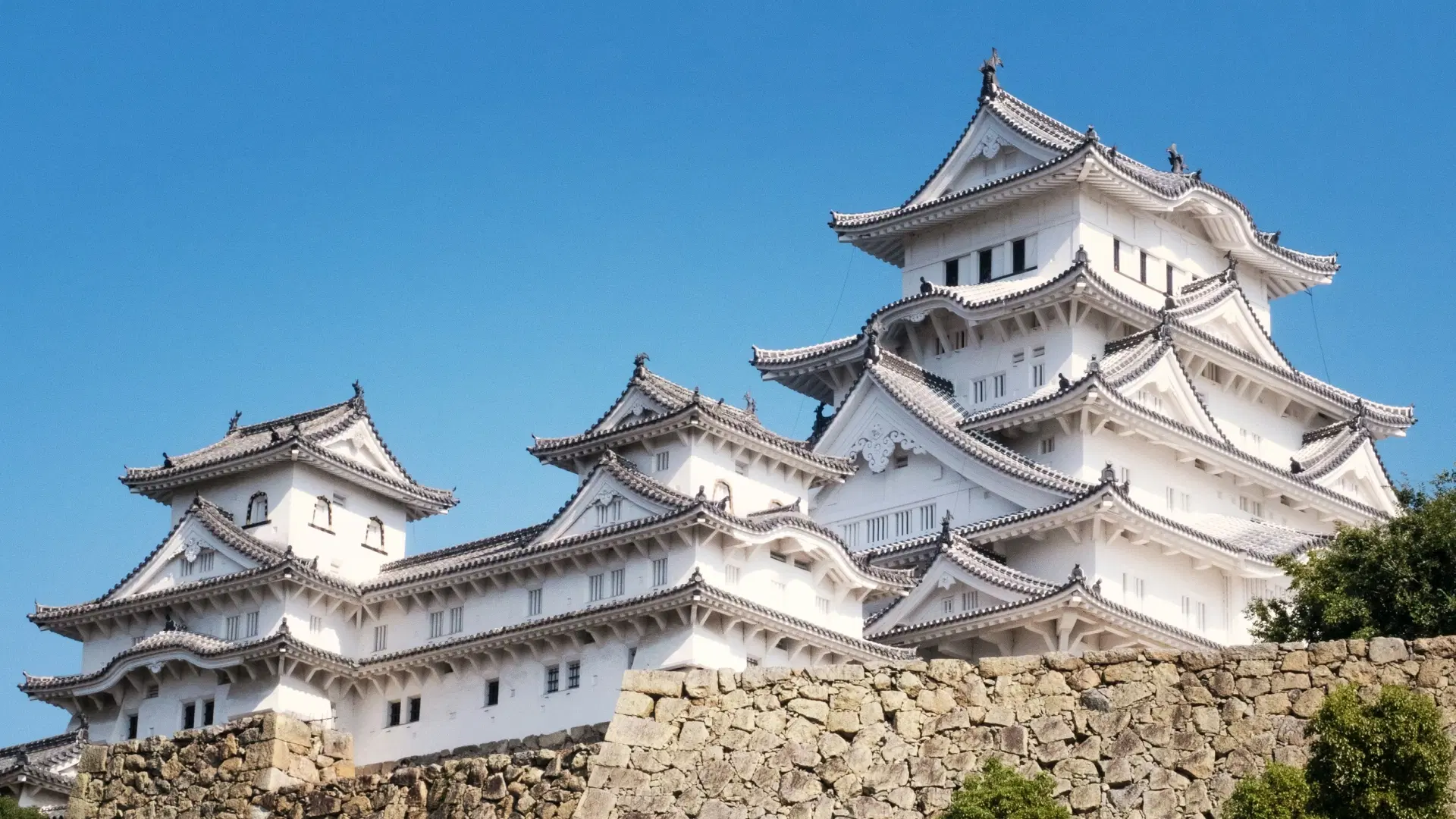
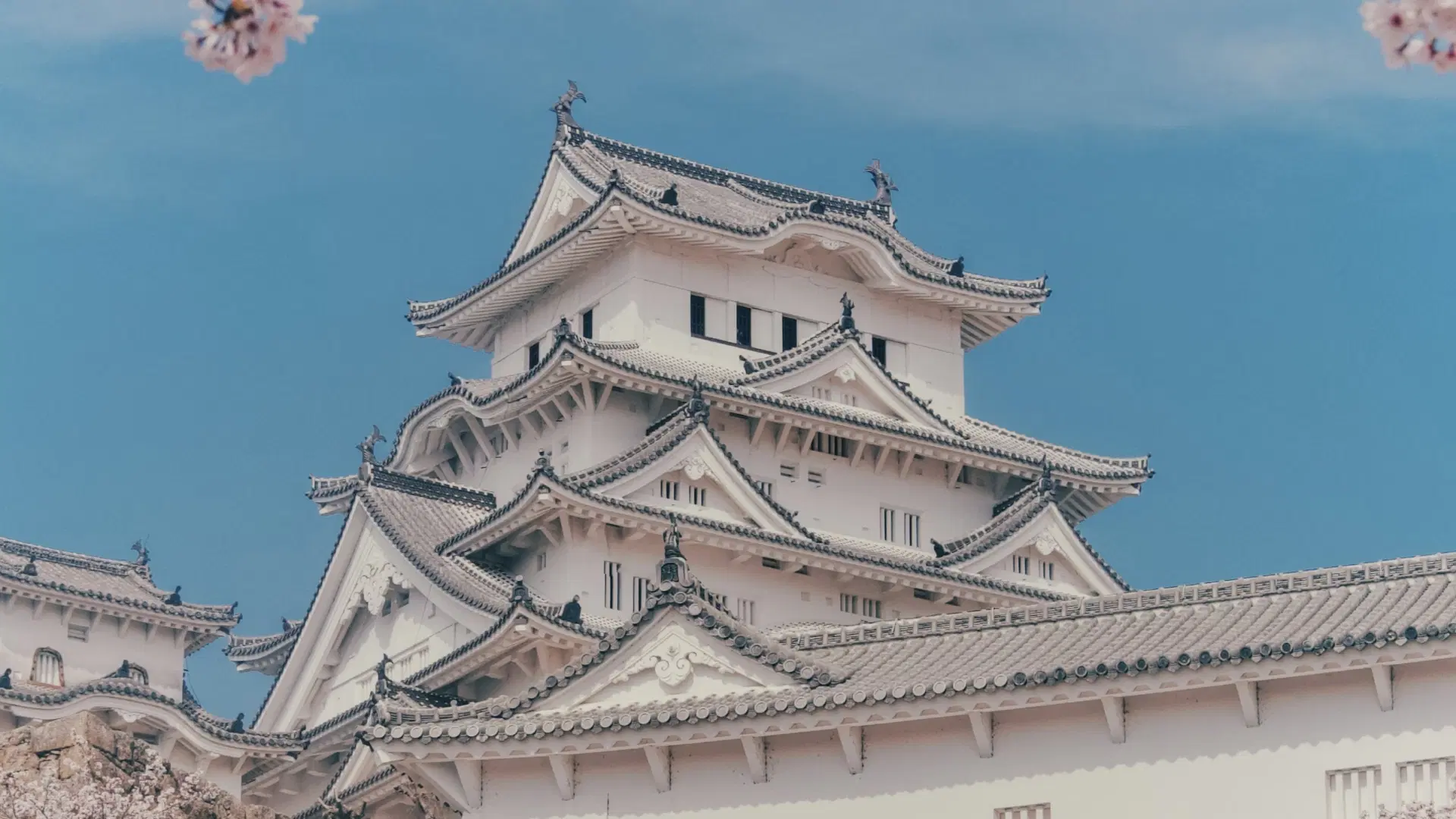
姫路城桜まつりThe cherry blossom season at Himeji Castle produces what may be the single most beautiful composition of architecture and nature in Japan: approximately 1,000 cherry trees, predominantly Somei Yoshino, blooming in successive waves around the base and along the ascending paths of the finest surviving castle in the country, their pale pink canopy framing the white plastered walls and grey-tiled rooflines of a structure whose nickname, Shirasagijo, the White Heron Castle, has never felt more apt than when the bird appears to rest upon a cloud of blossoms. The combination is not accidental but designed, the cherry trees planted and maintained to create precisely this effect, a visual dialogue between the transience of the flowers and the permanence of the stone and timber that has endured four centuries of history without fundamental alteration.
The castle's UNESCO World Heritage status and its reputation as Japan's greatest surviving fortress draw visitors from around the world throughout the year, but the cherry blossom season concentrates attention with an intensity that transforms the experience from architectural appreciation into something closer to pilgrimage. The Japanese concept of mono no aware, the bittersweet awareness of the passing of things, finds perhaps its most complete architectural expression at Himeji during hanami, where the knowledge that the blossoms will fall within days, that each petal's beauty is inseparable from its brevity, is set against the enduring solidity of walls and keeps that have outlasted empires.
The viewing experience at Himeji is distinguished from other famous hanami sites by the vertical dimension that the castle introduces. The blossoms can be seen from below, looking up through the pink canopy to the white towers above, and from above, looking down from the castle's upper floors across a landscape of blossoms that extends to the Sannomaru moat and beyond into the city. This dual perspective, available at no other cherry blossom site in Japan with equivalent architectural significance, gives the Himeji hanami a spatial complexity that flat parks and riverbank plantings cannot achieve.
History & Significance
Cherry trees have been planted in the grounds of Himeji Castle since the Edo period, when the flowering trees served both aesthetic and symbolic purposes, their annual bloom marking the return of spring and providing the occasion for hanami gatherings among the castle's samurai residents. The current plantings date primarily from the postwar period, when the city undertook a systematic beautification of the castle grounds that included the planting of approximately 1,000 Somei Yoshino and other cherry varieties along the paths, around the moats, and in the Sannomaru and Nishinomaru enclosures.
The Himeji Castle Cherry Blossom Festival, or Himeji-jo Hanami Taiyo, was formalized in the postwar decades as the city recognized the extraordinary visual potential of the castle-and-blossom combination and sought to promote it as a national hanami destination. The festival has grown to include cultural performances, food stalls, and evening illumination of the trees, but its core remains the unscripted encounter between visitor and landscape, the festival infrastructure serving to facilitate rather than replace the private experience of beauty that is hanami's essential purpose.
The completion of the castle's major restoration in 2015, which returned the main keep's white plaster to its original brilliance after years of greying, intensified the visual impact of the blossom season. The restored whiteness of the walls against the pink of the cherry blossoms achieves a chromatic purity that the castle had not displayed in decades, and visitors who saw the castle before and after the restoration describe the difference in terms that suggest not merely a cleaning but a revelation, as if the castle had been waiting for its true colors to be returned before it could fully participate in the annual drama of the blossoms.
What to Expect
The peak bloom at Himeji typically occurs in the first week of April, though the timing varies by several days from year to year depending on winter temperatures. The Somei Yoshino trees bloom in a concentrated burst that lasts approximately one week at full flower before the petals begin to fall, and the most devoted visitors time their arrival to the day when the blossoms have reached mankai, full bloom, a moment of maximum beauty that is tracked with almost meteorological precision by the Japanese media's sakura forecasts.
The Sannomaru Plaza, the broad open space at the castle's main entrance, provides the most accessible hanami experience, its lawn areas accommodating picnic groups beneath a canopy of mature cherry trees with the castle tower rising behind. The Nishinomaru Garden, the western enclosure with its long corridor and elevated perspective, offers perhaps the finest photographic compositions, the blossoms framing the main keep from angles that have been reproduced in countless images but that retain their power in person because the scale and depth of the real scene exceed what any photograph can convey.
The evening illumination, typically running from sunset until approximately 9 PM during the peak blossom period, transforms the experience entirely. The castle's white walls are lit from below, the cherry trees illuminated by spotlights that turn their blossoms from pale pink to luminous white-gold, and the combination of lit stone, lit blossom, and the dark sky beyond creates a nocturnal landscape of theatrical intensity. The moat surfaces reflect both castle and blossom, doubling the composition in a mirror of dark water that adds depth and mystery to the daylight scene's clarity.
The hanazakari period, the brief window between full bloom and the onset of petal fall, offers a particular beauty: cherry blossom blizzards, when wind stirs the petals from the branches and they fall in swirling clouds that cover the ground, the moat surface, and the shoulders of walkers in a fragrant, ephemeral snow. This moment of dissolution, when the peak of beauty and the beginning of loss coincide, is the emotional heart of Japanese hanami, and Himeji's castle provides the architectural gravitas that gives the fleeting petals their fullest resonance.