Himeji Castle Autumn Moon Viewing
姫路城観月会The autumn moon viewing at Himeji Castle is tsukimi elevated to its most magnificent setting, the practice of contemplating the harvest moon transported from the intimate garden pavilions where it originated to the grandest stage in Japanese castle architecture. On the evening nearest the full moon of the eighth lunar month, the Sannomaru Plaza and Nishinomaru Garden of the White Heron Castle become open-air theaters for an ancient ritual of aesthetic contemplation, the moon rising above the illuminated keep while musicians perform gagaku, the ancient court music whose stately rhythms have accompanied tsukimi gatherings since the Heian aristocracy first formalized the practice of finding beauty in the autumn sky.
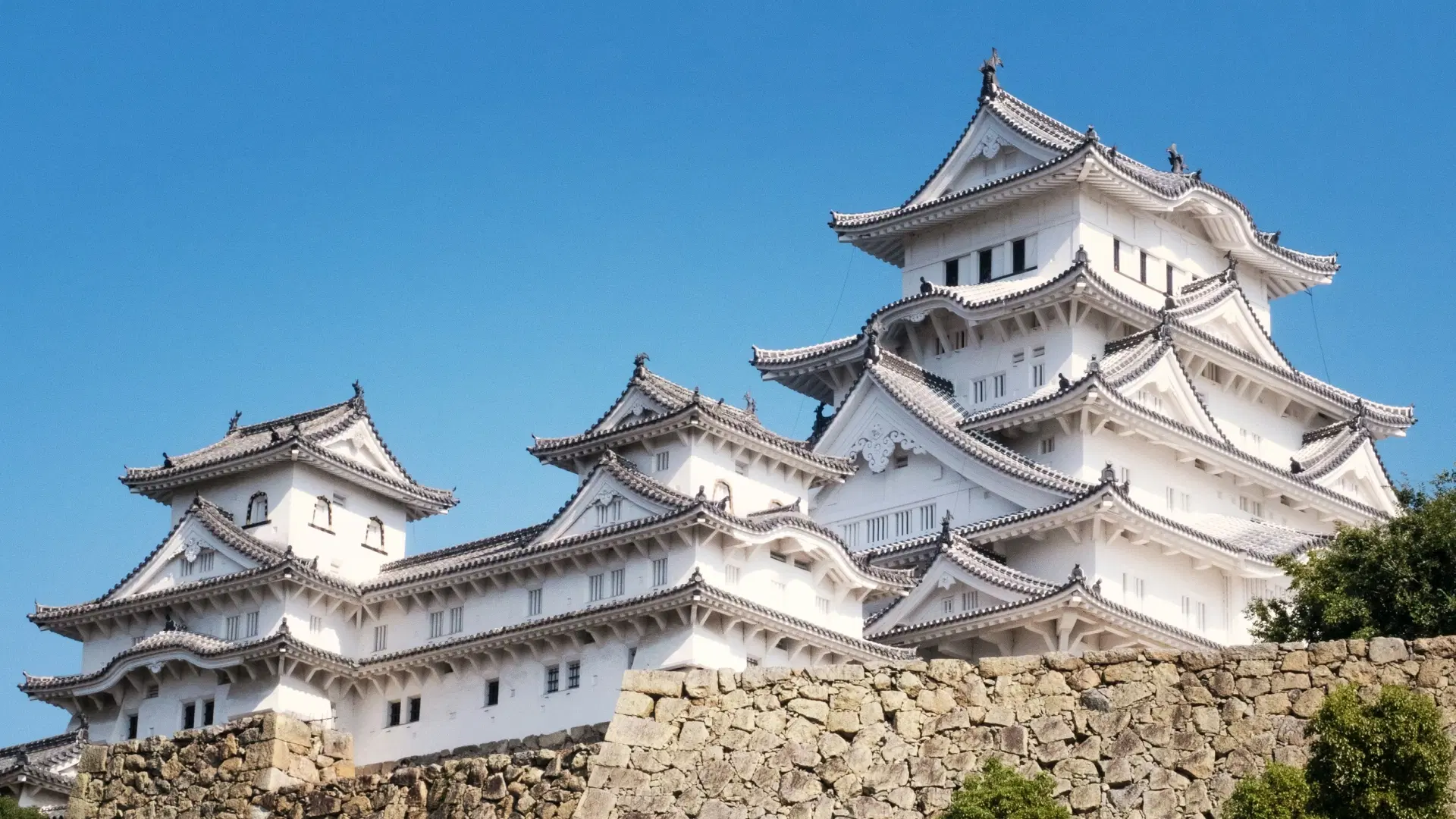
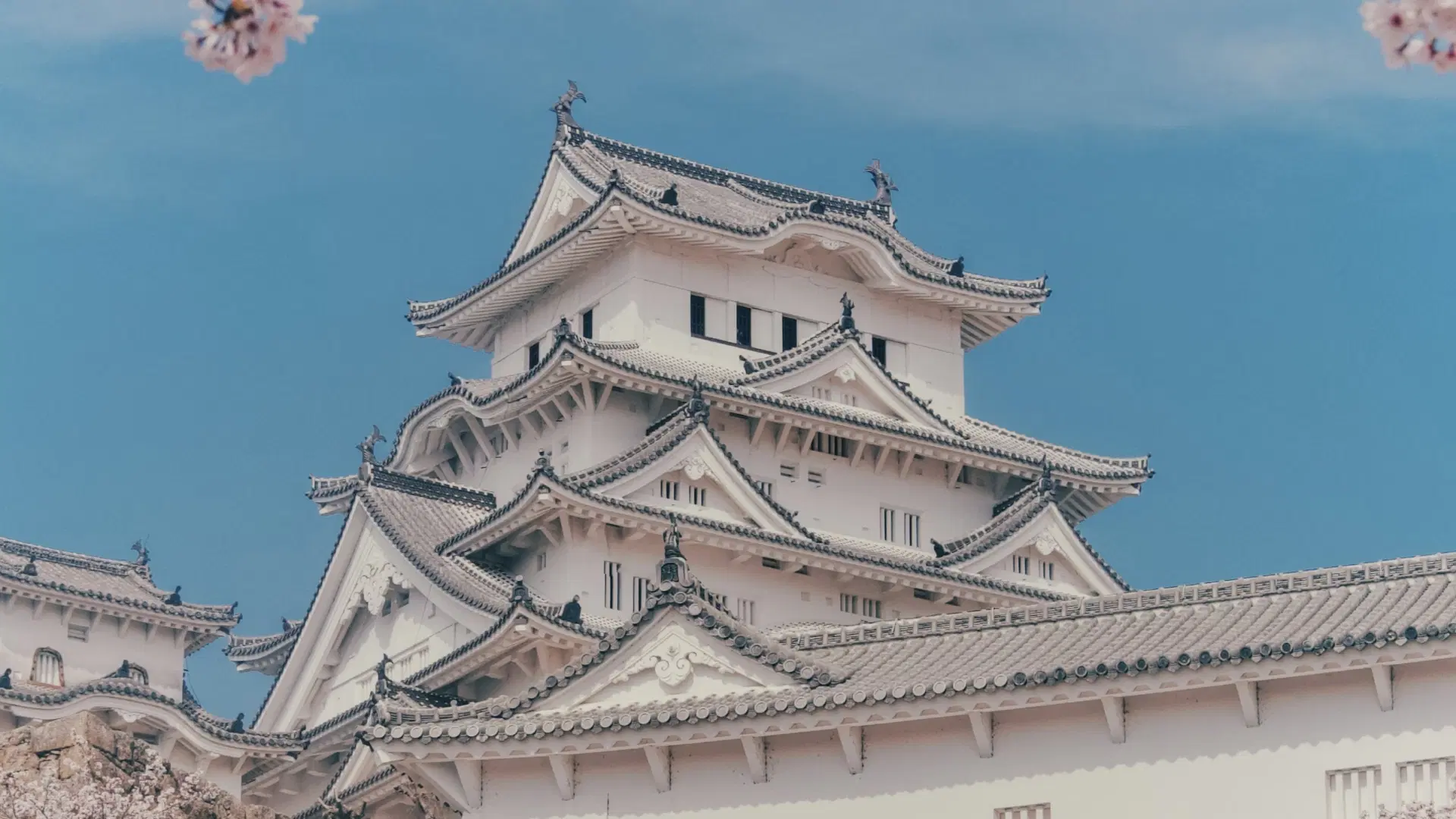
The power of the setting cannot be overstated. Himeji Castle's white plaster walls, which give it its heron nickname, take on an almost spectral quality in moonlight, the massive structure appearing to glow against the dark sky with a luminosity that seems to emanate from within rather than being imposed from without. The combination of the moon, the castle, and the music creates a composition that is simultaneously natural and architectural, ephemeral and permanent, the silver disc of the moon providing the transient beauty that the stone and timber of the castle cannot, while the castle provides the enduring presence that the moon, in its monthly waning, cannot sustain.
Tsukimi is among the most contemplative of Japanese seasonal traditions, a practice whose origins in Chinese poetry and Heian court culture gave it an association with refinement, melancholy, and the particular quality of beauty that arises from awareness of passing time. The harvest moon, the largest and brightest of the year, was understood as a moment of maximum illumination before the long decline into winter darkness, and the gatherings organized to view it combined aesthetic pleasure with a philosophical awareness that is as relevant today as it was a thousand years ago.
The autumn moon viewing at Himeji Castle is tsukimi elevated to its most magnificent setting, the practice of contemplating the harvest moon transported from the intimate garden pavilions where it originated to the grandest stage in Japanese castle architecture.
History & Significance
Moon viewing as a formalized cultural practice arrived in Japan from China during the Nara and Heian periods, when the aristocracy adopted the Chinese custom of gathering to view the mid-autumn moon, compose poetry, and reflect on the transience of beauty. The practice was documented in Murasaki Shikibu's Tale of Genji, where moon-viewing scenes serve as occasions for the novel's exploration of beauty, loss, and the passage of time. Over the following centuries, tsukimi expanded from an exclusively aristocratic practice to one observed across social classes, the harvest moon's association with agricultural gratitude providing a populist dimension that complemented the ceremony's literary origins.
The Kangetsu-kai at Himeji Castle draws on this deep tradition while adding the specific resonance of the castle setting. Himeji's lords hosted moon-viewing gatherings in the castle grounds during the Edo period, the elevated position of the castle providing unobstructed views of the moon rising over the surrounding plains. The modern event, organized by the city and the castle management, restores this practice with performances of traditional music and dance that connect the contemporary gathering to the long history of cultural refinement that the castle represents. The event has become one of the most anticipated autumn cultural occasions in the Kansai region, its combination of architectural grandeur, musical beauty, and celestial spectacle achieving a synthesis that few other venues in Japan can approach.
What to Expect
The Kangetsu-kai is typically held on a single evening, timed to coincide with the harvest moon. The castle grounds open in the late afternoon, and visitors take positions on the lawns and paths of the Sannomaru and Nishinomaru areas as daylight fades and the castle's illumination gradually asserts itself against the darkening sky. A stage erected in the castle grounds hosts performances of gagaku, koto music, and traditional dance, the sounds carrying across the open space with a clarity that the absence of walls enhances rather than diminishes.
As the moon rises above the castle keep, the gathering achieves its purpose: the simultaneous contemplation of the moon's beauty and the castle's, each illuminating the other in a dialogue between the celestial and the architectural that the audience witnesses from the privileged position of the castle's inner grounds. The castle's white walls catch and reflect the moonlight, and on clear evenings the effect approaches the uncanny, the massive structure seeming to float above the darkened treeline like the heron for which it is named.
Tea ceremony services are typically available during the event, the matcha and seasonal confections providing the gustatory dimension that completes the traditional tsukimi experience. The combination of tea, music, moonlight, and the presence of one of the world's great architectural achievements creates an evening whose beauty operates on multiple sensory registers simultaneously. The mood is quiet, the crowd respectful of the contemplative tradition that the event preserves, and the experience of sitting in the castle's shadow while the moon traces its arc overhead induces a quality of stillness that the busy daytime castle visits cannot achieve.