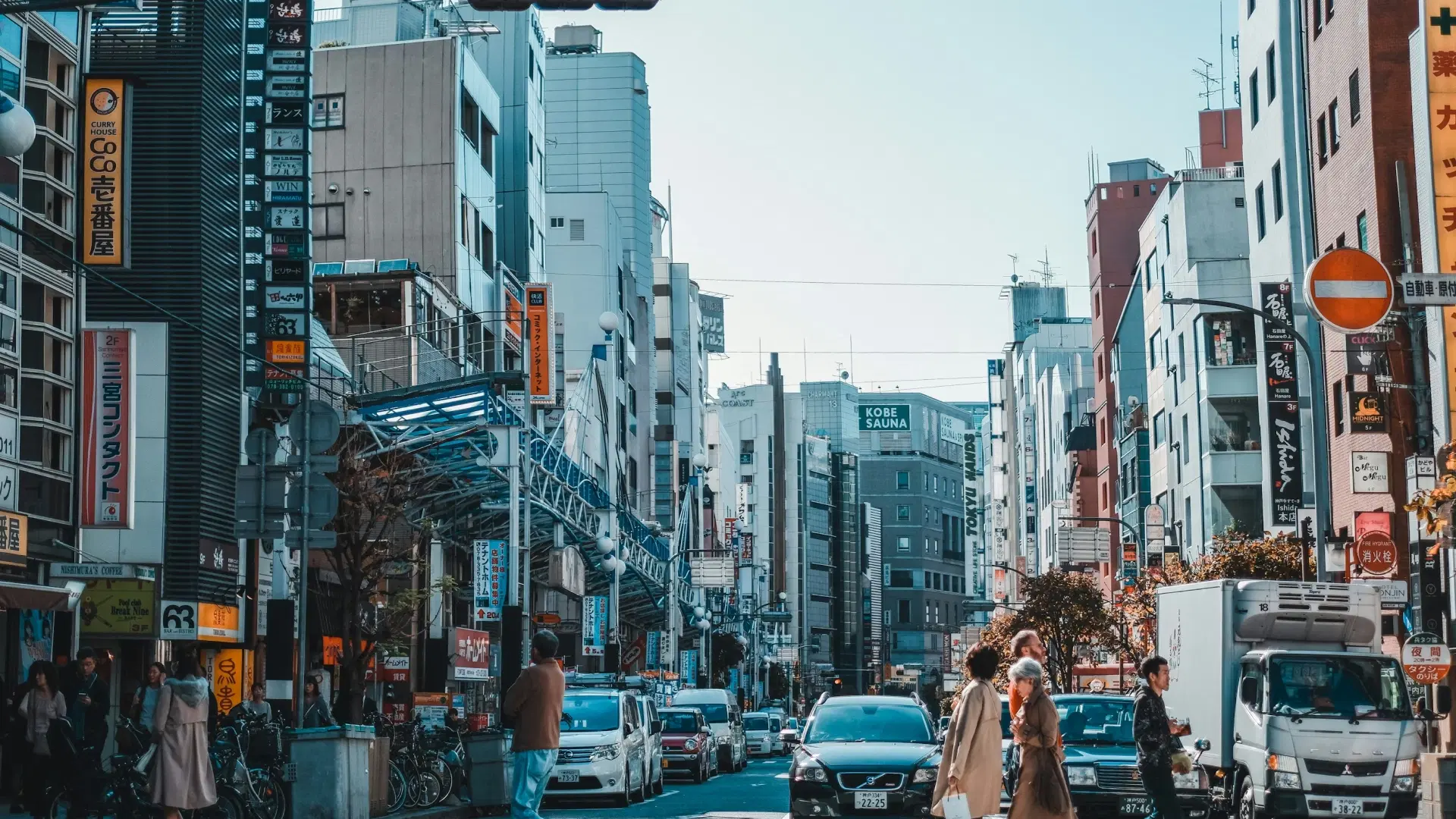
Kobe
神戸Kobe is the city that lives between the mountain and the sea, its geography compressed into a narrow strip of habitable land between the steep slopes of Mount Rokko and the waters of Osaka Bay, a topographic constraint that has produced an urban landscape of unusual verticality and intimacy. The city climbs the mountainside in terraces of residential neighborhoods, their narrow streets and stone stairways offering views of the harbor that shift with each ascent, while the waterfront stretches along the bay in a sequence of ports, parks, and commercial districts whose international character reflects over 150 years of engagement with the world beyond Japan.
Kobe's cosmopolitanism is not a recent acquisition but the city's foundational identity. When the port opened to foreign trade in 1868, the settlement that grew on the hillside above the harbor brought together merchants, missionaries, diplomats, and adventurers from Europe, America, India, and China, and the architecture they built, a collection of Victorian, colonial, and Edwardian houses now preserved as the Kitano Ijinkan foreign settlement, gave the city a visual character unlike any other in Japan. The influence persisted beyond architecture into cuisine, fashion, and social customs: Kobe developed Japan's first jazz scene, its first golf course, its first cinema, and a coffee culture that preceded Tokyo's by decades. The city wears its foreignness not as an overlay but as an integrated element of its identity, the Western and Japanese threads woven so thoroughly into the urban fabric that separating them would require destroying the cloth.
The catastrophic earthquake of January 17, 1995, which killed over 6,400 people and destroyed large portions of the city, tested this identity and ultimately deepened it. The reconstruction that followed was not merely physical but spiritual, the city choosing to rebuild in ways that honored both its modernist ambitions and its humanitarian lessons. The Disaster Reduction and Human Renovation Institution, established to preserve the memory of the earthquake and advance disaster preparedness, stands as a testament to Kobe's refusal to let catastrophe be the final word. The city that emerged from the rubble is more resilient, more self-aware, and more determined to prove that a city of modest size can sustain a quality of life that larger metropolises sacrifice to scale.
Kobe is the city that lives between the mountain and the sea, its geography compressed into a narrow strip of habitable land between the steep slopes of Mount Rokko and the waters of Osaka Bay, a topographic constraint that has produced an urban landscape of unusual verticality and intimacy.
Highlights
The Kitano Ijinkan district, climbing the slopes of Kitano-cho above Sannomiya Station, preserves approximately twenty foreign residences from the Meiji and Taisho eras, their architectural styles ranging from the half-timbered English country house of the Weathercock House to the Chinese-influenced Moegi no Yakata with its distinctive green exterior. The district's narrow lanes, lined with boutiques, cafes, and the occasional Christian church whose presence recalls the missionary activity that accompanied the opening of the port, offer a walking experience that feels more Mediterranean than Japanese, the hillside setting, the views of the harbor below, and the domestic scale of the architecture creating an atmosphere of cultivated leisure that contrasts with the commercial energy of the flatlands below.
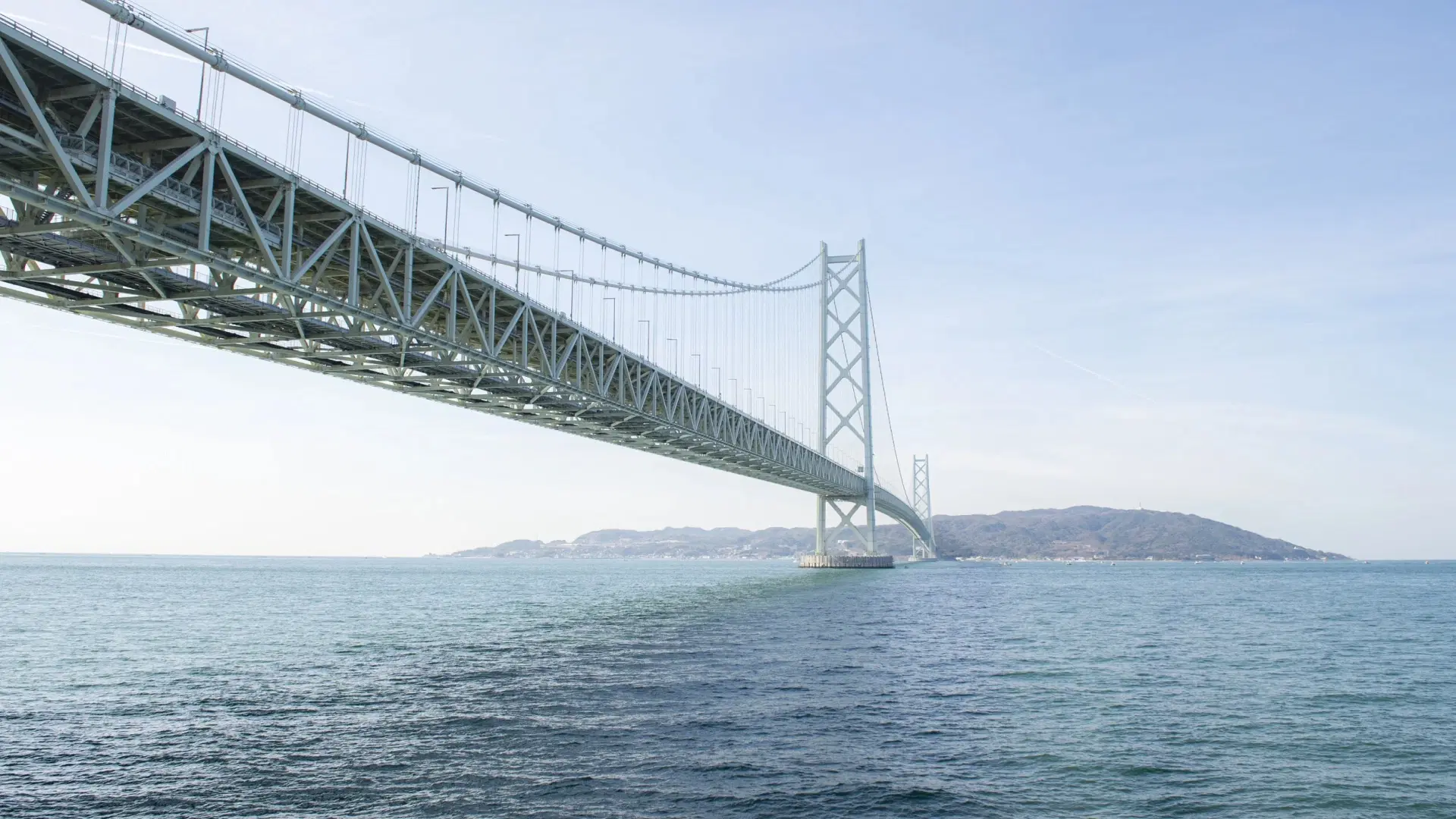
Mount Rokko, rising 931 meters above the city, provides both wilderness and panorama within minutes of the urban center. The Rokko Cable Car and Rokko Arima Ropeway transport visitors from the city to the mountain's summit plateau, where the night view of Kobe, designated one of Japan's three great night views, spreads the city's lights along the bay in a glittering arc that extends from the Akashi Kaikyo Bridge in the west to the industrial ports of Osaka in the east. The mountain's summit area includes the Rokko Alpine Botanical Garden, whose collection of highland plants blooms through the cooler mountain summer, and the Rokko International Musical Box Museum, whose collection of antique mechanical instruments provides unexpected enchantment.
The Kobe waterfront, redeveloped since the earthquake into a sequence of public spaces and cultural venues, offers a different perspective on the city's relationship with the sea. The Meriken Park area, where the preserved ruins of the earthquake-damaged harbor wall stand alongside the swooping white form of the Kobe Maritime Museum and the red lattice of the Port Tower, compresses memory, aspiration, and civic identity into a single visual field. The nearby Kobe Harborland district provides the commercial dimension, its restaurants and shops oriented toward the water in a design that acknowledges the harbor as Kobe's reason for existence.
Culinary Scene
Kobe beef is the city's most famous culinary export, and the reality of the product, when experienced at its source from a reputable purveyor, justifies the global reputation. The beef comes from Tajima cattle raised in Hyogo Prefecture, their lineage documented with a precision that rivals the pedigree records of thoroughbred horses, their feeding regimen and handling practices subject to standards so specific that fewer than 3,000 animals qualify for the Kobe beef designation each year. The marbling, rated on the Japanese Beef Marbling Standard at the highest grades, produces meat whose fat is distributed in such fine, even patterns that it melts at body temperature, releasing a sweetness and depth of flavor that coarser marbling cannot achieve. The finest teppanyaki restaurants in Kobe, concentrated along Tor Road and in the Sannomiya district, cook the beef on iron griddles before the diner, the chef's knife work and temperature control transforming each slice into a study in the relationship between heat, fat, and time.
Beyond beef, Kobe's culinary identity reflects its international history. The city's Chinatown, Nankinmachi, is the oldest in the Kansai region, its concentrated blocks of Cantonese, Szechuan, and Taiwanese restaurants and street food stalls offering an intensity of flavor and variety that rivals the Chinatowns of Yokohama and Nagasaki. The Indian community, established since the Meiji period, sustains a curry tradition whose depth and authenticity distinguish Kobe's Indian restaurants from the watered-down adaptations found in most Japanese cities. Kobe's bakeries and patisseries, inheriting the European baking traditions introduced during the foreign settlement era, produce bread and pastries whose quality reflects over a century of refinement.
The city's sake heritage connects it to the broader Nada district, which stretches along the coast between Kobe and Nishinomiya and produces roughly a quarter of Japan's sake output. The Nada breweries, including Hakutsuru, Kikumasamune, and Kenbishi, have maintained operations for centuries, their proximity to the mineral-rich miyamizu water that rises in this coastal zone providing the brewing water that gives Nada sake its characteristically clean, robust flavor profile. Several breweries maintain museums and tasting rooms that offer education and sampling in settings that range from historical warehouses to contemporary galleries.