Wakayama
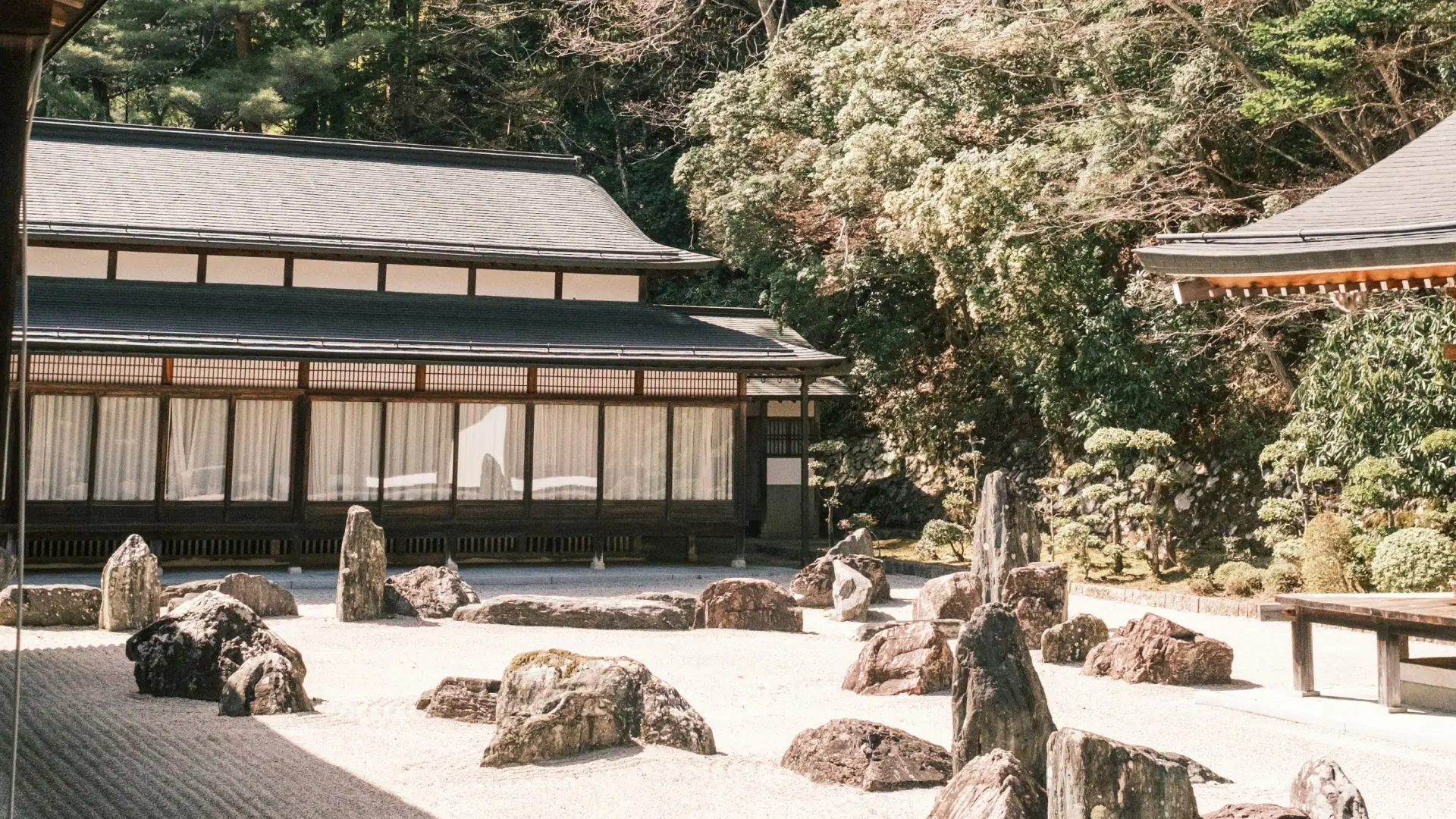
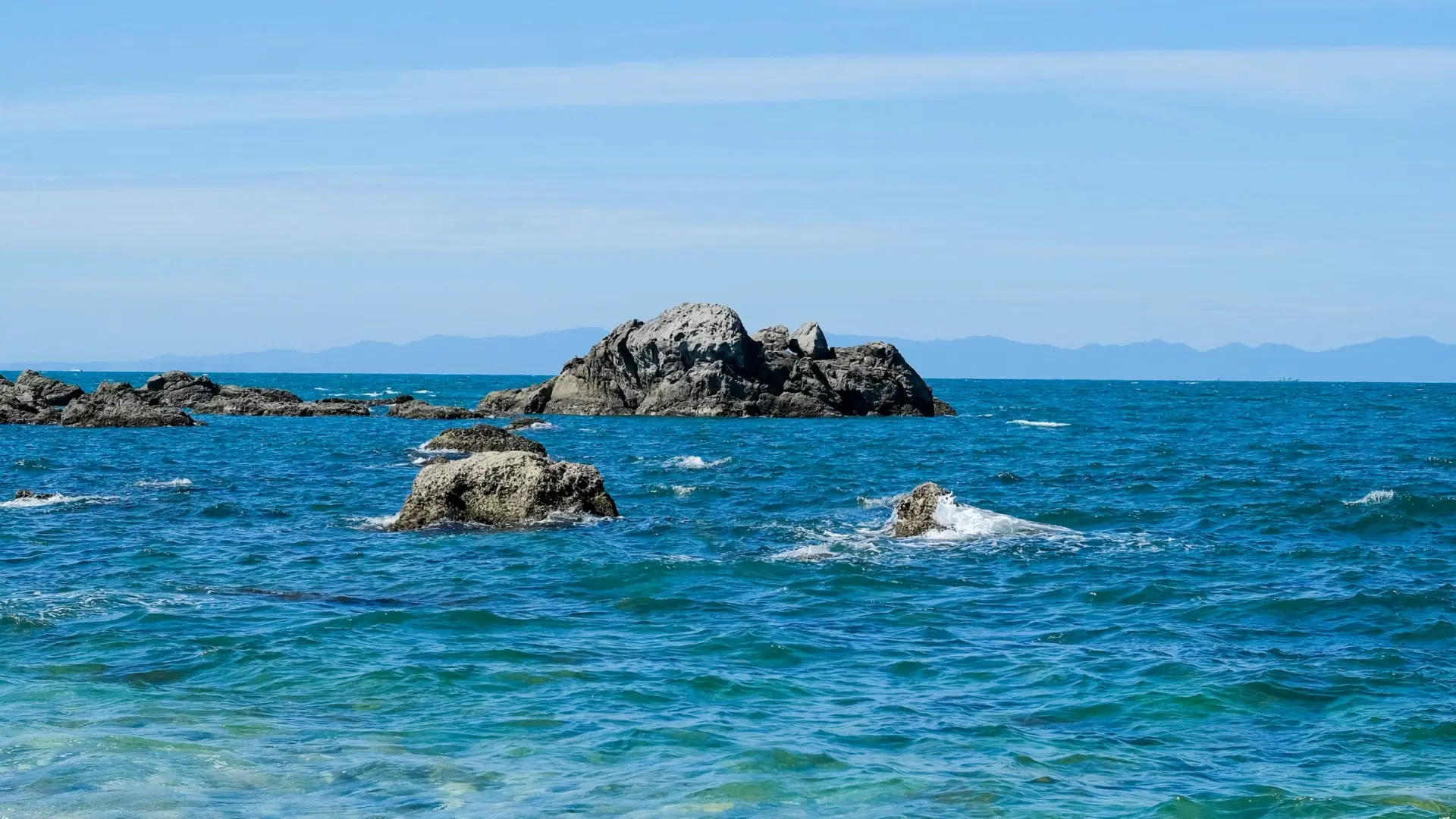
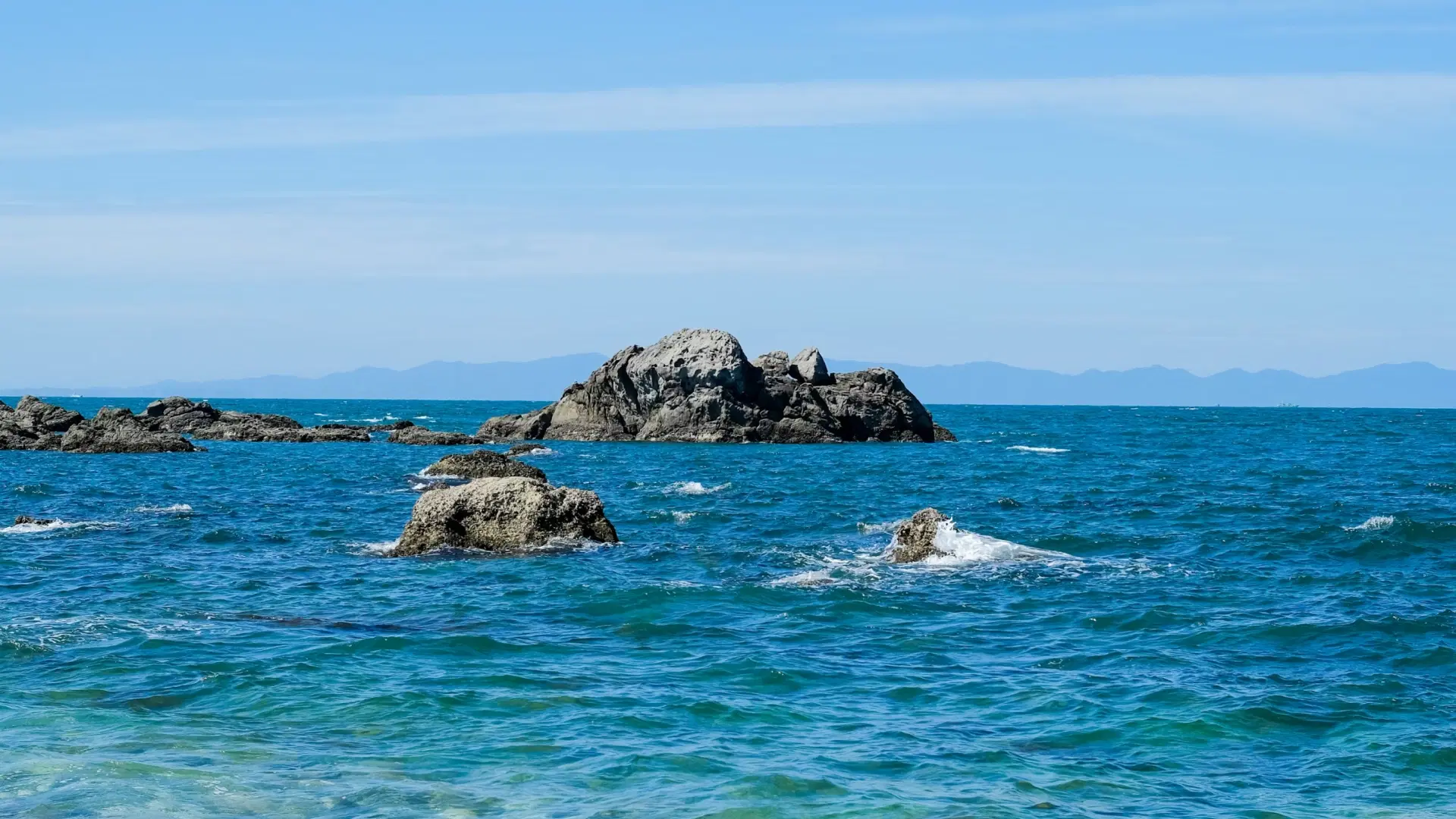
和歌山県Wakayama Prefecture occupies the southern reaches of the Kii Peninsula, where rugged mountains fall sharply to a Pacific coastline of startling beauty. This is a landscape shaped by faith. Koyasan, the mountaintop monastery complex founded by the monk Kukai in 816, remains the headquarters of Shingon Buddhism, its 117 temples rising from a cedar-shrouded plateau that feels suspended between earth and sky. To spend a night in a shukubo temple lodging here, waking before dawn for the chanting of sutras in candlelit halls, is to touch something essential about the spiritual architecture of Japan.
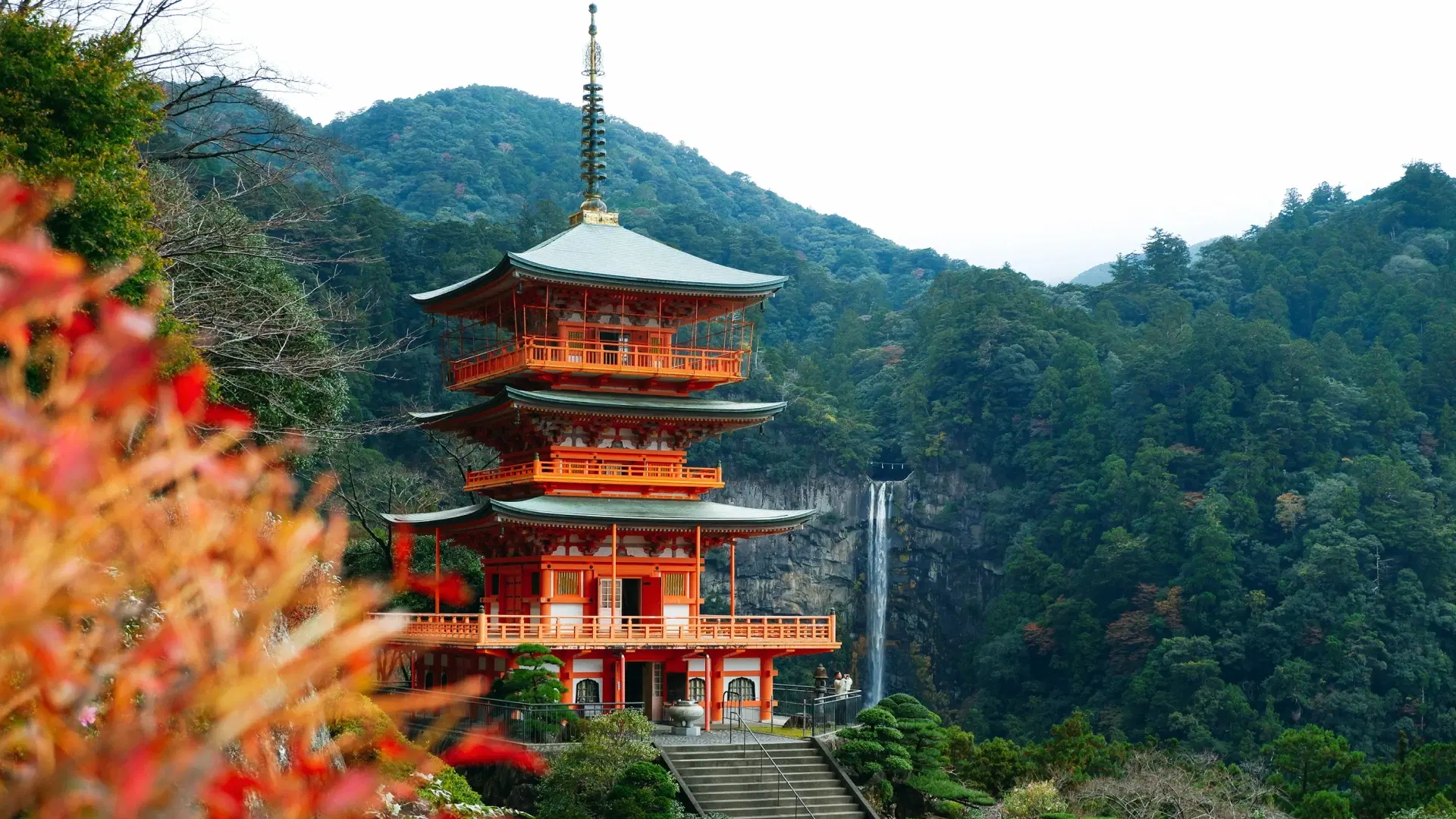
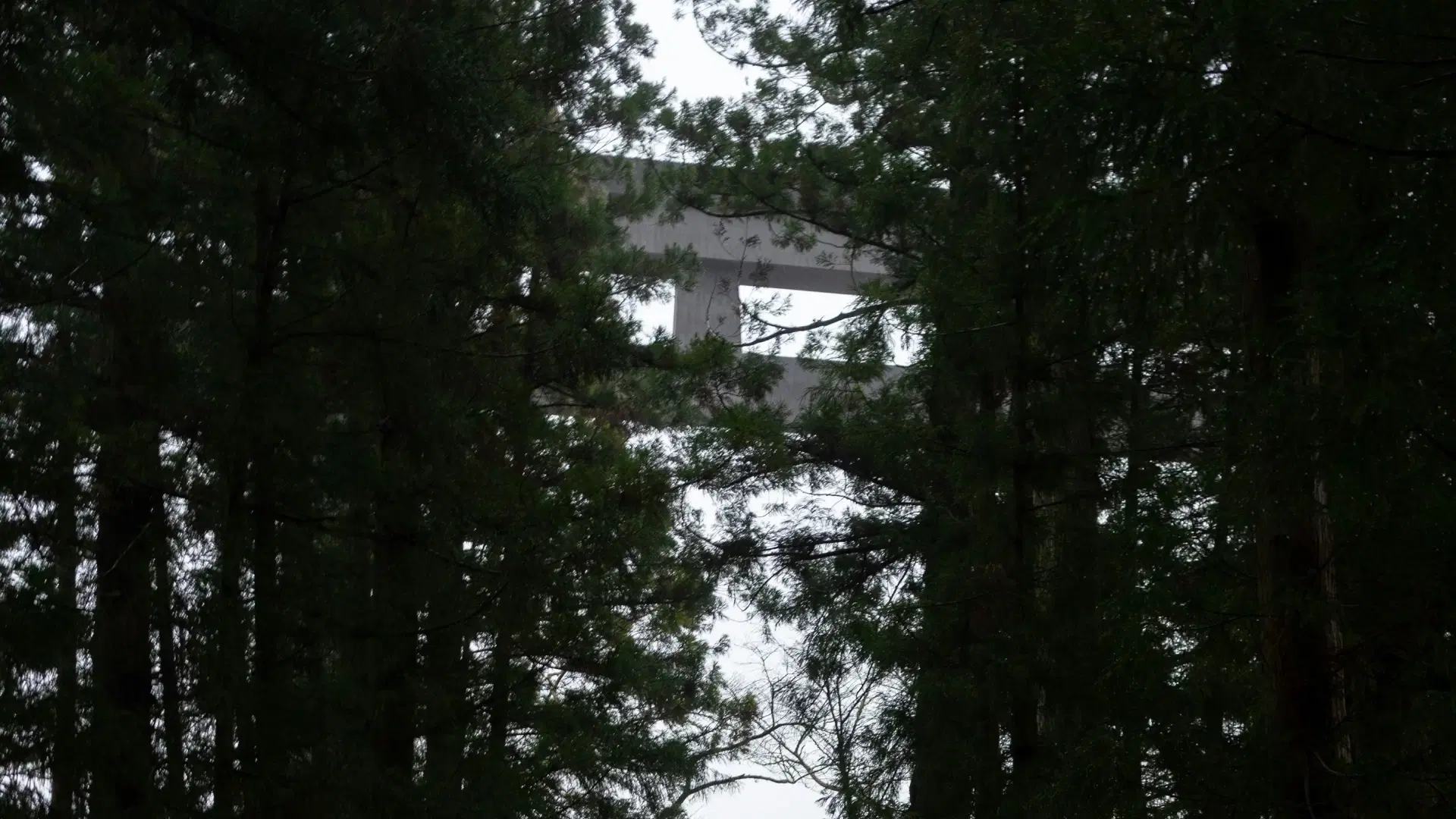
From Koyasan, pilgrimage routes descend toward the coast and the Kumano Sanzan, the three grand shrines of Kumano Hongu Taisha, Kumano Nachi Taisha, and Kumano Hayatama Taisha. The Kumano Kodo trails connecting these sacred sites, inscribed as a UNESCO World Heritage Site alongside Spain's Camino de Santiago as one of only two pilgrimage routes so honored worldwide, wind through forests of hinoki cypress and towering cedar, past waterfalls and moss-covered stone markers. Nachi Falls, at 133 meters the tallest single-drop waterfall in Japan, crashes beside the vermilion pagoda of Seiganto-ji in a composition that has defined Japanese landscape aesthetics for centuries.
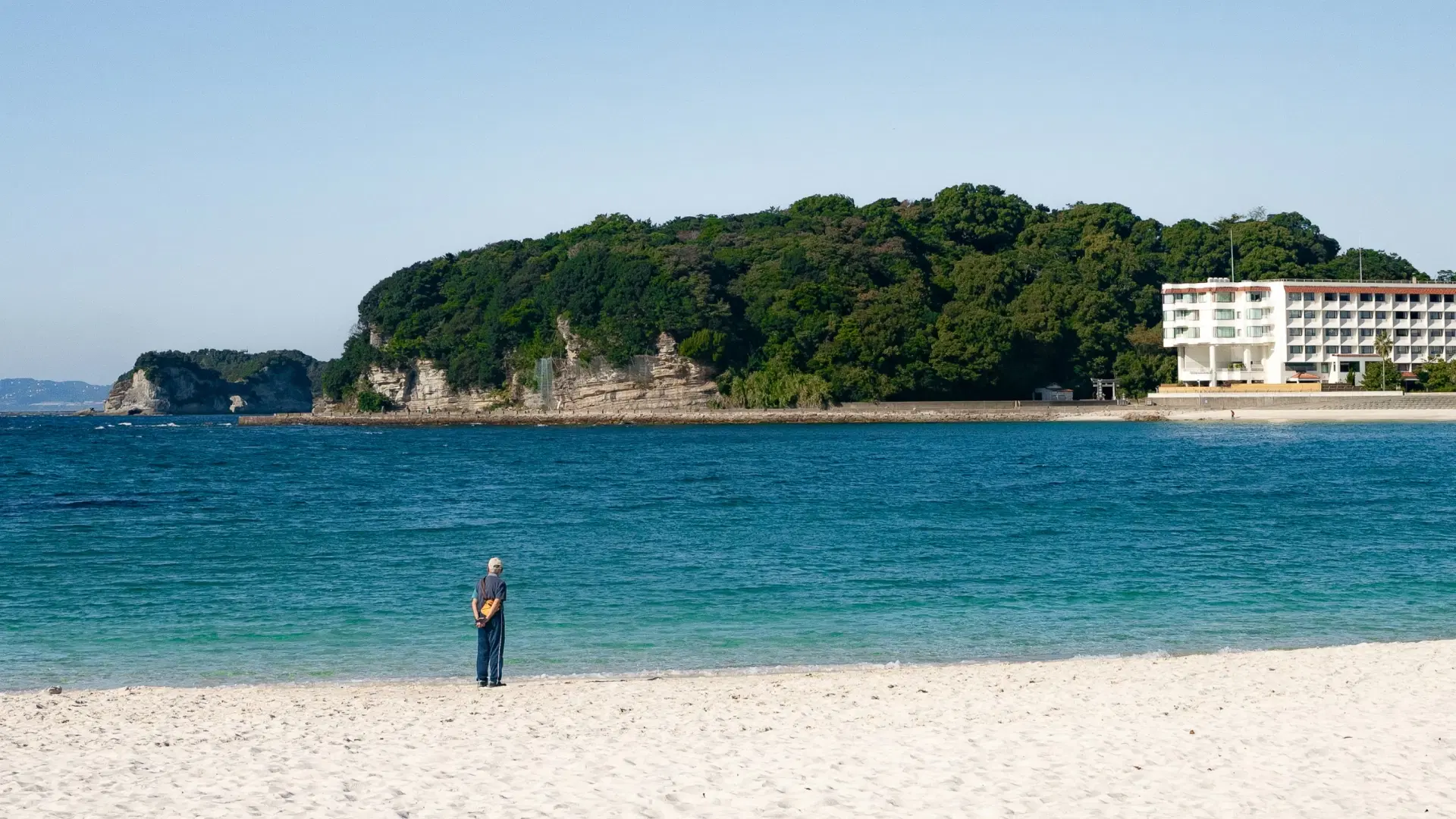
The coast below offers a different revelation. Shirahama's white sand beach, its waters warmed by the Kuroshio Current, has drawn bathers since the seventh century. At Katsuura, tuna boats unload their catch at dawn in one of Japan's largest fresh tuna markets. Wakayama is a prefecture of dramatic contrasts: mountain silence and ocean roar, ascetic discipline and sensory abundance, all bound together by the ancient paths that connect them.
Wakayama Prefecture occupies the southern reaches of the Kii Peninsula, where rugged mountains fall sharply to a Pacific coastline of startling beauty.
Cultural Identity
Wakayama's cultural identity is inseparable from pilgrimage. Koyasan's Okunoin cemetery, where over 200,000 memorial stones line a two-kilometer path beneath ancient cedars to the mausoleum of Kukai, is one of Japan's most profound sacred spaces. The Kumano Kodo trails represent a living pilgrimage tradition stretching back over a thousand years, walked by emperors and commoners alike in pursuit of spiritual rebirth. Kumano's syncretic faith, blending Shinto nature worship with esoteric Buddhism, created a uniquely Japanese form of devotion where mountains, waterfalls, and ancient trees are venerated as manifestations of the divine. In the coastal towns, fishing communities maintain festivals and rituals tied to the sea, while the mountainous interior preserves folk traditions in villages accessible only by winding roads through cedar forests.
Culinary Traditions
Wakayama's cuisine draws from the Kuroshio Current and the fertile mountain slopes in equal measure. Katsuura is one of Japan's foremost tuna ports, and the maguro here, pulled from Pacific waters just offshore, appears as sashimi of remarkable freshness and depth. Kujira, whale meat with deep roots in the coastal communities of Taiji, remains a controversial but culturally significant part of the local food heritage. Mikan, the mandarin oranges that blanket Wakayama's hillsides in winter, are the finest in Japan, their sweetness intensified by the Pacific sun and well-drained slopes. Umeboshi, the salt-pickled plums produced in the Minabe area, are the national standard, their puckering tartness a cornerstone of Japanese cuisine. At Koyasan, shojin ryori temple cuisine transforms seasonal vegetables, sesame tofu, and mountain herbs into meals of quiet elegance and surprising depth.
Waters & Onsen
Wakayama's onsen heritage is rich and varied. Shirahama Onsen, one of Japan's three oldest hot springs alongside Arima and Dogo, offers seaside baths where bathers soak in sodium chloride waters while watching Pacific waves break against white sand. Sakino-yu, a rocky outdoor pool at the ocean's edge, has been in use since the Manyo period. Katsuura Onsen, accessible by small boat to the island resort of Hotel Urashima, features the remarkable Bokido cave bath, a natural grotto where hot spring water pools inside a sea cave open to the crashing surf. Ryujin Onsen, hidden deep in the mountains along the Hidaka River, is celebrated as one of Japan's three great "bihada no yu," waters for beautiful skin, its sodium bicarbonate springs leaving a silken softness. Tsubaki Onsen and Kawayu Onsen, where bathers dig their own riverside hot spring pools in the gravel bed, complete a prefecture of remarkable thermal diversity.