Tanabe
田辺Tanabe is the town where the mountains meet the sea along the western coast of the Kii Peninsula, and where the Kumano Kodo pilgrimage trails converge before climbing inland toward the three great shrines of the Kumano faith. For over a thousand years, pilgrims traveling from Kyoto and Osaka descended to this coast before turning east into the forested mountains, and Tanabe served as the last settlement of comfort before the spiritual austerity of the mountain paths began. That function has not fundamentally changed. Modern travelers still arrive in Tanabe to begin their walk along the Nakahechi route, the most popular of the Kumano Kodo's several paths, and the town still provides the combination of rest, sustenance, and preparation that pilgrims have sought here since the Heian period.
The town's significance extends beyond its role as a pilgrim gateway. Tanabe is the birthplace of Musashibo Benkei, the legendary warrior monk whose loyalty to the tragic hero Yoshitsune has made him one of the most beloved figures in Japanese folklore. It is also the home of the martial art of aikido, founded here by Ueshiba Morihei, whose philosophy of harmonious conflict resolution drew upon the spiritual traditions of the Kumano region that surrounded him. These two associations, the fierce loyalty of Benkei and the gentle discipline of aikido, bracket the range of human qualities that Tanabe has contributed to Japanese cultural imagination.
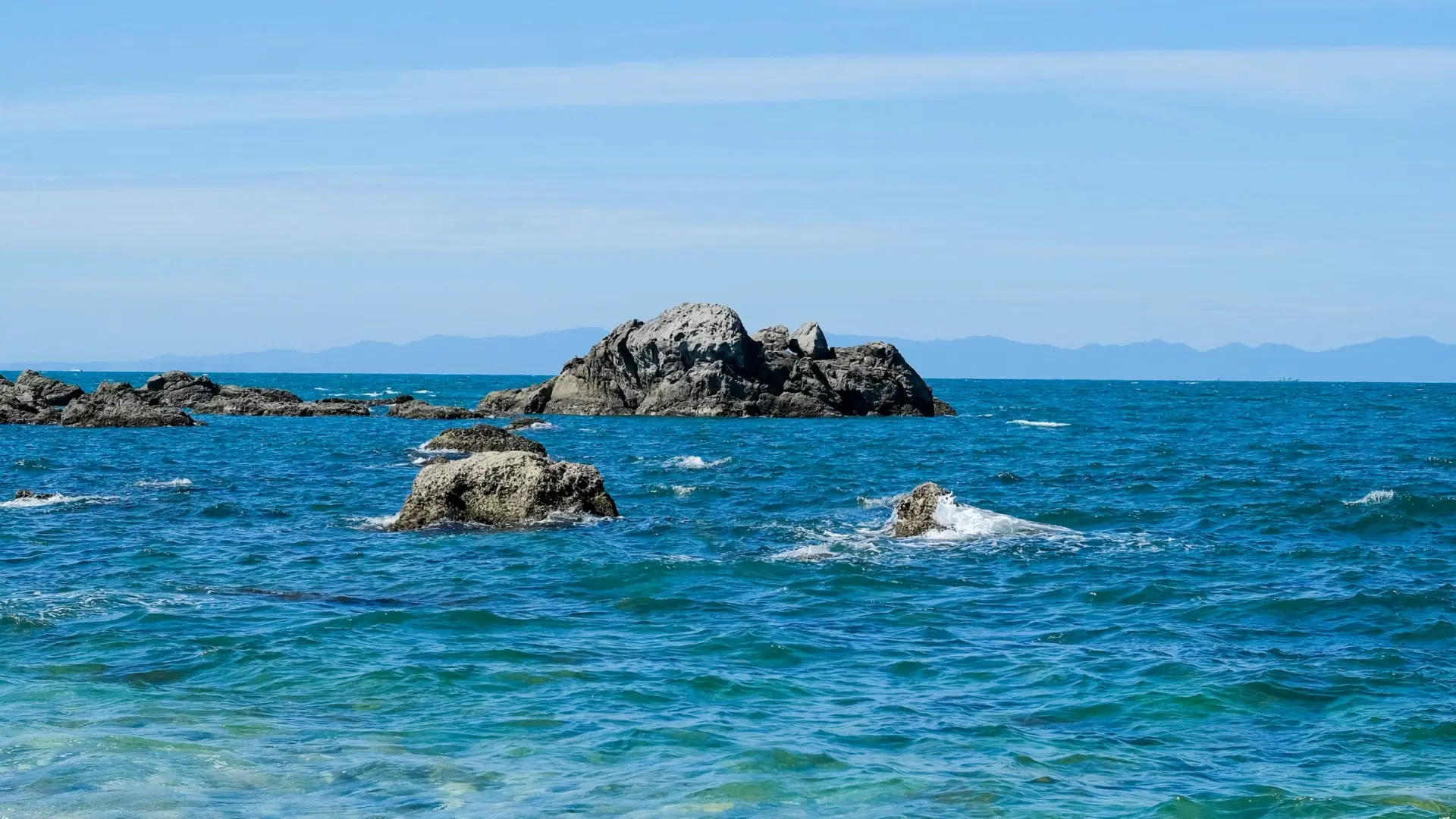
The coastline of Tanabe Bay, sheltered from the full force of the Pacific by the curve of the Kii Peninsula, supports a marine ecosystem of exceptional diversity, including Japan's northernmost coral reefs, sustained by the warm waters of the Kuroshio Current. The bay's combination of temperate and subtropical species creates an underwater landscape of unusual richness, and the diving and snorkeling accessible from Tanabe's shores reveal a natural world that the town's mountain-focused pilgrim identity tends to overshadow.
Tanabe is the town where the mountains meet the sea along the western coast of the Kii Peninsula, and where the Kumano Kodo pilgrimage trails converge before climbing inland toward the three great shrines of the Kumano faith.
Highlights
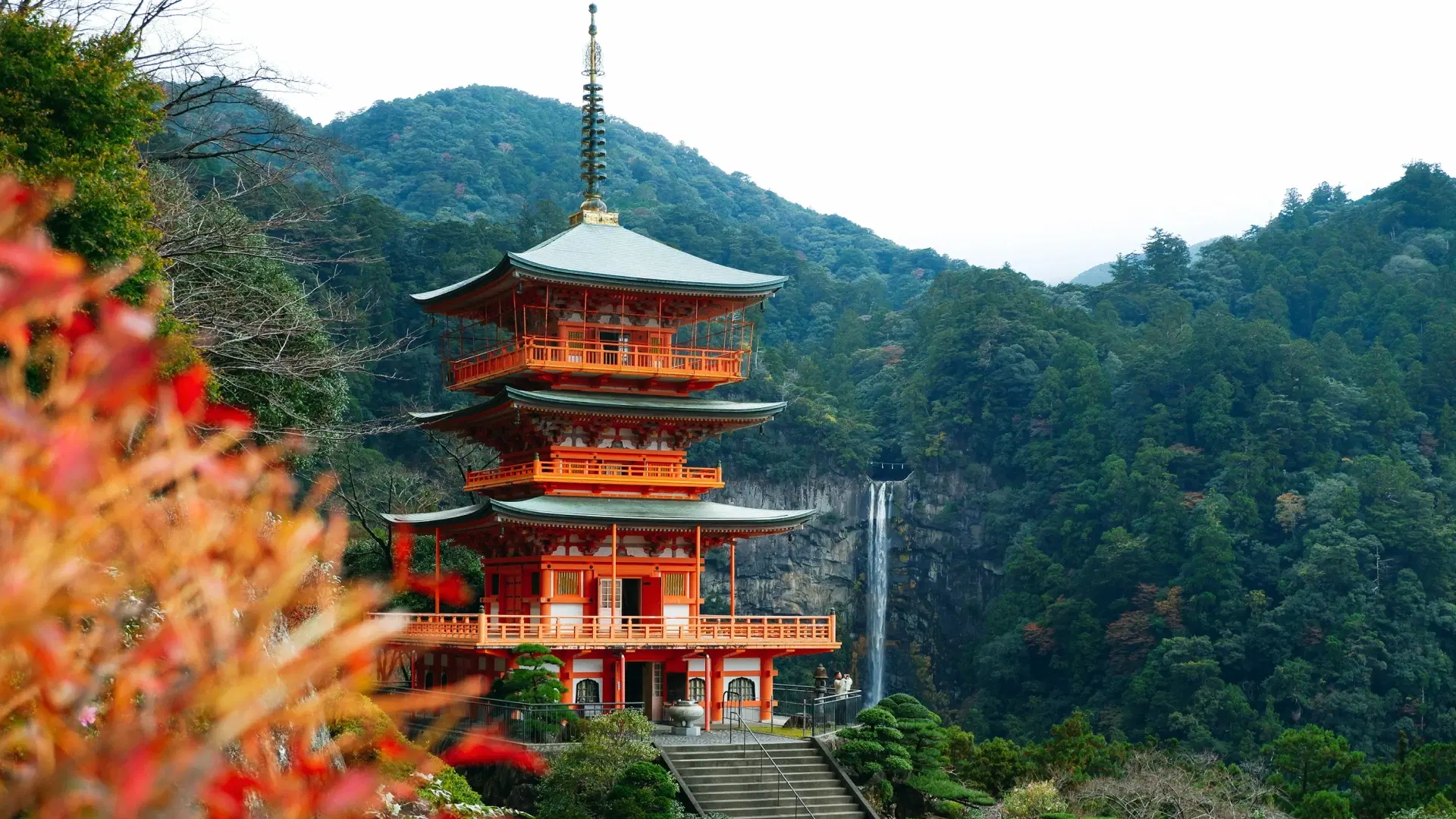
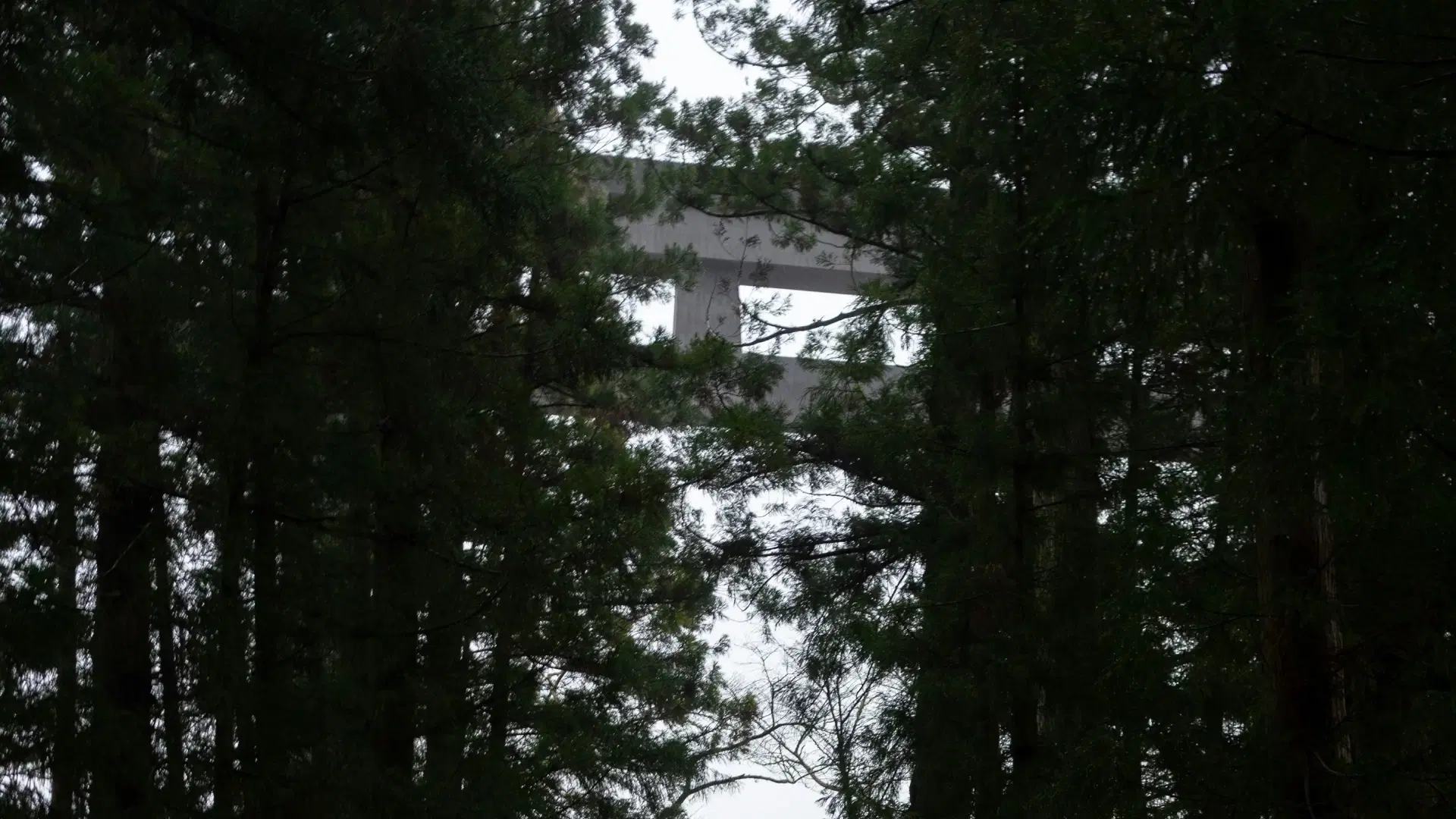
The Kumano Kodo's Nakahechi route begins its inland climb from the outskirts of Tanabe, and the trailhead at Takijiri-oji marks the threshold between the secular world of the coast and the sacred territory of the Kumano mountains. Takijiri-oji, a small shrine at the confluence of two rivers where the forest closes overhead like a green vault, was the point at which medieval pilgrims underwent ritual purification before continuing their journey, and the atmosphere of transition that the site embodies remains palpable. The stone path that leads upward from the shrine into the mountains is the same path walked by emperors and commoners for a millennium, its surface worn smooth by generations of sandaled feet.
Tanabe's historic center preserves pockets of the castle town layout established during the Edo period, when the Ando clan governed this stretch of the Kii coast. The samurai quarter near the former castle site, the merchant streets along the harbor, and the network of temples that served both the resident population and the transient pilgrims compose a modest but authentic townscape that has avoided the wholesale modernization that erased similar districts in larger cities. The Tokei Shrine, dedicated to Benkei, anchors the town's connection to its most famous son, its grounds hosting the annual Benkei Festival that dramatizes episodes from the warrior monk's legendary career.
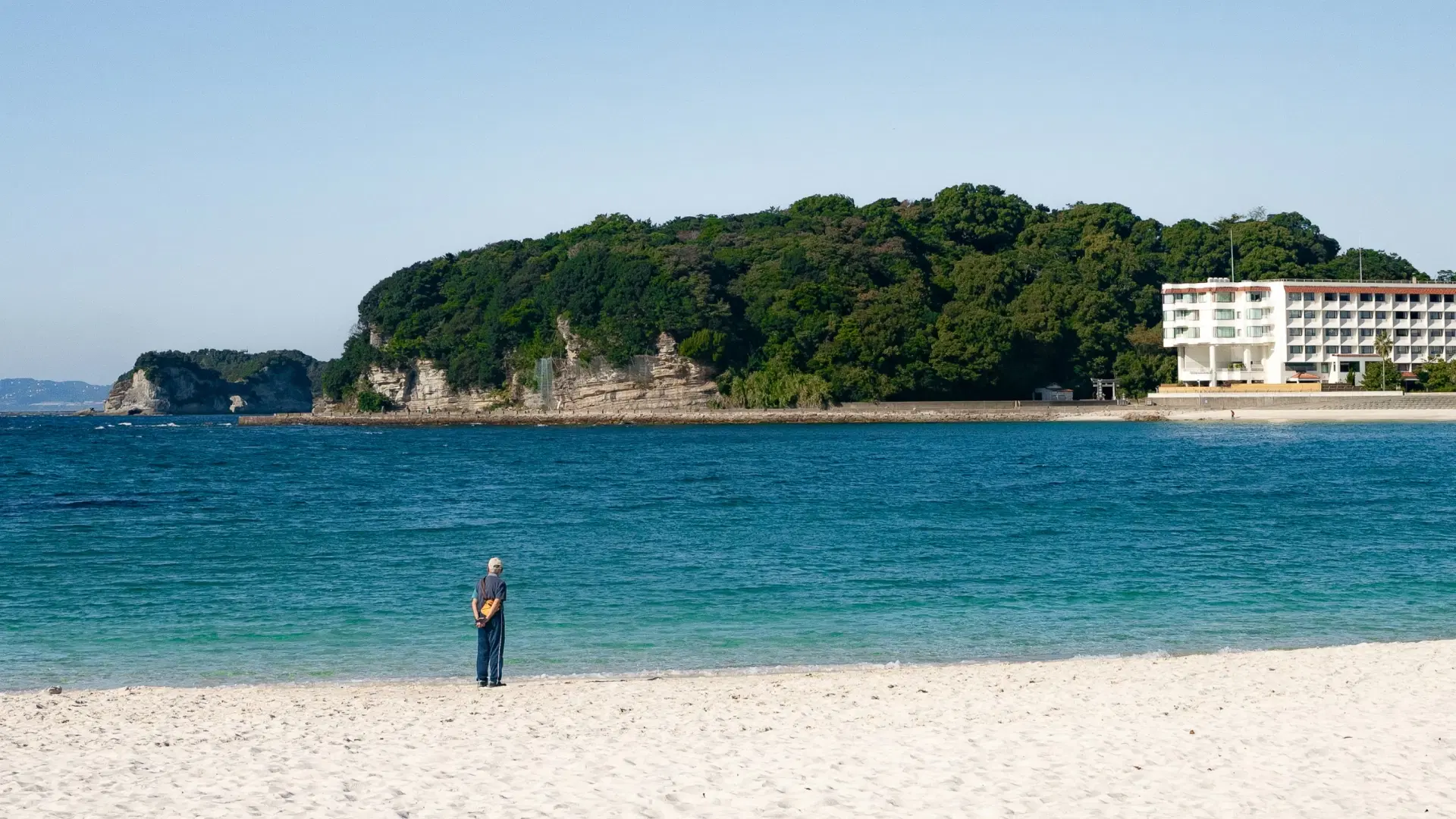
Ogigahama beach, a long arc of sand facing Tanabe Bay, provides a contemplative counterpoint to the mountains. The beach's southwesterly exposure captures the afternoon light across the water, and the view toward the horizon, where the Kuroshio Current passes invisibly, offers the kind of oceanic perspective that resets the scale of human concern. The bay's warm, clear waters and diverse marine life make this stretch of coast a destination for diving and snorkeling that reveals the Kii Peninsula's underwater heritage.
Culinary Scene
Tanabe's culinary identity is shaped by its position at the junction of mountain and coast, with ingredients arriving from both directions to create a table of unusual range. The bay delivers fresh fish daily: shirasu whitebait, served raw in glistening heaps over rice in a preparation that captures the sea's essence in its most delicate form; hirame flatfish, whose translucent flesh is prized for sashimi; and the seasonal parade of species that the Kuroshio Current delivers to the local fishing fleet. The mountains contribute game, mushrooms, and the wild vegetables that foragers gather from the forested slopes of the Kumano range, their bitter, mineral flavors grounding the lighter tastes of the seafood.
Wakayama's identity as the heartland of Japanese plum cultivation reaches its fullest expression in the Minabe and Tanabe districts, where the nanko-ume, considered the supreme variety of Japanese plum, grows in orchards that blanket the hillsides with white blossoms each February. The plums are processed into umeboshi of extraordinary quality, their flesh thick, their skin tender, their sourness balanced by a fruity sweetness that distinguishes them from the harsher pickled plums produced elsewhere. Umeshu plum liqueur from this region, made by steeping the nanko-ume in shochu and sugar, achieves a depth and complexity that has elevated the drink from a domestic staple to a connoisseur's pleasure.
The ryokan and restaurants of Tanabe practice a cuisine that reflects the town's pilgrim heritage, meals designed to restore the body after days of mountain walking without sacrificing the refinement that the best Kii Peninsula ingredients demand. Kumano beef, raised on the peninsula's mountain pastures, appears as a luxury supplement to the seafood-dominant menus, its marbling and tenderness offering a rich counterpoint to the clean flavors of the coast.