Kumano Hongu Taisha Spring Festival
熊野本宮大社例大祭The Spring Festival of Kumano Hongu Taisha is the principal annual celebration of the most spiritually significant of the three great Kumano shrines, a three-day ceremony that enacts the mythology of the Kumano deities through fire, procession, and ritual drama in a mountain setting of profound natural beauty. Hongu Taisha, situated deep in the forested mountains of the Kii Peninsula at the convergence of the Kumano River and the Otonashi River, has served as the spiritual destination of the Kumano pilgrimage for over a thousand years, the point toward which emperors and commoners alike walked for weeks through mountain passes and cedar forests in pursuit of salvation, healing, and the encounter with the divine that these remote shrines were believed to provide.
The spring festival marks the annual renewal of the shrine's spiritual potency, a liturgical turning point when the accumulated weight of the past year is released and the cycle of sacred time begins again. The rituals performed over the three days recapitulate the mythological events that established the Kumano deities' presence at this site, and the festival's structure, moving from purification through dramatic climax to resolution, follows the arc of a story whose telling has been refined across centuries of annual repetition. For the visitor, the festival offers an encounter with Shinto ritual in its most concentrated and least commercialized form, performed by priests and community members for whom the ceremonies are not performances but obligations of faith.
The festival's setting in the mountains of the Kii Peninsula, far from any major city and accessible only through the river valleys and mountain passes that have defined the Kumano pilgrimage since the Heian period, gives the event an atmosphere of remoteness and authenticity that urban festivals cannot replicate. The surrounding forests, the sound of the rivers, the scale of the mountains, and the absence of modern intrusion create conditions in which the ancient rituals achieve a resonance with their environment that amplifies their emotional and spiritual impact.
History & Significance
Kumano Hongu Taisha's annual spring festival has been performed continuously since at least the Heian period, when the Kumano pilgrimage reached its zenith of popularity among the imperial court and the aristocratic classes. The festival's timing in mid-April coincides with the mountain spring, when the snow has retreated from all but the highest ridges and the forest canopy begins its annual return to green, and this natural renewal provides both the context and the metaphor for the spiritual renewal that the rituals enact. The Heian-era practice of the "ant procession to Kumano," in which successive retired emperors led retinues of hundreds along the mountain trails to the three great shrines, was often timed to coincide with the spring festival, the imperial pilgrimage and the annual rite reinforcing each other's significance.
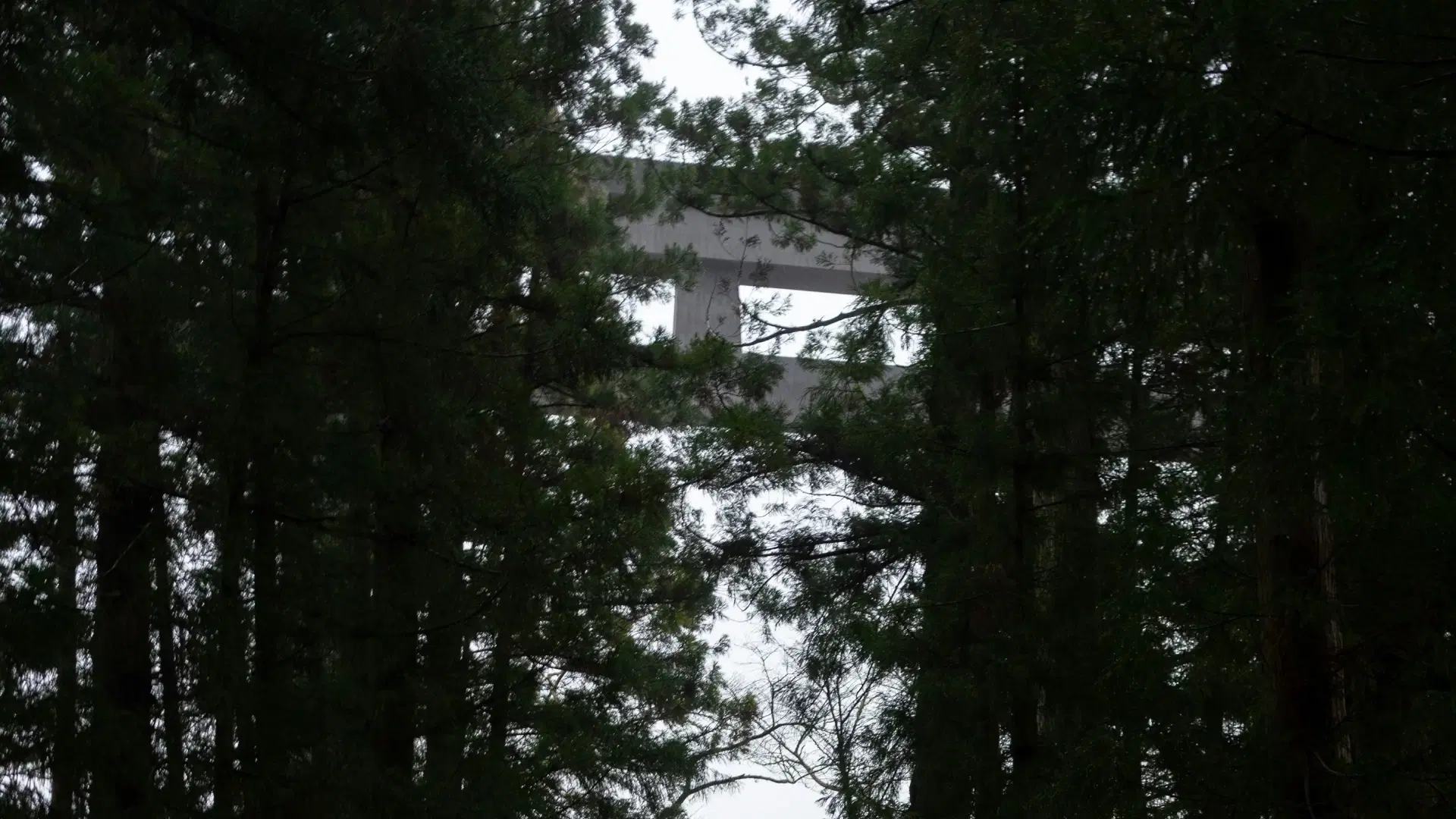
The shrine's original location was on a sandbar at the confluence of the Kumano and Otonashi Rivers, a site known as Oyunohara, where the immense torii gate that still stands marks the place where the shrine buildings once rose from the riverbed gravel. A catastrophic flood in 1889 destroyed the riverside shrine, and the surviving structures were relocated to their present hilltop position, but the Oyunohara site retains its sacred status, and portions of the spring festival are performed there, connecting the modern ceremonies to the geographic origins of the Kumano faith.
The festival's ritual content draws upon both Shinto and Buddhist elements, reflecting the syncretic character of the Kumano faith, which for most of its history made no sharp distinction between the two traditions. The Kumano deities were understood as manifestations of Buddhist bodhisattvas, and the pilgrimage to their shrines was simultaneously a Shinto devotional journey and a Buddhist practice of merit accumulation. The forced separation of Shinto and Buddhism during the Meiji period stripped away some of the festival's Buddhist elements, but the underlying syncretic sensibility persists in the rituals' structure and symbolism.
What to Expect
The festival unfolds over three days, each with its own character and ritual focus. The first day is devoted to purification ceremonies within the shrine precincts, the priests performing rites that cleanse the sacred space and prepare it for the more dramatic events to follow. The atmosphere on this opening day is contemplative rather than festive, the rituals conducted with a quiet precision that reflects the gravity of their purpose.
The second day brings the festival's dramatic center: a procession of mikoshi portable shrines and costumed participants from the hilltop shrine to the Oyunohara site below, retracing in reverse the path that the shrine traveled when it was relocated after the 1889 flood. The procession descends through the forest along the stone-paved approach, the participants in the dress of Heian-period courtiers and Shinto priests creating a visual echo of the imperial pilgrimages that once made this journey. At Oyunohara, beneath the towering torii gate that marks the original shrine site, ceremonies are performed on the gravel riverbed that emphasize the connection between the present community and the ancient topography of the faith.
The third day culminates in fire rituals and dramatic performances that bring the festival to its conclusion. Yamabushi mountain ascetics, their presence connecting the Kumano faith to the Shugendo tradition of mountain spirituality that has been practiced in the Kii mountains for over a millennium, participate in ceremonies whose physical demands and visual intensity convey the extremity of devotion that the mountain landscape both inspires and requires. The festival concludes with a return to quietude, the shrine settling back into the contemplative rhythm that governs the remaining 362 days of the year.