Osaka
大阪府Osaka is the great counterweight to Kyoto's refinement, a city that has always defined itself through appetite, wit, and mercantile energy. Known as tenka no daidokoro, the kitchen of the nation, Osaka earned its title during the Edo period when rice and goods from across Japan funneled through its waterways, and the city's merchants transformed commerce into a culture of its own. That spirit of democratic abundance persists: this is a city where eating is a public act of joy, where strangers strike up conversations at counter seats, and where the question "mokari makka?" ("making money?") serves as a perfectly acceptable greeting.
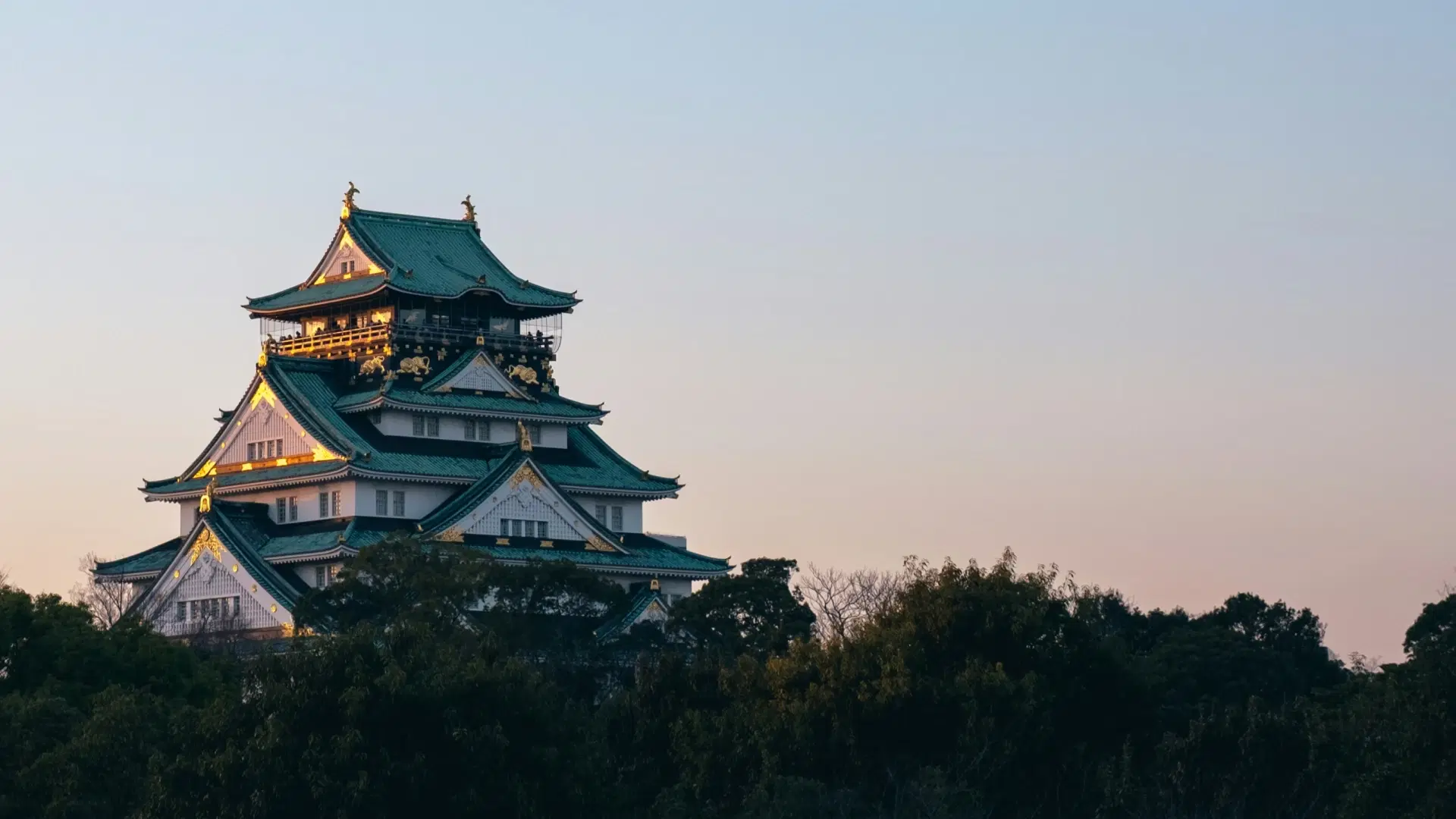
The urban landscape reflects this exuberant character. Dotonbori's neon canyon of restaurant signs, with its iconic Glico Running Man, is the visual shorthand for Osaka worldwide, but the city's texture runs far deeper. Shinsekai, the retro entertainment district built to evoke early-twentieth-century Paris and New York, now thrums with kushikatsu joints and shogi parlors. Nakanoshima, a slender island between two rivers, anchors the city's civic life with museums and modernist architecture. Osaka Castle, rebuilt in concrete but commanding still, surveys a city that has always preferred pragmatism to pedigree.
Osaka is also Japan's capital of comedy. Manzai, the rapid-fire double-act comedy tradition born here, shapes the city's conversational rhythm. Osakans are famous throughout Japan for their directness, their humor, and their insistence that life should be tasted at full volume.
Osaka is the great counterweight to Kyoto's refinement, a city that has always defined itself through appetite, wit, and mercantile energy.
Cultural Identity
Osaka's culture is rooted in merchant pragmatism and popular entertainment. While Kyoto cultivated aristocratic arts, Osaka developed bunraku puppet theater, now a UNESCO Intangible Cultural Heritage, in the intimate Bunraku-za theater near Nipponbashi. Manzai comedy, with its tsukkomi-boke dynamic of straight man and fool, originated in Osaka's yose variety halls and now dominates Japanese television. The city's merchant class, who rose to extraordinary influence during the Edo period, left behind a culture that prizes canniness, generosity, and the conviction that good food is a human right. Tennoji, home to Shitennoji Temple, one of Japan's oldest Buddhist institutions, reveals that Osaka's history is as ancient as its energy is modern. Osaka's matsuri culture, including the thunderous Tenjin Festival, reflects a city that celebrates with characteristic abandon.
Culinary Traditions
Osaka did not earn its title as Japan's kitchen through modesty. Takoyaki, the crisp-shelled, molten-centered octopus balls born in the Shinsekai district, are the city's street food signature, best eaten at a canal-side stand with a cold beer. Okonomiyaki, the savory pancake layered with cabbage, pork, and a sweet-tangy sauce, represents Osaka's gift for turning humble ingredients into something irresistible. Kushikatsu, skewered and deep-fried morsels of everything from lotus root to quail eggs, follows a single iron rule: never double-dip in the communal sauce. Beyond the street food pantheon, Osaka's kappo restaurants offer some of Japan's finest counter dining, where chef and guest share an intimacy that formal kaiseki often lacks. The Kuromon Ichiba market, the city's beating culinary heart, offers tuna sashimi, grilled wagyu, and uni eaten standing at dawn.
Waters & Onsen
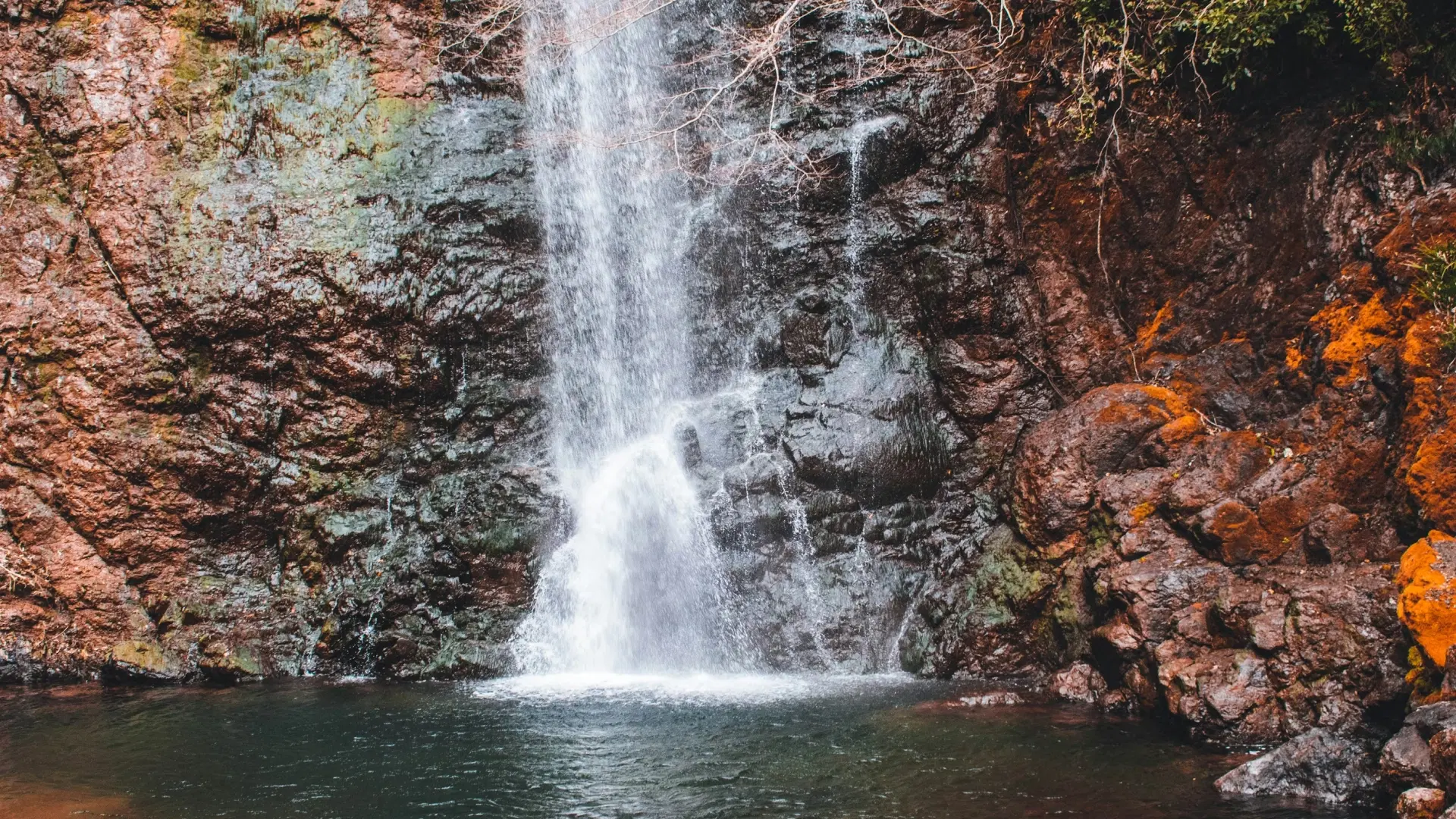
Osaka is primarily an urban destination, and natural hot springs within the city are limited. However, the Minoo area in the northern hills offers Minoo Onsen, where bathers can soak after hiking to the celebrated Minoo Falls, a thirty-three-meter cascade surrounded by maple forest. Inunakiyama Onsen in the southern mountains of Izumi provides a rustic retreat from the city, with simple sulfur springs in a forested valley. For the quintessential Osaka bathing experience, the city's ornate "super sento" complexes, such as Spa World in Shinsekai with its themed international bath floors, offer a characteristically Osakan take on communal bathing: grand, playful, and unapologetically over the top.