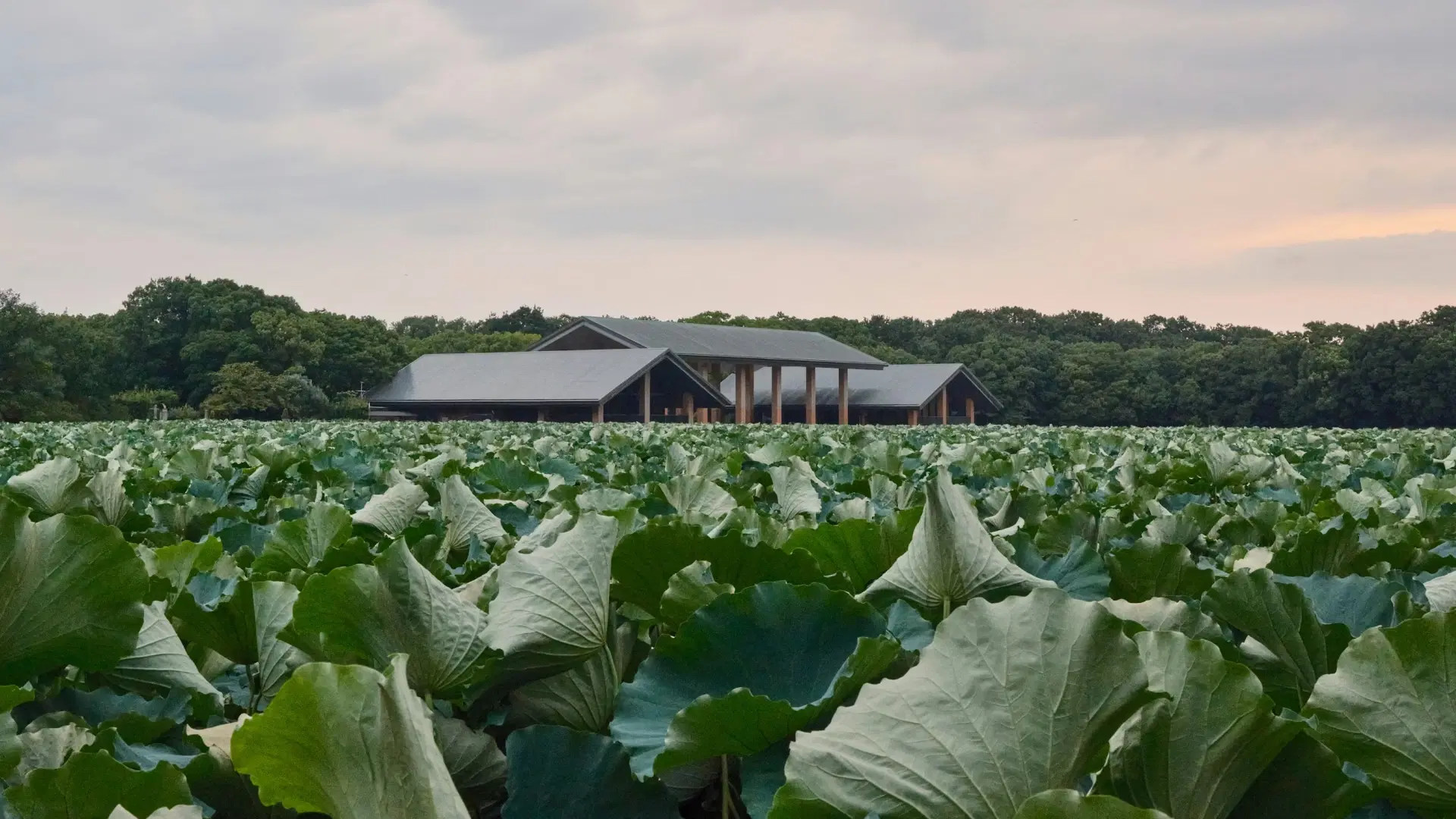
Sakai
堺Sakai is the city that trade built and that time has, somewhat unjustly, overlooked. Situated at the southern edge of Osaka's metropolitan sprawl where the Yamato River meets Osaka Bay, Sakai was, during the fifteenth and sixteenth centuries, one of the wealthiest and most cosmopolitan cities in Asia, a self-governing merchant republic whose independence, international connections, and cultural sophistication rivaled the Italian city-states of the same era. Portuguese missionaries who arrived in the 1540s compared it to Venice, and the comparison was not merely flattering: Sakai's merchants controlled significant portions of Japan's foreign trade, its harbor received ships from across Southeast Asia and China, and its citizens governed themselves through a council of wealthy traders who maintained their autonomy even as the warlords of the Sengoku period competed to control the rest of the country.
This mercantile golden age produced two cultural legacies that continue to define Japanese civilization. The first is the tea ceremony: Sen no Rikyu, the tea master who codified the wabi-cha aesthetic that transformed tea from aristocratic entertainment into spiritual discipline, was born in Sakai in 1522, and the city's merchant culture provided both the wealth to patronize the art and the philosophical disposition to appreciate its emphasis on simplicity, impermanence, and the beauty of humble materials. The second is the knife: Sakai's bladesmiths, originally forging the tobacco-cutting knives demanded by the Portuguese trade, developed techniques of laminated steel construction that evolved into the culinary knife tradition that today supplies the majority of Japan's professional kitchen blades, their edges ground to a sharpness that Western cutlery has never matched.
Beneath the modern city lies an even older identity. The Mozu-Furuichi kofun cluster, designated a UNESCO World Heritage Site in 2019, comprises forty-nine burial mounds dating from the fourth and fifth centuries, their keyhole shapes visible from the air as vast forested forms embedded in the urban grid. The largest, Daisen Kofun, attributed to Emperor Nintoku, is the largest tomb by area on earth, its moated, tree-covered mass occupying more ground than the Great Pyramid of Giza.
Sakai is the city that trade built and that time has, somewhat unjustly, overlooked.
Highlights
The Daisen Kofun and its surrounding burial cluster represent one of the most extraordinary archaeological landscapes on earth, though their experience requires a shift in expectation. The tombs cannot be entered, and their keyhole forms are visible only from above, the ground-level visitor encountering them as densely forested hills surrounded by moats whose still waters reflect the ancient trees that have colonized the earthen mounds over sixteen centuries. The Sakai City Museum, adjacent to the cluster, provides aerial photography, scale models, and archaeological context that transforms the experience from puzzlement to wonder. A recently opened observation facility near the cluster allows visitors to appreciate the geometric precision of the tombs' construction, the immense labor they represent, and the political power of the Yamato court that commanded such resources in an era before written history.
The Sakai Traditional Crafts Museum and the knife workshops of the Sakai Hamono district preserve and demonstrate the bladesmithing tradition that remains the city's most vital living heritage. The process of forging a Sakai knife involves three distinct specialists: the hagane-shi who forges the blade from layers of soft iron and hard carbon steel, the toishi who grinds and sharpens the blade to its final edge, and the eshi who fits and finishes the handle. Visitors can observe each stage in workshops that welcome appointment-based tours, and the experience of watching a master grinder bring an edge to surgical sharpness on a series of progressively finer whetstones is a meditation on the relationship between patience, skill, and the pursuit of an ideal that can be approached but never perfectly achieved.
The Sen no Rikyu memorial and the surrounding tea culture sites connect Sakai to the spiritual tradition that the tea master launched from this city into the heart of Japanese civilization. The Nanshuji Temple, a Rinzai Zen temple that Rikyu frequented and where his aesthetic sensibility was shaped by Zen practice, contains a tea room attributed to his design and a garden whose austere beauty embodies the wabi principles he championed.
Culinary Scene
Sakai's culinary identity is shaped by its position between the Inland Sea and the agricultural plains of southern Osaka, a geography that provides both marine and terrestrial ingredients of considerable quality. The city's knife culture extends naturally into its food culture: the precision of Sakai blades is not merely a craft tradition but a culinary philosophy, the belief that the quality of the cut determines the quality of the dish. Sashimi prepared with a Sakai yanagiba, the long, single-beveled slicing knife whose edge parts fish flesh without crushing the cellular structure, achieves a texture and flavor release that duller blades cannot produce. Several restaurants in the city make a point of using and displaying Sakai knives, the blades themselves becoming part of the dining narrative.
Sakai's wagashi confectionery tradition, nurtured by the tea ceremony culture that the city gave birth to, produces sweets of refined simplicity. The shops along Daikokucho and the streets near Nanshuji Temple offer seasonal confections designed for the tea ceremony, their flavors and forms calibrated to complement matcha with a subtlety that reflects Rikyu's insistence on restraint. The city is also known for its konbu (kelp) processing industry, the dried seaweed arriving from Hokkaido and being shaved, seasoned, and prepared in styles that have been Sakai specialties since the Edo period, the oboro konbu and tororo konbu adding umami depth to soups and rice dishes throughout the Kansai region.
Anago, the saltwater eel harvested from Osaka Bay, appears in Sakai's restaurants as a local specialty distinct from the freshwater unagi more commonly associated with Japanese eel cuisine. The preparation is lighter, the flesh more delicate, and the best shops grill it over charcoal with a restrained application of tare sauce that allows the eel's own flavor to prevail.

Ryokans in Osaka
There are no ryokans in our guide listed in Sakai. See our selection across Osaka.
View ryokans in Osaka