Osaka Castle Plum Grove
大阪城梅林The Osaka Castle Plum Grove is the city's first botanical awakening of the year, a harbinger of spring that arrives while winter still grips the air and the castle's stone walls remain cold to the touch. Situated on the eastern slope of the castle park, the grove contains approximately 1,270 plum trees representing over one hundred varieties, their staggered blooming periods creating a season that unfolds gradually from late January, when the earliest cultivars send out tentative blossoms into the frigid air, through March, when the late-blooming varieties bring the display to its lush conclusion. Against the monumental backdrop of Osaka Castle's reconstructed keep, the delicate plum blossoms compose a study in contrasts that is quintessentially Japanese: the enduring and the ephemeral, the massive and the minute, the works of power and the works of nature arranged in a composition that neither dominates.
The plum blossom holds a cultural position in Japan distinct from and in some ways deeper than the more celebrated cherry blossom. Where the sakura represents the poignant beauty of transience, the ume embodies perseverance and renewal, its willingness to bloom in the coldest weeks of the year understood as an expression of courage that has resonated in Japanese poetry since the Nara period. The plum was the original flower of hanami, the aristocratic flower-viewing tradition, before the cherry supplanted it during the Heian period, and its fragrance, sweeter and more penetrating than the nearly scentless cherry, adds a sensory dimension to the viewing experience that sakura cannot offer.
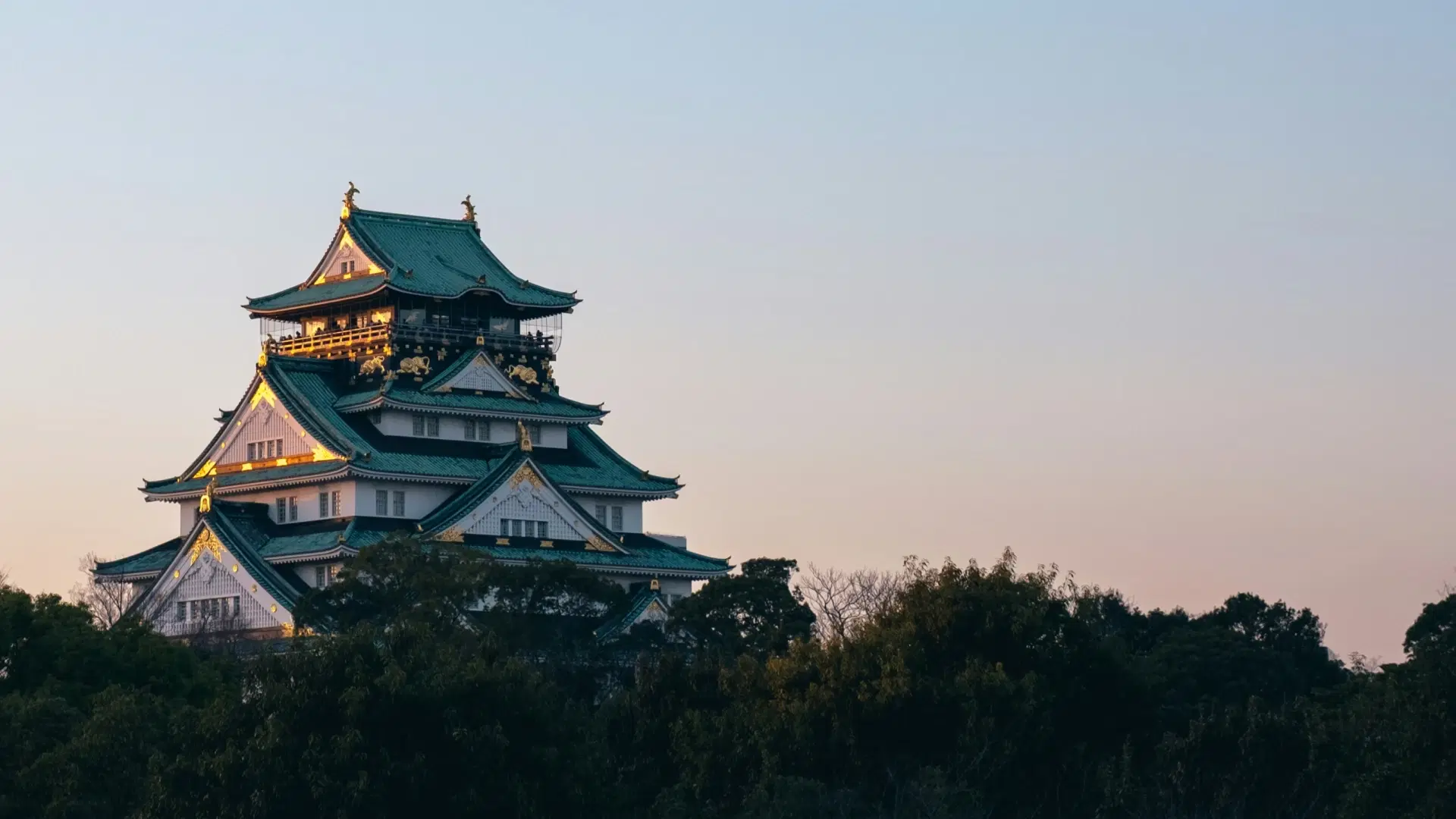
The grove's location within Osaka Castle Park places it at the intersection of natural beauty and historical gravity. The castle, originally built by Toyotomi Hideyoshi in the 1580s and rebuilt multiple times since, presides over the grove from its elevated position, its white walls and green-tiled rooflines providing a compositional anchor that transforms the plum viewing from a simple botanical outing into an encounter with the layered history of the city itself.
The Osaka Castle Plum Grove is the city's first botanical awakening of the year, a harbinger of spring that arrives while winter still grips the air and the castle's stone walls remain cold to the touch.
History & Significance
The Osaka Castle Plum Grove was established in 1974, when the city planted the initial collection of plum trees on a section of the castle park's eastern grounds that had been underutilized since the postwar reconstruction of the surrounding area. The project was conceived as both a horticultural amenity and a cultural statement, the plum's deep associations with scholarship, perseverance, and refined aesthetics providing a complement to the castle park's martial heritage. Over the following decades, the collection was expanded through donations and strategic acquisitions, with rare and historically significant cultivars added to create a grove whose variety now ranks among the finest public plum collections in the Kansai region.
The grove's growth paralleled a broader revival of interest in ume viewing as a distinct seasonal practice. While cherry blossom viewing dominates Japan's spring calendar, the plum blossom season occupies a quieter but no less cherished position in the cultural year, its timing in the coldest weeks serving as a reminder that beauty does not wait for comfortable conditions. Osaka Castle's plum grove has become the city's principal venue for this observance, its combination of botanical richness, historical setting, and convenient urban location drawing visitors who seek the particular pleasure of finding spring's first signs amid winter's lingering presence.
What to Expect
The grove is arranged across a gently sloping hillside, its paths winding among trees whose forms range from upright and vigorous to weeping and gnarled, the older specimens displaying the twisted, character-rich branch structures that Japanese aesthetics prizes in aged plum trees. The varieties encompass the full chromatic range of the plum blossom, from the pure white of Nanko and Ryokugaku through the shell pink of Omoinomama to the deep crimson of Kanhi-bai, their overlapping bloom periods ensuring that visitors at any point during the season will find some portion of the grove in flower.
The fragrance is the grove's hidden treasure. On still, cold mornings, the sweet, slightly spicy scent of the plum blossoms hangs in the air with a concentration that surprises visitors accustomed to the scentless cherry. Walking the paths in the early morning light, before the day's crowds arrive, the combination of fragrance, color, and the cold clarity of the winter air creates a sensory experience of uncommon purity. The castle keep, visible from many points within the grove, provides a backdrop that shifts in visual weight with the light and weather, sometimes dominating the composition, sometimes receding into soft focus behind a foreground of blossoms.
Photographers find the grove particularly rewarding during the early and late stages of the season, when scattered blossoms against bare branches create the spare, asymmetric compositions valued in Japanese aesthetics. The peak period, when the majority of varieties are in simultaneous bloom, offers a different pleasure: a profusion of color and scent that rewards simply sitting on one of the grove's benches and allowing the beauty to accumulate without the need for framing or selection.