Toba Ama Divers Festival
鳥羽海女まつりThe Toba Ama Divers Festival celebrates the oldest and most physically demanding female diving tradition in the world, honoring the women who have plunged into the cold waters of the Pacific to harvest abalone, turban shells, and seaweed for more than two thousand years. The ama of the Shima Peninsula are not performers or historical re-enactors; they are working divers whose skills, transmitted from mother to daughter across generations, represent a form of human engagement with the marine environment that predates every technology currently used in commercial fishing. The festival, held in the winter months when the diving season is paused, gathers ama communities from across the region to demonstrate their techniques, share their culture, and pray for safety and abundance in the waters they know more intimately than any chart or instrument could reveal.
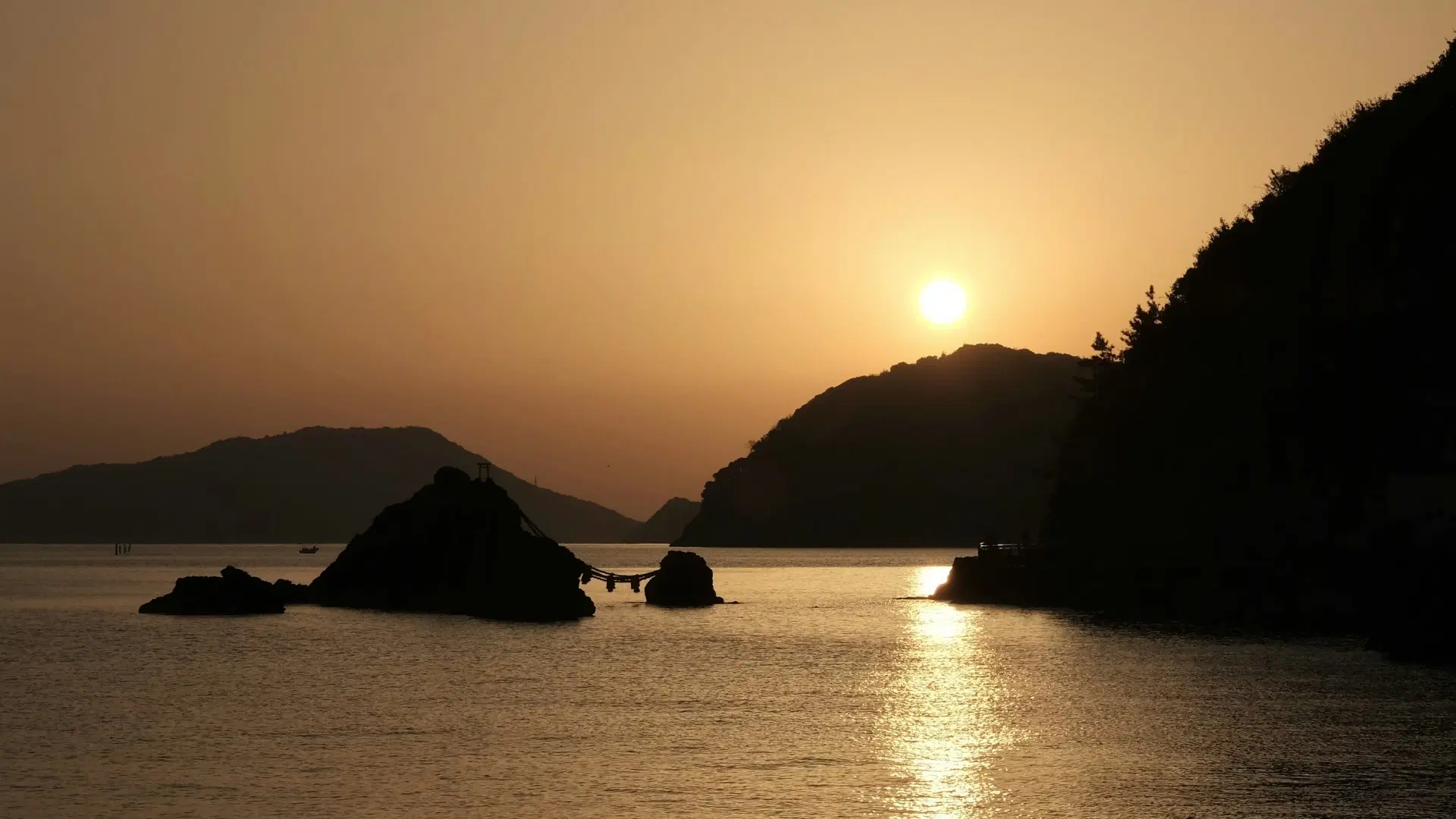
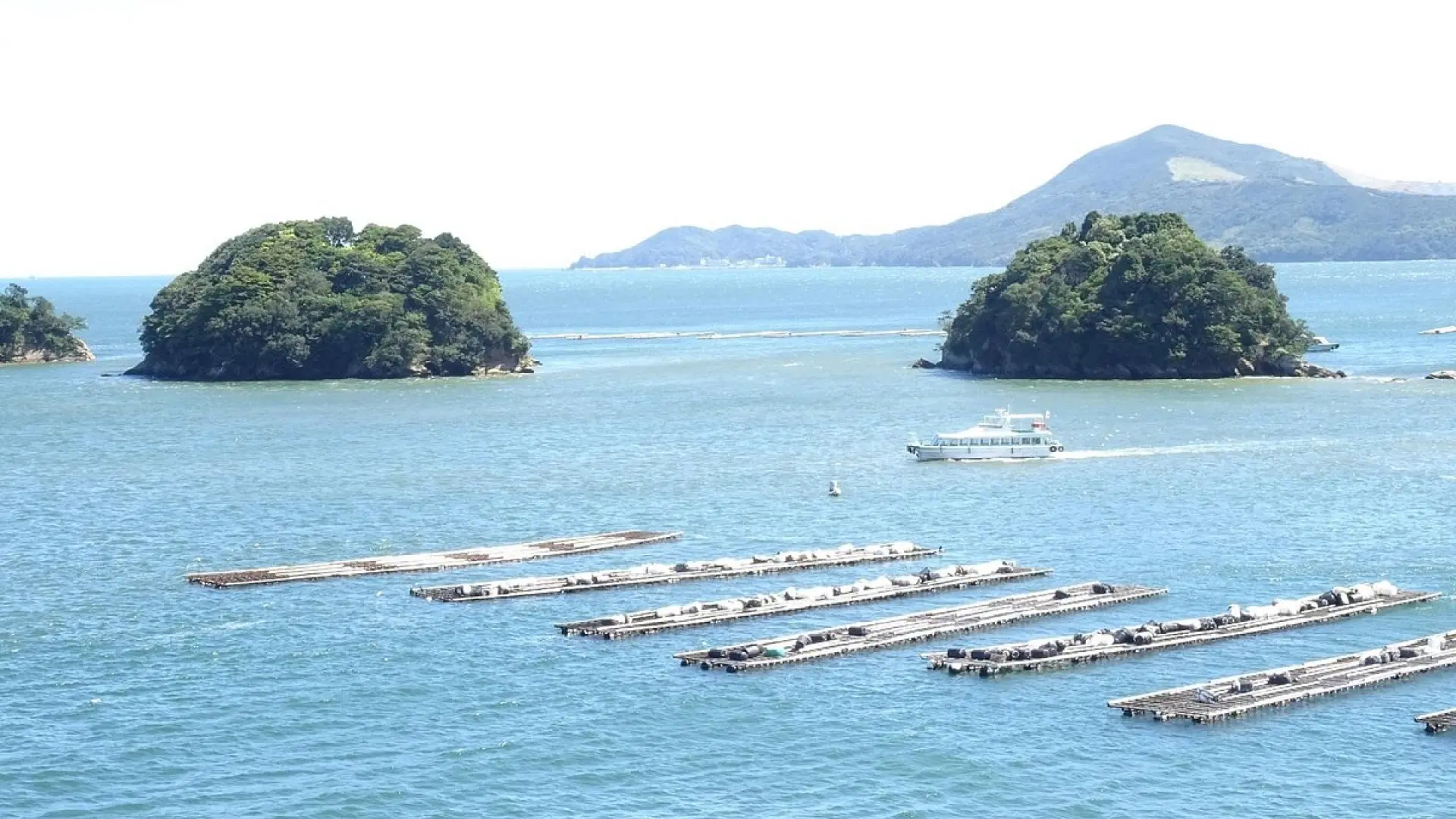
The tradition is inseparable from the landscape. The rocky coastline of the Shima Peninsula, warmed by the Kuroshio Current, supports an extraordinary diversity of marine life in waters shallow enough to be reached by breath-hold diving alone. The ama work in depths of five to twenty meters, diving without tanks or breathing apparatus, wearing only a thin wetsuit and carrying a flat knife for prying shellfish from the rocks. A skilled ama can remain submerged for up to two minutes, and the best divers continue working into their seventies, their accumulated knowledge of underwater terrain, tidal patterns, and species behavior constituting an ecological intelligence that no technology has replicated.
The festival brings this tradition into public view with a warmth and directness that reflects the character of the ama themselves. These are women of remarkable physical courage and practical humor, and the festival combines the ceremonial, prayers at seaside shrines, offerings to the ocean deities, with the convivial, shared meals of freshly grilled seafood, demonstrations of diving technique, and the storytelling that has always been central to ama community life.
The Toba Ama Divers Festival celebrates the oldest and most physically demanding female diving tradition in the world, honoring the women who have plunged into the cold waters of the Pacific to harvest abalone, turban shells, and seaweed for more than two thousand years.
History & Significance
The ama tradition of the Shima Peninsula is documented in the earliest Japanese historical records, with references in the Man'yoshu poetry anthology of the eighth century describing women diving for pearls and abalone along this coast. The tradition predates written history, and archaeological evidence from shell middens suggests that organized breath-hold diving for marine resources has been practiced in this region for at least three thousand years. The ama were integral to the economy of Ise Jingu, providing abalone and other offerings for shrine rituals, a relationship that elevated their status and provided economic stability across centuries of political change.
The twentieth century brought dramatic changes to the ama way of life. The development of pearl cultivation reduced the demand for natural pearls, while the mechanization of fishing and the expansion of aquaculture diminished the economic importance of breath-hold diving. The number of active ama has declined from thousands in the mid-twentieth century to approximately six hundred today, and the average age of working divers has risen steadily. The festival, established to honor and sustain the tradition, has become an important vehicle for cultural preservation, drawing attention to the ama's unique skills and their significance as living practitioners of a tradition whose continuity is measured in millennia rather than centuries.
What to Expect
The festival typically unfolds along the waterfront of Toba or at one of the nearby fishing ports, with demonstrations of ama diving techniques forming the centerpiece of the program. In the controlled conditions of the harbor, experienced divers enter the water and demonstrate the breath-hold, descent, and harvesting techniques that they employ in the open sea, surfacing with shellfish and seaweed that are then prepared and shared with attendees. The distinctive whistle of the ama, the long, controlled exhalation called isobue that the divers produce upon surfacing, is one of the most recognizable sounds of the Shima coast and carries across the harbor with a clarity that brings the tradition to vivid life.
The ceremonial elements of the festival include prayers and offerings at local shrines dedicated to the sea deities, rituals that the ama communities have performed before each diving season for centuries. These observances, conducted with a sincerity that reflects the real dangers of the work, connect the festival to the spiritual framework within which the ama have always understood their relationship with the ocean: one of gratitude, respect, and the acknowledgment that the sea gives and takes according to forces beyond human control.
The culinary dimension of the festival is direct and generous. Freshly harvested shellfish, grilled over charcoal beside the harbor, is offered to visitors alongside local sake and the simple, powerful flavors of the ama's own traditional cooking. Turban shells cooked in their spiral shells, abalone sliced and served with nothing but a squeeze of citrus, seaweed still carrying the salt of the morning's dive: these preparations, eaten standing by the water in the cold January air, communicate the essence of ama cuisine more effectively than any restaurant presentation could achieve.