Toba
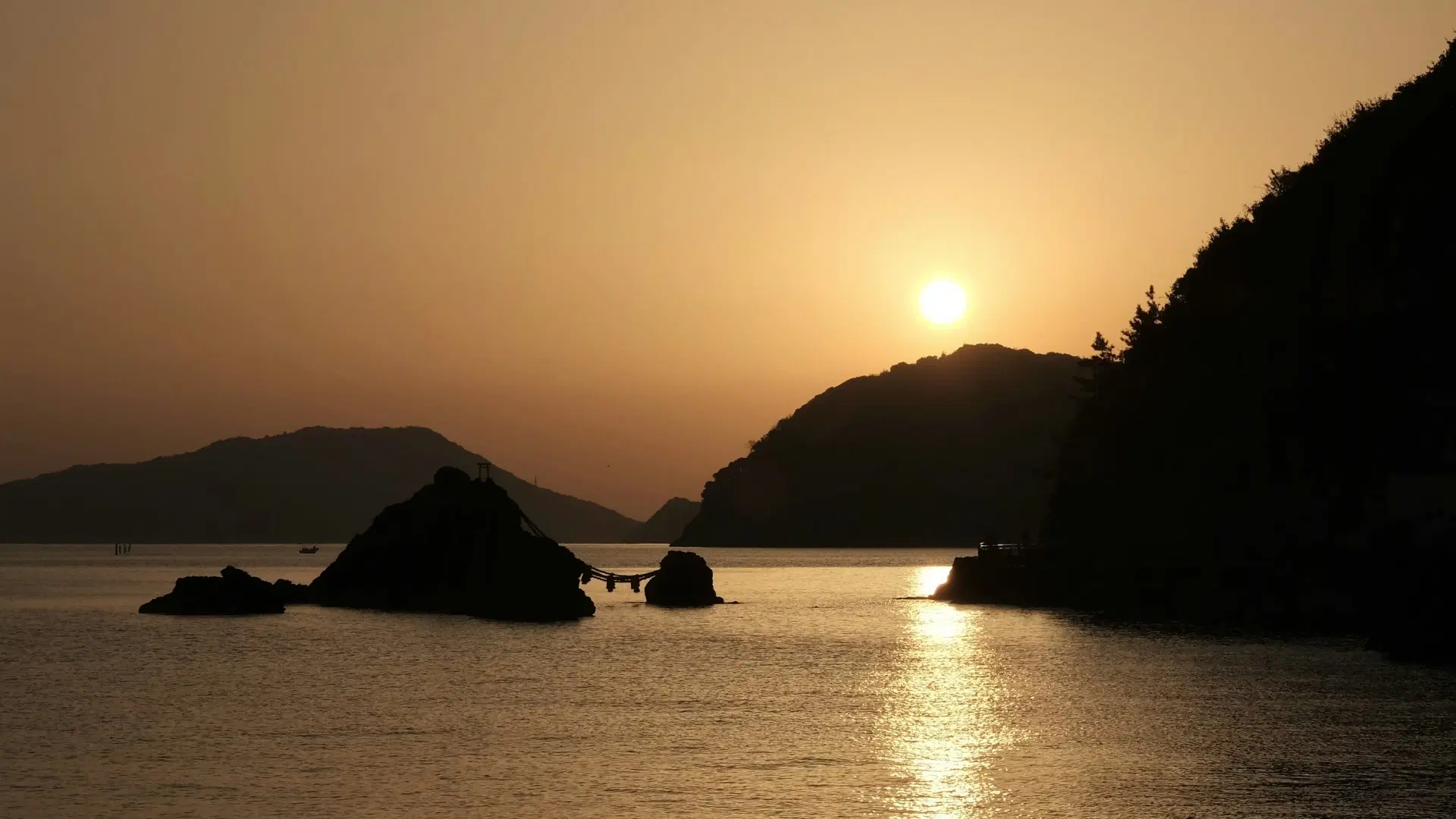
鳥羽Toba occupies a stretch of the Shima Peninsula coastline where the warm Kuroshio Current meets one of the most complex and productive marine environments in Japan. This small port city, facing the Pacific across a bay scattered with islands, has been shaped by two forces that define its character: the pearl cultivation industry pioneered by Mikimoto Kokichi, which transformed a biological accident into one of the most refined luxury goods in the world, and the ama, the women free divers who have harvested shellfish and seaweed from these waters for more than two thousand years using nothing but their breath, their skill, and an intimate knowledge of the sea that is passed from mother to daughter.
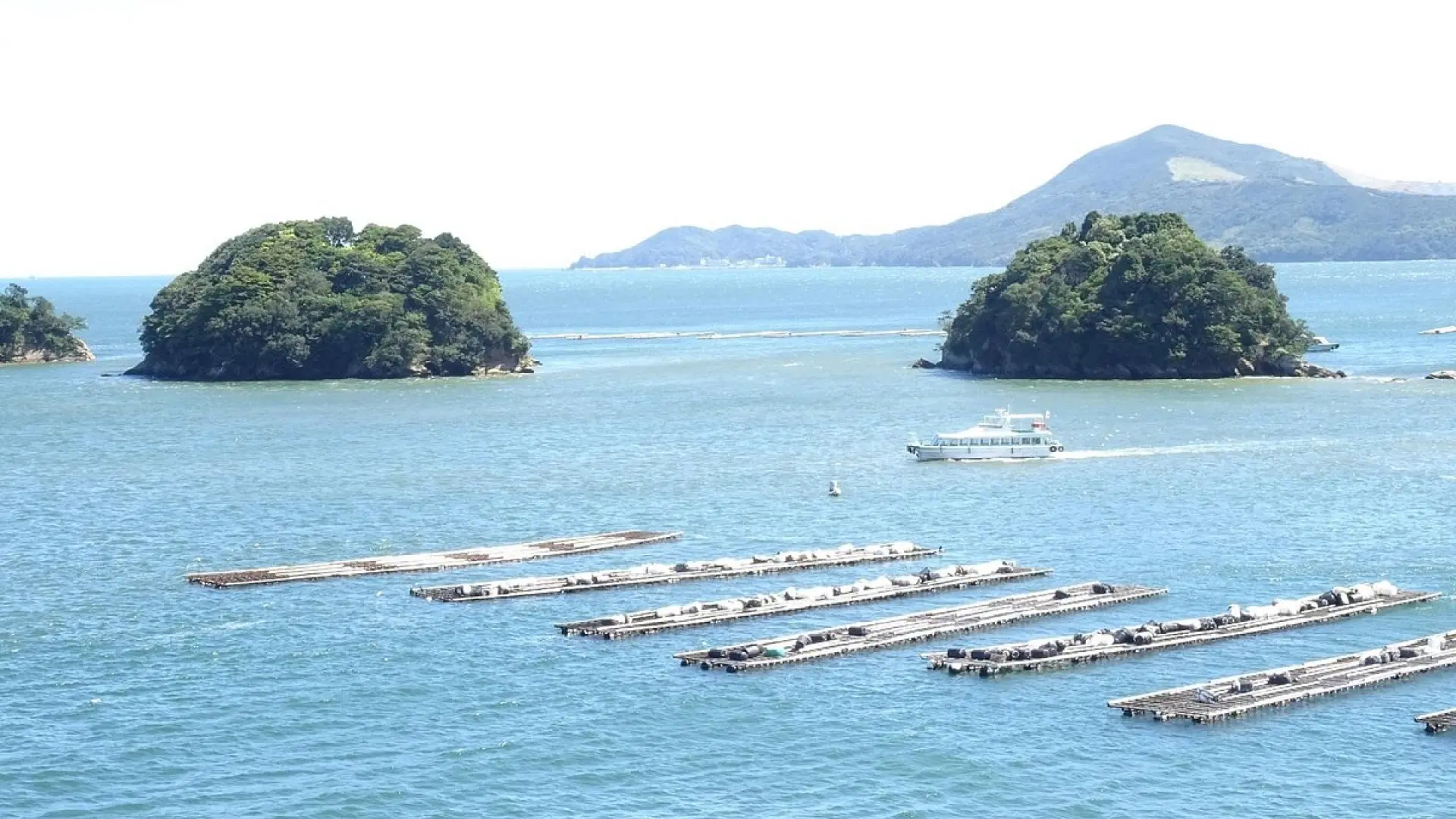
The bay itself is a study in coastal beauty, its islands forested and ringed with rocky shores where the clear water reveals the underwater landscape of kelp forests and reef formations that sustain the marine ecology. The four inhabited islands, Toshijima, Kamishima, Sugashima, and Sakatejima, preserve fishing village cultures that have adapted to modernity without abandoning the rhythms of the sea, their narrow streets and terraced houses climbing hillsides above harbors where the morning catch still determines the day's menu.
Toba's position adjacent to Ise makes it a natural extension of the spiritual journey, the passage from sacred mountain forest to the open sea mirroring the Shinto understanding of the divine as present in all natural phenomena. The Toba Sea-Folk Museum documents the maritime culture of the region with scholarly depth and visual beauty, and the Mikimoto Pearl Island, connected to the mainland by a short bridge, offers both the history of pearl cultivation and the living demonstration of ama diving that connects the luxury of the pearl to the physical labor of the women who made the industry possible.
Toba occupies a stretch of the Shima Peninsula coastline where the warm Kuroshio Current meets one of the most complex and productive marine environments in Japan.
Highlights
Mikimoto Pearl Island is the origin point of an industry that changed the world's relationship with a gemstone. Here, in 1893, Mikimoto Kokichi succeeded in cultivating the first semi-spherical pearl, a breakthrough that eventually produced the perfectly round cultured pearl and democratized a luxury that had previously been available only to those wealthy enough to afford the rarest of natural accidents. The island's museum traces this story through original equipment, historical pearls, and the personal effects of Mikimoto himself, while the regular ama diving demonstrations, in which divers in traditional white clothing enter the water and resurface with their catch, connect the industrial achievement to the human tradition that preceded and enabled it.
The Toba Sea-Folk Museum, situated on a hillside overlooking the bay, houses one of the finest collections of maritime ethnography in Asia. The museum's holdings document the fishing, navigation, and coastal survival practices of the communities along the Shima coast, from boat-building techniques adapted to specific sea conditions to the ritualized calendar of festivals, taboos, and offerings through which fishing communities maintained their relationship with the ocean. The ama section is particularly compelling, presenting the diving tradition not as spectacle but as a sophisticated system of ecological management in which the divers' intimate knowledge of underwater terrain, species behavior, and tidal patterns produced a sustainable harvest over millennia.
The islands of Toba Bay offer a quieter, more contemplative engagement with the coastal landscape. Kamishima, the setting for Mishima Yukio's novel The Sound of Waves, retains the atmosphere of an isolated fishing village despite its proximity to the mainland, its hillside paths offering views across open water to the Pacific. Toshijima, accessible by a short ferry ride, preserves traditional stone-walled streets and a working fishing harbor where the daily rhythms of net mending, boat maintenance, and catch sorting proceed as they have for generations.
Culinary Scene
Toba's cuisine is the cuisine of the Kuroshio Current, shaped by the extraordinary marine biodiversity that the warm Pacific waters deliver to this coast. Ise-ebi lobster, abalone, turban shells, and a wealth of seasonal fish compose a table that reflects the daily harvest of the sea. The ama tradition ensures that certain ingredients, particularly abalone and the seaweed known as hijiki, carry a cultural significance that elevates them beyond mere nutrition. Abalone, harvested by free dive from the rocky shallows, is served sashimi-style to showcase its firm, briny sweetness or grilled over charcoal until its edges caramelize and its center remains tender.
The oysters of Toba, cultivated in the nutrient-rich waters of the bay, achieve a plumpness and complexity of flavor that place them among the finest in Japan. Grilled over open flame in their shells until they release their liquor and the edges begin to crisp, these oysters are the centerpiece of the seaside oyster huts that operate along the coast during the winter months, offering an experience that is as much about atmosphere, the smoke, the salt air, the sound of shells popping on the grill, as it is about flavor. The seafood ryokans of Toba compose kaiseki courses that trace the evening meal through the diversity of the local catch, from the delicacy of raw preparations through the warmth of grilled and simmered courses to the simple perfection of a final bowl of rice topped with fragments of grilled fish and a pour of dashi.