Ise Jingu Shikinen Sengu
伊勢神宮式年遷宮The Shikinen Sengu is the most extraordinary act of architectural renewal in the world, a ceremony in which the entire Ise Grand Shrine, all sixty-five buildings and more than fourteen hundred sacred objects, is dismantled and reconstructed on an adjacent site using new materials and ancient techniques, a process that has been repeated every twenty years for nearly thirteen centuries. The ceremony is not renovation; it is recreation, the complete rebuilding of the shrine in its original form using freshly harvested hinoki cypress, hand-forged fittings, and the same joinery methods that were employed when the first reconstruction took place in 690 CE. The result is a shrine that is simultaneously brand new and thirteen hundred years old, its physical substance renewed while its form, its meaning, and its continuity remain unbroken.
The theological logic of the Shikinen Sengu is rooted in the Shinto understanding of purity and renewal. In Shinto cosmology, the divine presence does not reside permanently in a fixed structure but must be periodically invited into fresh, pure surroundings. The twenty-year cycle ensures that the shrine is always approaching or departing from the moment of perfect newness, and this rhythm of anticipation, realization, and gradual aging mirrors the natural cycles of growth, fruition, and decay that Shinto observes in the living world. The ceremony is, in this sense, a ritual enactment of the seasons on a human timescale, a compression of the forest's cycle of growth and renewal into a period that allows each generation to witness at least one complete rebirth.
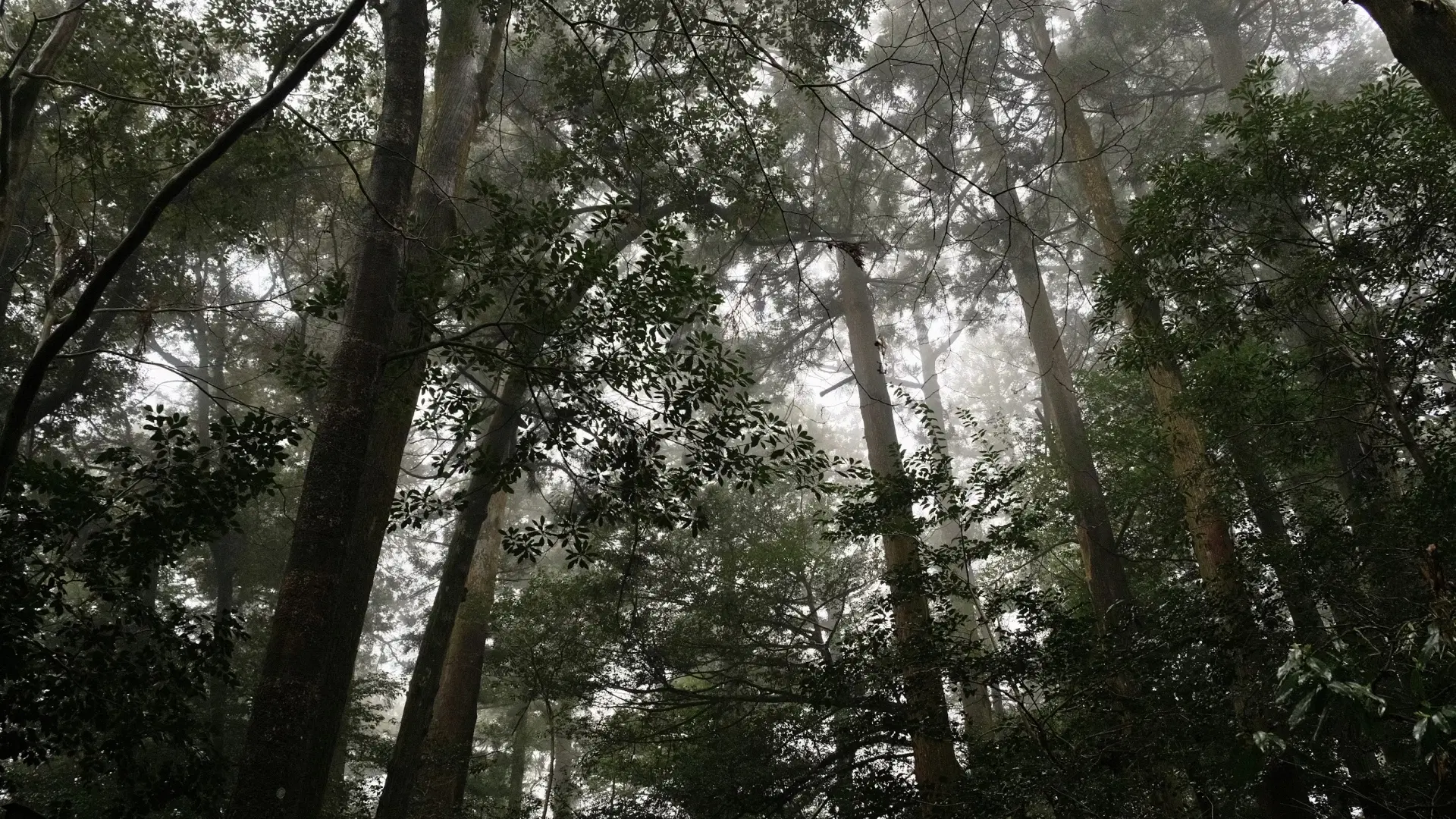
The practical implications of the Shikinen Sengu are equally remarkable. The ceremony requires the cultivation of enormous quantities of hinoki cypress, some of which must be more than two hundred years old, necessitating a forestry program that plans centuries in advance. The craftsmanship required to build the shrine, which uses no nails and relies on joinery techniques that are themselves transmitted across generations, demands a corps of artisans whose training begins decades before the next rebuilding. The Shikinen Sengu is therefore not a single event but a continuous process, a civilization-scale commitment to the perpetuation of skills, materials, and meaning that has no parallel in human culture.
History & Significance
The first Shikinen Sengu was conducted in 690 CE under the direction of Empress Jito, following a decree issued by Emperor Tenmu. Since that initial reconstruction, the ceremony has been performed sixty-two times, interrupted only by periods of civil war during the medieval era when the resources and stability required for the massive undertaking were unavailable. The longest interruption, during the Sengoku period of the fifteenth and sixteenth centuries, lasted more than a century, but the tradition was revived and has continued without interruption since 1585. This resilience, the capacity of a society to resume a practice of such complexity after prolonged disruption, testifies to the depth of the Shikinen Sengu's significance within Japanese cultural identity.
The most recent ceremony, the sixty-second, was completed in October 2013 over a period of eight years that encompassed more than thirty individual rituals and involved the labor of thousands of artisans, priests, and volunteers. The process began with the ritual felling of the first trees, continued through years of timber preparation, construction, and the creation of new sacred treasures, and culminated in the Sengyo no Gi, the ceremony of transferring the divine spirit from the old shrine to the new. The next Shikinen Sengu, the sixty-third, is scheduled for 2033, and the preparatory rituals and forestry work are already underway.
What to Expect
The Shikinen Sengu unfolds over eight years, with specific ceremonies open to public observation at various stages. The most dramatic of these is the Okihiki, the hauling of the sacred timber through the streets of Ise by teams of citizens pulling enormous logs on wooden sledges, a spectacle of communal labor and celebration that fills the city with music, chanting, and the extraordinary sight of ancient trees moving through modern streets. The Okihiki events, held periodically in the years leading up to the reconstruction, offer the most accessible opportunity for visitors to participate in the Sengu process.
The construction itself, conducted within the shrine precinct by master craftsmen working with hand tools and traditional techniques, is not open to general observation, but the adjacent site where the new shrine is being built is visible from the approach paths, and the gradual emergence of the new structures from their forest setting generates a quiet excitement that builds across the years of construction. The final ceremony, the Sengyo no Gi, in which the sacred mirror and other divine objects are carried in torchlit procession from the old shrine to the new on an autumn evening, is witnessed only by invited dignitaries and shrine officials, but the awareness that the transfer is taking place, felt throughout the city and indeed throughout Japan, creates a shared experience that transcends physical presence.
The period immediately following the completion of the new shrine, when the fresh hinoki glows with an almost luminous whiteness against the dark forest and the air carries the sweet, resinous scent of newly cut cypress, is perhaps the most rewarding time to visit Ise. The shrine in its first months of existence possesses a radiance that photographs cannot capture, a quality of newness that is also, paradoxically, a quality of perfect continuity with everything that has come before.