Mie
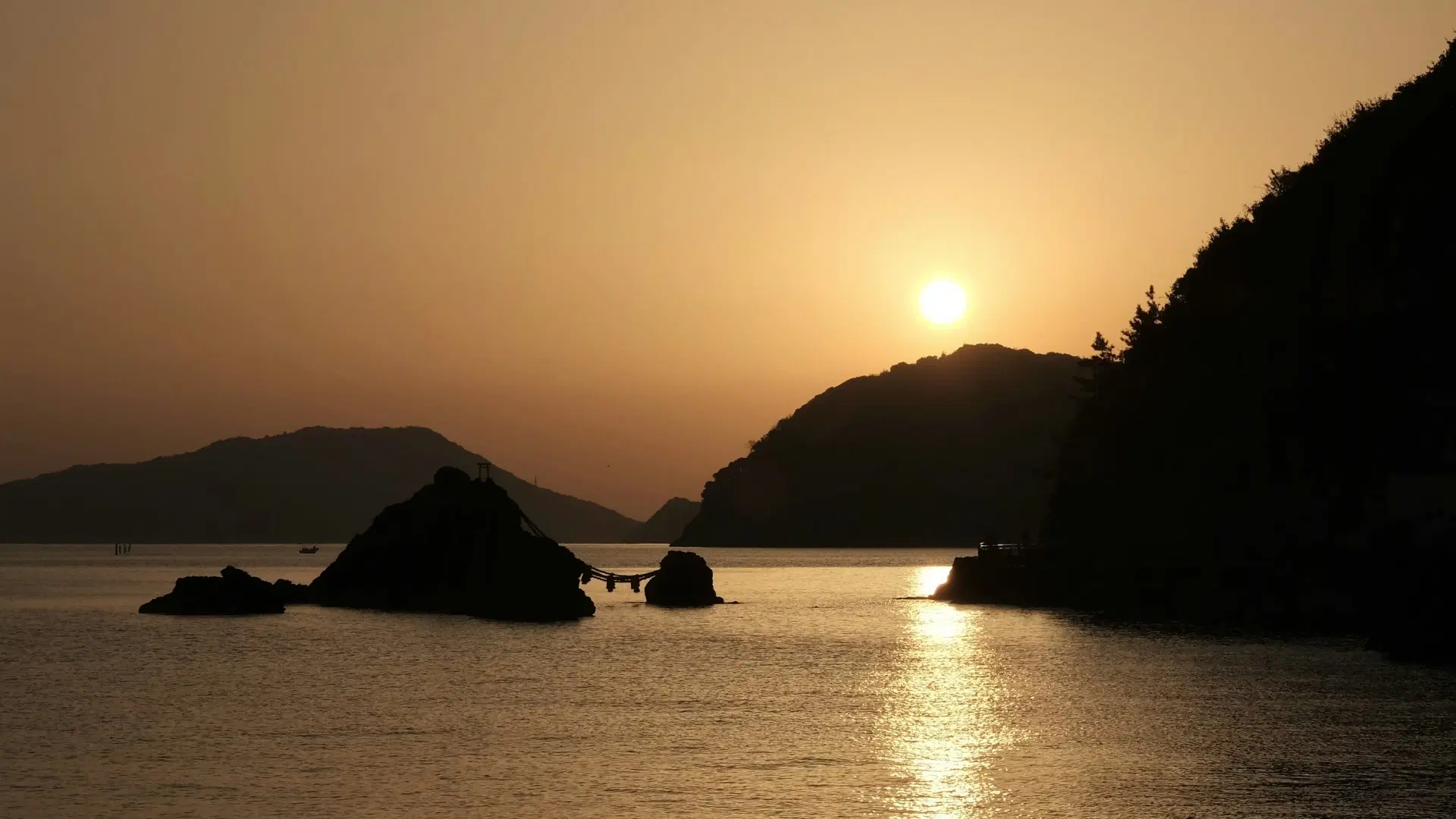
三重県Mie Prefecture occupies a singular place in the Japanese imagination. It is here, on the shores of Ise Bay, that the Grand Shrine of Ise has stood for two millennia as the spiritual heart of Shinto, its cypress architecture rebuilt every twenty years in an act of perpetual renewal that collapses the distance between past and present. Pilgrims have walked these forested paths since the Edo period, when the journey to Ise was considered a once-in-a-lifetime obligation, and the sense of sacred gravity remains palpable today.
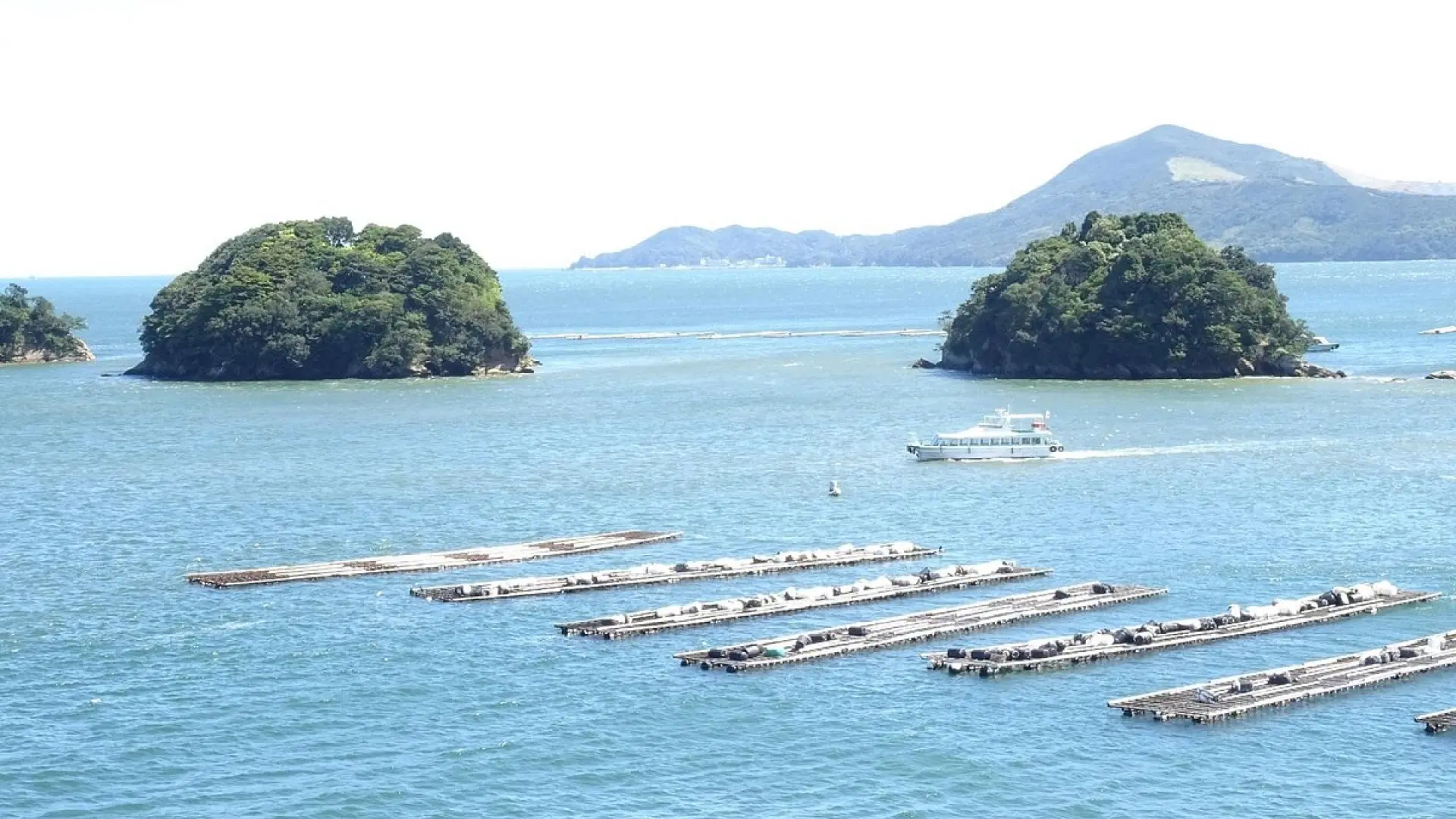
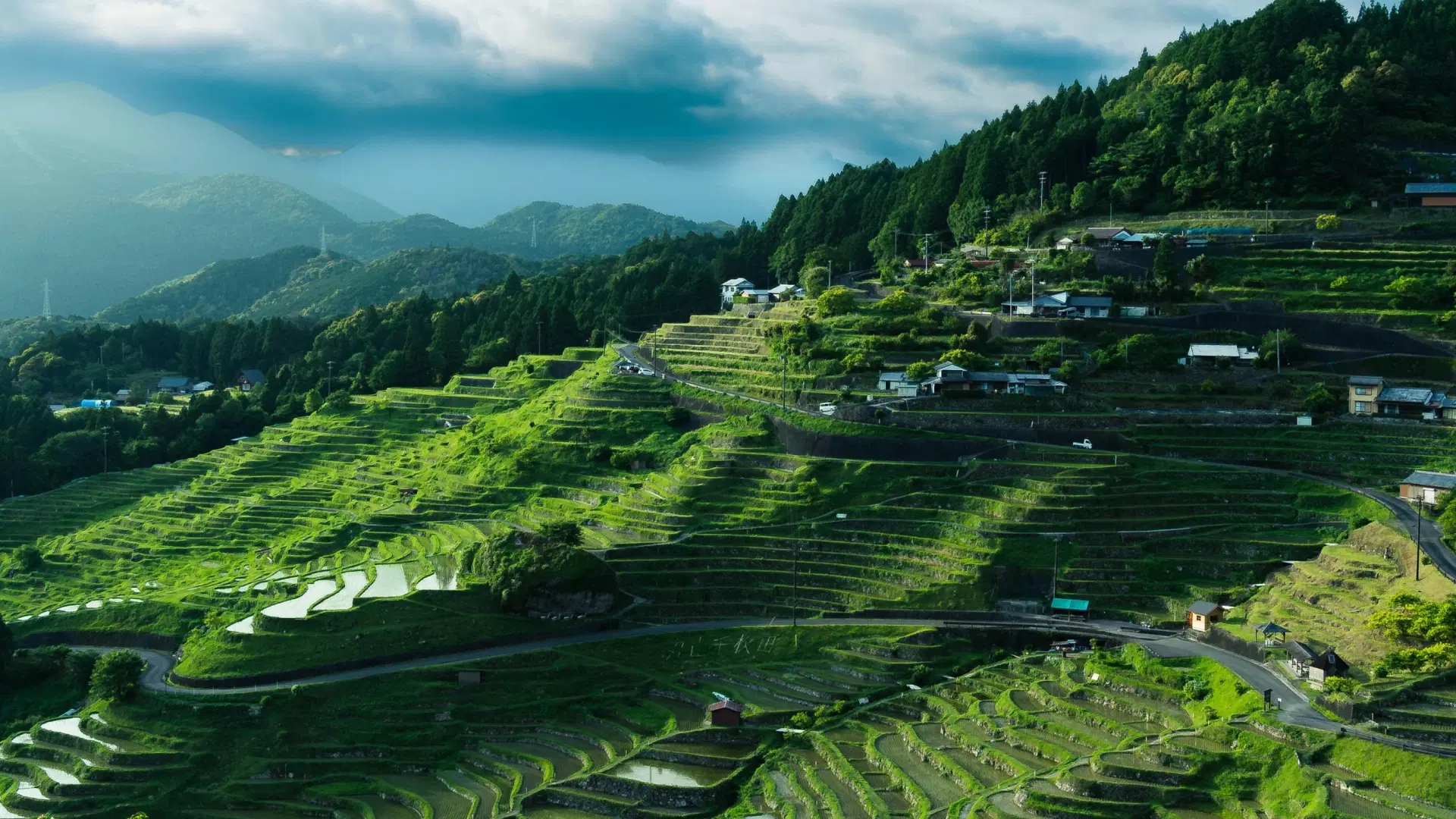
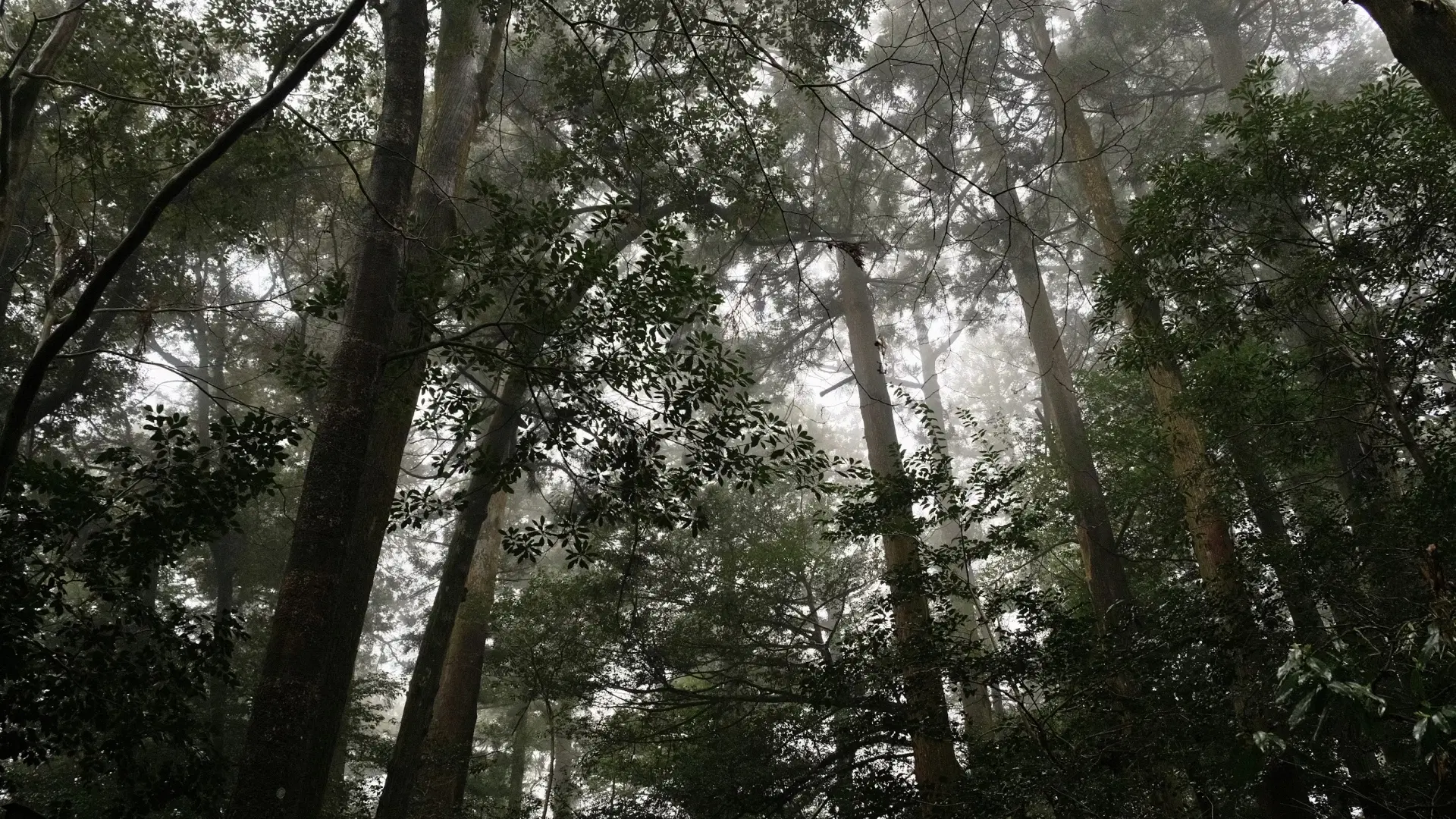
Beyond the shrine precincts, Mie unfolds along a coastline of extraordinary variety. The rias of Ago Bay, where Mikimoto Kokichi first coaxed a perfect sphere from an akoya oyster in 1893, still glimmer with pearl-cultivation rafts at dawn. Further south, the Kumano Kodo pilgrimage trails, a UNESCO World Heritage network shared with neighboring Wakayama, thread through ancient cedar forests toward the Pacific. The mountains of the Kii Peninsula rise steeply from the sea, creating microclimates where mandarin groves and terraced rice paddies cling to steep hillsides.
Mie is also a prefecture of remarkable gastronomy. Matsusaka beef, prized for its intense marbling and raised with exacting devotion, rivals any wagyu in the country. Ise-ebi, the spiny lobster hauled from these cold currents, appears on kaiseki courses throughout the region each autumn. In the port town of Toba, ama divers continue to free-dive for abalone and turban shells, a tradition stretching back thousands of years.
Mie Prefecture occupies a singular place in the Japanese imagination.
Cultural Identity
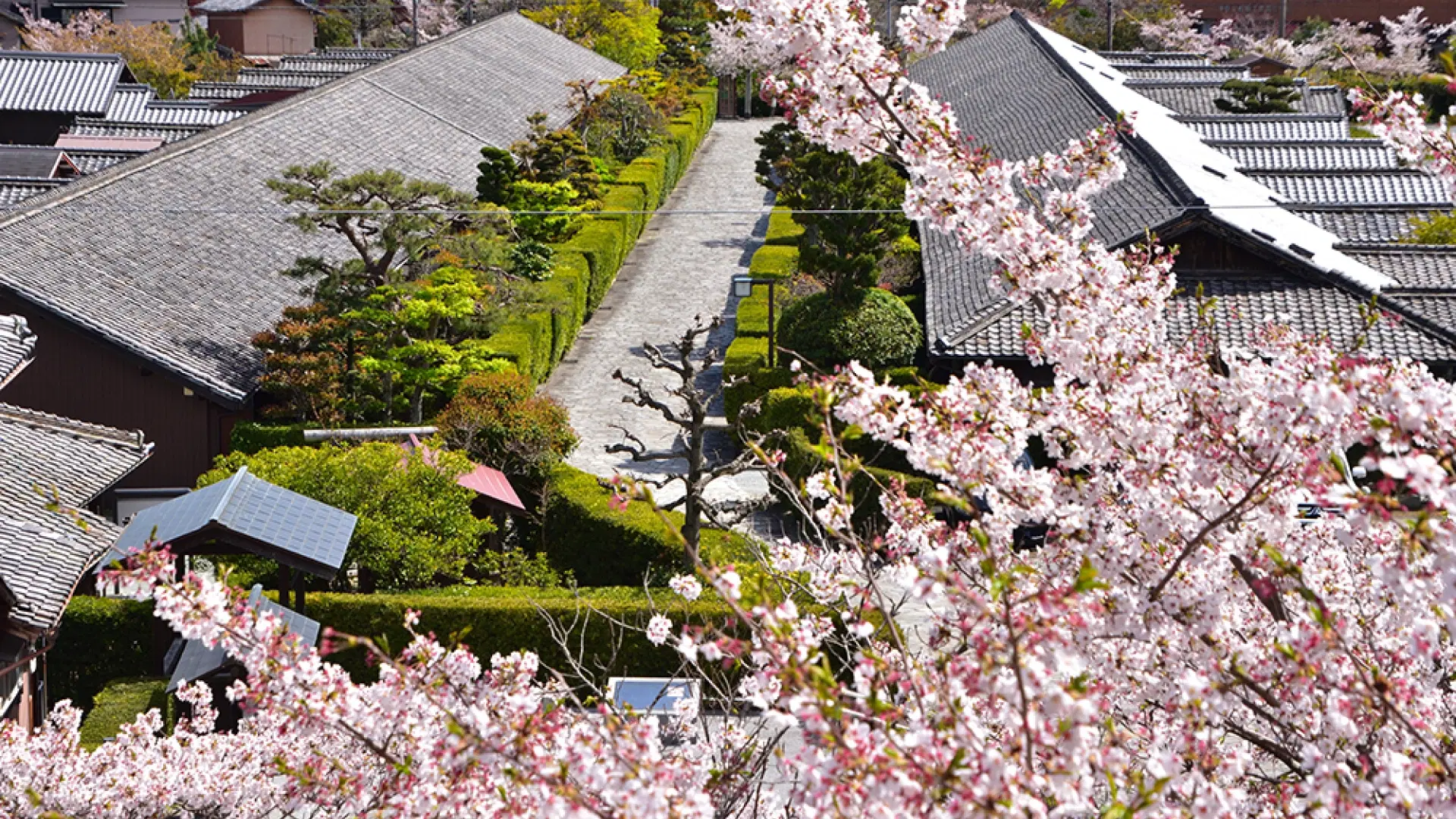
The culture of Mie revolves around faith and craftsmanship. The Ise Grand Shrine complex, comprising Naiku and Geku, anchors an entire ecosystem of ritual, from the formal processions of shrine priests to the bustling Okage Yokocho district where Edo-period streetscapes have been faithfully recreated. The tradition of shikinen sengu, the cyclical rebuilding of the shrine every two decades, embodies a philosophy of impermanence and renewal that pervades Japanese aesthetics. In the mountains, Kumano Kodo walkers encounter stone-paved paths, moss-covered jizo statues, and teahouses that have served pilgrims for centuries. Mie also preserves the ama diving tradition, recognized as an intangible cultural heritage, where women divers work the sea with nothing more than skill and breath.
Culinary Traditions
Mie sits at the intersection of mountain and sea, and its cuisine reflects both. Matsusaka beef, fed beer mash and massaged by hand according to local legend, delivers a sweetness and depth that make it one of Japan's three great wagyu. Ise-ebi lobster, caught in the Kumano-nada currents, is served as sashimi so fresh it still moves on the plate, or grilled over charcoal with a brush of soy. Tekone-zushi, a fisherman's dish of marinated bonito over vinegared rice, speaks to the region's enduring relationship with the Pacific. Along Okage Yokocho, vendors offer Ise udon, thick wheat noodles in a dark, sweet broth, and akafuku mochi, soft rice cakes cloaked in red bean paste, a confection sold here since 1707.
Waters & Onsen
Mie's onsen culture is quieter than that of its neighbors, yet no less rewarding. Yunomine Onsen, nestled along the Kumano Kodo, is one of the few hot springs in Japan where pilgrims have bathed for over a thousand years, its waters said to change color seven times daily. Toba and Shima offer seaside baths where the mineral waters meet views of pearl-raft-dotted bays. Enokizuru Onsen and Katada Onsen provide simple, sulfurous soaks in the mountainous interior. The waters here tend toward sodium chloride and hydrogen carbonate springs, prized for their softening effect on the skin.