Yokkaichi
四日市Yokkaichi is a city in the midst of rediscovering itself, a port and industrial center on the western shore of Ise Bay that has begun to reveal the cultural layers beneath its modern commercial surface. The name, meaning "fourth-day market," records the city's origins as a marketplace held every fourth day during the Edo period, when its position on the Tokaido road and its proximity to the bay made it a natural gathering point for merchants traveling between Kyoto and Edo. That commercial energy persists, but Yokkaichi is increasingly recognized for the quieter pleasures that surround its urban core: the pottery traditions of Banko ware, the panoramic views from its port, and the surprisingly rich food culture that draws on both mountain and sea.
Banko-yaki, the ceramic tradition that has been produced in and around Yokkaichi since the mid-eighteenth century, is the city's most distinctive cultural contribution. Known internationally for its unglazed purple clay teapots, whose iron-rich surface is said to improve the flavor of green tea with each use, Banko ware represents a pottery tradition that values function as highly as form. The clay, sourced locally, contains a natural mix of minerals that gives it exceptional heat resistance, leading to the development of the donabe, the earthenware cooking pot that has become indispensable in Japanese kitchens and that Yokkaichi produces in greater quantity and variety than any other city in Japan.
The port area, once solely industrial, has undergone a transformation that has made it one of the more unexpected attractions in the Tokai region. The nighttime views of the petrochemical complex reflected in the still waters of the bay, a landscape of light and industry that Japanese photographers have elevated to an aesthetic category of its own, draw visitors who find beauty in the geometry of pipes, towers, and illuminated stacks against the dark sky. This appreciation of industrial landscape as visual experience speaks to a distinctly Japanese sensitivity, one that finds order and even poetry in the structures of production.
Yokkaichi is a city in the midst of rediscovering itself, a port and industrial center on the western shore of Ise Bay that has begun to reveal the cultural layers beneath its modern commercial surface.
Highlights
The Banko-yaki pottery district, centered on the workshops and kilns in the southern part of the city, offers visitors the opportunity to observe and participate in a ceramic tradition that has been refined over more than two and a half centuries. The Banko Museum displays the full range of the tradition, from the ornately decorated wares of the early period through the austere, functional forms that characterize contemporary production. Workshops throughout the district offer hands-on experiences in which visitors can shape their own teapots or plates under the guidance of working potters, and the kilns, some of them in continuous operation for generations, provide a window into the patient, heat-intensive process that transforms local clay into objects of daily beauty.
The Yokkaichi Port area and the industrial nightscape along the bay have become a destination for photographers and travelers drawn to the particular beauty of illuminated infrastructure reflected in calm water. Several viewing points along the waterfront, including the vantage from Utsube Sports Park and the dedicated factory night view cruises that operate on select evenings, offer perspectives on a landscape that is at once entirely modern and strangely contemplative. The precision of the structures, their functional logic made visible through light, creates compositions that reward sustained looking.
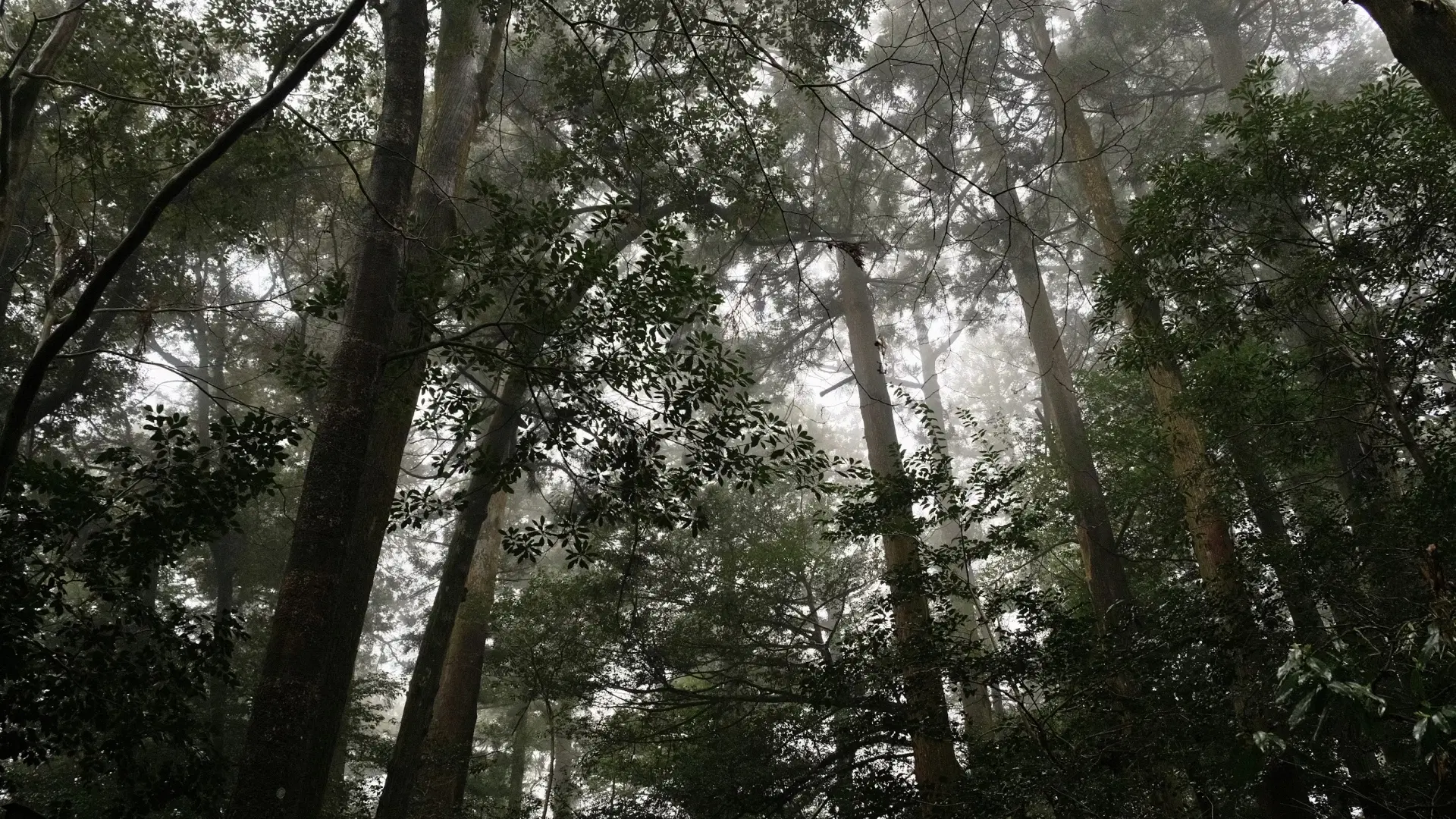
Suizawa Forest Park, in the hills west of the city, provides the natural counterpoint to Yokkaichi's industrial and commercial identity. The park's trails wind through forests of cypress and cedar, opening onto views of Ise Bay and the distant Suzuka Mountains, and the seasonal changes, cherry blossoms in spring, cicada-filled green in summer, maple color in autumn, offer the rhythm of natural time against the constant hum of the port below.
Culinary Scene
Yokkaichi's culinary identity is built on tonteki, a thick-cut pork steak served in a rich, dark sauce that has become the city's signature dish. Originating in a single restaurant in the postwar period, tonteki has spread throughout the city's dining establishments, each offering its own variation on the sauce, a closely guarded mixture that typically combines soy, garlic, Worcestershire, and other ingredients into something greater than the sum of its parts. The pork is cut thick, seared hard on the outside, and left juicy within, the sauce ladled generously over both meat and the mound of shredded cabbage that invariably accompanies it. Tonteki is not refined dining; it is the food of appetite and satisfaction, and its honesty is part of its appeal.
The proximity to Ise Bay provides access to excellent seafood, particularly the clams, shrimp, and small fish that thrive in the bay's nutrient-rich waters. Hamaguri clams from the Kuwana area, just north of Yokkaichi, are among the finest in Japan, their plump, sweet flesh grilled in the shell or simmered in clear broth. The Banko-yaki donabe, the earthenware pot produced locally, is the ideal vessel for the one-pot dishes that define winter dining in this region, and the experience of eating nabemono prepared in a pot made from the same local clay that has shaped the city's identity closes a circle between craft, cuisine, and place.
Ryokans in Mie
There are no ryokans in our guide listed in Yokkaichi. See our selection across Mie.
View ryokans in Mie