Kumano
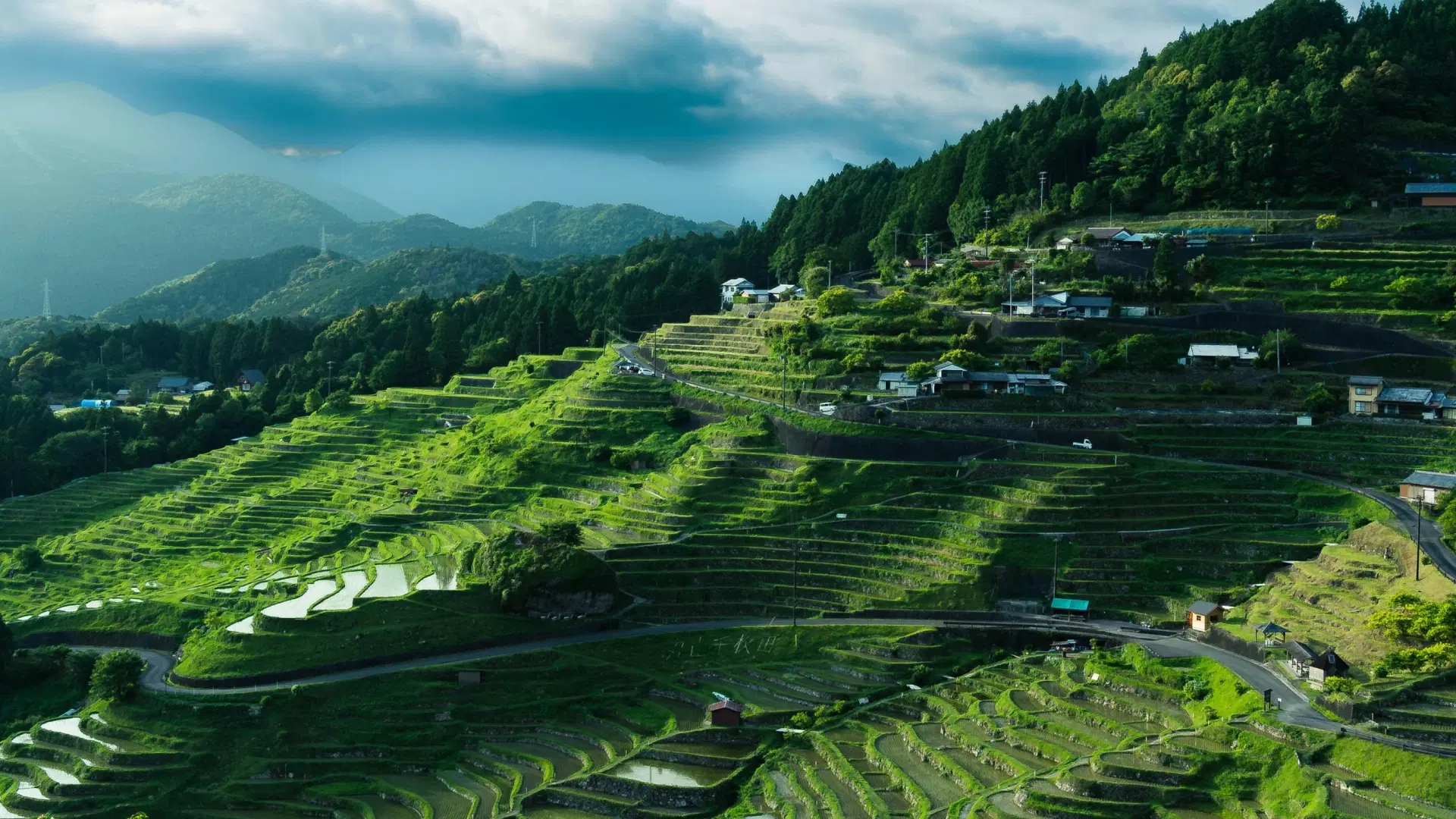
熊野Kumano is a landscape of such spiritual density that walking through it feels less like hiking than like reading a sacred text written in stone, water, and forest. The southeastern coast of the Kii Peninsula, where Mie Prefecture meets the Pacific, is the eastern gateway to the Kumano region, a territory that has been regarded as a realm of the divine since before recorded history. The mountains rise steeply from a coastline of dramatic sea cliffs and hidden coves, their slopes covered in the ancient forest that the Japanese have long understood as the dwelling place of kami, the spirits that animate the natural world. The Kumano Kodo pilgrimage routes, inscribed as a UNESCO World Heritage Site, thread through this landscape connecting the three great Kumano shrines in a network of paths that have been walked for over a thousand years.
The Mie portion of the Kumano region centers on the Kumano River and the coastal town of Kumano City, where the mountains meet the sea in formations of volcanic rock sculpted by millennia of wave action into shapes that seem to carry intentional meaning. Onigajo, the "Devil's Castle," is the most dramatic of these formations, a stretch of coastline where the rock has been carved into arches, pillars, and caverns that the sea enters with a sound that the imagination easily interprets as voice. The landscape here is not gentle; it has the raw, elemental quality of a place where tectonic forces and oceanic power are visible and ongoing.
The spiritual significance of the Kumano region derives from this very rawness. Unlike the manicured sacred landscapes of Kyoto or Nara, Kumano's sanctity is wild, rooted in the awe that humans experience in the presence of natural forces that dwarf their own scale and permanence. The pilgrimage routes were established not in spite of the landscape's difficulty but because of it: the physical challenge of crossing the mountains, fording the rivers, and enduring the climate was understood as a form of purification, a shedding of worldly attachment that prepared the pilgrim for encounter with the divine.
Kumano is a landscape of such spiritual density that walking through it feels less like hiking than like reading a sacred text written in stone, water, and forest.
Highlights
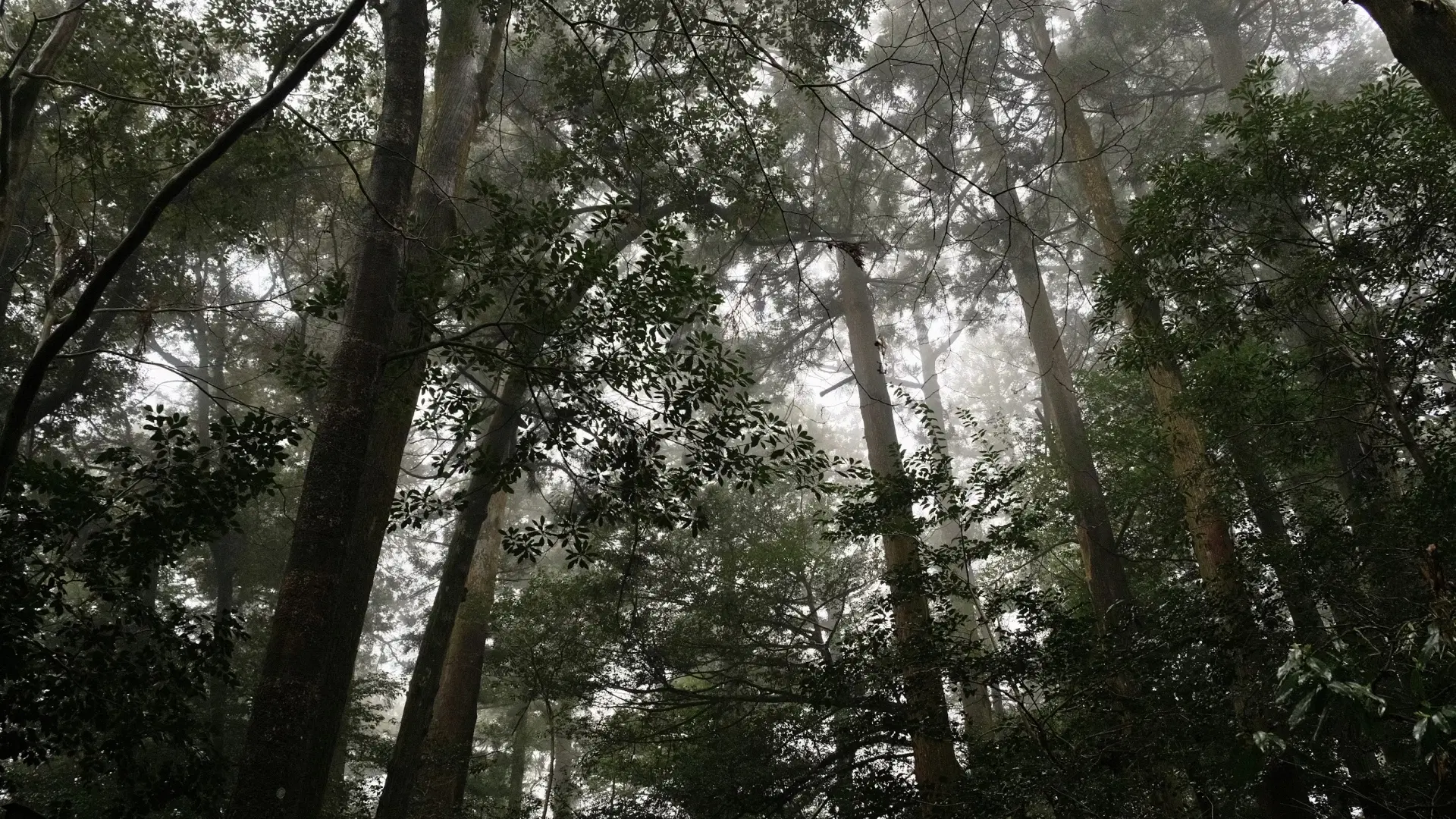
The Kumano Kodo pilgrimage routes that pass through the Mie portion of the region offer walking experiences that range from gentle forest paths to demanding mountain crossings. The Ise-ji route, connecting Ise Jingu to the Kumano shrines along the eastern coast of the Kii Peninsula, is the most accessible from the Mie side, passing through fishing villages, over coastal passes, and through forests of hinoki and sugi that filter the light into green and gold. The toge, the mountain passes along this route, each offer a distinct character: some open onto Pacific views of startling breadth, others descend into valleys where the only sound is running water and birdsong. Walking even a section of the Ise-ji route recalibrates the traveler's sense of time, replacing the efficiency of modern transport with the body's own measure of distance.
Onigajo, designated a UNESCO World Heritage Site as part of the Sacred Sites and Pilgrimage Routes in the Kii Mountain Range, presents a coastline that appears to have been shaped by a sculptor of titanic ambition. The rock formations, composed of volcanic material deposited millions of years ago and subsequently carved by wave erosion, create a landscape of natural arches, sea stacks, and tidal pools that invites both geological understanding and mythological interpretation. A boardwalk trail traces the cliff edge, providing access to viewpoints where the scale and complexity of the formations can be appreciated against the open Pacific.
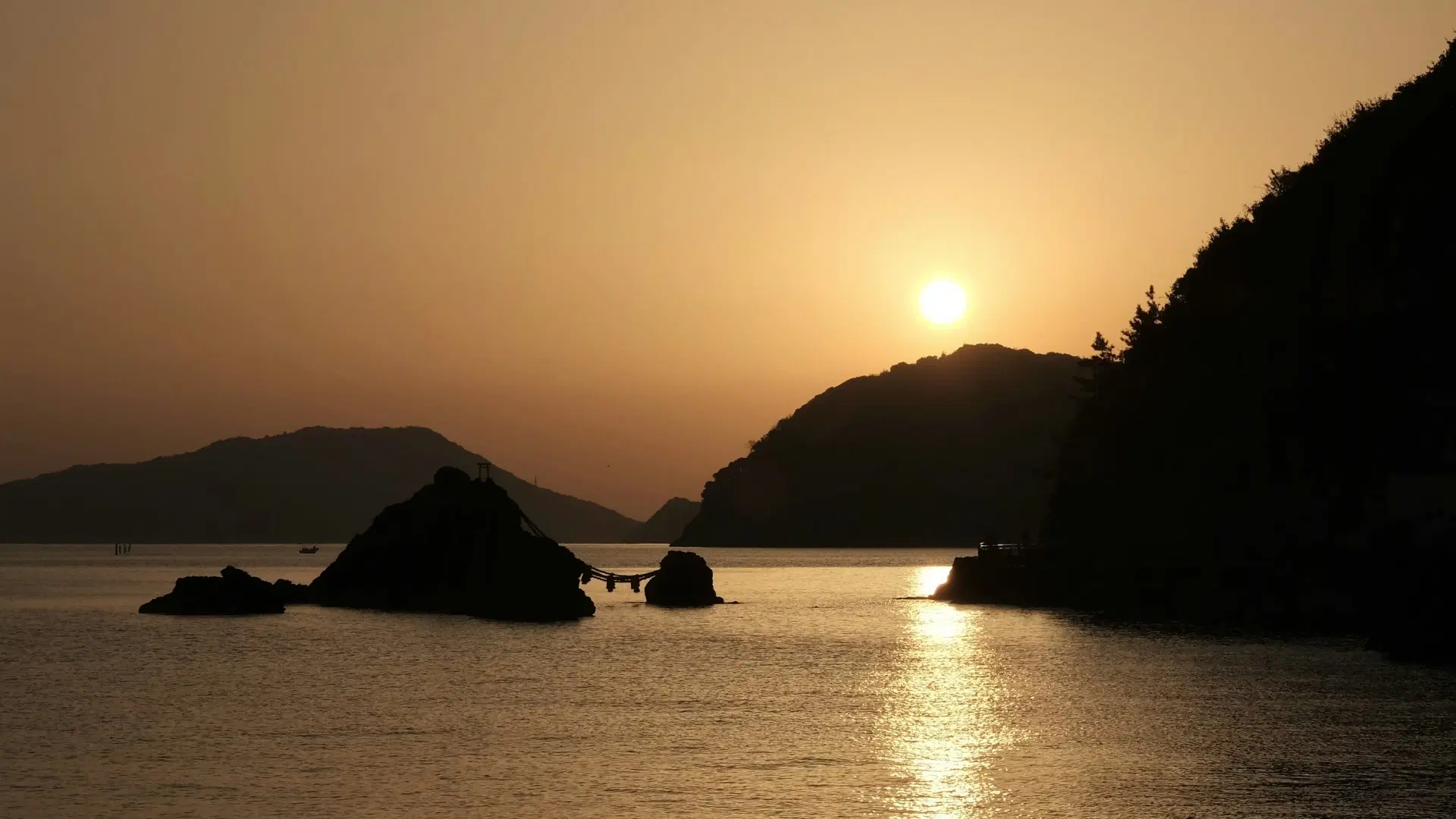
Hana no Iwaya, one of the oldest shrines in Japan, is dedicated to Izanami no Mikoto, the mother goddess of Japanese mythology, and takes the form of a massive rock face rising forty-five meters above a natural amphitheater near the shore. The shrine has no building; the rock itself is the object of veneration, its surface annually decorated with an enormous shimenawa rope in a festival that requires the coordinated effort of the entire community. This absence of constructed architecture, the worship directed not at a human-made structure but at the rock and the forest and the sea, captures the essence of Kumano spirituality.
Culinary Scene
Kumano's cuisine reflects both the bounty of the Pacific and the forested mountains that define the region's interior. Sanma, the Pacific saury that migrates through these waters in autumn, is the emblematic fish of the Kumano coast, its oily flesh grilled whole over charcoal with nothing but coarse salt, the skin blistering to a deep amber while the interior remains moist and intensely flavored. The mehari-zushi of the region, rice balls wrapped in pickled mustard greens, originated as the sustenance of woodcutters and pilgrims, their portable form and bold, salty flavor designed for consumption on mountain trails where no other food was available.
The citrus of the Kumano region, particularly the mikan and the rare jabara, contribute both flavor and fragrance to the local table. Jabara, a citrus variety unique to the Kii Peninsula, carries a distinctive bitterness balanced by floral sweetness that appears in juices, preserves, and as an accompaniment to grilled fish. The mountain streams yield ayu and other river fish, while the forests provide matsutake mushrooms in autumn and an array of sansai in spring. The simplicity of Kumano cooking, its reliance on direct preparations that honor the ingredient rather than transforming it, reflects the same respect for the natural world that animates the region's spiritual traditions.