Ise
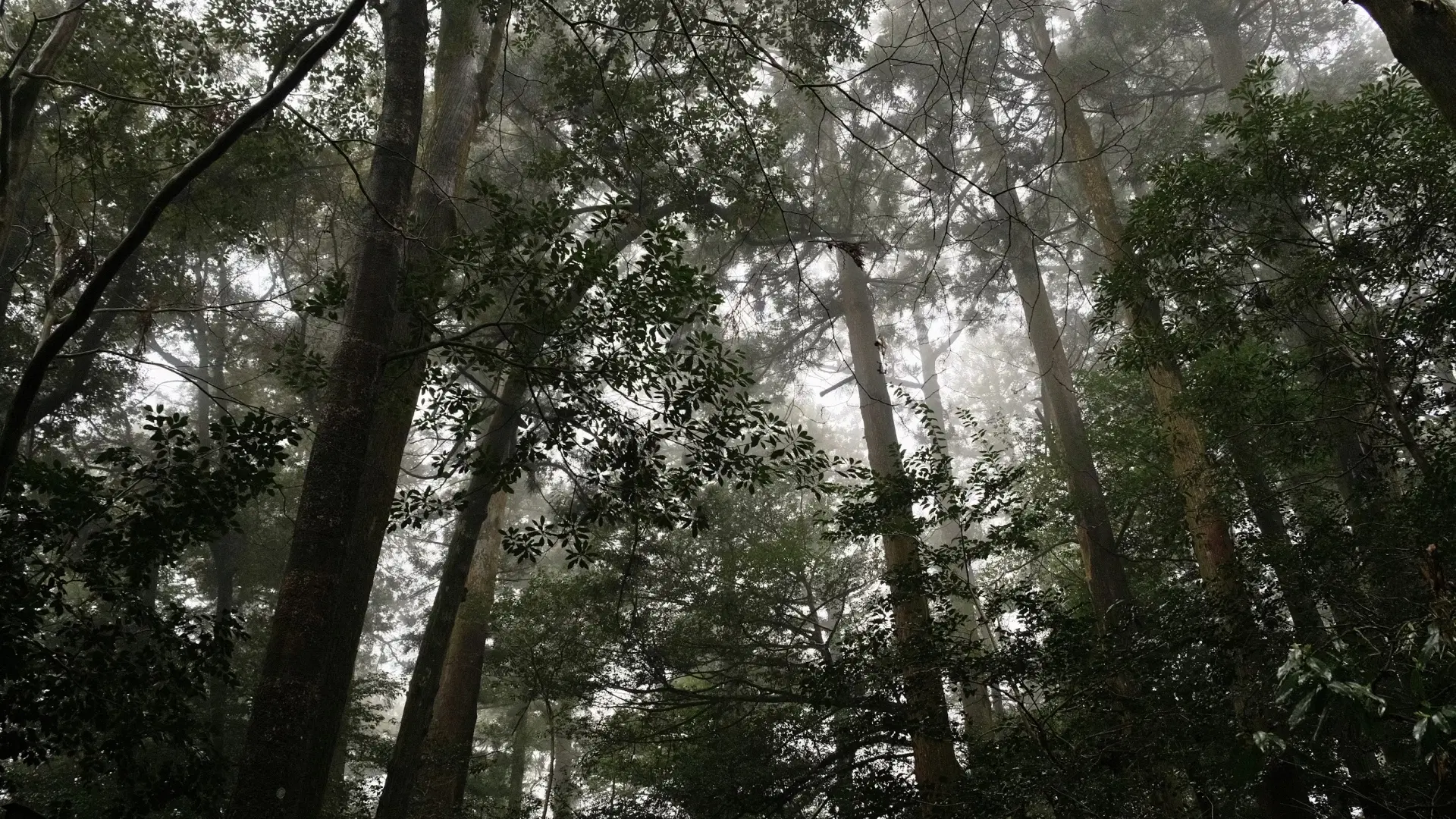
伊勢Ise is the spiritual center of Japan, a city whose identity is inseparable from the grand shrine complex that has drawn pilgrims across mountains and rivers for two thousand years. Ise Jingu, the most sacred site in the Shinto faith, occupies a vast forested precinct along the Isuzu River where the architecture achieves a purity of form that has no parallel in Japan or anywhere else. The shrine buildings, reconstructed every twenty years in an unbroken cycle of renewal that embodies the Shinto understanding of impermanence and regeneration, stand in cryptomeria groves whose filtered light and moss-covered floor produce an atmosphere so charged with presence that even skeptical visitors speak of crossing a threshold into another order of experience.
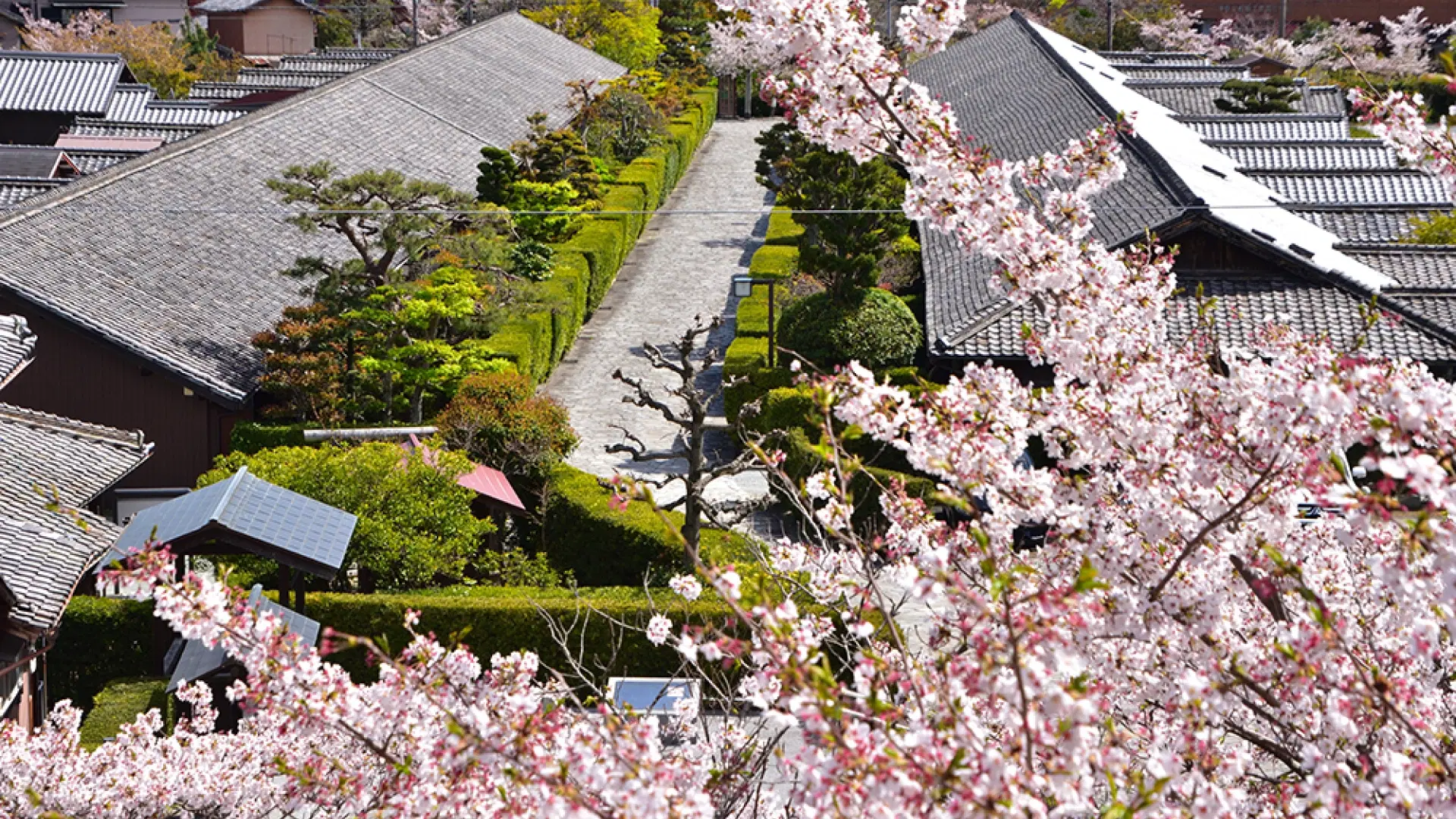
The city that surrounds the shrine has organized itself around the act of pilgrimage for centuries. Oharai-machi, the traditional approach street to the inner shrine, preserves the architecture and commerce of the Edo-period pilgrimage route, its wooden shopfronts and tile roofs sheltering businesses that have served travelers for generations. The adjacent Okage Yokocho, a reconstructed district of traditional buildings, offers the culinary and artisanal traditions of the Ise region in a setting that captures the festive, communal spirit that characterized Ise pilgrimage at its historical peak, when millions of Japanese undertook the journey as both spiritual obligation and joyous adventure.
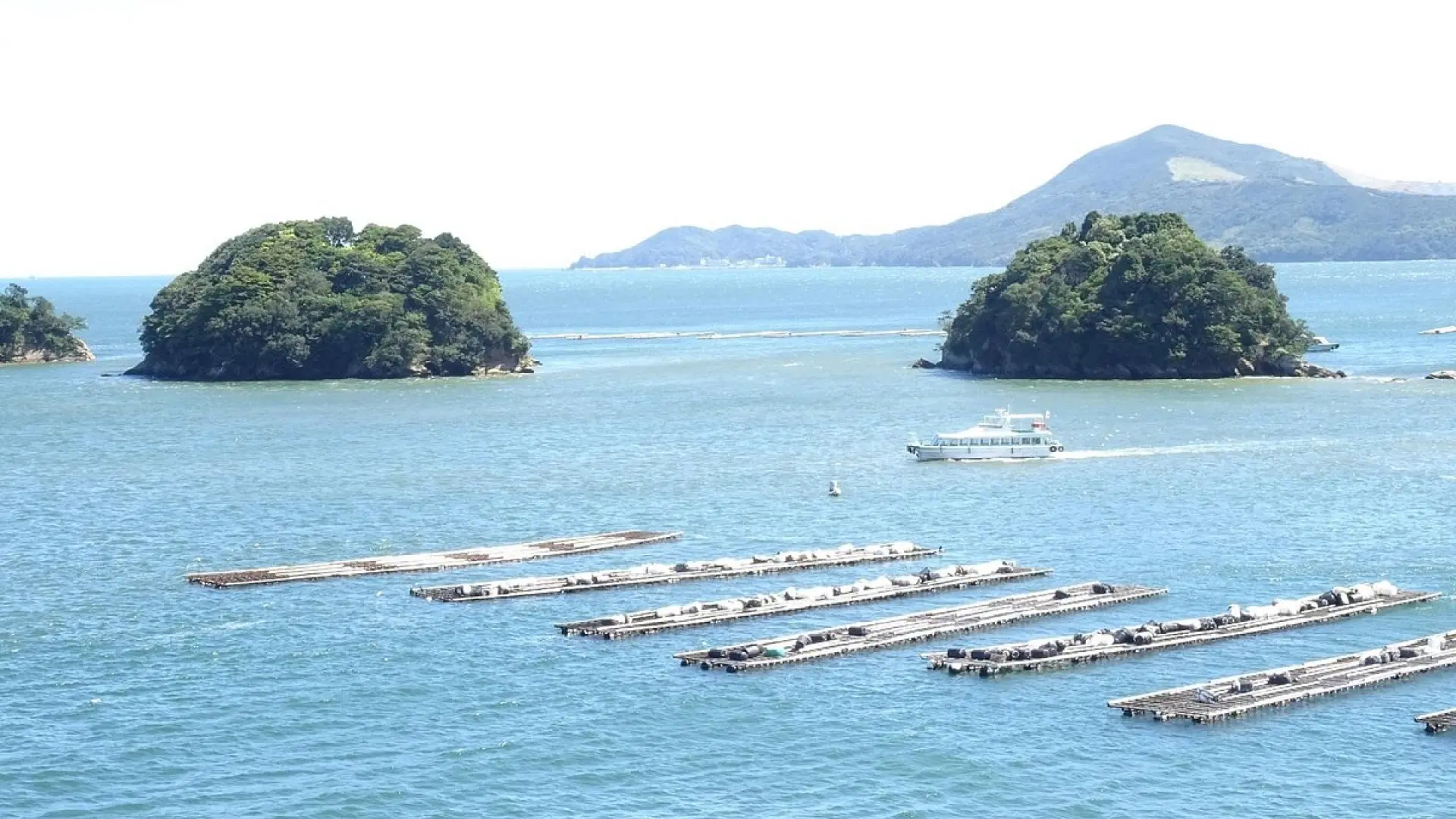
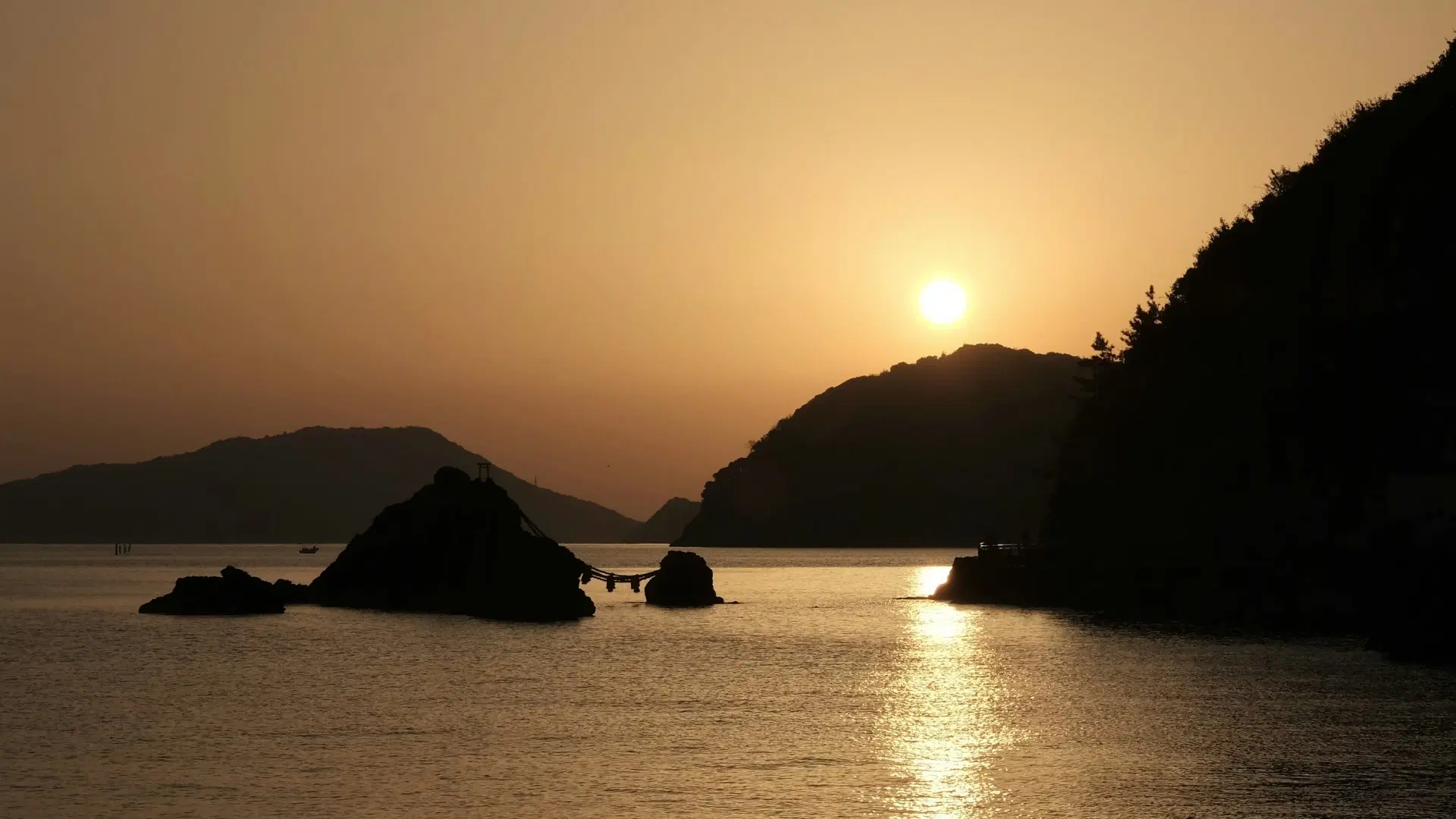
The landscape surrounding Ise deepens the spiritual resonance of the shrine. The Isuzu River, whose clear waters pilgrims use for ritual purification before entering the inner sanctuary, flows from forested hills that have been protected as sacred woodland for millennia. The coastline to the east, where the morning sun rises over the Pacific to illuminate the torii of Meoto Iwa, the wedded rocks at Futami, connects the Shinto veneration of natural phenomena to the specific geography of this place. Ise is not merely a destination; it is a landscape in which the boundary between the sacred and the natural has been dissolved so completely that the distinction ceases to matter.
Ise is the spiritual center of Japan, a city whose identity is inseparable from the grand shrine complex that has drawn pilgrims across mountains and rivers for two thousand years.
Highlights
Ise Jingu comprises two main shrine complexes separated by six kilometers of forested hills, and the journey between them is itself a pilgrimage. The Geku, or outer shrine, dedicated to Toyouke Omikami, the deity of food and industry, stands in a grove of ancient trees whose trunks rise like pillars in a green cathedral. The Naiku, or inner shrine, dedicated to Amaterasu Omikami, the sun goddess and ancestor of the imperial line, occupies a site of such profound beauty that the walk along the Isuzu River to its entrance feels like a passage through layered veils of sanctity. The shrine buildings themselves, constructed of unpainted hinoki cypress in the oldest and purest architectural style in Japan, are visible only partially above the wooden fences that surround them, and this deliberate concealment intensifies rather than diminishes their power. What the visitor sees is not the structure but its aura: the golden gleam of fresh cypress, the green of the surrounding forest, the white gravel of the sacred precinct raked to absolute evenness.
Oharai-machi and Okage Yokocho transform the spiritual gravity of the shrine visit into something warmer and more celebratory. The streets are lined with merchants selling akafuku mochi, the soft rice cakes filled with sweet bean paste that have been Ise's signature offering since 1707, alongside shops offering local Ise crafts, pearl jewelry from the nearby Toba coast, and seasonal delicacies. The architecture, a carefully maintained collection of traditional Ise-style buildings with low eaves and dark timber frames, creates a streetscape that channels the visitor naturally from the commercial warmth of the approach into the sacred silence of the shrine grounds.
Meoto Iwa, the wedded rocks at Futami, connected by a shimenawa rope of sacred significance, stand in the sea east of Ise and frame the rising sun on clear mornings in a composition that distills the Shinto reverence for natural beauty into a single image. The rocks, visited traditionally before the shrine as part of the purification sequence, anchor the eastern end of the Ise sacred geography and provide a starting point for understanding the landscape as the shrine's builders understood it: a territory in which every river, rock, and tree participates in the divine.
Culinary Scene
Ise's cuisine draws from the abundance of the sea and the traditions of shrine offering, producing a culinary vocabulary that is at once luxurious and deeply rooted in place. Ise-ebi, the spiny lobster that bears the city's name, is the region's most celebrated ingredient, its sweet, firm flesh served as sashimi, grilled with salt, or simmered in miso soup with a richness that justifies its historical status as an offering fit for the gods. The lobster season, from October through April, defines the culinary calendar of the region, and the best preparations are found in the ryokans and restaurants of Ise and the nearby fishing ports, where the catch moves from boat to table within hours.
Tekone-zushi, a preparation in which slices of bonito or tuna are marinated in soy sauce and arranged over vinegared rice, originated as a fisherman's meal assembled with the hands, its name literally meaning hand-mixed sushi. The dish survives in Ise's restaurants as a celebration of simplicity and the quality of the local catch. Ise udon, thick wheat noodles served in a dark, sweet broth with a soft, yielding texture that distinguishes them from the firmer noodles of other regions, provides the everyday comfort food of the pilgrimage route, its generous portions designed to restore travelers after long days of walking.
Akafuku mochi, the iconic sweet of the Ise pilgrimage, has been prepared by the same family since the early eighteenth century. The soft mochi, wrapped in a smooth layer of sweet red bean paste whose ridged surface represents the flow of the Isuzu River, achieves a harmony of texture and restraint that elevates a humble confection into something genuinely artful. Eaten fresh, still warm, at the main shop on Oharai-machi while watching the river pass below, akafuku becomes not merely a snack but a ritual conclusion to the shrine visit.