Kumano Fireworks Festival
熊野花火大会The Kumano Fireworks Festival is one of the most spectacular pyrotechnic events in Japan, a display of such scale and artistry that it has earned designation as one of the country's finest hanabi taikai despite the remote location of its venue on the southeastern coast of the Kii Peninsula. On the evening of August 17, the dark waters of Shichiri Mihama beach become the canvas for a display that combines the technical mastery of Japan's leading fireworks artisans with the natural drama of a coastline where mountains meet the Pacific in formations of volcanic rock. The setting alone would be remarkable; the fireworks transform it into something that borders on the transcendent.
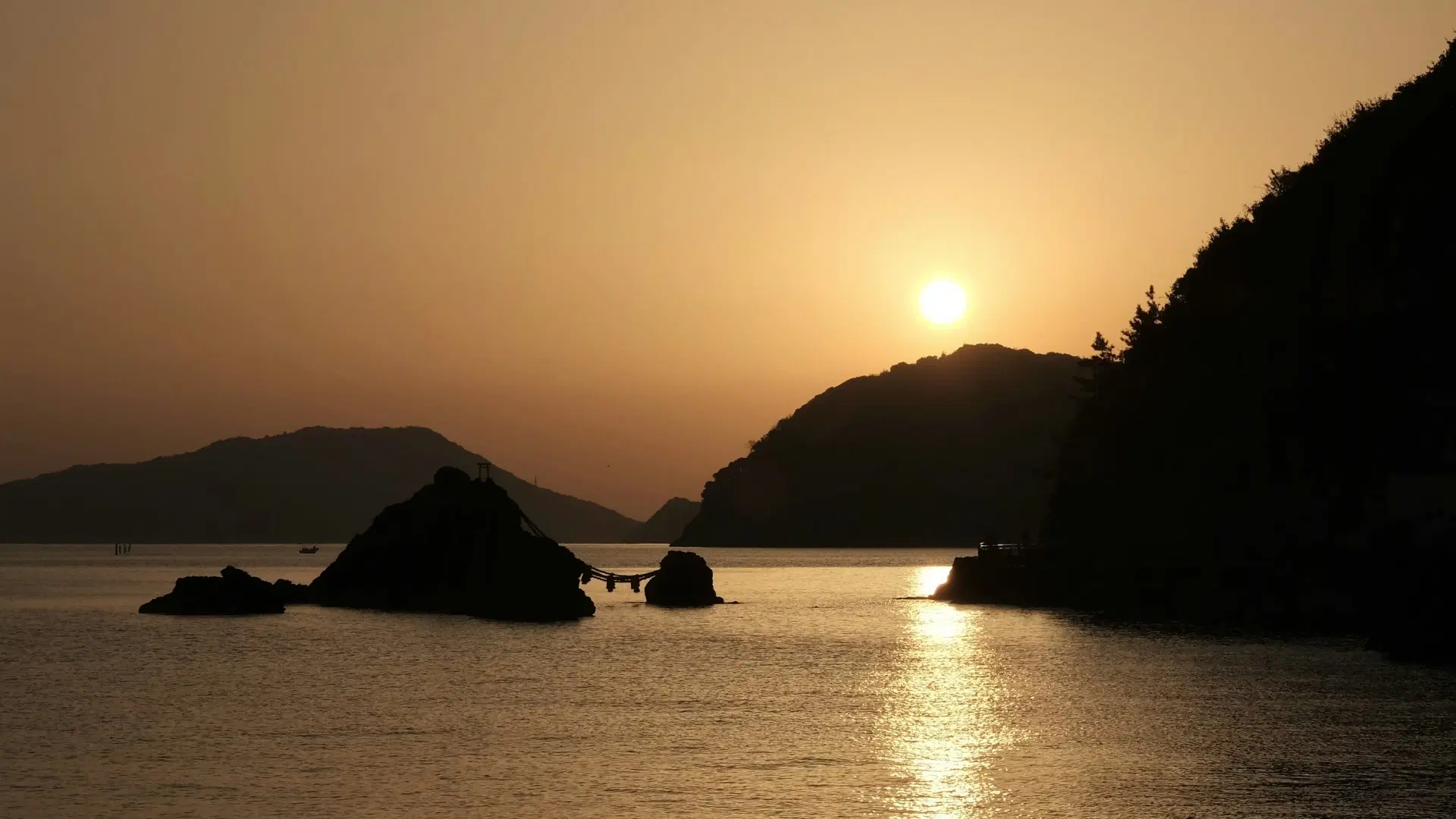
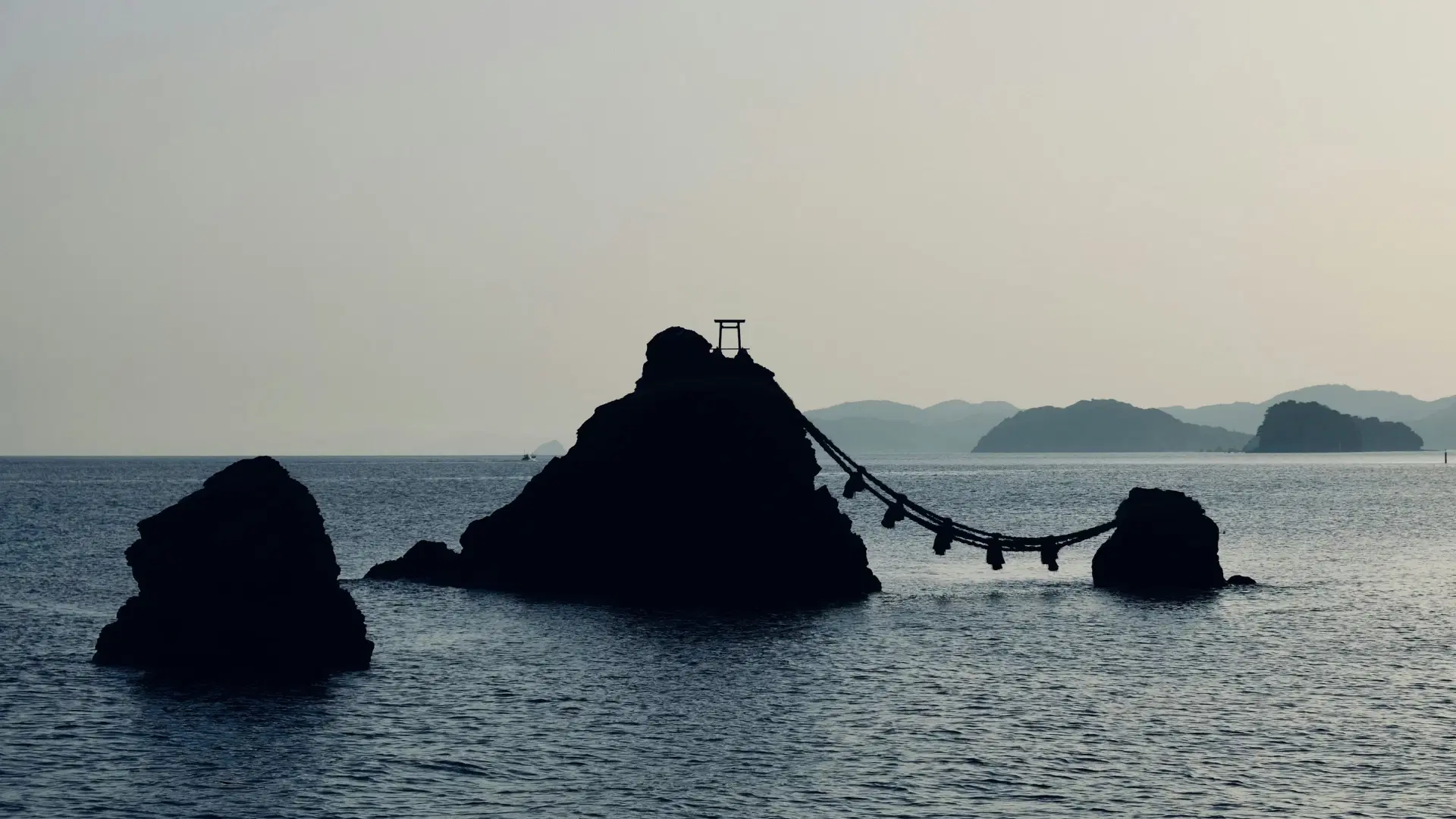
The festival's signature element is the onigajo fireworks, launched from barges positioned near the sea cliffs of the Onigajo rock formations, where the detonations echo off the ancient stone walls and the reflections dance across the water with a doubled intensity that no inland venue can replicate. The interplay between the manufactured brilliance of the fireworks and the geological grandeur of the coastline creates a spectacle in which human artistry and natural beauty amplify each other, the explosions illuminating cliff faces that have stood for millions of years in a momentary marriage of the ephemeral and the eternal.
Approximately ten thousand fireworks are launched over the course of the evening, building from intimate opening sequences to a finale of such density and volume that the distinction between individual shells dissolves and the sky becomes a continuous field of light and sound. The tradition of the Kumano hanabi dates to the early twentieth century, when the festival was established as a memorial offering for the spirits of the sea, and this origin in remembrance gives the spectacle an emotional undertone that pure entertainment lacks.
The Kumano Fireworks Festival is one of the most spectacular pyrotechnic events in Japan, a display of such scale and artistry that it has earned designation as one of the country's finest hanabi taikai despite the remote location of its venue on the southeastern coast of the Kii Peninsula.
History & Significance
The Kumano Fireworks Festival originated approximately three hundred years ago as a Shinto offering to appease the spirits of those lost at sea, a ceremony of light and sound directed toward the ocean in acknowledgment of the sacrifices that the fishing communities of this coast have endured across centuries. The early festivals were modest affairs, small displays launched from the beach by local pyrotechnicians, but the tradition grew in scale and ambition as the craft of Japanese fireworks making advanced and as the region's reputation for staging displays against the dramatic coastal landscape attracted attention from fireworks artisans and audiences across the country.
The modern festival, established in its current form in the early twentieth century, has become one of the most anticipated hanabi events on the national calendar. The decision to maintain a fixed date of August 17, rather than scheduling around weekends as many festivals do, reflects the event's origins as a memorial observance tied to the Obon period, when the spirits of the departed are believed to return. This connection to remembrance and the sea gives the Kumano festival a gravity that distinguishes it from purely celebratory displays and sustains the emotional resonance that has drawn visitors back year after year.
What to Expect
The beach at Shichiri Mihama begins filling hours before the display, as visitors claim positions along the broad sweep of sand and the surrounding hillsides. The wait itself is part of the experience, the slow progression from afternoon warmth through the golden hour into the deepening blue of a summer evening on the Pacific coast, the anticipation building as the light fades and the first stars appear above the dark silhouette of the sea cliffs. Food vendors line the approach roads, selling the grilled seafood, yakitori, and shaved ice that constitute the essential hanabi menu, and the communal atmosphere of shared anticipation creates bonds between strangers that the shared spectacle will deepen.
The display opens with sequences launched from the beach, building gradually in scale and complexity before the first barges positioned near the Onigajo cliffs begin their contribution. The acoustic dimension is extraordinary: the concussions echo off the rock faces, producing reverberations that arrive from multiple directions and give the sound a three-dimensional quality that flat-terrain displays cannot achieve. The sea surface becomes a second screen, reflecting each burst in elongated, trembling images that double the visual field.
The finale, in which multiple launch points fire simultaneously and the sky above the bay becomes a continuous canopy of color and light, is an experience that operates beyond the capacity of description. The sound becomes physical, felt in the chest and the ground as much as heard, and the reflected light on the water and the cliff faces creates an environment of total illumination that briefly transforms the ancient coastline into something that feels like the interior of a star. The return to darkness, when the last echoes fade and the crowd sits in stunned silence before the applause begins, is itself a kind of beauty.