Matsusaka
松阪Matsusaka is a city that built its reputation on one of the most extraordinary ingredients in Japanese cuisine. Matsusaka beef, produced from Japanese Black cattle raised in the hills surrounding this former castle town in central Mie Prefecture, is regarded by many connoisseurs as the finest wagyu in Japan, surpassing even Kobe in the delicacy of its marbling, the sweetness of its fat, and the depth of its umami. The cattle are raised with a level of individual attention that borders on devotion, each animal known by name and tended with practices that include beer supplements and manual massage, not as marketing affectation but as techniques developed over generations to reduce stress and promote the even distribution of intramuscular fat that gives the beef its legendary quality.
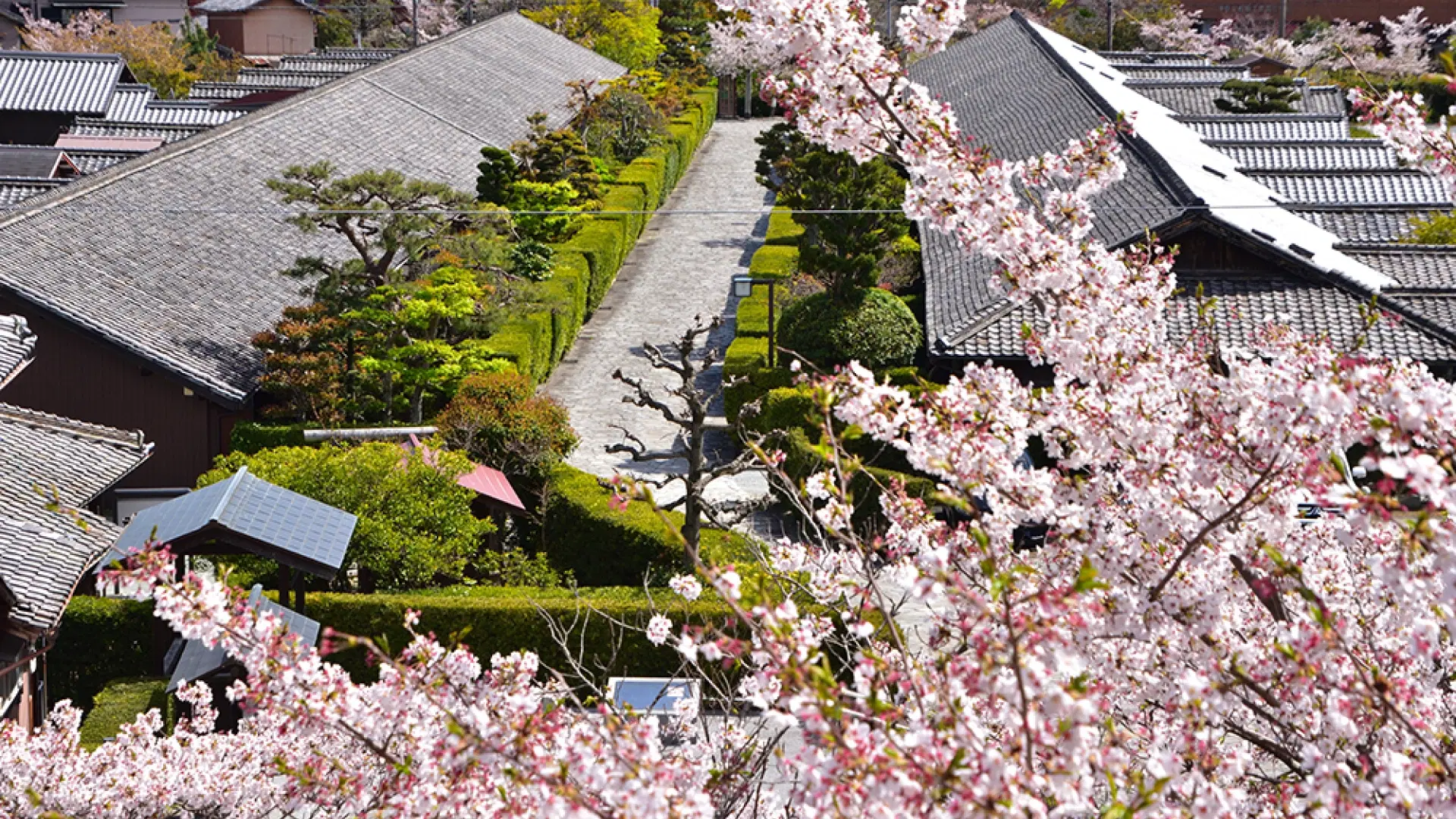
The city itself, situated between the Kushida River and the foothills of the interior mountains, preserves the structure of a prosperous Edo-period merchant town. Matsusaka's merchants were among the most successful in Japan, their commercial networks extending to Edo, where they operated many of the great dry goods houses that would eventually evolve into modern department store empires. The wealth generated by this commerce funded an urban culture of refinement and learning, and the city's merchant quarter, with its stone walls, traditional storehouses, and the elegant houses of families like the Hasegawa and the Ozu, documents a period when commercial success and cultural sophistication were understood as inseparable pursuits.
Motoori Norinaga, the eighteenth-century scholar who produced the definitive commentary on the Kojiki, Japan's oldest literary work, was born and worked in Matsusaka, and his former residence and study, preserved as a museum, connect the city to one of the most important intellectual achievements in Japanese history. Norinaga's work recovered the indigenous literary and spiritual traditions of Japan from centuries of Chinese philosophical overlay, and his presence in Matsusaka reminds the visitor that this was not merely a commercial town but a place where thought of the highest order was pursued in the quiet rooms above the merchant street.
Matsusaka is a city that built its reputation on one of the most extraordinary ingredients in Japanese cuisine.
Highlights
The Matsusaka Castle ruins, set on a hilltop in the center of the city, provide the most comprehensive view of the town's layout and its relationship to the surrounding landscape. The castle, built in 1588 by Gamou Ujisato, retains impressive stone walls of the nozura-zumi style that demonstrate the military engineering of the Azuchi-Momoyama period. The grounds, now a park planted with cherry and plum trees, offer views across the city rooftops to the Ise Plain and, on clear days, to the distant waters of Ise Bay. In spring, the castle hill becomes one of the finest hanami locations in the prefecture, the blossoms framing the ancient stonework in compositions that compress centuries into a single glance.
The merchant quarter along the old Ise Kaido road preserves the domestic architecture of families whose commercial reach extended across Japan. The Hasegawa family residence, open to visitors, displays the characteristic features of a wealthy Matsusaka merchant house: the subdued exterior that concealed the refined interior, the multiple storehouses that held goods in transit, the gardens designed for contemplation rather than display. The Ozu family residence, similarly preserved, offers a complementary perspective on the merchant culture that shaped the city's identity and funded its contributions to scholarship and the arts.
The Motoori Norinaga Memorial Museum and the scholar's former residence, the Suzu no Ya, provide an intimate encounter with one of Japan's greatest literary minds. The study where Norinaga spent decades annotating and interpreting the Kojiki, surrounded by the books and instruments of his scholarly life, communicates the patient intensity of his intellectual project more effectively than any secondary account could manage.
Culinary Scene
Matsusaka beef is the reason many travelers make the journey, and the experience of eating it in the city of its origin is materially different from encountering it elsewhere. The best restaurants in Matsusaka serve beef that has been aged and selected with an expertise that reflects generations of practice, and the preparations range from sukiyaki, in which thin slices are swirled through a sweet soy broth and eaten with beaten raw egg, to yakiniku, grilled over charcoal with nothing but a pinch of salt to complement the beef's own sweetness. The fat of Matsusaka beef has a lower melting point than that of other wagyu, dissolving on the tongue with a richness that is intense but never heavy, and the flavor, clean and faintly sweet with a long finish, reveals why the distinction between good wagyu and great wagyu is not one of degree but of kind.
The lesser-known elements of Matsusaka's culinary landscape deserve attention alongside the beef. Matsusaka chicken, a local breed with firm, flavorful meat, is served grilled with miso in a preparation that predates the city's association with beef and that locals regard with quiet pride. The tea culture of the region, supported by plantations in the hills above the city, produces teas of notable quality, and the wagashi, traditional confections, served alongside them in the city's tea rooms reflect the refined taste of a merchant community that valued the subtle pleasures of the tea ceremony.
The morning market tradition, a remnant of the city's Edo-period commercial culture, continues in a diminished but genuine form, with vendors selling local produce, pickles, and prepared foods in the streets near the old merchant quarter. These markets, operating in the early hours before the city's shops open, offer a glimpse of the commercial energy that once made Matsusaka one of the wealthiest towns in Japan.
Ryokans in Mie
There are no ryokans in our guide listed in Matsusaka. See our selection across Mie.
View ryokans in Mie