Ise Grand Shrine New Year Worship
伊勢神宮初詣The hatsumode at Ise Jingu is the most sacred New Year pilgrimage in Japan, a convergence of millions of worshippers at the spiritual heart of the Shinto faith during the three days that mark the turning of the year. From midnight on January 1, when the first visitors pass beneath the great torii of the inner shrine in the cold darkness of a winter forest, through the final hours of January 3, when the last pilgrims complete their prayers and turn toward home, Ise Jingu becomes the focal point of a national act of renewal that connects the individual worshipper to the deepest currents of Japanese spiritual life. The atmosphere during these days is unlike anything the shrine produces at other times: the weight of collective intention, the sound of millions of clapping hands raised in prayer, the cold air carrying the scent of hinoki and incense, all combine to create an experience of profound communal devotion.
The pilgrimage to Ise at the New Year is not a modern phenomenon but the continuation of a tradition that has drawn Japanese travelers across mountains and rivers for centuries. During the Edo period, okage mairi, spontaneous mass pilgrimages to Ise, would erupt periodically across the country, drawing millions of people from all social classes in movements of religious fervor that temporarily suspended the rigid hierarchies of feudal society. The contemporary hatsumode, though organized and orderly, carries an echo of that historical energy, the sense that something fundamental is at stake in the act of beginning the year at the dwelling place of Amaterasu Omikami, the sun goddess from whom the imperial line descends.
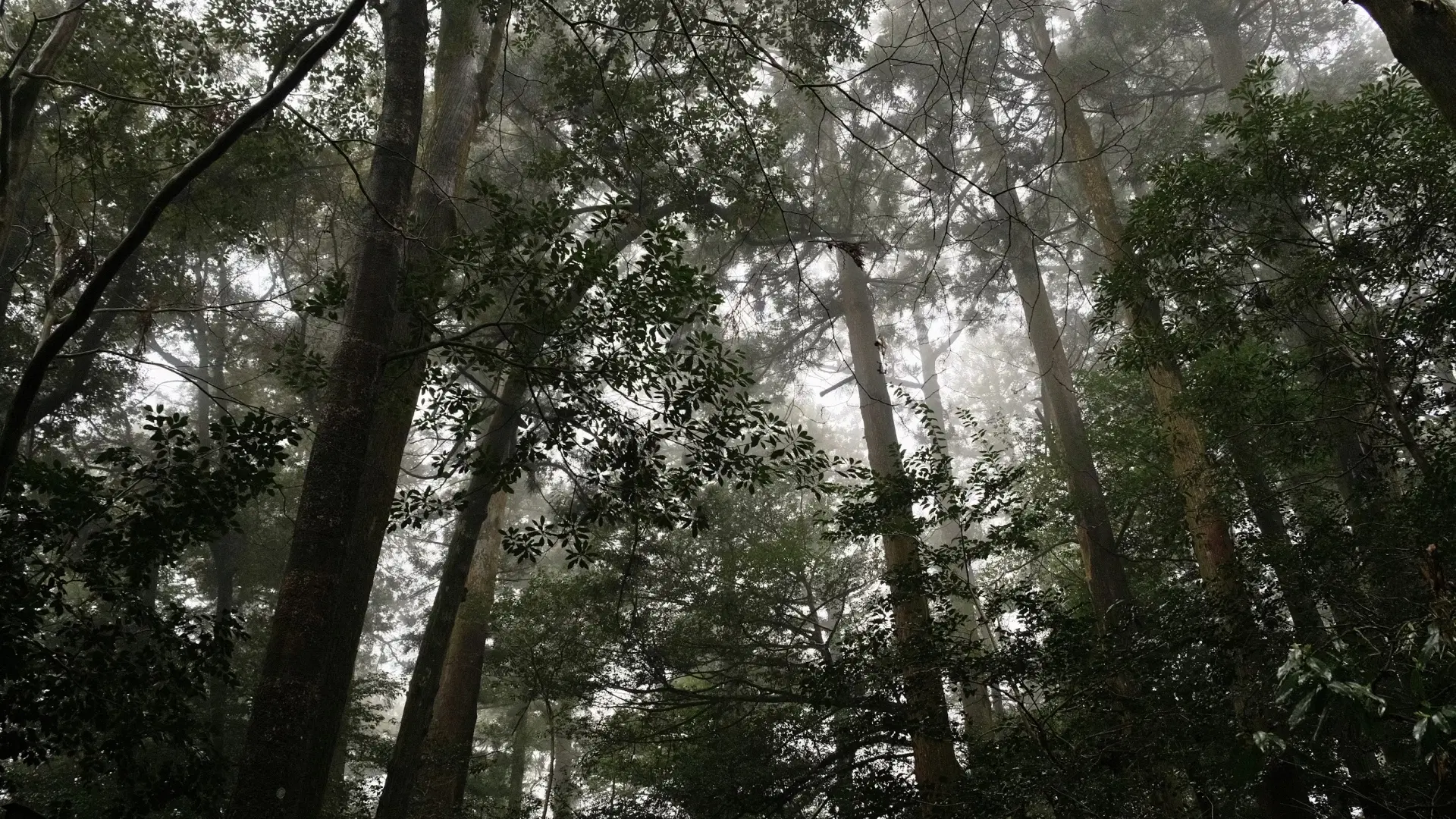
The shrine precinct during these three days achieves a density of human presence that would be overwhelming in any other setting but that here, contained within the ancient forest and channeled along the gravel paths toward the inner sanctuary, produces instead a feeling of shared purpose. Strangers stand together in lines that stretch for hours, waiting with a patience that is itself a form of devotion, and when they finally reach the offering box and bow, clap, and pray, the simplicity of the gesture carries the accumulated weight of a thousand years of identical gestures performed on the same ground.
The hatsumode at Ise Jingu is the most sacred New Year pilgrimage in Japan, a convergence of millions of worshippers at the spiritual heart of the Shinto faith during the three days that mark the turning of the year.
History & Significance
The practice of beginning the year with a visit to Ise Jingu has roots that extend into the earliest documented centuries of Japanese civilization. The shrine's founding mythology places its establishment in the reign of Emperor Suinin, approximately two thousand years ago, and while the historical record is complex, the continuous presence of organized worship at this site across such an expanse of time is itself a fact of extraordinary significance. The hatsumode tradition at Ise gained its mass character during the Edo period, when improvements in road infrastructure and the development of pilgrimage support networks made the journey accessible to ordinary people for the first time. The okage mairi movements, the largest of which in 1830 involved an estimated five million participants, demonstrated the depth of popular attachment to Ise as a spiritual destination.
The modern hatsumode at Ise Jingu draws approximately eight million visitors during the first three days of January, making it one of the largest annual religious gatherings in the world. The shrine's administration manages this extraordinary influx with a logistical sophistication that reflects centuries of experience, maintaining the sacred atmosphere of the precinct while accommodating the practical needs of the multitude. The tradition has survived war, political transformation, and the secularization of Japanese society because it serves a need that transcends any particular historical moment: the human desire to mark beginnings in a place where beginnings have been marked before.
What to Expect
The experience begins well before the shrine grounds. Approaching Ise on January 1, whether by train in the pre-dawn hours or by car along roads thick with traffic, the visitor becomes part of a human current flowing toward a single destination with a purposefulness that builds anticipation. The approach streets, Oharai-machi and Okage Yokocho, are alive with vendors, their stalls illuminated and fragrant with grilled mochi, amazake, and the seasonal foods that mark the New Year. The atmosphere is festive but not frivolous, the laughter and commerce of the approach giving way to a deepening quiet as the torii of the inner shrine comes into view and the forest closes around the path.
The wait to reach the offering point at the inner shrine can extend to several hours during peak times, particularly on the morning of January 1. This wait, conducted in the cold under the ancient trees, is not merely an inconvenience but part of the experience, a period of gradual transition from the noise and warmth of the approach street to the silence and cold of the sacred precinct. The crowd moves forward in increments, each step bringing the worshipper closer to the moment of prayer, and the patience required is understood not as suffering but as preparation.
The outer shrine, the Geku, receives significantly fewer visitors during the New Year period and offers a more contemplative experience for those who prefer quiet devotion to collective intensity. Traditional practice calls for visiting the outer shrine before the inner, and following this sequence provides a natural arc from solitude to community, from the agricultural deity Toyouke to the sun goddess Amaterasu, from the measured pace of individual reflection to the immersive energy of the multitude.