Shiga
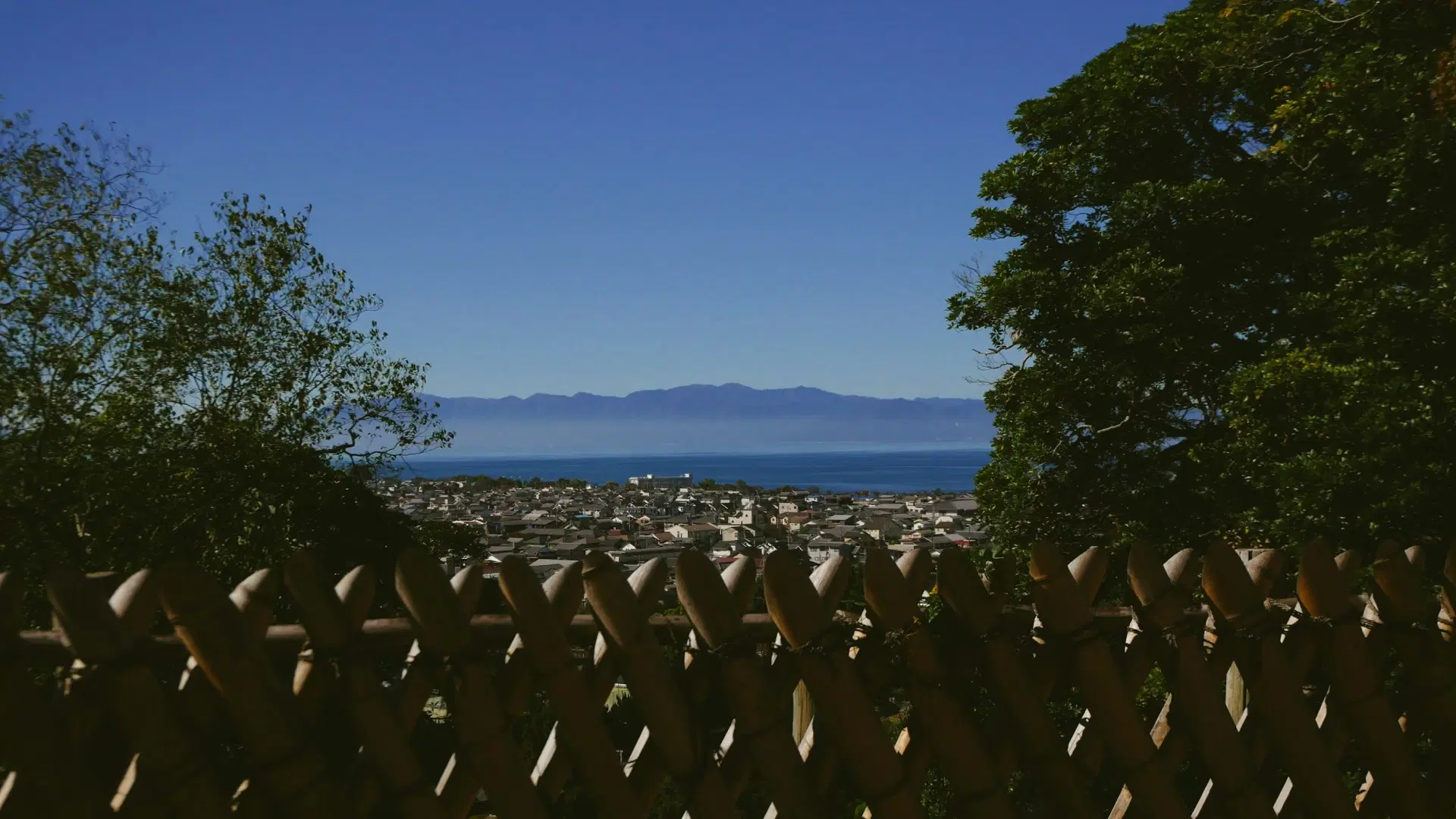
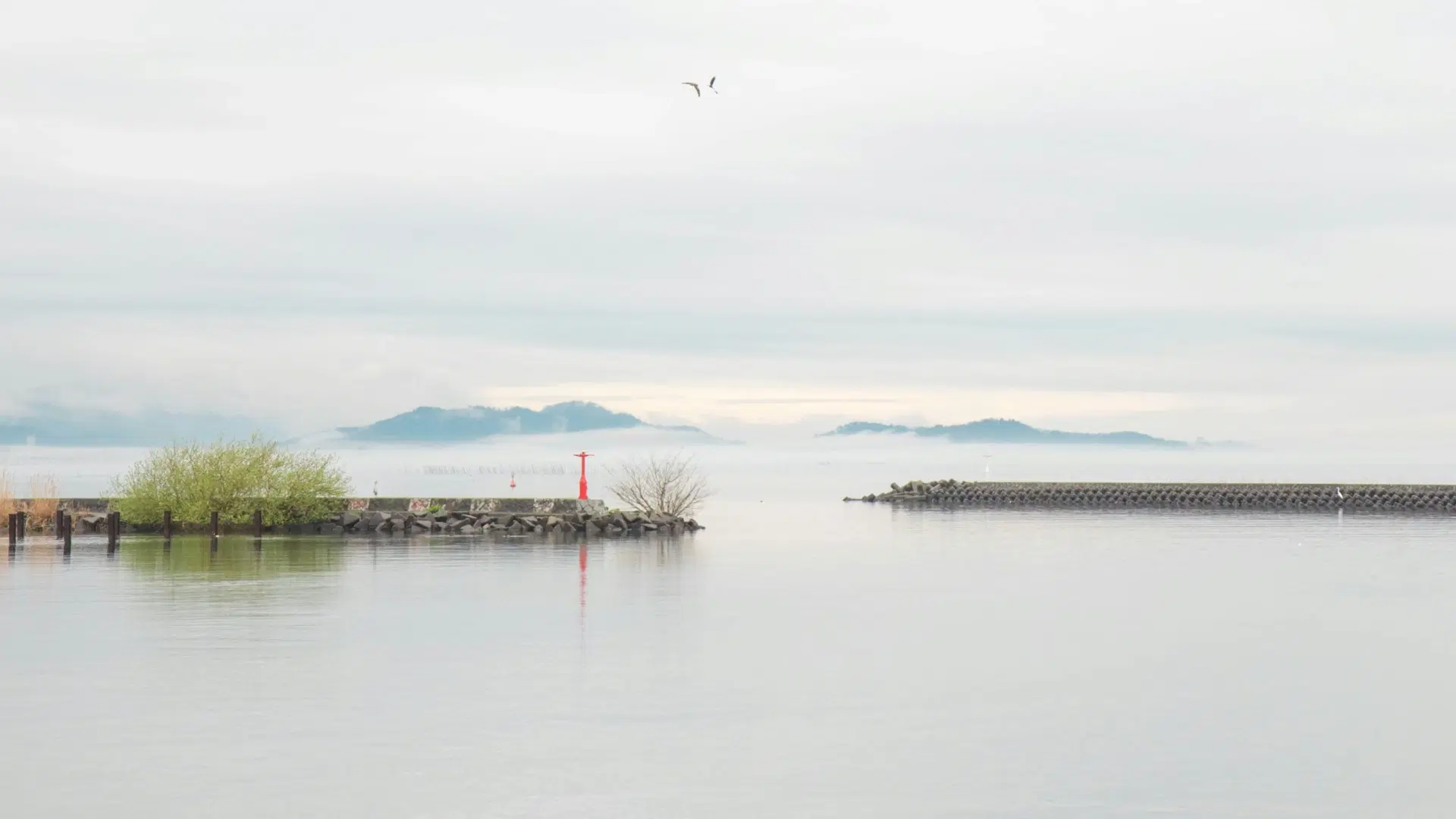
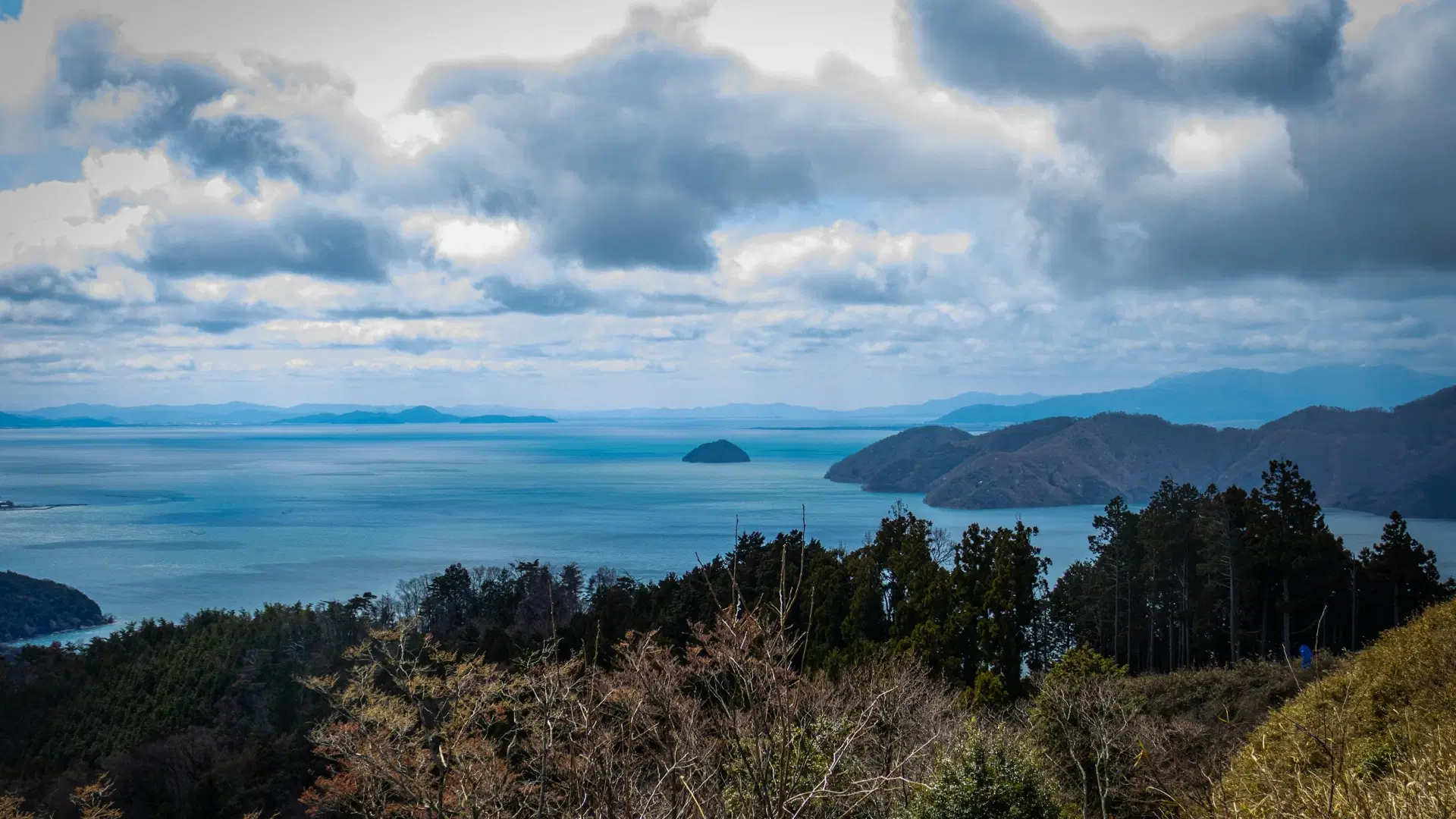
滋賀県Shiga Prefecture is defined by water. Lake Biwa, the largest freshwater lake in Japan and one of the oldest in the world, fills the center of the prefecture like a vast inland sea, its moods shifting with the seasons from silver stillness in winter to the shimmering blue of midsummer. Nearly every aspect of life in Shiga relates to this body of water: the fishing villages along its shores, the temple bells that echo across it at dusk, the reed marshes where migratory birds gather in their thousands each autumn.
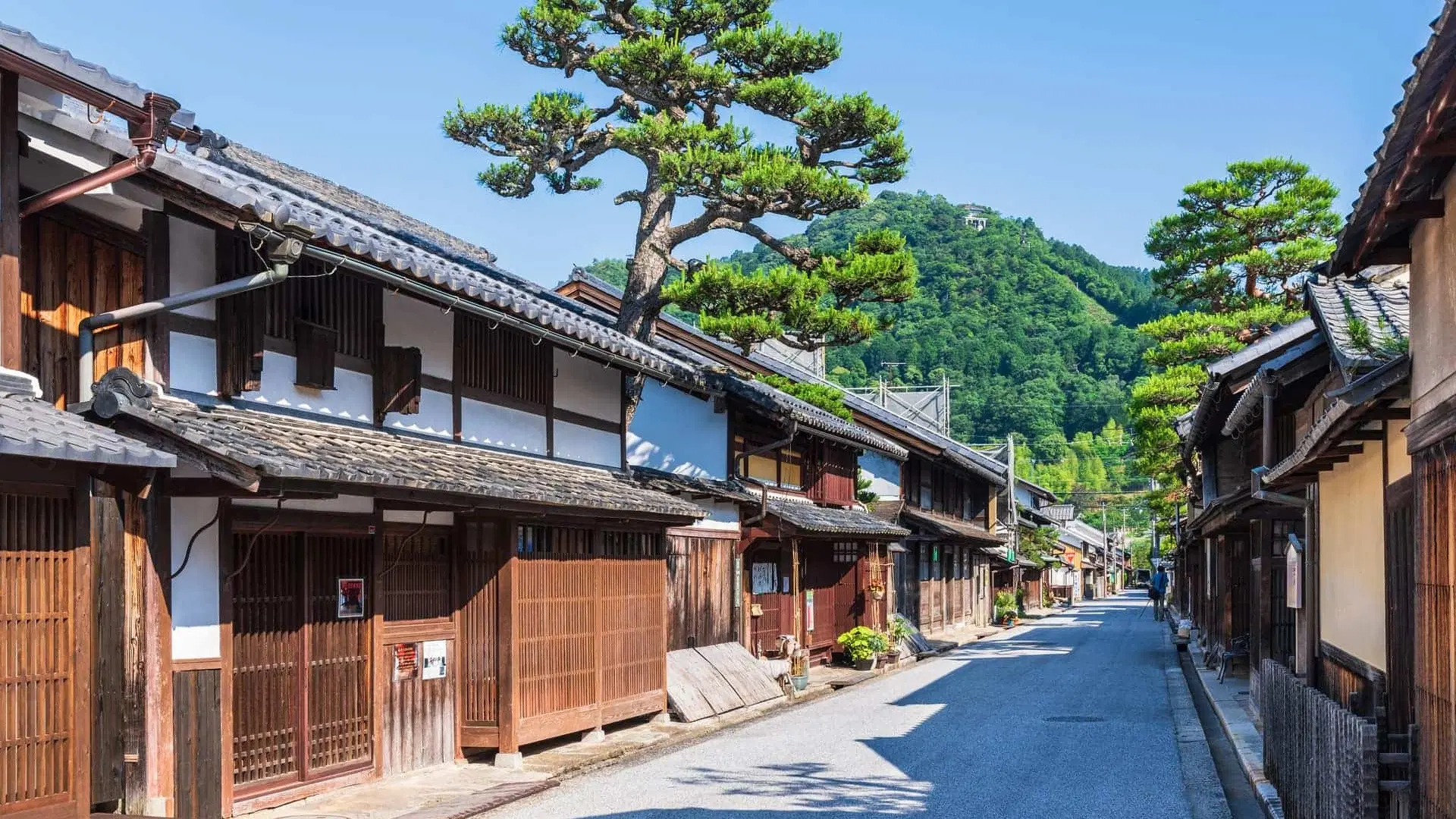
Surrounding the lake, Shiga reveals a quieter, more contemplative Japan than its famous neighbor Kyoto, just over the mountain pass to the west. Hikone Castle, one of only twelve original castles surviving in Japan, stands above the eastern shore with its elegant curved gables reflected in the moat. Omi-Hachiman preserves a canal district where merchant families built their fortunes trading across the country, and their legacy endures in a phrase still used today: "Omi shonin," the Omi merchants, synonymous with shrewdness and integrity in business.
The cultural depth here is remarkable for a prefecture so often bypassed. Enryaku-ji, the Tendai Buddhist headquarters on Mount Hiei, has shaped Japanese religious thought for over a millennium. I.M. Pei's Miho Museum emerges from a mountainside tunnel like a revelation, its architecture as compelling as the antiquities within. Shiga moves at a slower rhythm, and it rewards those willing to listen.
Cultural Identity
Shiga's cultural identity flows from the intersection of sacred mountain traditions and lakeside commerce. Enryaku-ji on Mount Hiei, founded in 788 by the monk Saicho, became the training ground for nearly every major figure in Japanese Buddhism, from Honen to Nichiren to Dogen. The monastery complex, shrouded in cedar forests above Lake Biwa, still resonates with monastic discipline. Below, the Omi merchant tradition produced a business philosophy centered on sanpo yoshi: good for the seller, the buyer, and society. The canal town of Omi-Hachiman, with its whitewashed storehouses and willow-lined waterways, preserves this heritage beautifully. At the Miho Museum, Pei's masterful integration of architecture and landscape creates a setting where Silk Road artifacts feel at home among the Shiga hills.
Culinary Traditions
Lake Biwa dictates the table in Shiga. Funazushi, a fermented crucian carp that represents perhaps the oldest form of sushi in Japan, is an acquired taste of profound depth, its lactic tang a living link to preservation methods predating the Nara period. Biwa trout, endemic to the lake, appears as sashimi, grilled, or simmered in a delicate broth. Omi beef, raised in the prefecture for over four centuries, is the oldest branded wagyu in Japan, its fine marbling and gentle sweetness a source of quiet local pride. Tsukemono pickles made with local Omi vegetables accompany every meal. Along the lake's southern shore, small restaurants serve freshwater clams and sweetfish from the tributary rivers, dishes that taste unmistakably of this particular place.
Waters & Onsen
While Shiga is not primarily known as an onsen destination, its hot spring offerings carry a distinctive lakeside character. Ogoto Onsen, situated on the southwestern shore of Lake Biwa, has welcomed bathers for over 1,200 years, its alkaline waters prized for their silky texture and skin-smoothing properties. Several ryokan here offer rotenburo with panoramic views across the lake to the distant Hira Mountains. Sugatani Onsen in the Suzuka range provides a mountain counterpoint, its simple baths fed by springs rich in sodium bicarbonate. The proximity to Lake Biwa means that many bathing experiences in Shiga are defined less by volcanic mineral intensity than by a pervading sense of water and stillness.